Xcode 27: Apple's Bet Against Claude Code and Copilot

Index
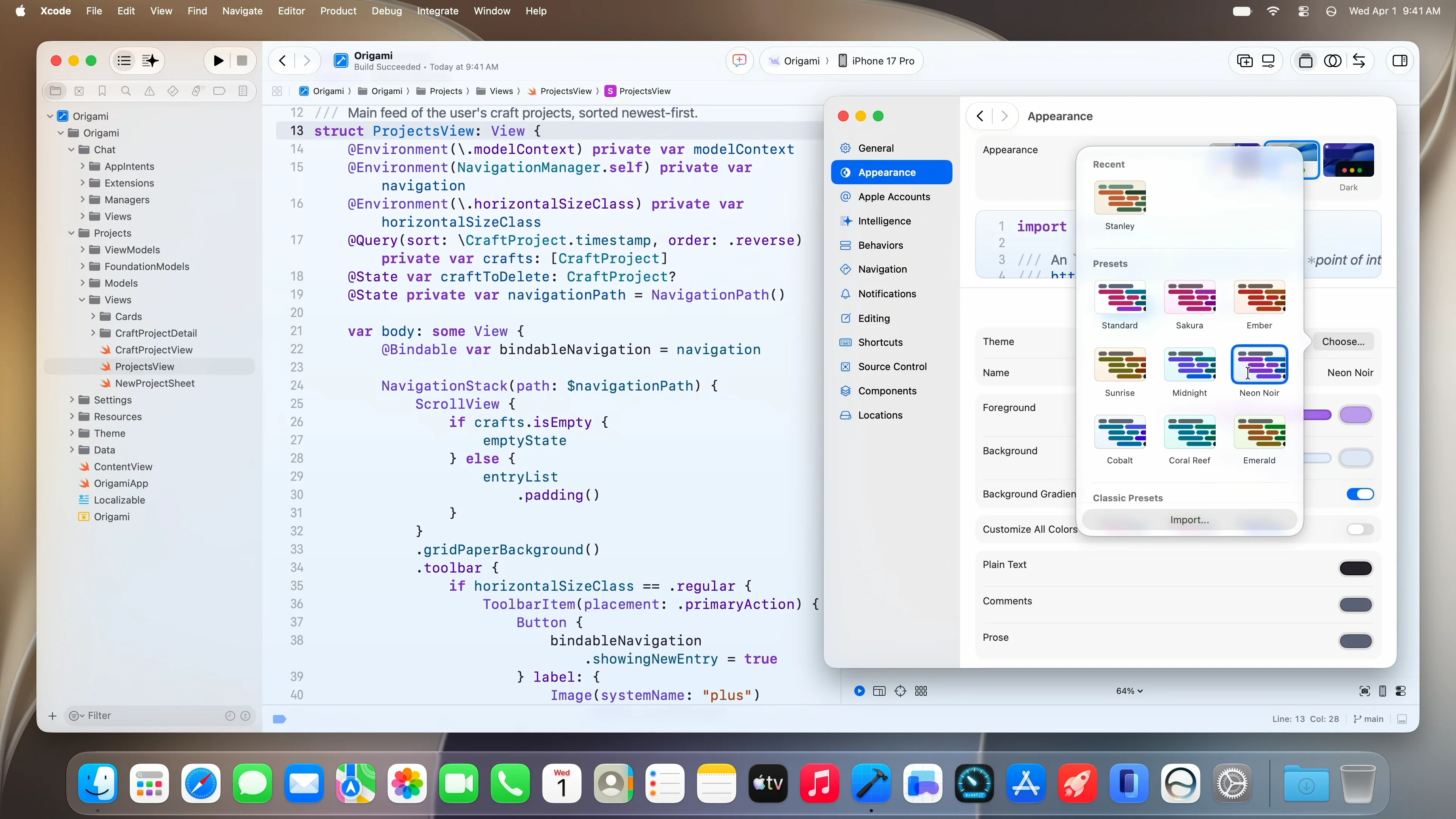
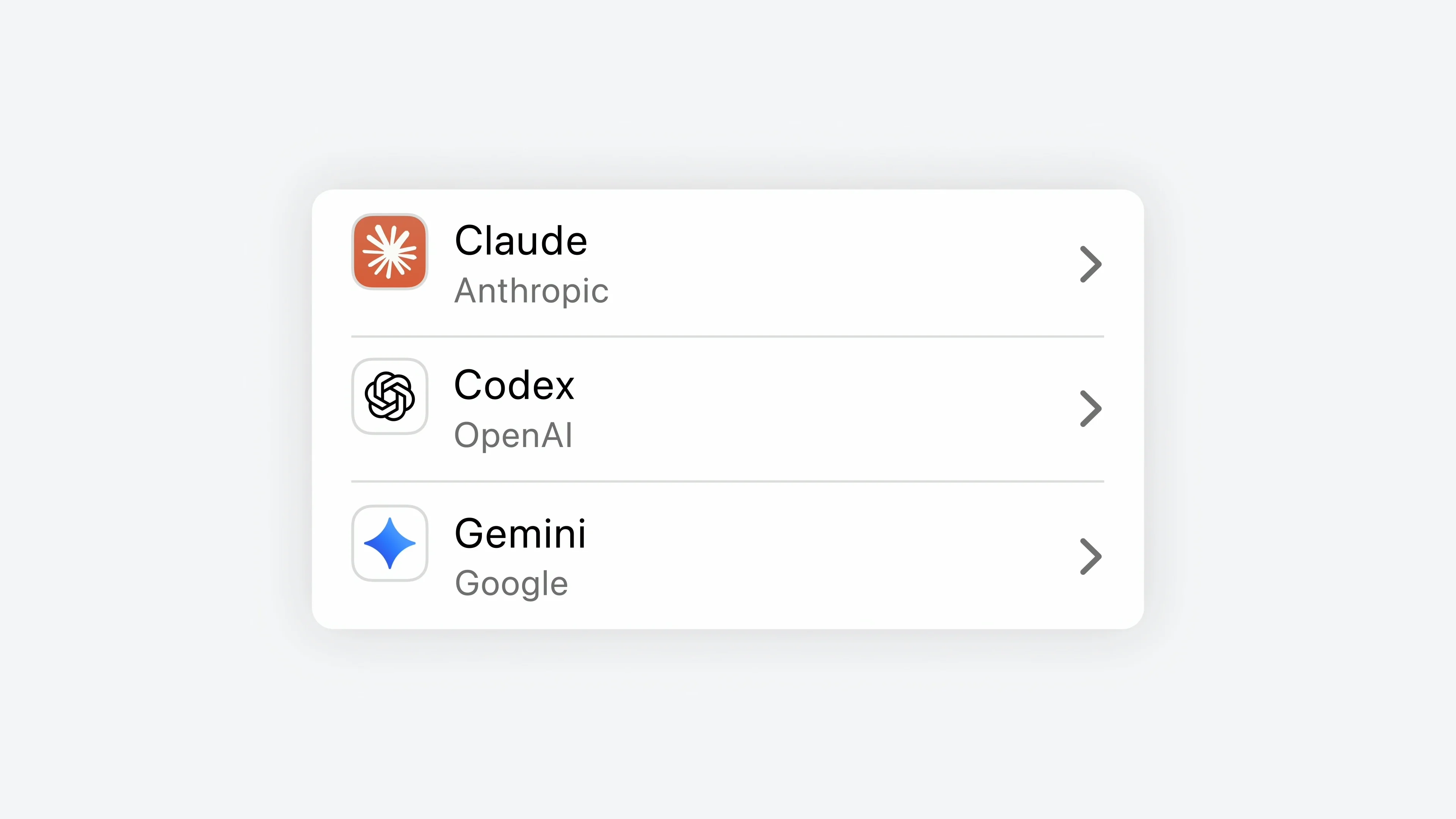
Xcode 27 is the most significant redesign of Apple's development environment in years, and it revolves around AI. The change is visible even in the IDE's look and feel —new themes, a cleaner editor— but the real weight is elsewhere. The concrete new feature: the IDE natively integrates Claude (Anthropic), Codex (OpenAI), and Gemini (Google), plus Apple's own model that runs on the chip. The bigger shift: Apple's response to Cursor, Claude Code, and GitHub Copilot is not a rival model, but turning Xcode into the place where you use everyone else's.
An AI assistant inside the IDE
Xcode 27 brings a conversational assistant integrated into the editor. It supports multi-turn chat, streaming responses, and a canvas that shows Markdown, code changes, and previews in one place. It does more than suggest: the agent writes and runs tests, uses Playgrounds, and interacts with a new Device Hub, which replaces the traditional simulator and is designed so the agent itself can test its code and fix it on its own.
Under the hood, it runs on two engines. One is local, tuned for the Neural Engine in Apple Silicon, and provides real-time suggestions based on the Swift project and Apple's SDKs. The other routes to the cloud when the task is heavy: structural bugs, reasoning across multiple files. None of this came out of nowhere: Apple introduced it in Xcode 26.3, in February 2026, with Claude and Codex in beta. Xcode 27 is the full version.
Choose the model: Claude, Codex, or Gemini
From the Intelligence settings, developers choose and install their preferred agent —Claude from Anthropic, Codex from OpenAI, or Gemini from Google— with no manual configuration. This is the most important change in Xcode 27. Gemini is the one added in this version; Claude and Codex were already available in the previous one. Apple's local model handles the simple, inexpensive work; for harder tasks, you scale up to the cloud model you chose.
The same logic reaches the Foundation Models framework with a new protocol, LanguageModel, which lets you switch providers without touching the app's code. And for smaller developers, Apple's model becomes free, something that changes the economics of building AI-powered apps.
Plugins: Skills, Tools, and Agents
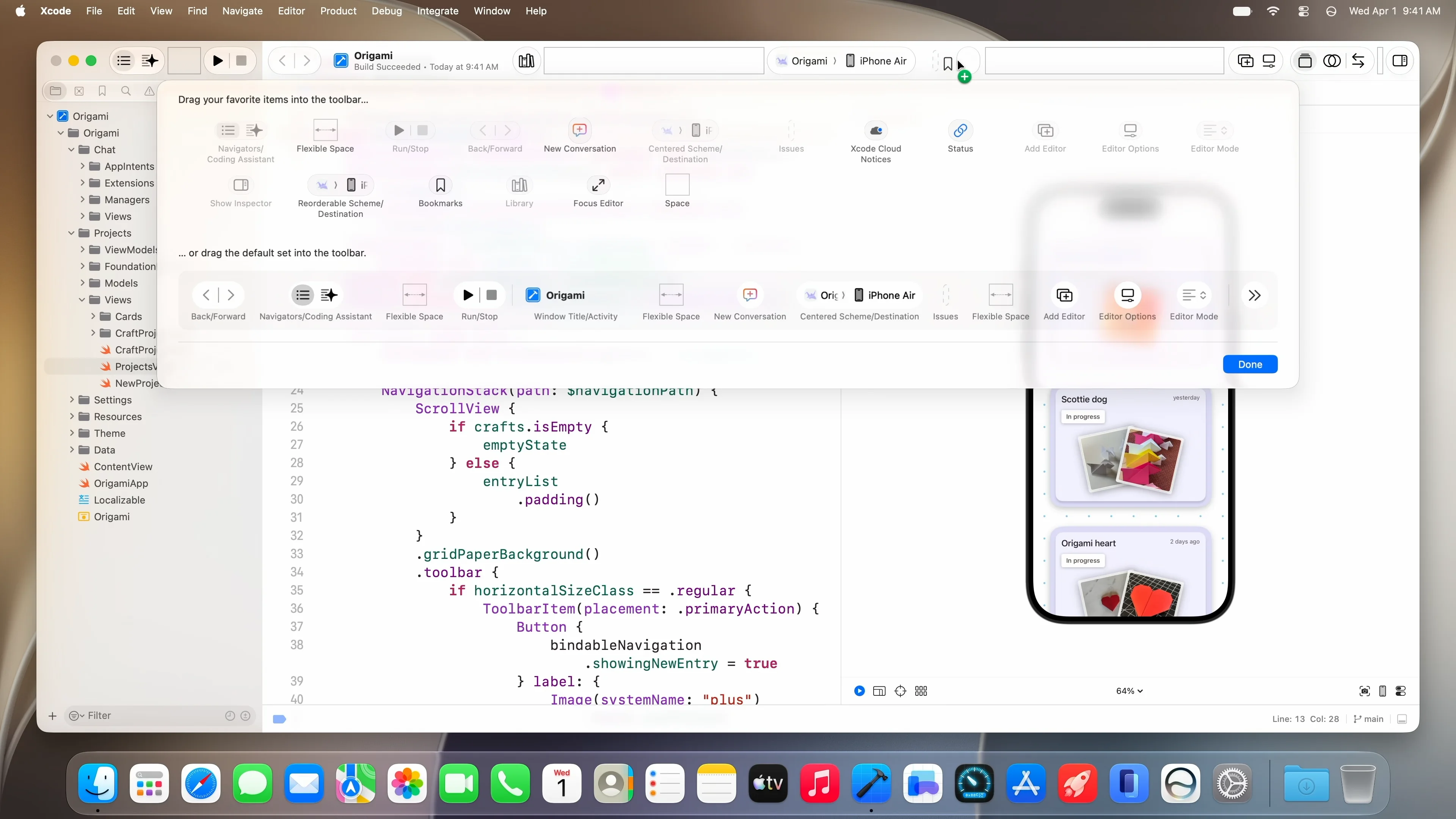
Xcode 27 becomes extensible through open protocols, split into three pieces. Skills are instructions the agent discovers on its own when a task matches; Apple already includes several, such as modernizing SwiftUI code or migrating tests. Tools come in through the Model Context Protocol (MCP). And Agents connect through the Agent Client Protocol (ACP), so any compatible agent can join in.
GitHub and Figma are the first with one-click installation. The GitHub plugin lets the agent read issues, create pull requests, review code, and manage branches without leaving the IDE. The Figma plugin inspects designs and generates SwiftUI views from mockups. Version control data and design files go straight into the agent's context.
Apple's play
The most interesting move is not in any single feature. Apple is not fighting the model race: it has conceded it. Its own model is good enough for the basics, not the best on the market, and the company knows it. Instead of building a Claude Code rival, it turned Xcode into the IDE where you use Claude, Codex, or Gemini. The bet is against Cursor, Claude Code, and Copilot as surfaces, not against the companies building the models. The open protocols seal it: letting anyone plug their agent into Xcode would have been unthinkable in previous versions.
Conclusion
For Apple developers who were paying a separate subscription for Cursor, Copilot, or Claude Code, Xcode 27 brings everything into one place and could erase that monthly bill. For those who already have an external workflow in place, the question is whether Apple's assistant reaches the level of dedicated tools, something that can only be measured once the final version arrives. And there is something more honest underneath: Apple admitted it is not going to win by making the best model, and chose to win by being the place where everyone else's models run. Whether that is enough to keep developers from moving to Cursor remains to be seen.
Author
Alexis Paez