Vivo X300 Ultra: the most ambitious camera phone of 2026 goes global with interchangeable ZEISS lenses

Index
vivo has just opened the black box. After two generations (X100 Ultra and X200 Ultra) locked to the Chinese market, the company is launching the X300 Ultra globally — the first X Ultra to officially reach Europe, Asia, Brazil, and much of LATAM through official imports. The price hurts: €1,999 for the 16 GB / 1 TB version, or up to €3,166 with the full 400 mm teleconverter kit and video cage. In return, it offers something no traditional flagship has: a ZEISS Master Lenses system with three primes (14 mm, 35 mm, 85 mm), two physical optical teleconverters (200 mm and 400 mm), and 4K 120fps Dolby Vision video on all three rear cameras — something neither the iPhone 17 Pro Max nor the Galaxy S26 Ultra can match.
It is the closest thing to a professional photography system we have seen in a smartphone so far. The question is whether that positioning is enough to compete with Samsung and Apple in a market where distribution and ecosystem matter as much as hardware.
Design: DECO inspired by pancake lenses
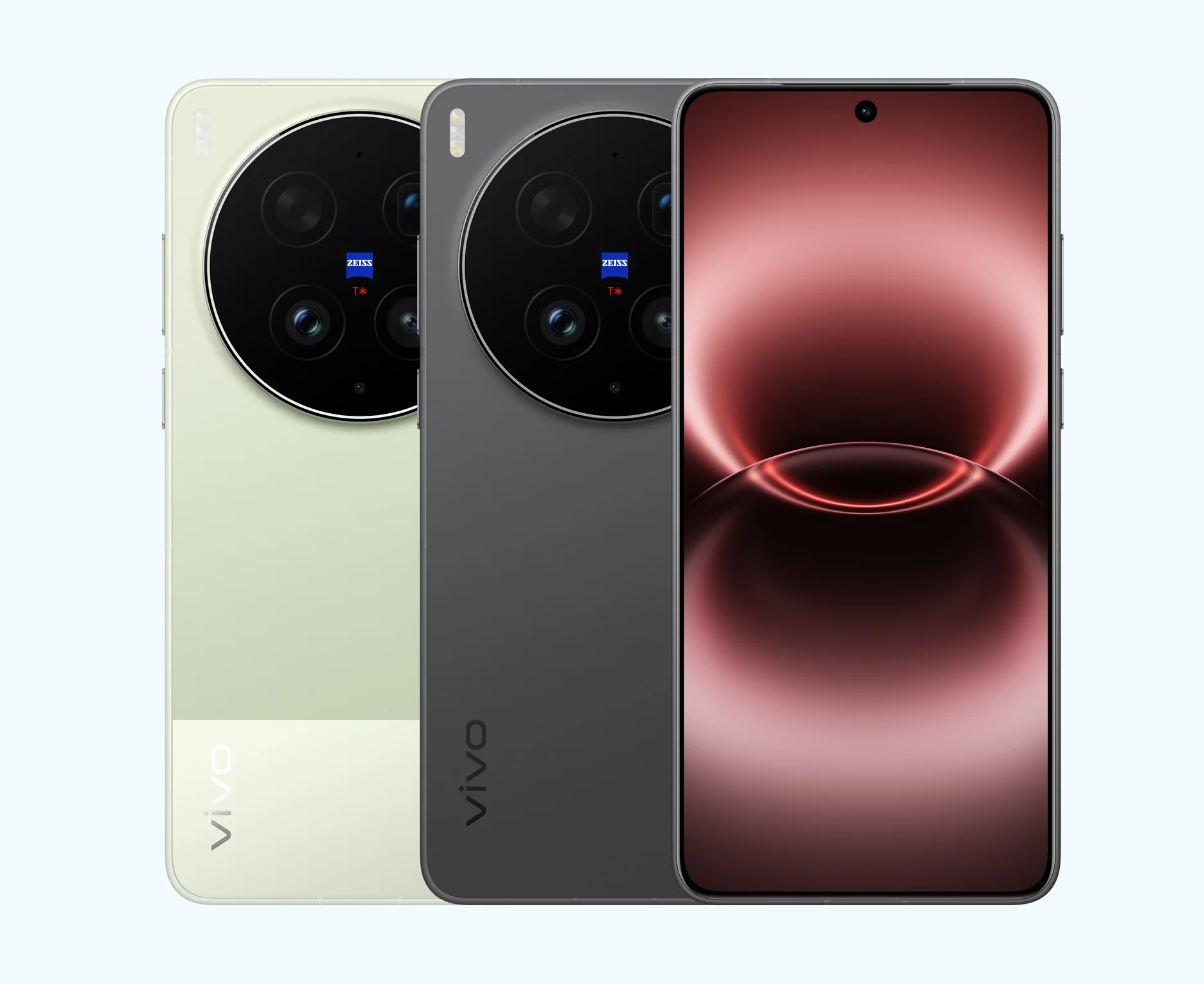
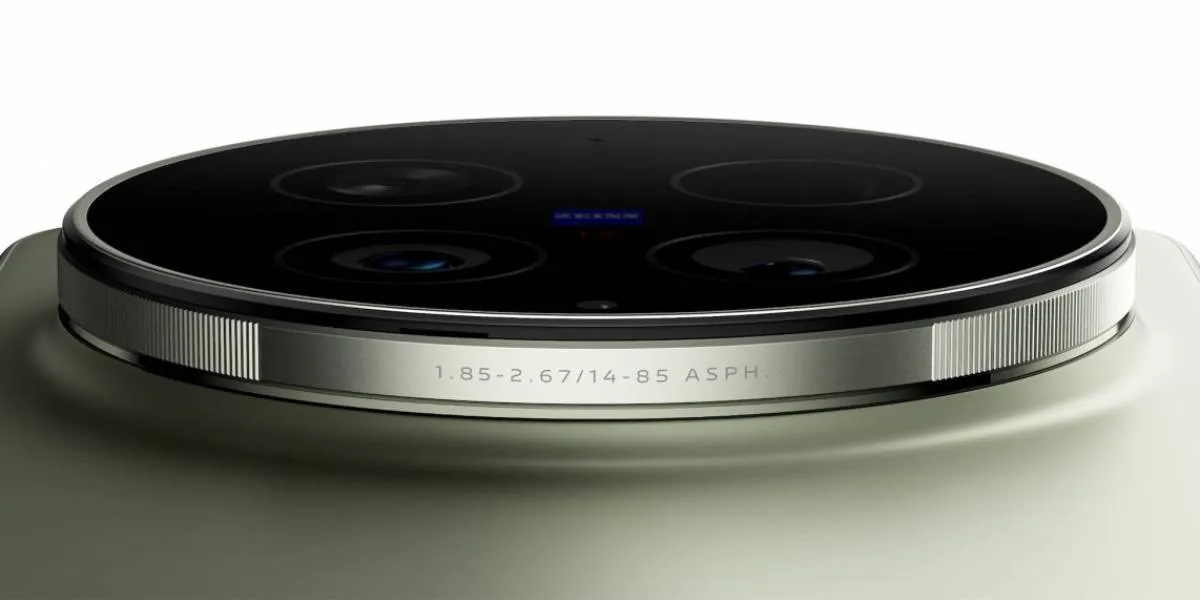
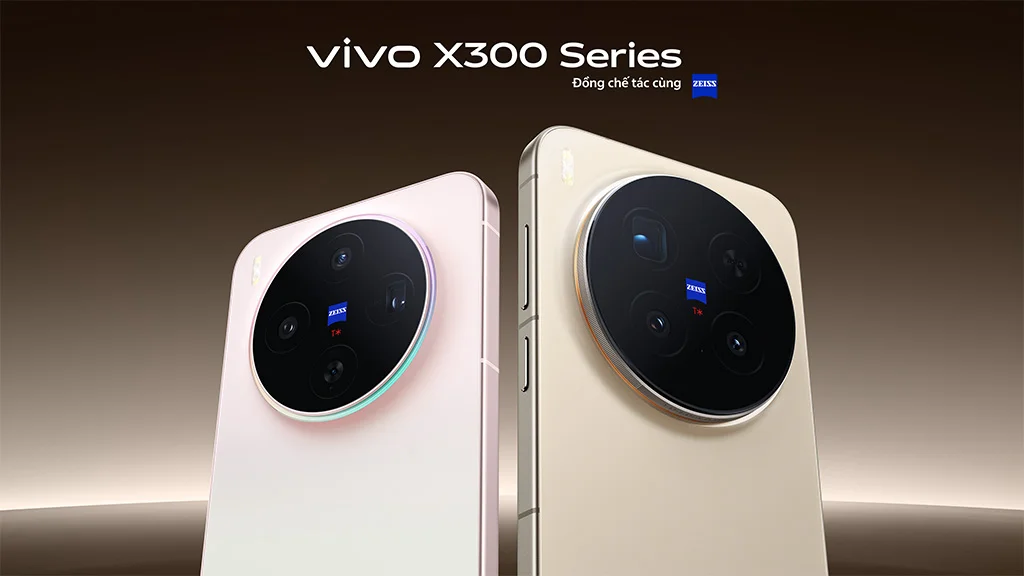
The visual language has changed. The X300 Pro had a discreet camera module; the Ultra turns it into the absolute centerpiece. The silver knurled ring mimics the adjustment wheels of a real ZEISS lens, and the 1.85-2.67/14-85 ASPH inscription engraved into the metal — the same nomenclature ZEISS uses on its camera optics — sets the tone: this is not a smartphone with a good camera; it is a body designed to carry optics.
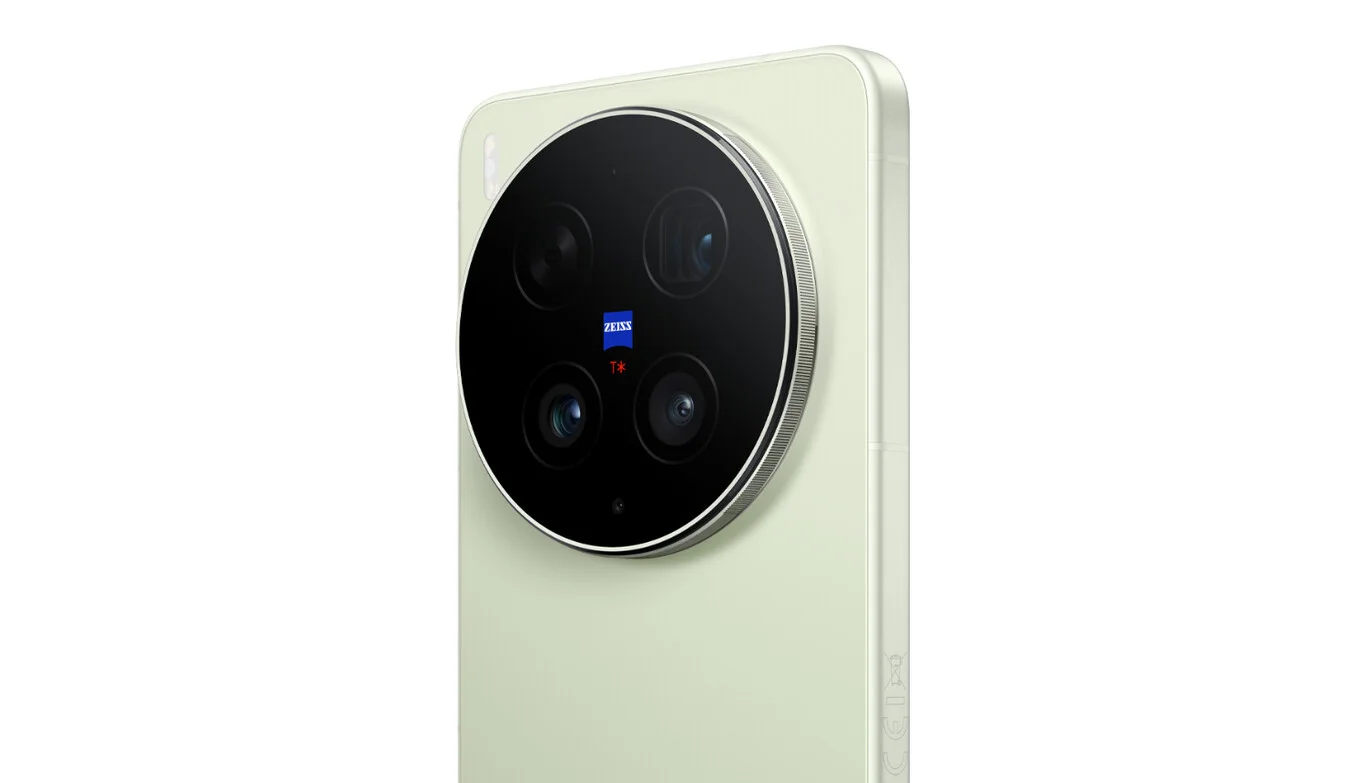
The device comes in three official colors: Film Green (an olive green with an oily finish, designed to evoke vintage lenses), Silver Tone (reflective texture), and Black (standard). In Europe, only Black and Green are available at launch. Dimensions are 162.98 × 76.81 × 8.19 mm in Black, and 8.49 mm in Green and Silver due to the extra coating. Weight: 232 g in Black, 237 g in Green and Silver. It is not light by 2026 standards, although that is offset by the ergonomics of the centered module and the well-distributed weight.
IP68 / IP69 certification means resistance to dust, immersion in fresh water up to 1.5 m for 30 minutes, and protection against high-pressure, high-temperature water jets. The only configuration available in Europe at launch is 16 GB of RAM / 1 TB of UFS 4.1 storage — there is no 12/256 variant as initially leaked.
ZEISS Master Color display: 6.82" at 144 Hz
On the front, there is a 6.82-inch LTPO AMOLED panel with 2K resolution, adaptive refresh from 1 to 144 Hz, and 2,160 Hz PWM to reduce eye strain during long sessions. Peak brightness reaches 6,000 nits in HDR modes — one of the highest figures on the market alongside the Galaxy S26 Ultra. It supports HDR10+, Dolby Vision, and HDR Vivid.
The detail that sets it apart is the ZEISS Master Color Display with Ultra XDR: an end-to-end 10-bit pipeline that ensures what you see on the screen is what the sensors captured. In practice, this means that if you shoot in LOG or Dolby Vision, the preview shows the image with the actual curve — not an SDR approximation. It is the kind of detail that only matters to people coming from professional workflows, but it defines the difference between a "regular" camera phone and one designed for creation.
Hardware: Snapdragon 8 Elite Gen 5 and Ice Pulse cooling
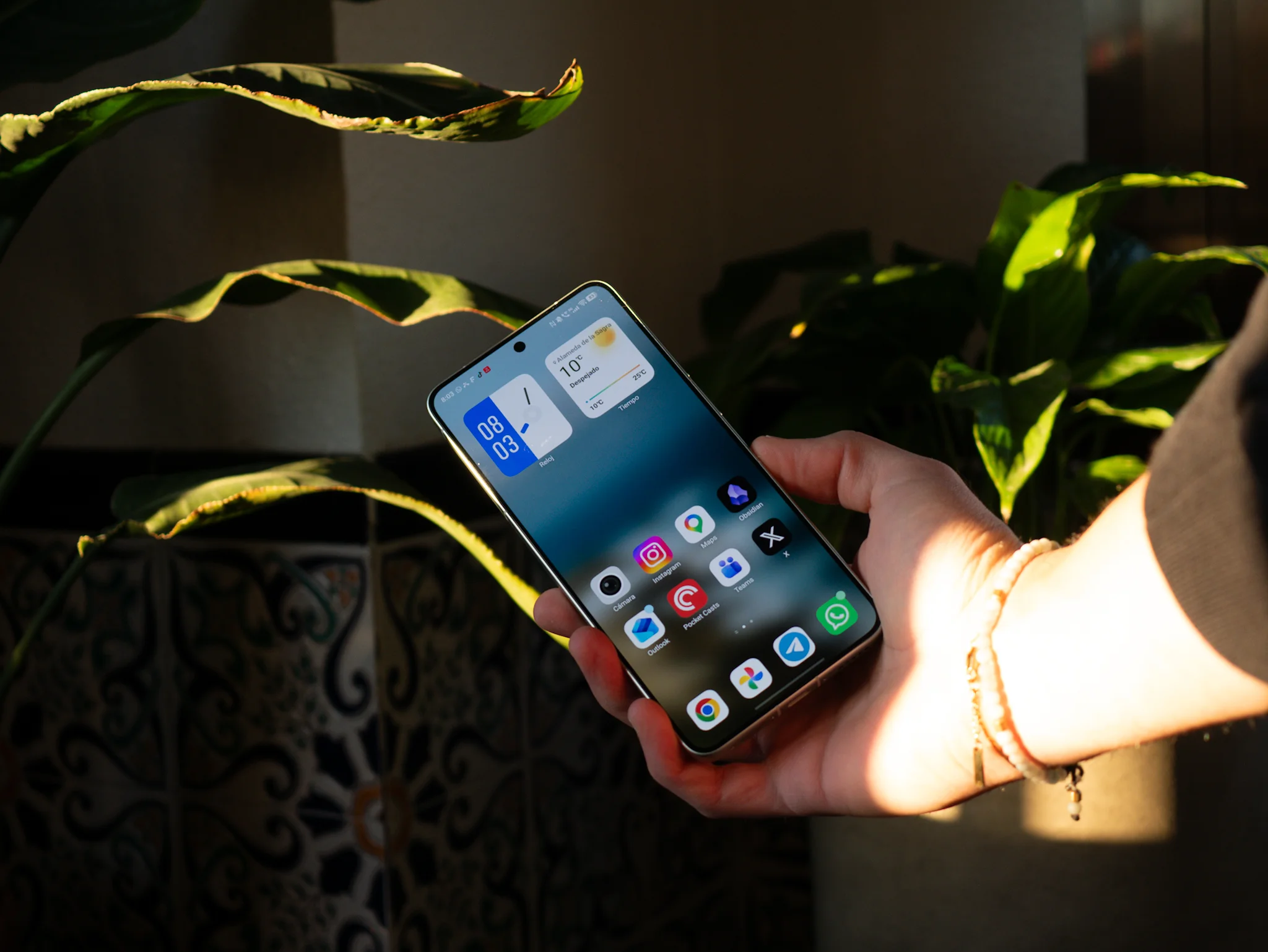
Here is the first major difference versus the X300 and X300 Pro: while those two use the MediaTek Dimensity 9500, the Ultra packs Qualcomm’s Snapdragon 8 Elite Gen 5. The decision makes sense: the SD 8 Elite Gen 5 has a more robust ISP for multi-frame RAW processing and better support for 10-bit Log video pipelines, which aligns with the model’s photography-first focus.
It is paired with 16 GB of LPDDR5X and 1 TB of UFS 4.1. But the cooling is what stands out: vivo redesigned the Ice Pulse Fluid VC system, with a vapor chamber 22% larger than the one in the X300 Pro and an optimized liquid return channel that improves heat dissipation by 14%. For recording 4K 120fps Log with an 85 mm periscope lens during long sessions, that thermal headroom is not cosmetic.

Battery: 6,600 mAh with a European asterisk
The global and Chinese model comes with 6,600 mAh using BlueVolt silicon-carbon technology — one of the highest capacities in the flagship segment. But there is a caveat: the European version ships with 6,400 mAh, 200 mAh less, due to air transport regulations limiting the energy density allowed in devices sold in the EU. It is not dramatic, but it is information that is not highlighted in the official marketing.
Charging is 100 W wired and 40 W wireless, with reverse wireless charging included. In real-world numbers, the 100 W charger fills the device from 0 to 100% in about 40–45 minutes — not the fastest on the market (the Oppo Find X9 Pro does something similar with 80 W despite a larger battery), but still in the upper tier.
ZEISS Master Lenses system: the ecosystem that sets it apart
Here is the product thesis. These are not "three rear cameras" — they are three prime lenses co-engineered with ZEISS, each with a fixed focal length and designed for a specific use case, plus two physical teleconverters that mount mechanically onto the body.
The three prime lenses:
- 14 mm ultra-wide: 50 MP Sony LYTIA 818, f/2.0, 116° field of view, OIS. vivo claims it optically corrected the classic distortions of smartphone ultra-wides instead of doing it through software — the first ultra-wide that moves into main-camera territory in terms of quality.
- 35 mm main: 200 MP Sony LYTIA 901, 1/1.12" sensor (the largest ever placed in a smartphone), f/1.85, gimbal OIS. It is the direct successor to the X200 Ultra sensor, with greater light capture and lower internal reflectivity.
- 85 mm telephoto periscope: 200 MP Samsung HP0, 1/1.4" sensor, f/2.67, gimbal OIS, 3.7× optical, 60 fps AF tracking. The key point: it meets the ZEISS APO standard, the same one used by professional optics to eliminate chromatic aberration.
The two physical teleconverters:
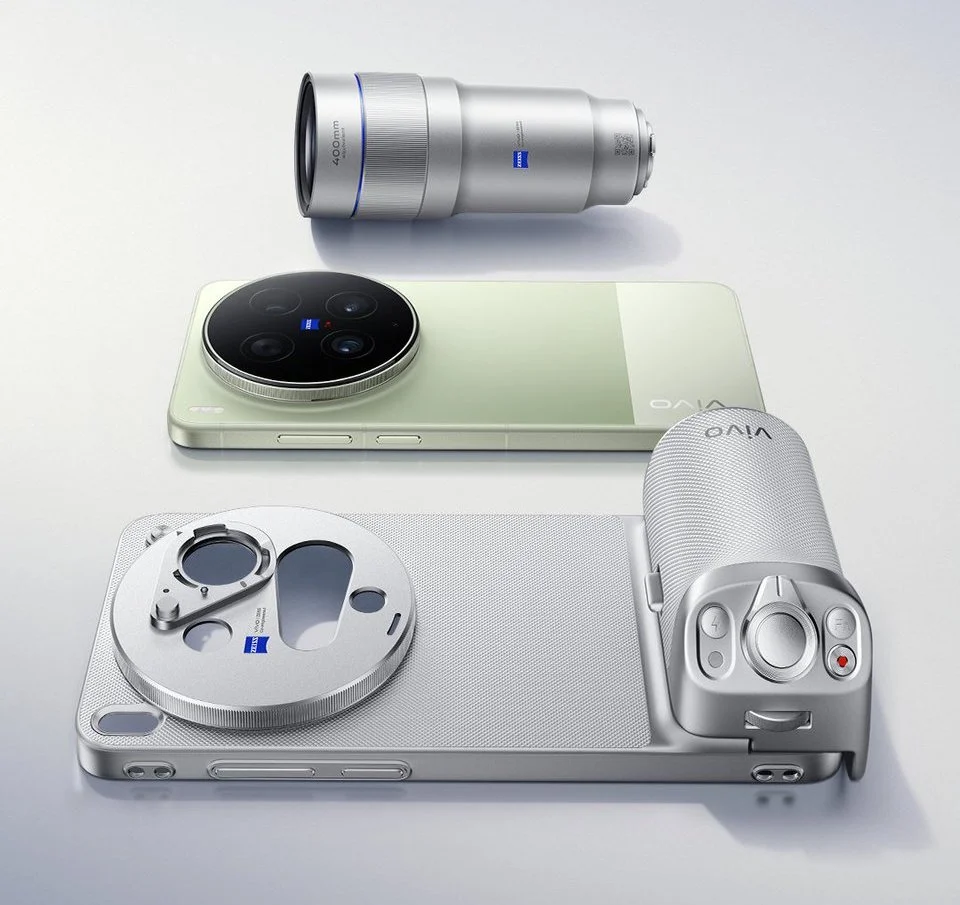
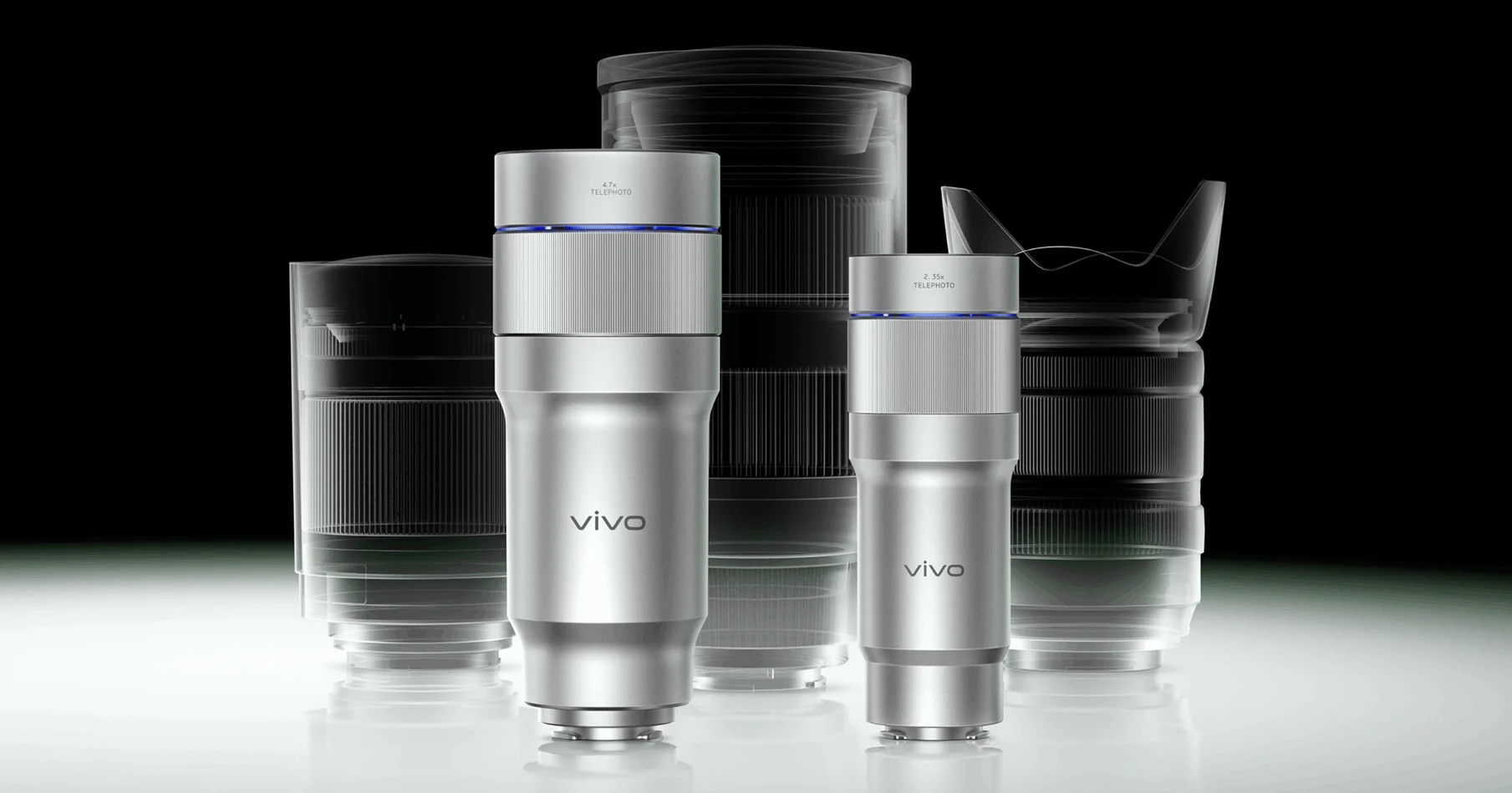
- Gen 2 Teleconverter (200 mm equivalent): Kepler optical design, reduced from 210 g to 153 g versus Gen 1. It mounts over the 85 mm lens and extends the focal length to 200 mm while maintaining 200 MP output.
- Gen 2 Ultra Teleconverter (400 mm equivalent): global debut of a 400 mm smartphone teleconverter. Kepler construction with 15 elements made of high-transmittance glass, gimbal OIS, 60 fps AF tracking, APO standard. On paper, it does what 400 mm f/4 lenses from Sony or Canon do — in an adapter that screws onto a phone.
What is interesting is not each piece in isolation. It is the concept. vivo is effectively building a "proprietary mount" for smartphones — something that did not exist until the traditional interchangeable-lens optics market validated the idea with Sony E, Canon RF, and Nikon Z. Resulting weight of the X300 Ultra with the Gen 2 teleconverter mounted: ~390 g. A Sony RX100 VII weighs 302 g. When vivo sells the full kit with video cage, we are talking about a device closer to a mirrorless camera than to a smartphone.
The friction point is mechanical. The teleconverters screw in via a bayonet mount on a special case (the Photography Kit case), not directly onto the phone’s module. That introduces a failure point that traditional camera mounts solved with robust solid-metal bayonets and dedicated electrical contacts. vivo has addressed it with engineering, but it is a vector that did not exist before, and we will have to see how it ages under heavy use.
Professional video: 4K 120fps Log on all three lenses
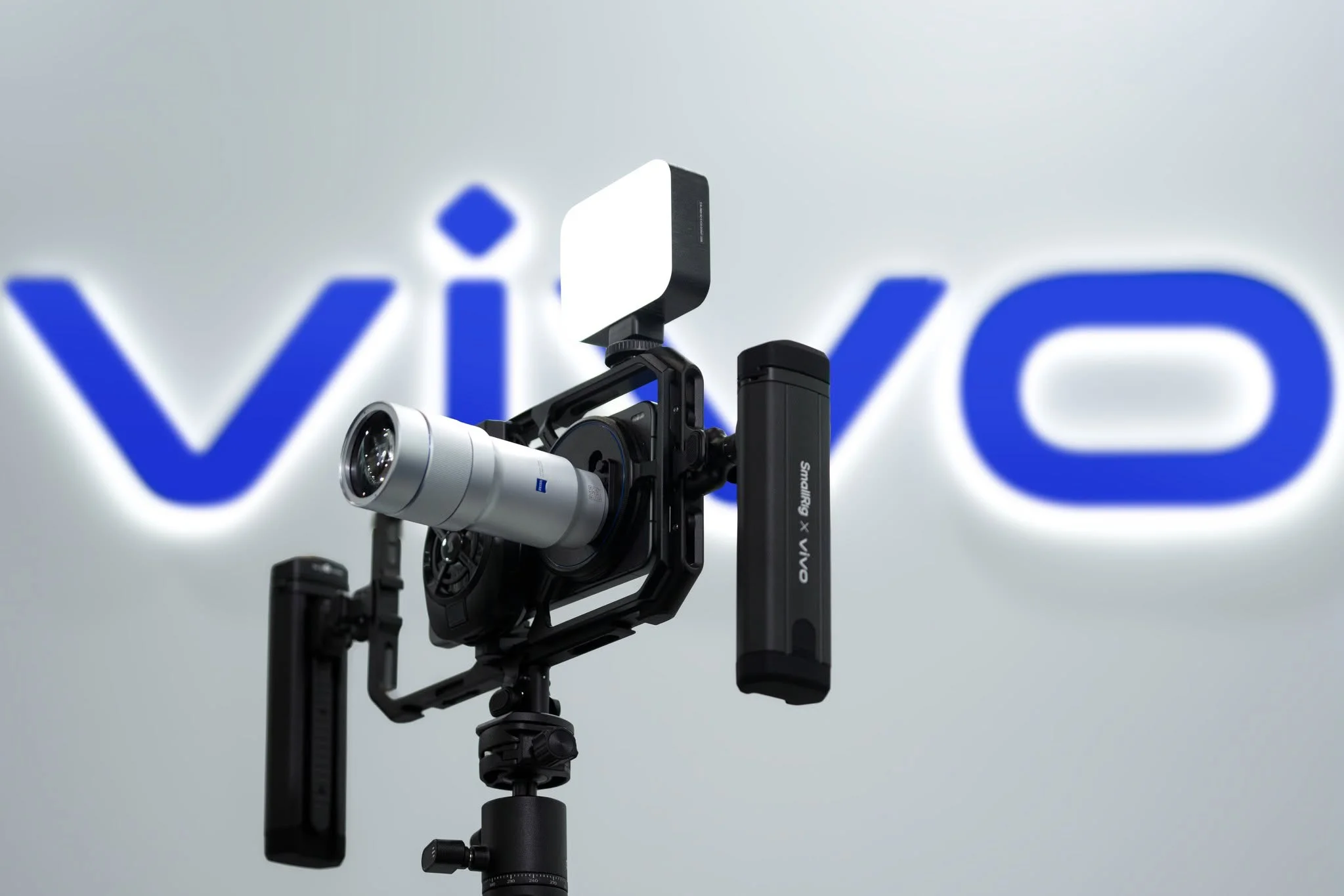
Here is the feature neither Apple nor Samsung can match. The X300 Ultra records 4K 120fps 10-bit Log and Dolby Vision HDR on all three rear cameras. The iPhone 17 Pro Max does 4K 120fps Dolby Vision, but only on the main camera. The Galaxy S26 Ultra reaches 8K 30fps and 4K 60fps, with no LOG on any camera. This matters because changing focal lengths during a multi-clip shoot without breaking the color pipeline is what separates a pro device from an amateur one.
It adds:
- Native APV 422 10-bit support (a high-efficiency ProRes-style codec).
- Compatibility with ACES workflows for professional color grading.
- Custom 3D LUT import.
- Quad-microphone array with directional beamforming.
- 24 fps (film) and 60 fps (modern) cinematic modes.
For the full kit, vivo sells a SmallRig Pro cage for €499 (€299 in the pre-order bundle) with side handles, an external monitor slot, and an LED light mount. It is the first smartphone to come with an official rig at the level of ergonomics and modularity of a mirrorless camera.
The X300 lineup: which of the three should you choose?
My take: if you are evaluating the whole lineup, the X300 Pro is still the sweet spot. Same 200 MP telephoto sensor as the Ultra, optional 2.35× teleconverter if you want extended zoom, an almost identical battery, and a cost that is one-third lower. The Ultra only makes sense if your workflow is professional photography or video, where the physical lens system and multi-lens LOG video define your work.
Vivo X300 Ultra vs the global competition
Verdict: the best camera phone of 2026?
Yes, with conditions. The X300 Ultra is the smartphone with the best cameras in the global market today, measured by hardware (largest main sensor, largest telephoto sensor, multi-lens LOG video) and by its optical ecosystem — physical 200 mm and 400 mm teleconverters no rival offers. For professional photo or video creators who want a portable modular system, there is no alternative.
But it is not the best global phone for most people. At €1,999 for the base version (without teleconverter), you are paying €500 more than a Galaxy S26 Ultra or an iPhone 17 Pro Max, with a smaller support network, no U.S. or U.K. availability at launch, and OriginOS 6 which — although it is based on Android 16 and includes Google Services — does not integrate with the iCloud or Samsung Account ecosystems that the two market leaders have refined for years.
The most direct competitor is the Oppo Find X9 Pro: a physical 300 mm Hasselblad teleconverter, Dimensity 9500, a 7,500 mAh battery, and €800 cheaper. The choice between the two comes down to color science (ZEISS vs Hasselblad), video priorities (the X300 Ultra wins with multi-lens LOG), and how much you care about reaching 400 mm optically.
The historic part is something else: this is the first time vivo is bringing its Ultra to the global market. If the strategy works — if they find buyers willing to pay a premium price for an optical ecosystem — the X400 Ultra will arrive as a benchmark from day one of the 2027 cycle, not as a distant teaser from the Chinese market. For the experimental flagship market, that is the biggest news.
Vivo X300 Ultra
The first Vivo X Ultra to launch globally. ZEISS Master Lenses system with three primes (14, 35, 85 mm), two physical teleconverters (200 and 400 mm), and 4K 120fps 10-bit Log video on all three rear cameras.
Pros
- ZEISS Master Lenses system with three primes (14, 35, 85 mm) and two physical teleconverters, unique in a smartphone.
- 4K 120fps 10-bit Log and Dolby Vision video on all three rear cameras, something no global flagship can match.
- 1/1.12″ Sony LYTIA 901 main sensor, the largest ever placed in a smartphone.
- 400 mm Gen 2 Ultra teleconverter with APO standard and 60 fps AF tracking.
- Snapdragon 8 Elite Gen 5 with Ice Pulse cooling optimized for long recording sessions.
Cons
- Global price of €1,999, about €500 more than the Galaxy S26 Ultra or the iPhone 17 Pro Max.
- Battery reduced to 6,400 mAh in the European version, 200 mAh less than the global model.
- No official availability in the United States or the United Kingdom at launch.
- Only one configuration at launch (16 GB / 1 TB), with no cheaper option.
- OriginOS 6 still does not integrate Google Services at the level of One UI or iOS.
Author
Alexis PaezInformación basada en specs oficiales. El autor no tuvo acceso físico al producto para este reporte.
Comments
Share article
You might also like

OPPO Find X9 Pro: In-depth review and the madness of its optical teleconverter
In-depth review of the new OPPO Find X9 Pro. We tested its incredible 7500 mAh battery, the Dimensity 9500 chip, and Hasselblad’s wild optical teleconverter.

Pixel 11 Pro XL, Galaxy S26 Ultra, and iPhone 17 Pro Max: the three have converged, and something else decides the winner
All three come with 12 GB of RAM, a vapor chamber, and 5,000 mAh. We compare zoom, charging, and display—and why timing in the sales cycle matters more than the spec sheet.

Galaxy Z Fold 8 Ultra: Samsung’s first Ultra foldable arrives with 200 MP, telephoto and 5,000 mAh in 4.1 millimeters
Samsung introduced the Galaxy Z Fold 8 Ultra: 4.1 mm, 200 MP camera with telephoto and a 5,000 mAh silicon-carbon battery. Price and full specs.

Huawei Pura X View: the first wide-format rigid phone debuts HarmonyOS 7 with 7,000 mAh in 6.68 millimeters
Huawei introduced the Pura X View, the first rigid phone with a 16:9.5 display: 1.05 mm bezels, 7,000 mAh in 6.68 mm, and the debut of HarmonyOS 7. What is confirmed and what is not.