OPPO Find X9 Pro: In-depth review and the madness of its optical teleconverter

Index
The high-end Android market keeps raising the bar, and OPPO decided to flip the table. The new OPPO Find X9 Pro is a device that not only goes head-to-head with titans like the Samsung Galaxy S26 Ultra or the iPhone 17 Pro, but also brings a couple of tricks up its sleeve that blew me away: an obscene 7500 mAh battery and a photography accessory ecosystem that changes the rules of the game.
The Find X9 lineup is consolidated with the base model (Find X9), this wonderfully balanced gem that is the Find X9 Pro, and an Ultra model focused on niche photography. But let’s talk about what matters today: the Pro, the phone that promises to be the smartest buy in the series.
Design and Dimensions: Premium and surprisingly comfortable
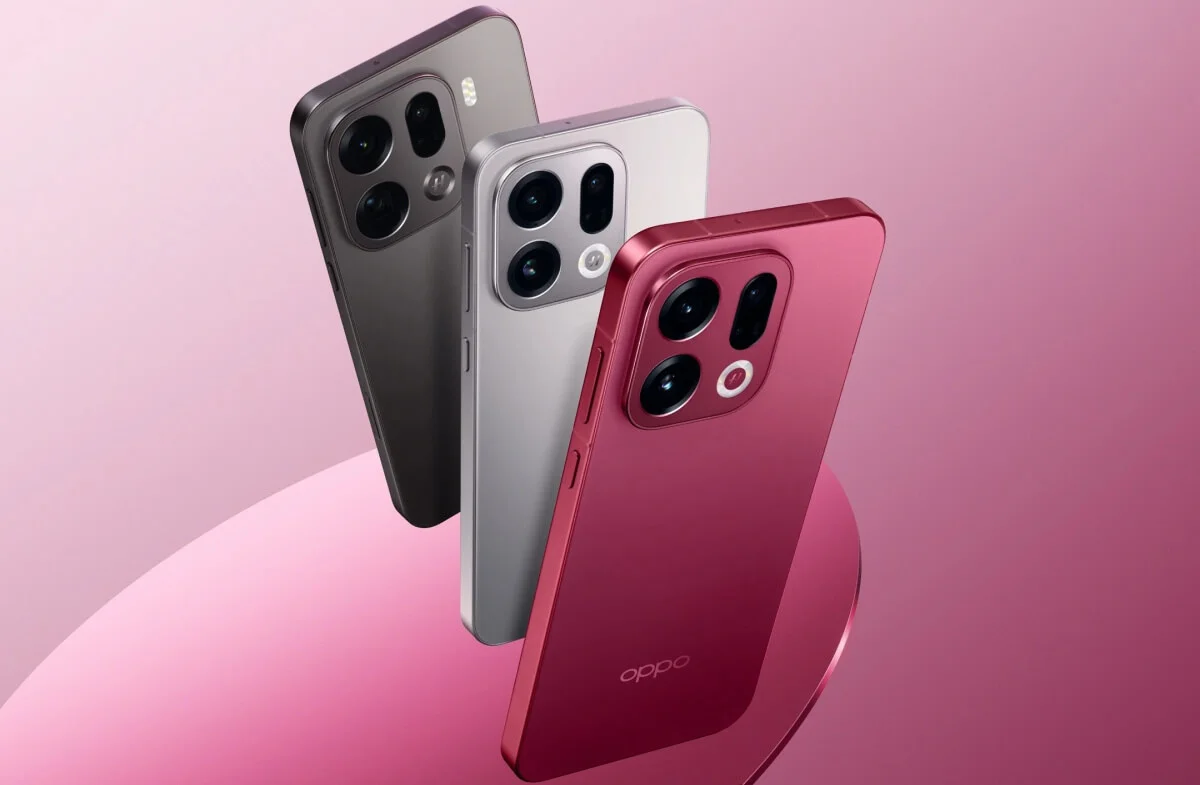
At first glance, the X9 Pro breathes minimalism. OPPO went with a fully flat-edge design and silky matte finishes that repel fingerprints very well. The available colors are Titanium Charcoal and Titanium Gray for those looking for something understated, and the star of this generation: Velvet Red. The latter is that spectacular reddish tone that, depending on how the light hits it, throws off bold pink/magenta highlights that break away from the boredom of traditional grays.
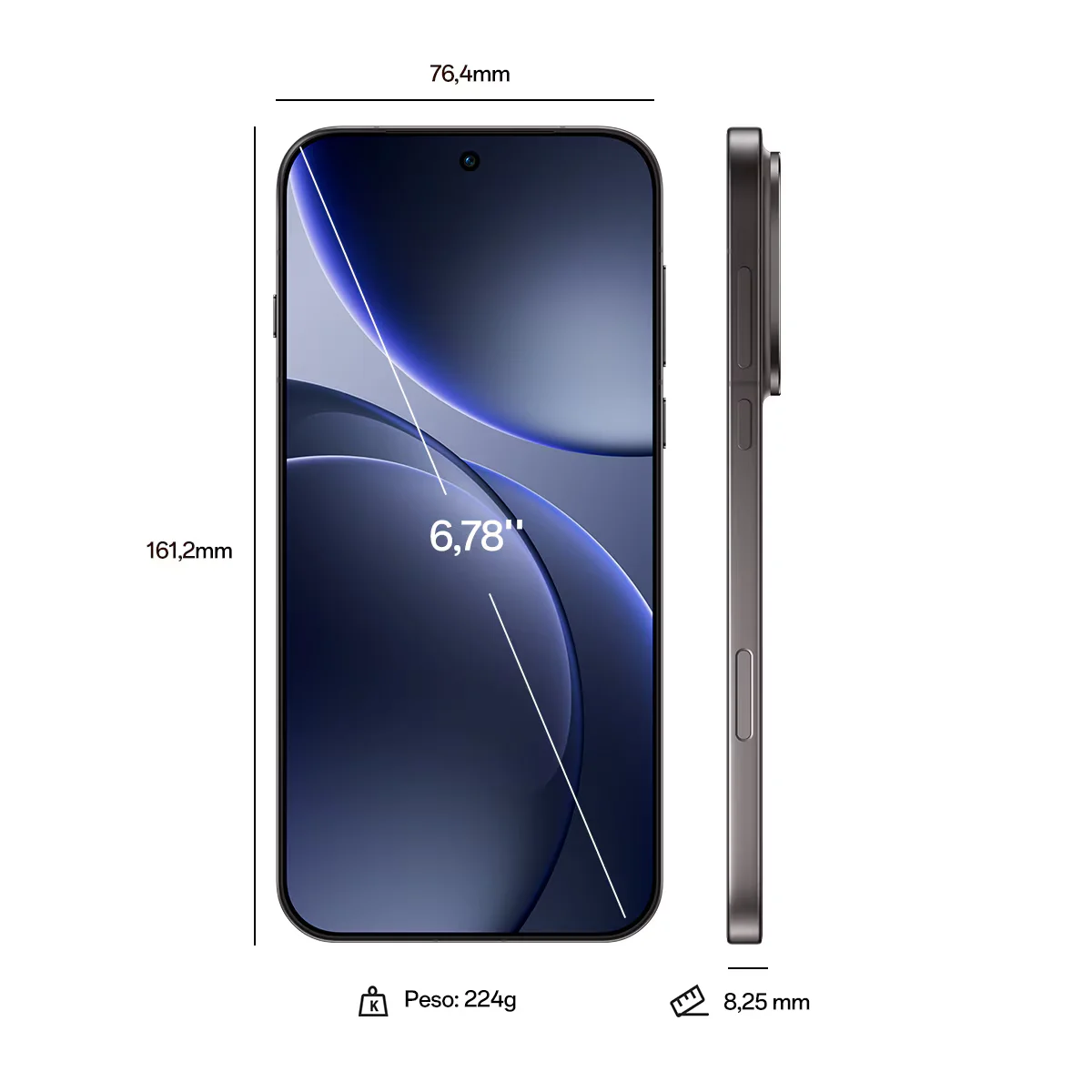
Despite the gigantic energy capacity it carries inside, the engineering work deserves recognition. The phone is only 8.25 mm thick. Its ultra-thin 1.15 mm bezels allow the display to make use of almost the entire front. That said, all that glass and metal comes at a cost on the scale: it weighs 224 grams. It is a substantial device, but the excellent ergonomics make up for it when you hold it.
Durability also rises to the highest level: it carries IP66, IP68, and IP69 certifications, which means it withstands immersion, dust, and even high-pressure, high-temperature water jets.
ProXDR Display: Shining at the top
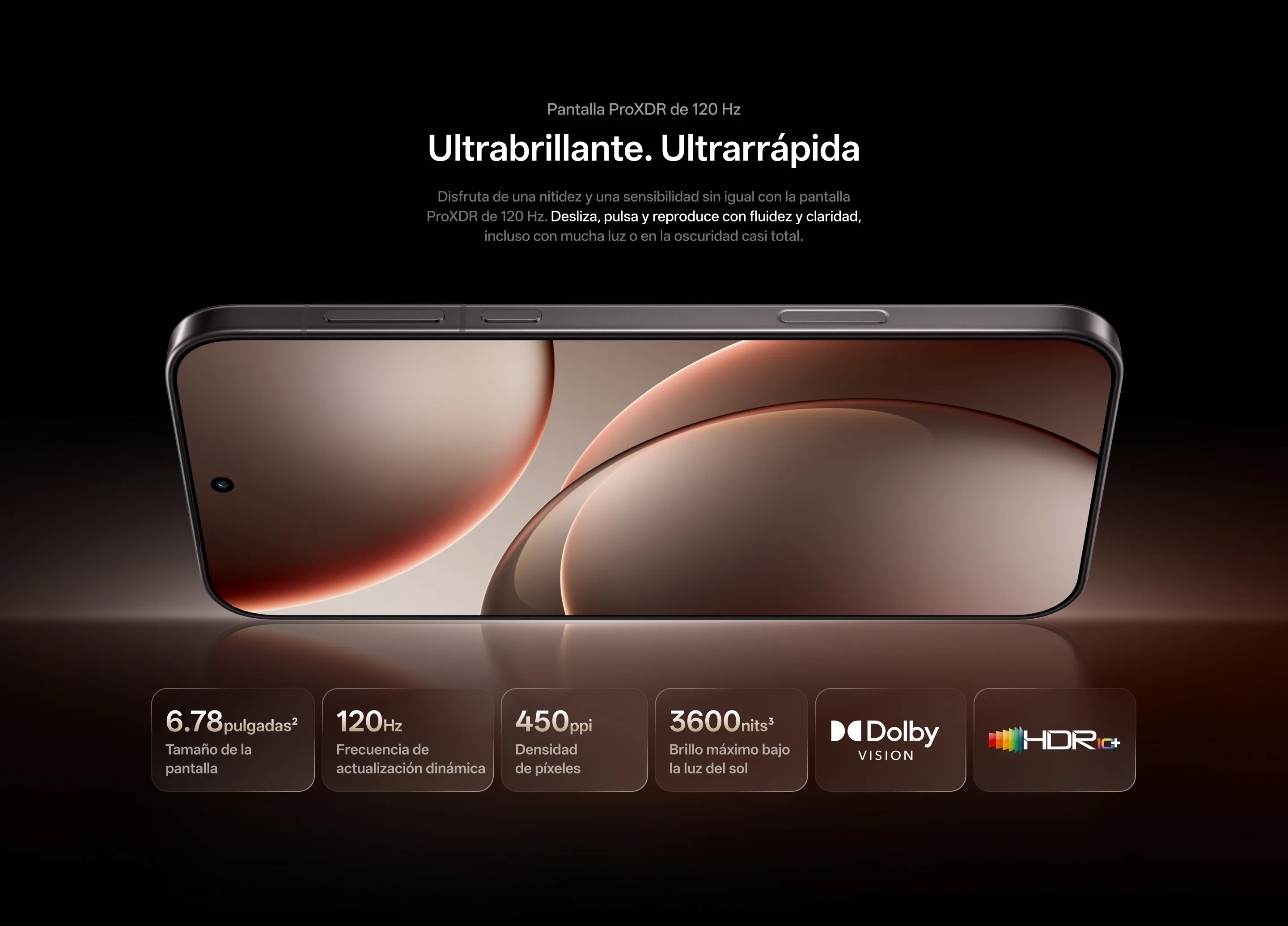
The front is dominated by a 6.78-inch LTPO AMOLED panel with 2K resolution (450 ppi).
The numbers do not lie: it features a 120Hz dynamic refresh rate and a beastly 3600-nit peak brightness level. Add full Dolby Vision support, high-frequency eye-protection technology, and impeccable stereo speakers. Consuming content or editing photos under bright midday sunlight on this display is an absolute pleasure.
Performance and Hardware: MediaTek power
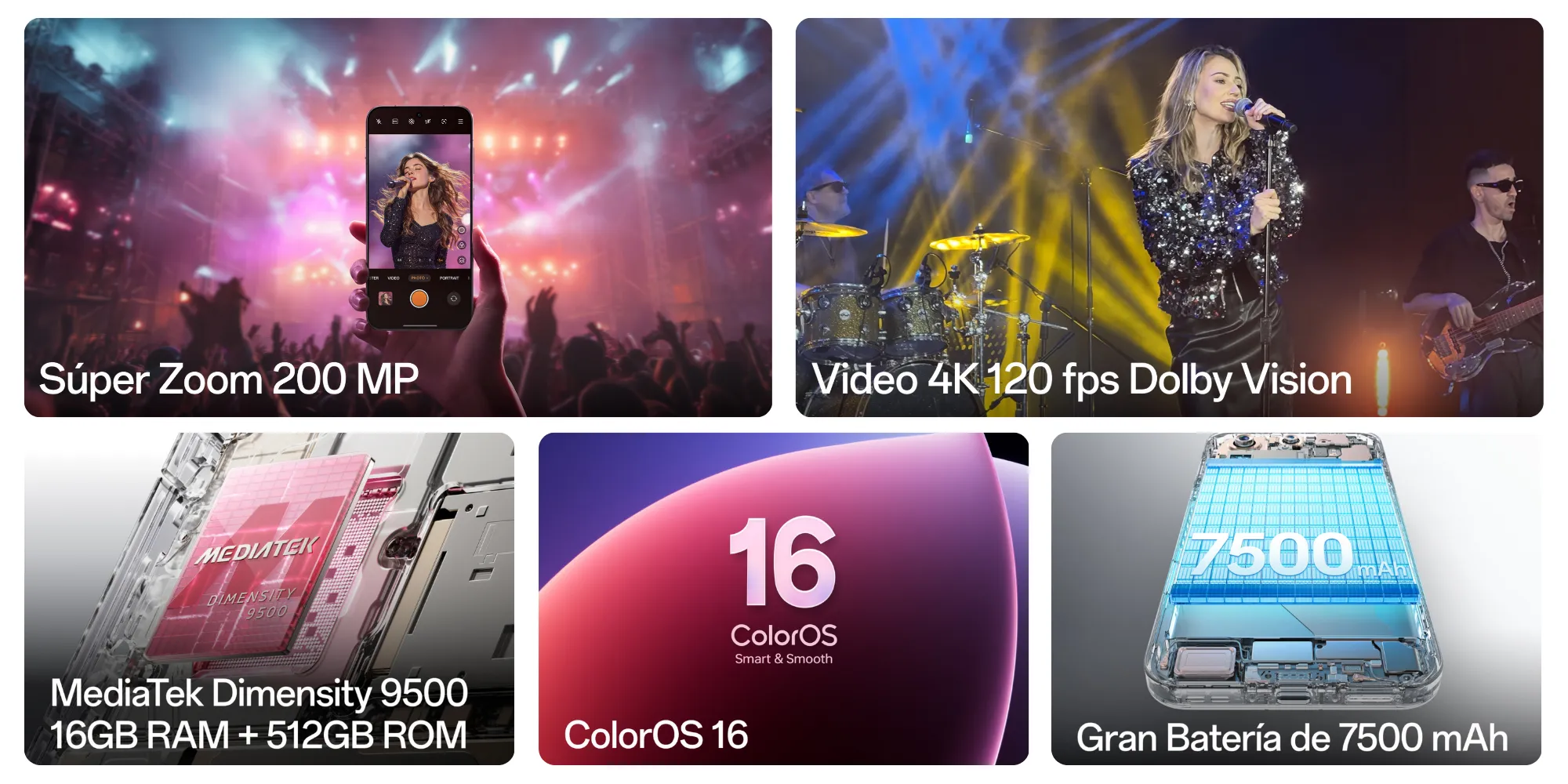
This is where the X9 Pro proudly holds its ground against anyone. Inside beats the latest MediaTek Dimensity 9500, manufactured on a 3-nanometer process.
For intensive productivity tasks or gaming with graphics maxed out, this chip performs more than 30% above the previous generation, optimizing power consumption thanks to OPPO’s Trinity Engine. It is paired with 12 GB or 16 GB LPDDR5X RAM configurations and ultra-fast UFS 4.0 storage of up to 1 TB.
As for biometrics, the ultrasonic under-display fingerprint reader is huge and unlocking is instant. OPPO also added the Bionic Haptic motor, delivering precise vibrations that make the system feel premium with every touch.
Battery: Battery life that makes no sense
Folks, this is absolutely wild and perhaps the device’s strongest selling point.
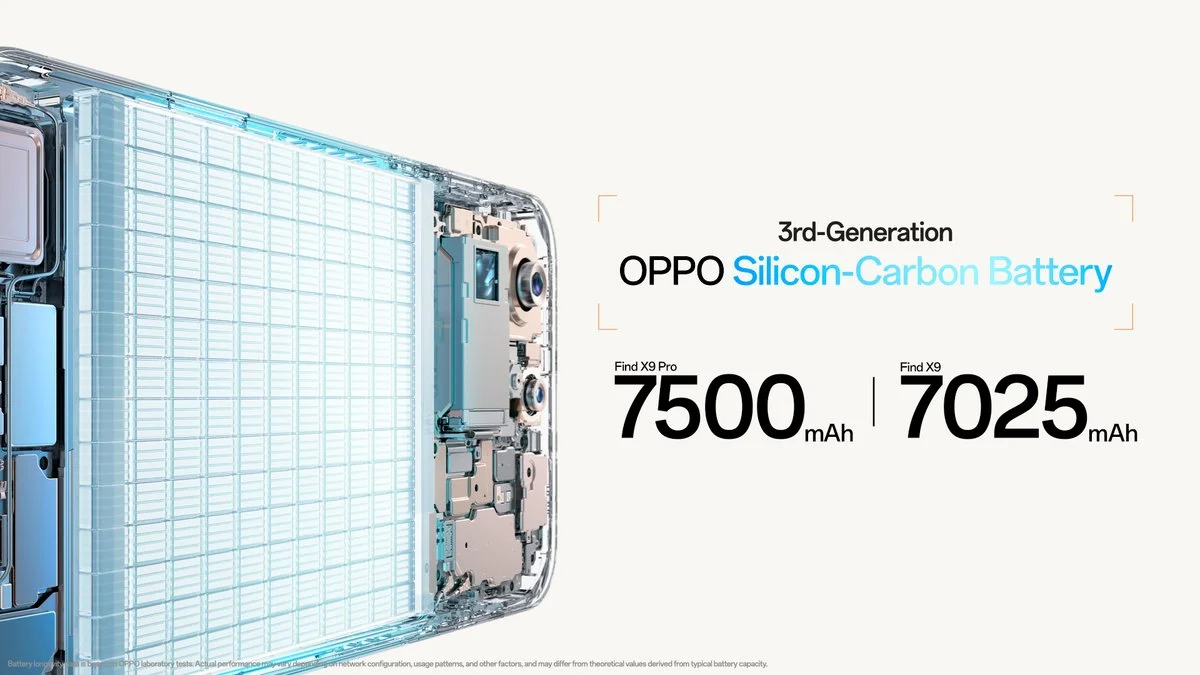
OPPO managed to fit a 7500 mAh battery (using third-generation silicon-carbon technology) inside the body of a traditional phone. You can record for hours in 4K, keep GPS running, consume multimedia, and the device will not ask you for an outlet until the next day. And when you do need it, 80W wired SUPERVOOC charging and 50W wireless AIRVOOC solve the problem in minutes. This is the battery-life king of 2026.
Hasselblad Master Camera System
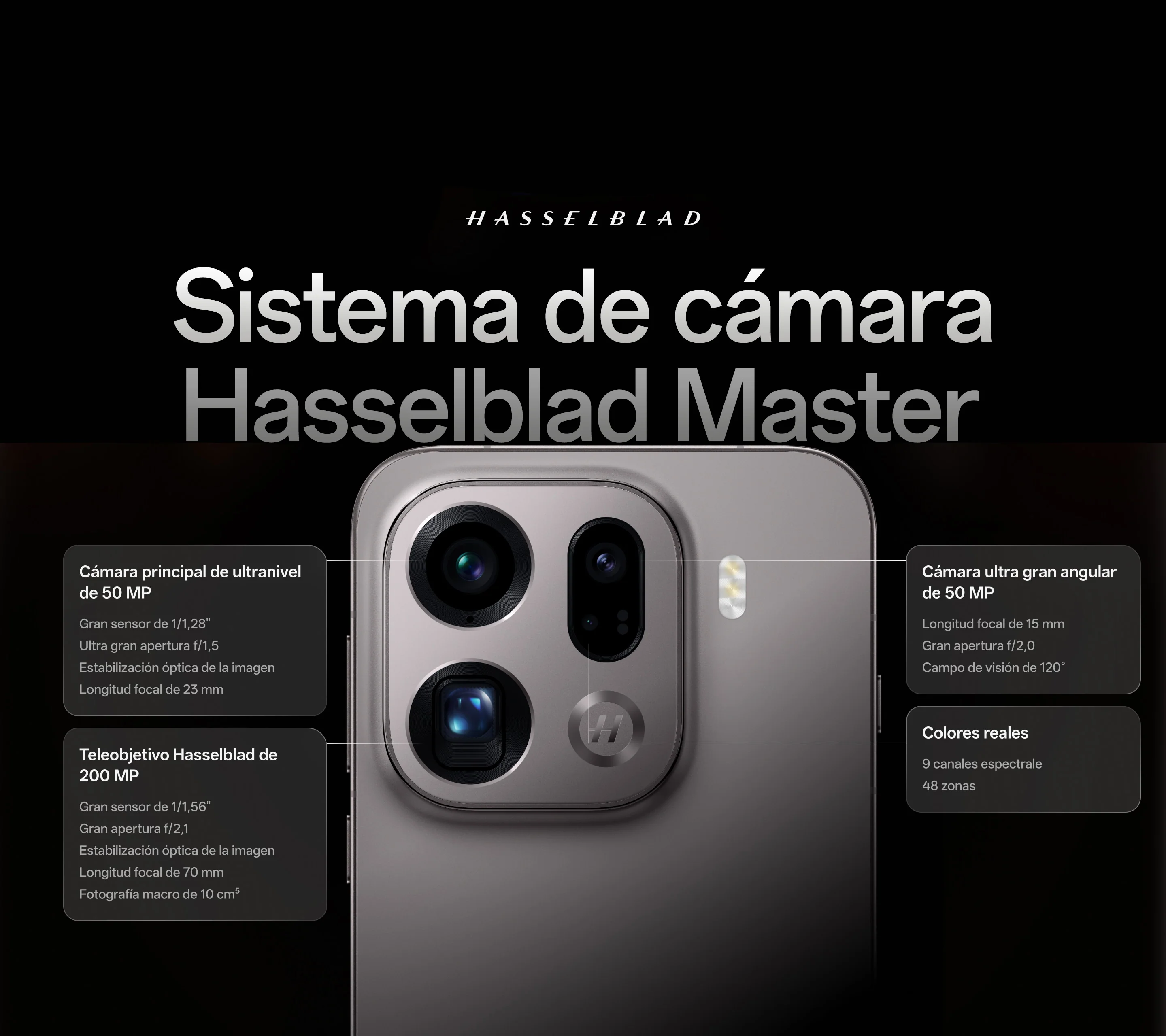
The rear module continues its successful partnership with Hasselblad and brings us spectacular hardware:
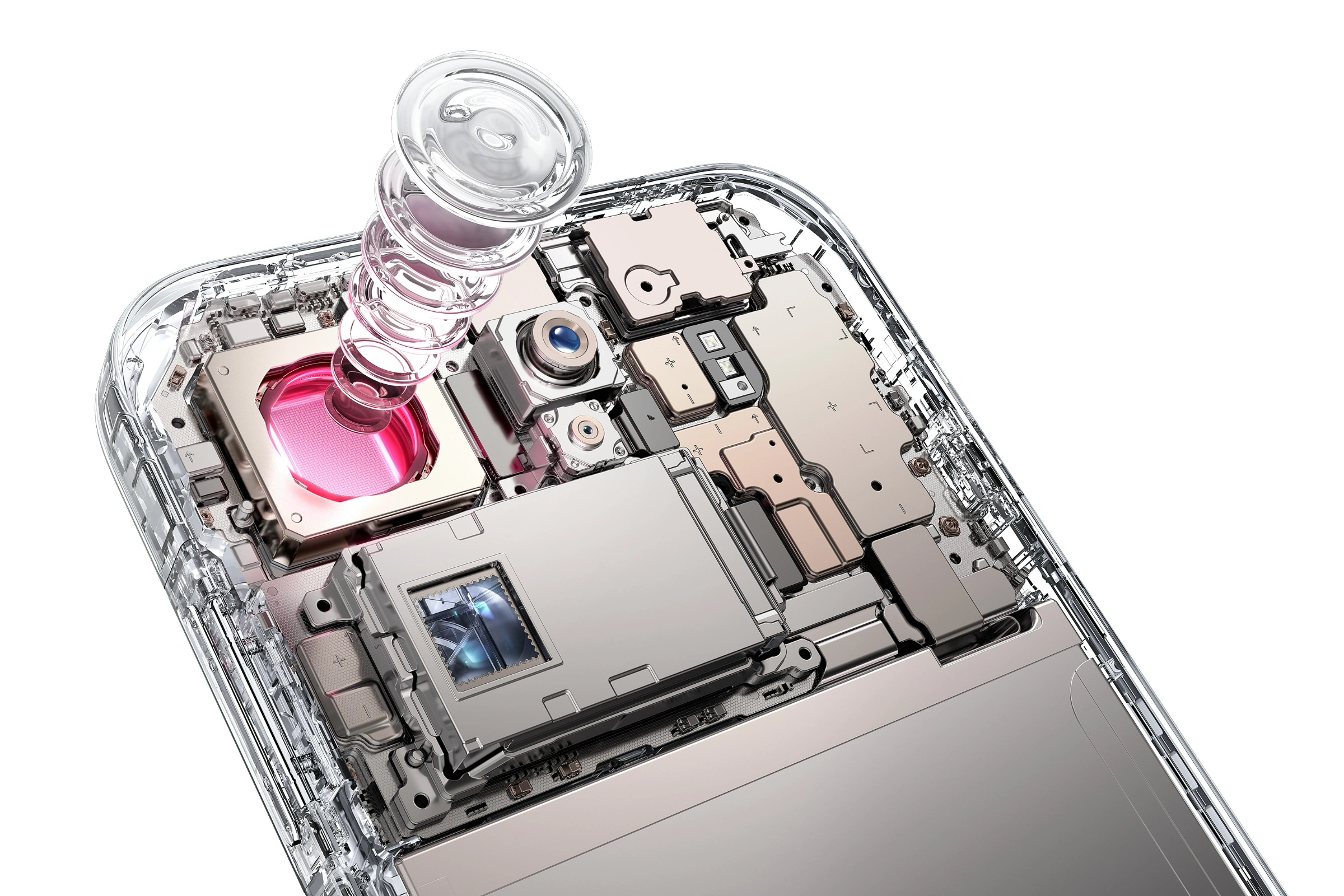
Main Lens: 50 MP (huge 1/1.28" sensor) with f/1.5 aperture and optical stabilization. Ultra-Wide: 50 MP with a wide 120° field of view. Periscope Telephoto: The real monster. A massive 200 MP sensor (1/1.56") with a 70mm-equivalent focal length, delivering incredible sharpness for digital crops or macro photography at 10 cm.
A new hardware feature designed for photographers is the Snap Key, a physical quick-action button on the side frame that lets you open the camera instantly, so you never miss that spontaneous shot. For video, OPPO’s spec sheet lists 4K at 30, 60, and 120 fps.
The Optical Teleconverter: Breaking the rules
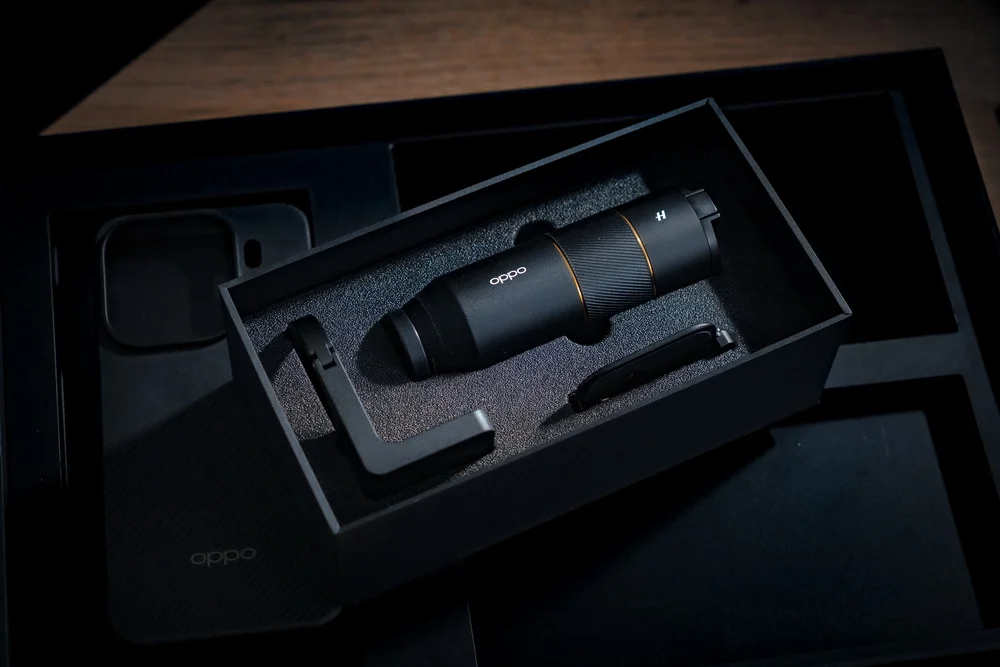
And we arrive at the accessory that justifies the hype. OPPO launched a spectacular kit: the Hasselblad 300mm Explorer Teleconverter.
It is a physical accessory made of precision-engineered metal and glass that anchors directly over the phone’s rear module using a special case.
By attaching this optical block over the brutal 200 MP telephoto camera, you get real optical zoom that is almost equivalent to 10x (300mm). You can shoot nature or street photography without relying on digital crops that destroy quality. It gives you the weight and tactile feel of using an analog camera. For content creators, this accessory is an absolute before-and-after moment.
Software: ColorOS 16
The device arrives with ColorOS 16 based on Android 16. It is a super-fluid system that integrates powerful tools such as latency-free Screen Mirroring and strong anti-theft security measures to lock the device in seconds.
Comparison: OPPO Find X9 Pro vs. the competition
To put into perspective where we stand, I put together this table comparing the Find X9 Pro against the two undisputed kings of today’s high end. Look at the brutal battery difference.
Verdict: Is it the best Android right now?
The OPPO Find X9 Pro is an imposing feat of engineering. That nearly inexhaustible 7500 mAh battery life, the power of the Dimensity 9500, and the monumental leap in photography thanks to the 200 MP telephoto sensor and the teleconverter place it in a privileged position. If your work, your life, or your passion revolves around generating top-tier content without being tied to a charger, the Find X9 Pro justifies every cent of its price.
OPPO Find X9 Pro
The balance point of the Find X9 series: a 7500 mAh battery, Dimensity 9500, and a Hasselblad system with a 200 MP telephoto lens, expandable with a 300 mm optical teleconverter that brings it closer to a dedicated camera.
Pros
- 7500 mAh battery, the longest battery life in the 2026 high-end segment.
- 200 MP telephoto lens with a 300 mm Hasselblad optical teleconverter, one of a kind.
- Dimensity 9500 with ~30% more performance than the previous generation.
- Flat 6.78″ display with 3600 nits and ultra-thin 1.15 mm bezels.
- IP69 durability, capable of withstanding high-pressure, high-temperature water jets.
Cons
- Video limited to 4K 60 fps, with no 4K 120 fps despite the hardware.
- 224 g weight, a consequence of the giant battery.
- The 300 mm teleconverter is a separate accessory and is not included.
Author
Alexis PaezInformación basada en especificaciones oficiales de OPPO. El autor no tuvo acceso físico al producto para este reporte.
Comments
Share article
You might also like
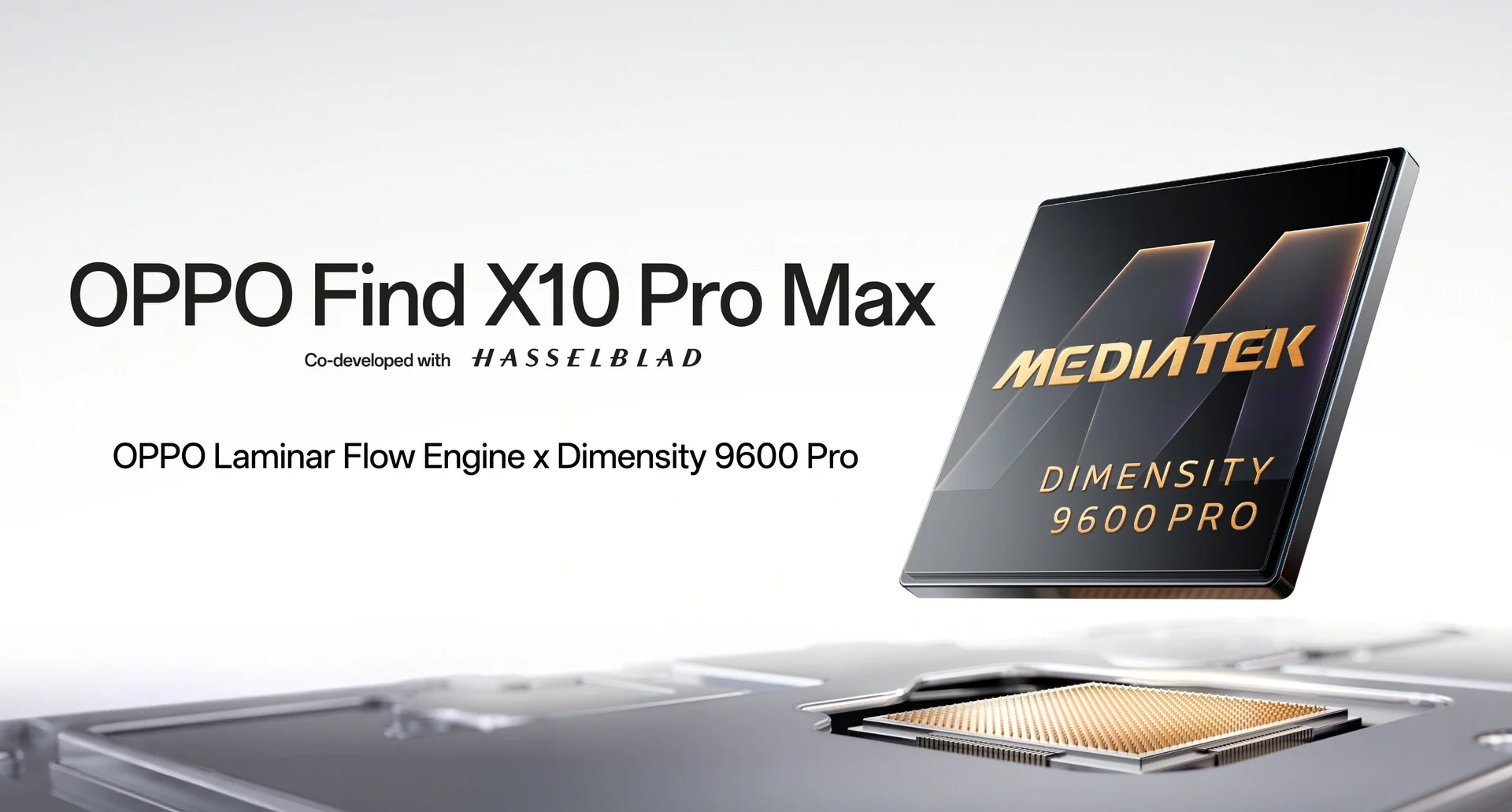
OPPO Find X10 Pro Max: one of the first with Dimensity 9600 Pro and a global release
OPPO confirmed that the Find X10 Pro Max uses the Dimensity 9600 Pro, MediaTek's first 2 nm chip, and is headed to global markets. What changes, which chip the base Find X10 uses, and when it arrives.

Vivo X300 Ultra: the most ambitious camera phone of 2026 goes global with interchangeable ZEISS lenses
Vivo launches the X300 Ultra globally with triple ZEISS prime lenses, a 400mm teleconverter, and 4K 120fps video across all three cameras. Full review.

Pixel 11 Pro XL, Galaxy S26 Ultra, and iPhone 17 Pro Max: the three have converged, and something else decides the winner
All three come with 12 GB of RAM, a vapor chamber, and 5,000 mAh. We compare zoom, charging, and display—and why timing in the sales cycle matters more than the spec sheet.

Nothing Phone (4a) Pro: 3.5x periscope and aluminum for USD 499, with three caveats
Review of the Nothing Phone (4a) Pro: 3.5x periscope, aluminum unibody, and 144 Hz for USD 499. What it gains, what it gives up, and who it competes against.