The 2027 Apple Watch could get the biggest redesign in its history and make your bands obsolete

Index
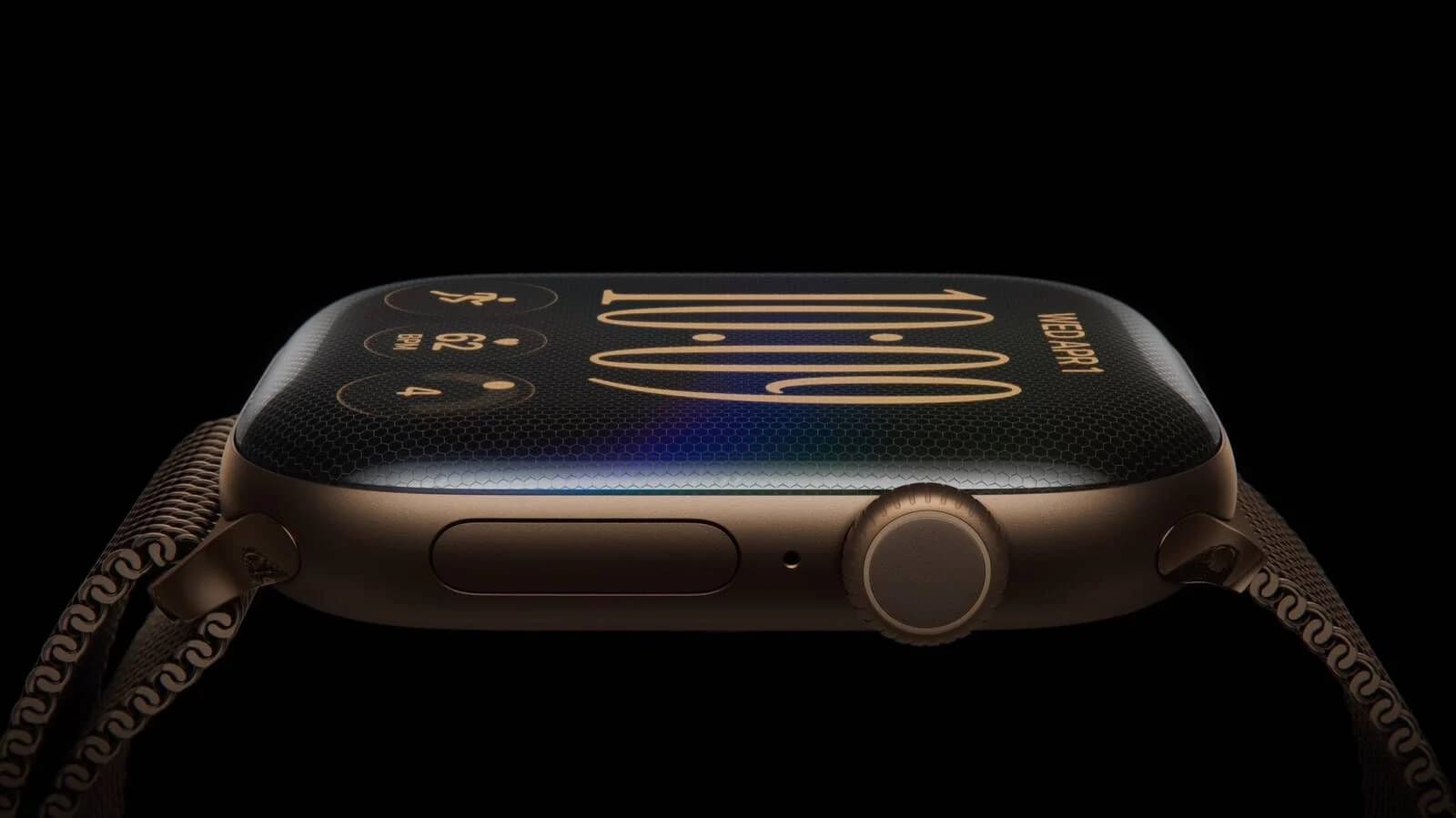
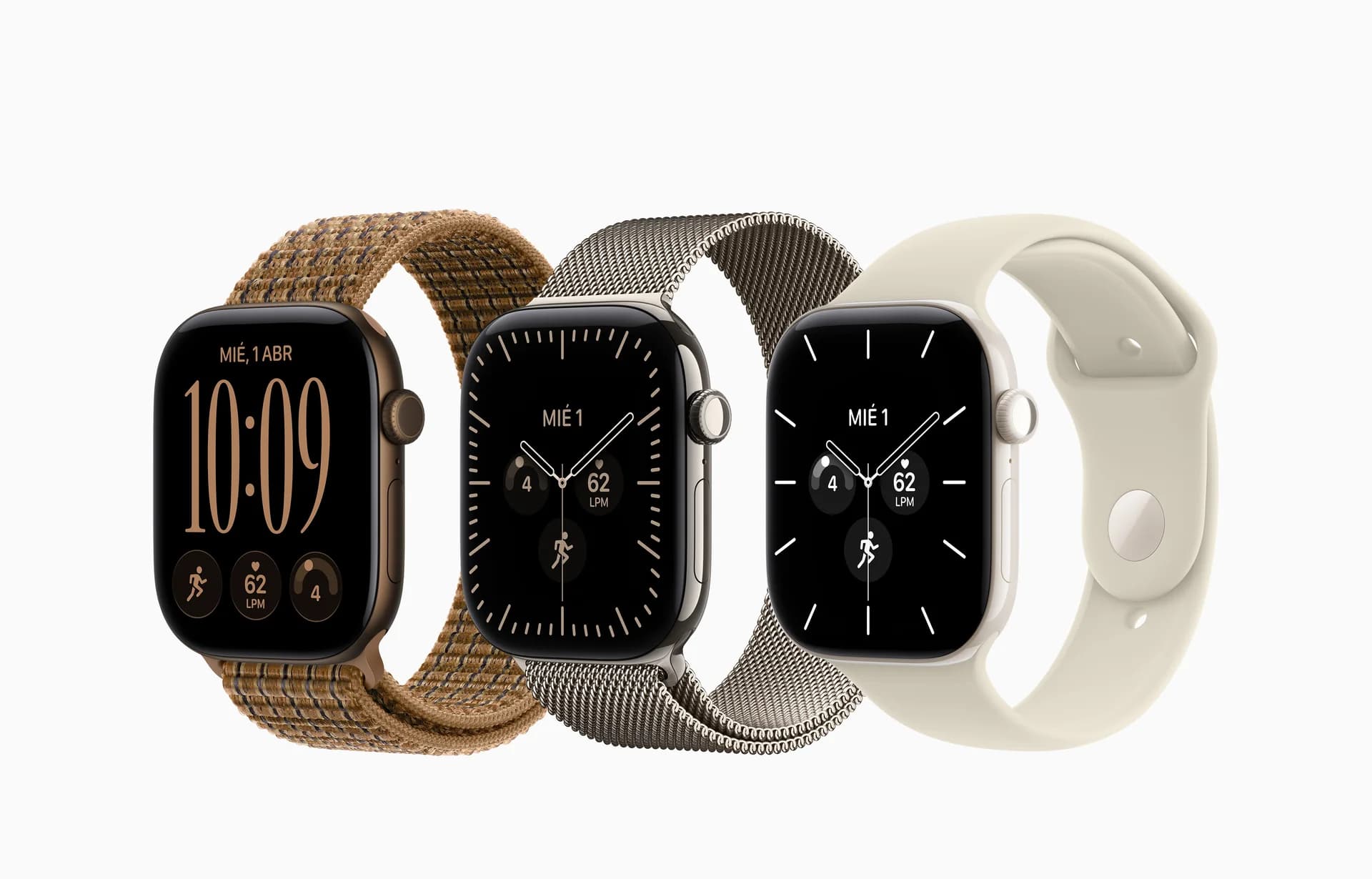
The Apple Watch could debut in 2027 with its most significant design change since it first hit the market. According to Weibo leaker Instant Digital, that model would change how bands attach and break compatibility with all current bands for the first time since 2015. It is a big claim, but it is worth dialing down the hype: this is not new information, but a rumor that has been circulating since 2023, and it does not point to September’s Apple Watch but to the one expected a year later.
The Instant Digital rumor
Instant Digital wrote on Weibo that the next major redesign of the watch —the first in three years— would change the way bands connect. The key point is that the new mechanism would leave today’s bands behind. That is why the leaker added a piece of advice for anyone thinking about buying an Apple Watch in 2027: do not stockpile bands in the meantime, because a redesigned body could make them incompatible. The change would not affect the Ultra line, but rather the Series model.
The Apple Watch X that never arrived
None of this is new. The origin is an August 2023 report by Mark Gurman at Bloomberg. Gurman described an "Apple Watch X" intended for the watch’s tenth anniversary, with a package Apple usually spreads across two or three generations: a magnetic band system, a thinner case, a microLED display, and blood pressure measurement. His sources were people involved in development, who told him the current band mechanism takes up internal space that could be used for a larger battery or other components.
That Apple Watch X never appeared. In 2024, Apple launched the Series 10: thinner and with a better display, but with the same band system and internal specs very similar to the Series 9. microLED was ultimately canceled for the watch —Apple shifted those resources to the iPhone— and for 2027 there is now talk of a next-generation OLED backplane. What survived, according to these rumors, is the structural part: new bands and more room inside.
Why change the bands
The technical reason is straightforward. The current system —a band that slides in and locks with a release button— requires rails and hardware inside the case. That volume could go to the battery, where the standard Apple Watch lags behind competitors that already offer several days of battery life, or to more sensors: DigiTimes reported that at least one high-end model, almost certainly the Ultra, would add eight sensors arranged in a ring on the back.
The cost of that change is losing something few products offer. A band bought in 2015 fits an Apple Watch from 2025, and that cross-generation compatibility is one of the watch’s best quiet strengths. That is exactly what a new mechanism would put at risk, and it is not a minor detail for anyone who has built up a collection of bands over the years.
The concerns around a magnetic system
A magnetic system raises questions the rumor does not answer. The first is retention force: a magnet soft enough to make the band easy to put on and remove could also allow the watch to be pulled off with a yank, which is far from ideal for a device worn in plain sight. The second is fit during exercise, because heart rate and SpO2 sensors depend on firm contact with the skin, and a band that cannot be tightened properly degrades those measurements exactly when they matter most.
Add to that water resistance, which any new mechanism must preserve so the watch can still be used for swimming, and the weight of the magnets needed for a reliable hold, which works against a thinner case. None of these problems is impossible to solve, but they help explain why Apple kept the same system for a decade despite having the magnetic alternative on the table.
How credible it is
The rumor should be taken with caution. Instant Digital is a Weibo leaker with a mixed track record and, in this case, did not provide new data: he reworked his own 2023 post and Gurman’s report, without corroboration from other sources. The timeline has also shifted, because he previously placed the redesign in 2028 and now moves it up to 2027. Apple is also known for planting false information to detect leaks, so any detail about unannounced designs calls for extra caution.
What gives it a baseline of plausibility is the pattern. The Apple Watch has changed design every three generations —Series 1 to 3, Series 4 to 6, Series 7 to 9, and the Series 10— so a 2027 redesign with the Series 13 would land right where expected. Before that, there are two stops: the Apple Watch Series 12, expected in September, would keep the Series 10 and 11 design in an incremental update; and the Apple Watch Ultra 4 would be the first to debut design changes and new sensors, ahead of the Series line.
Conclusion
If you are about to buy an Apple Watch now or are looking at September’s Series 12, there is no reason to wait: the current design is good and remains relevant for at least one more cycle. The only person who should tread carefully is someone who collects expensive bands and plans to jump to the 2027 model; in that case, it is wise not to overspend on accessories that could be left behind.
For everyone else, the real question is not whether this will be "the biggest redesign in Apple Watch history" —a label applied by leakers, not Apple— but whether Apple can break a decade of band compatibility while also delivering a magnetic system that does not sacrifice retention or durability. That is the real test, and there is still not enough evidence to call it passed.
Author
Alexis Paez