Apple raised prices on 14 products amid the AI memory crisis

Index
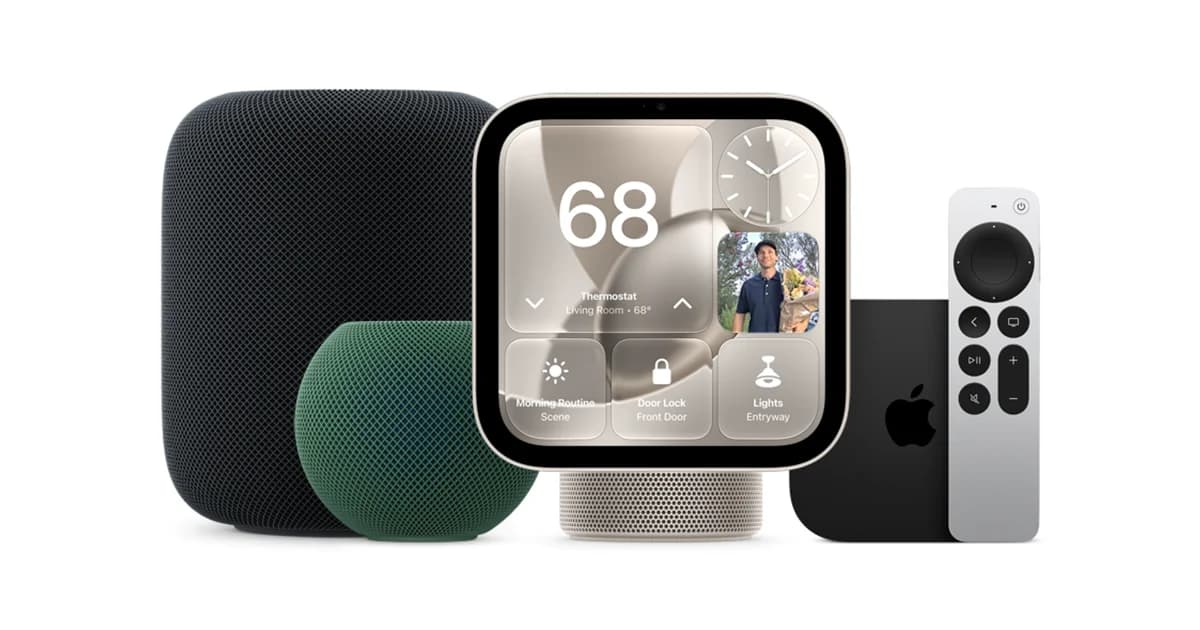
On June 25, Apple raised prices on 14 of its products: all Macs and iPads, plus the Apple TV, HomePod, HomePod mini, and Vision Pro. The increases range from $30 to $1,300 depending on the device, apply globally, and for now leave out the iPhone, Apple Watch, and AirPods.
The reason is not margin or a redesign: it is the shortage of memory and storage triggered by the artificial intelligence boom. And the market reacted the same day, with Apple stock posting its worst drop in more than a year.
Why prices went up
The explosion of AI data centers drove demand for two components found in almost everything you buy: RAM memory (DRAM) and solid-state storage (NAND, the silicon used in SSDs). When cloud giants buy that silicon by the truckload to train and serve models, less is left for the rest of the industry and prices surge. DRAM contract prices nearly doubled in the first quarter, the largest jump on record according to TrendForce, and manufacturers such as Samsung and SK Hynix redirected production toward AI.
Apple explained it in a statement: it says it had never seen a component rise so much and so quickly, that it had been absorbing the hit to avoid passing it on to customers, and that it reached a point where it had to start raising prices across several products. Tim Cook had already hinted at it, describing the shortage as "a once-in-a-century flood."
The key point that puts everything in perspective: Apple has historically absorbed these cost swings instead of passing them on to customers. Passing them through is a break from its playbook. And it is not alone: Microsoft, Samsung, Dell, HP, and Lenovo have also raised prices. Memory is a commodity shared across the entire industry, and when it is scarce, everyone pays. Micron, one of the major suppliers, expects the shortage to extend into 2027.
Apple stock fell 6%
The market reaction was immediate. The stock closed at $275.15, down 6.12%, its worst day since April 2025, with trading volume 119% above average.
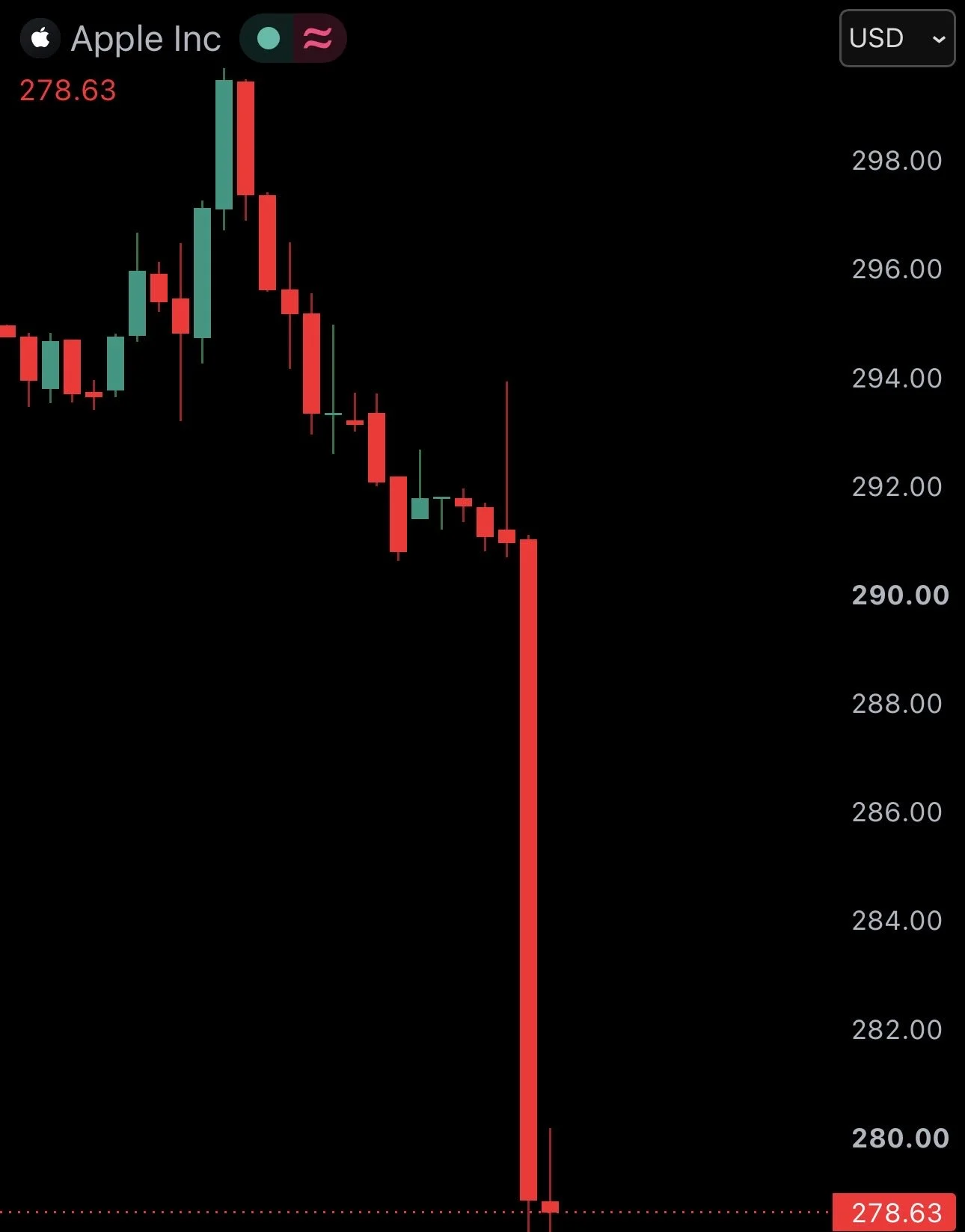
That said, it is worth reading the move carefully, because it was not a single-cause drop. The announcement coincided with other open fronts —lower margin guidance for the quarter, stock sales by the company’s own executives totaling more than $110 million over three months, and a class-action lawsuit in the United Kingdom over iCloud pricing— all on a day when the same memory crisis, reinforced by Micron’s record earnings, punished the entire hardware sector. The stock fell after the announcement, but not for just one reason.
The underlying issue matters more than the day’s number. This is the first time the cost of the AI boom has shown up so clearly on the price tag of a consumer product, and because the shortage is structural —analysts see it weighing on margins until 2027 or 2028— it is not a one-week bump. Apple left two contradictory clues: it said it is "starting" to raise prices, which opens the door to more increases, but it also said it is working to find solutions, which leaves open the possibility of decreases. The real question is whether these prices come back down when memory normalizes or whether they become the new floor. And the test comes in September: whether the iPhone, which was spared this time, also ends up going up.
All the new prices
The increases are already in effect in Apple’s store globally, in U.S. dollars. Here is what changed, device by device; the iPhone, Apple Watch, and AirPods remain unchanged.
MacBook prices
The entry-level MacBook Neo is no longer the $599 bargain it launched as: the entire laptop lineup has gone up.
- MacBook Neo: $699 (Original price: $599)
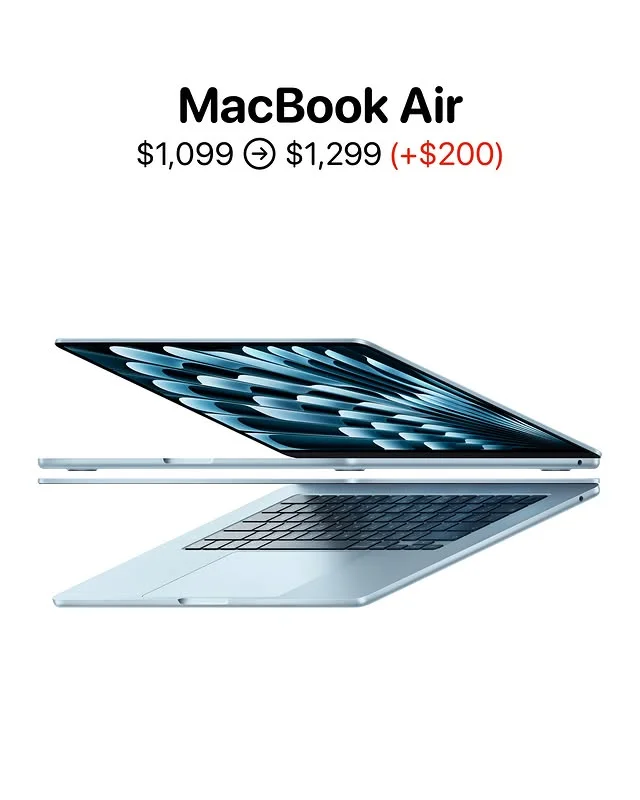
- 13-inch MacBook Air: $1,299 (Original price: $1,099)
- 15-inch MacBook Air: $1,499 (Original price: $1,299)
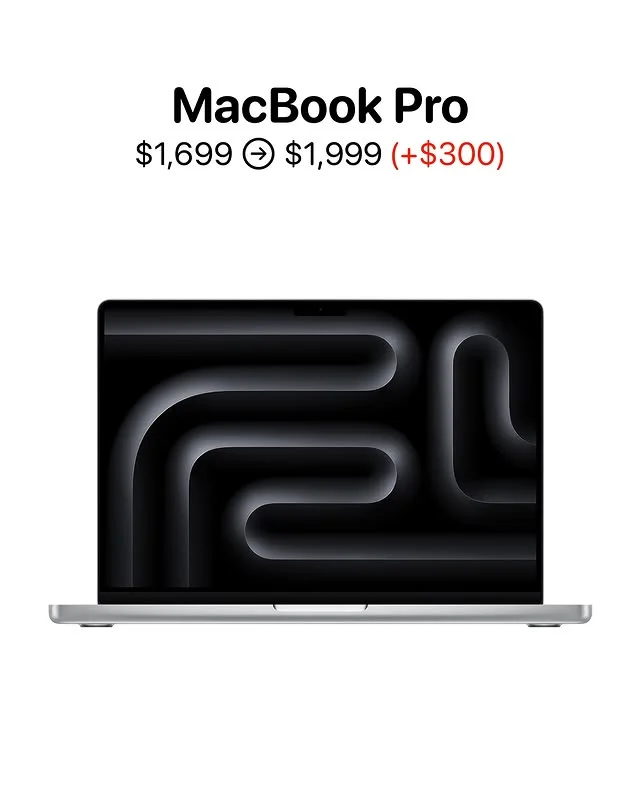
- 14-inch MacBook Pro: $1,999 (Original price: $1,699)
- 16-inch MacBook Pro: $2,999 (Original price: $2,699)
Desktop Mac prices
Desktops saw the biggest jumps, led by the top-end Mac Studio.
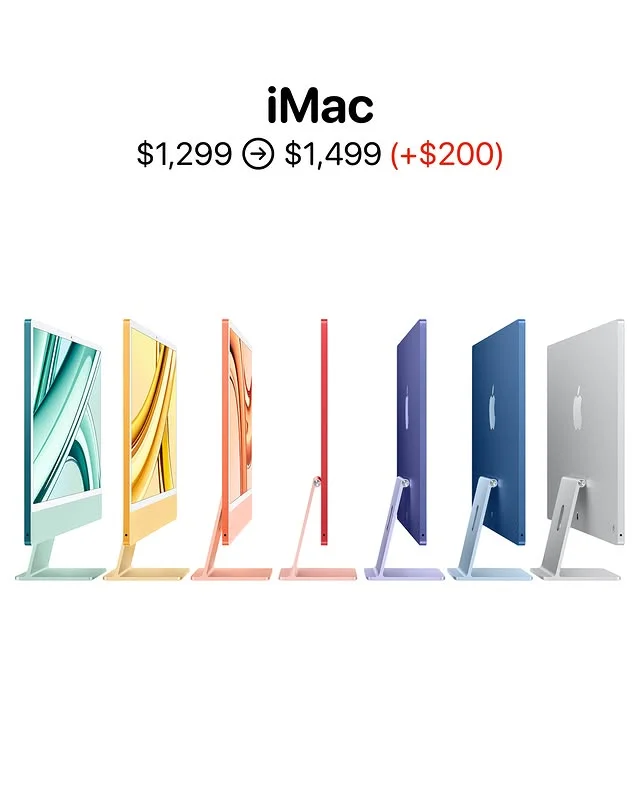
- iMac: $1,499 (Original price: $1,299)
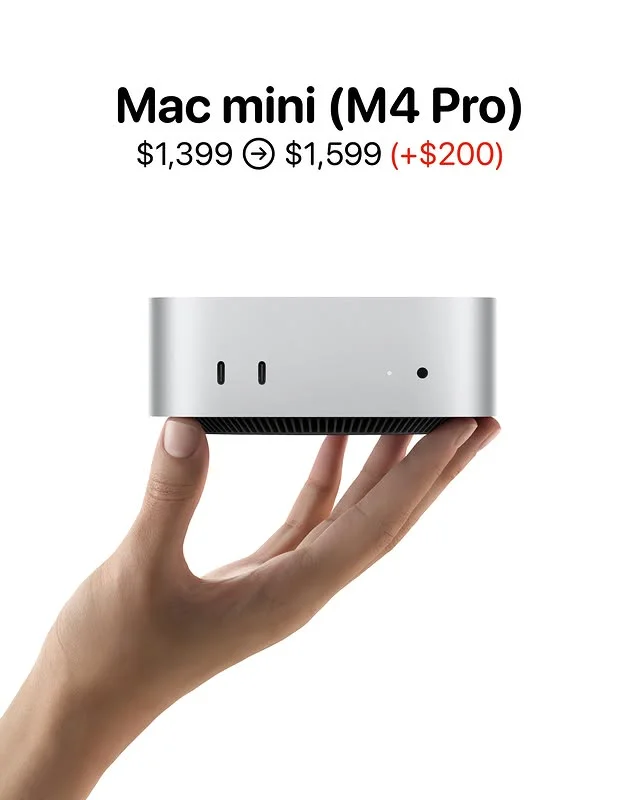
- Mac mini (M4 Pro): $1,599 (Original price: $1,399)
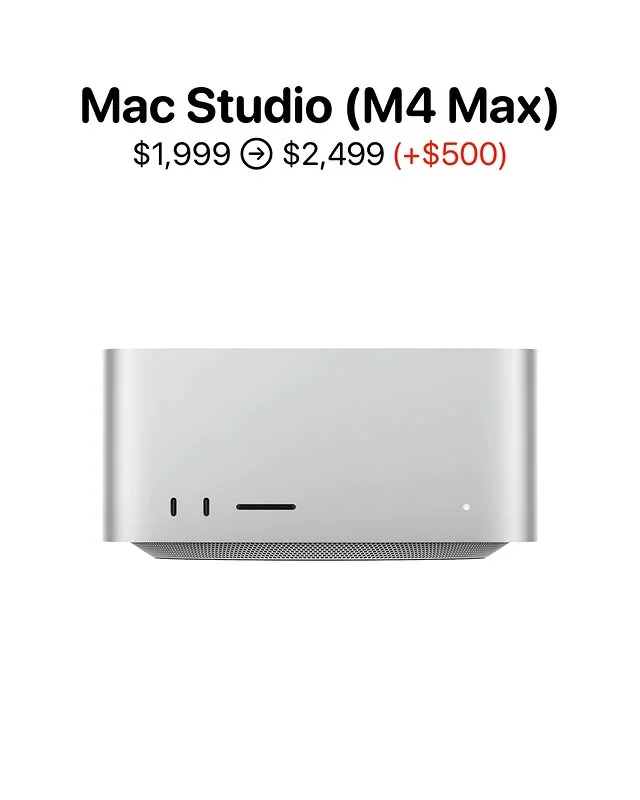
- Mac Studio (M4 Max): $2,499 (Original price: $1,999)
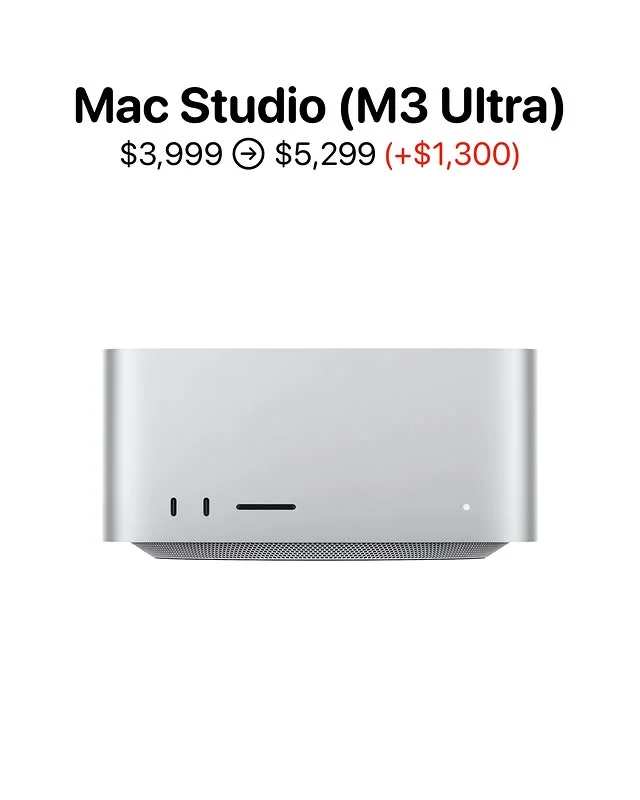
- Mac Studio (M3 Ultra): $5,299 (Original price: $3,999)
iPad prices
Apple’s cheapest tablet now starts at $449, with the rest of the lineup moving up as well.
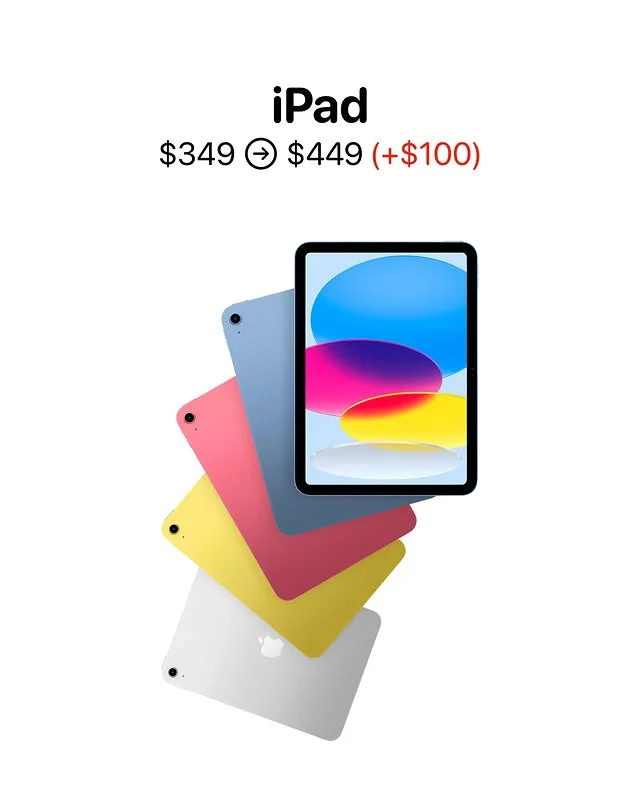
- iPad: $449 (Original price: $349)
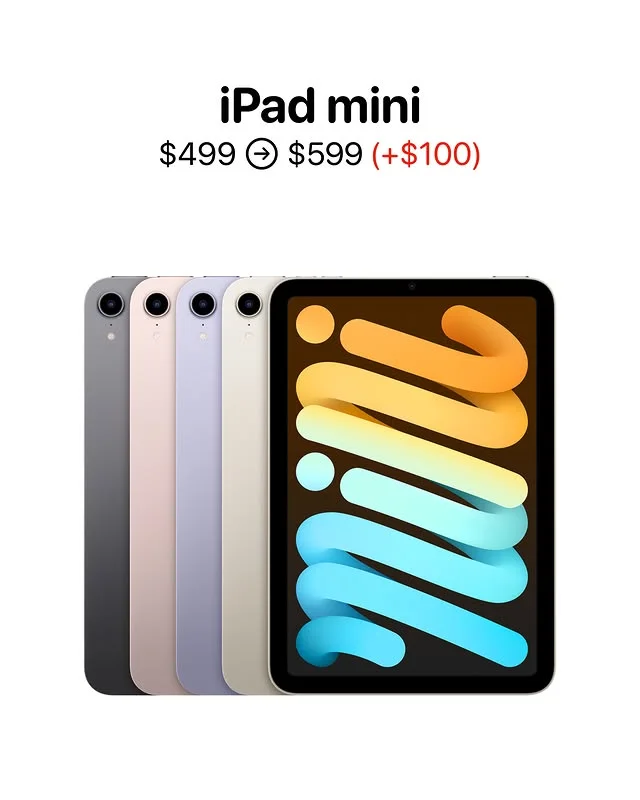
- iPad mini: $599 (Original price: $499)
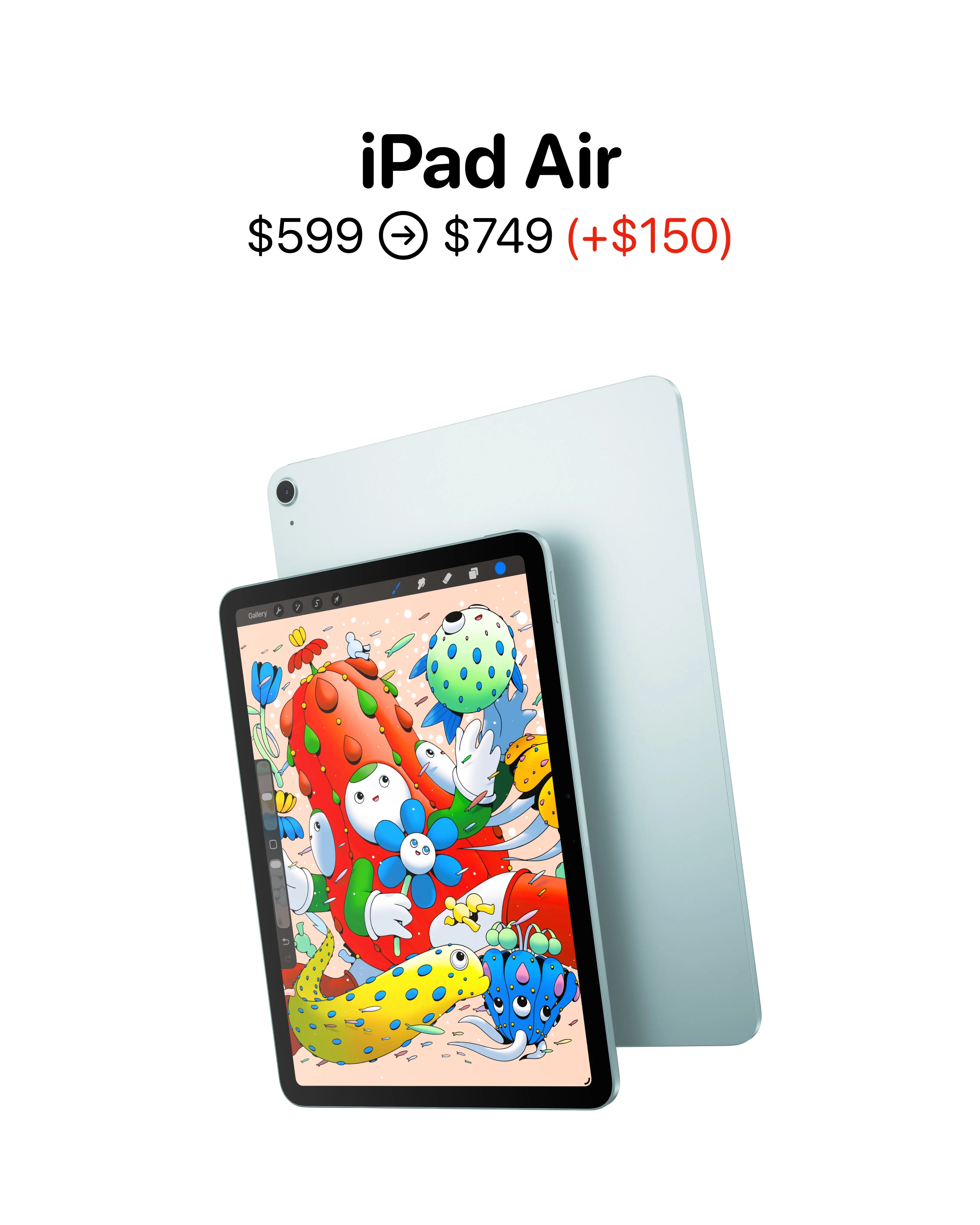
- 11-inch iPad Air: $749 (Original price: $599)
- 13-inch iPad Air: $949 (Original price: $799)
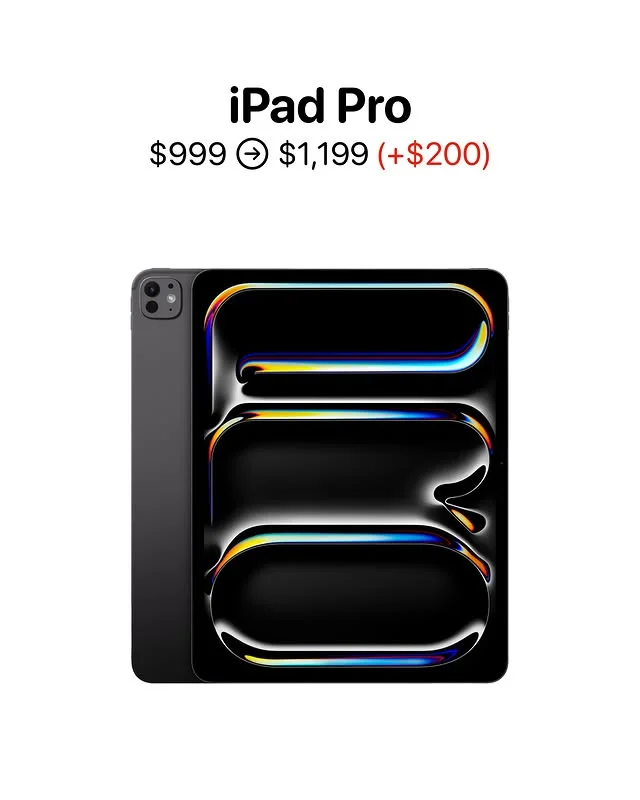
- 11-inch iPad Pro: $1,199 (Original price: $999)
Apple TV, HomePod, and Vision Pro prices
The home and mixed-reality products are also paying the adjustment.
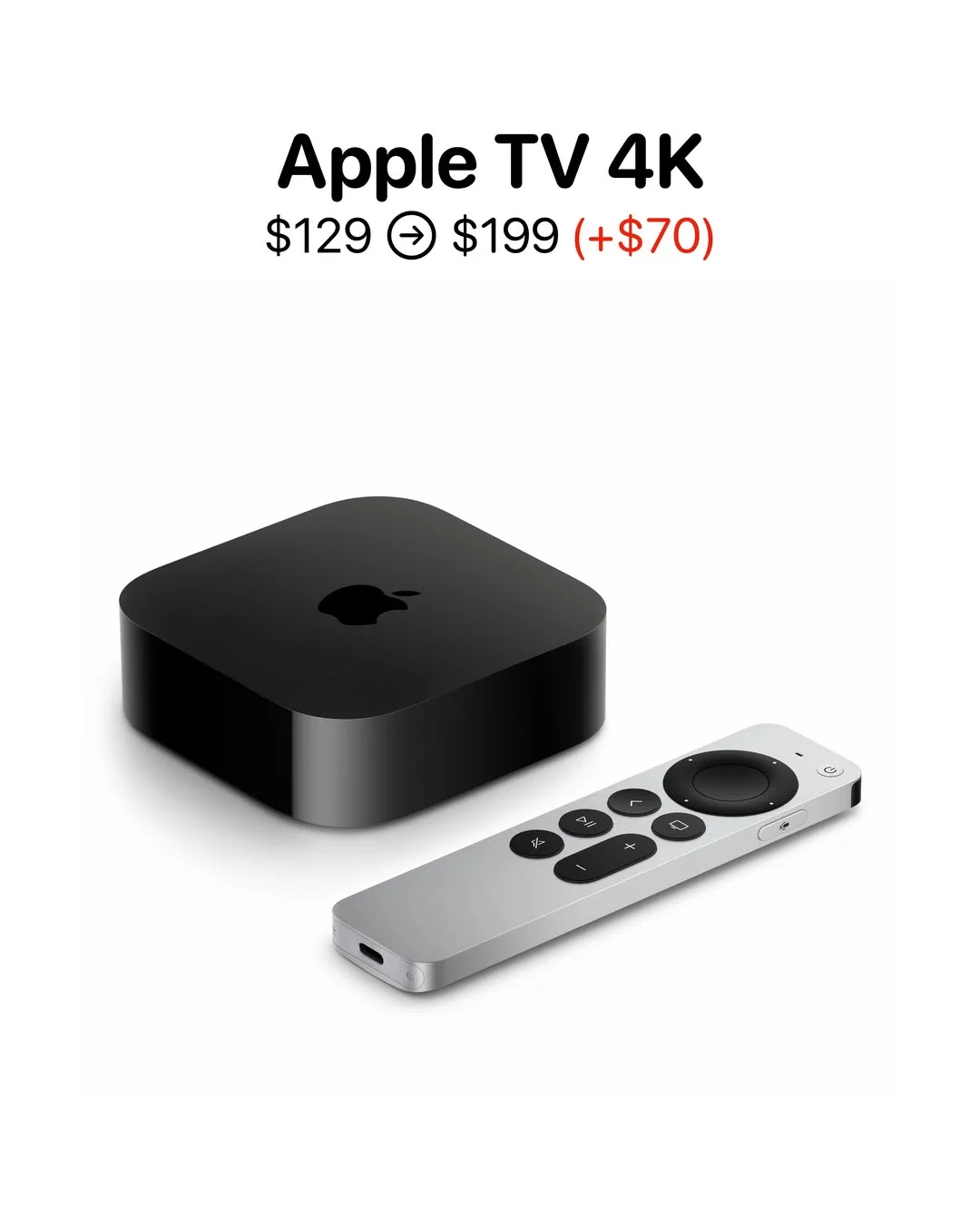
- Apple TV 4K: $199 (Original price: $129)
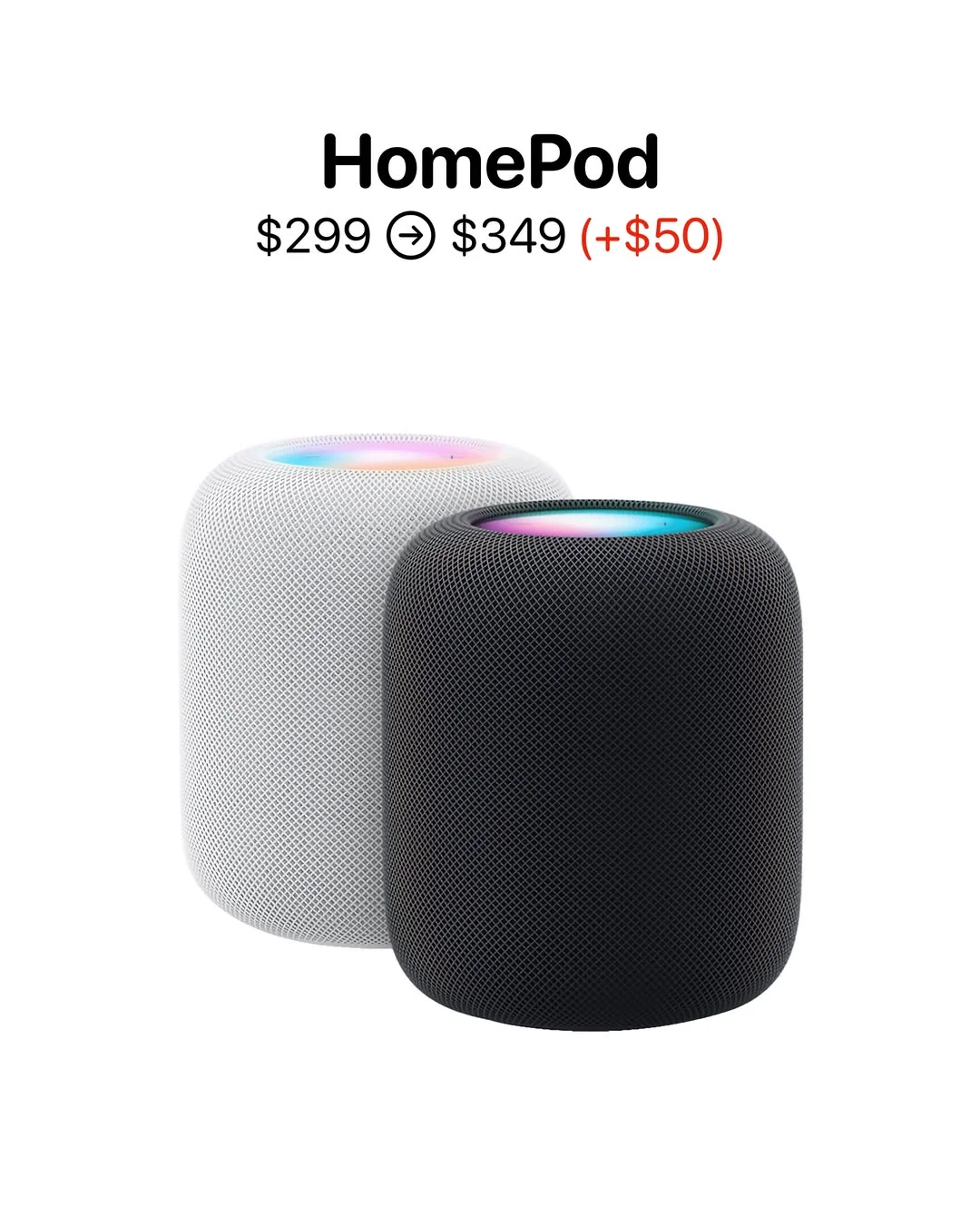
- HomePod: $349 (Original price: $299)
- HomePod mini: $129 (Original price: $99)
- Apple Vision Pro: $3,699 (Original price: $3,499)
The increase, product by product
These comparison cards show the previous and new price of each product, one by one.



Author
Alexis Paez