Huawei MatePad Pro Max: hardware that beats the iPad Pro, held back by HarmonyOS

Index
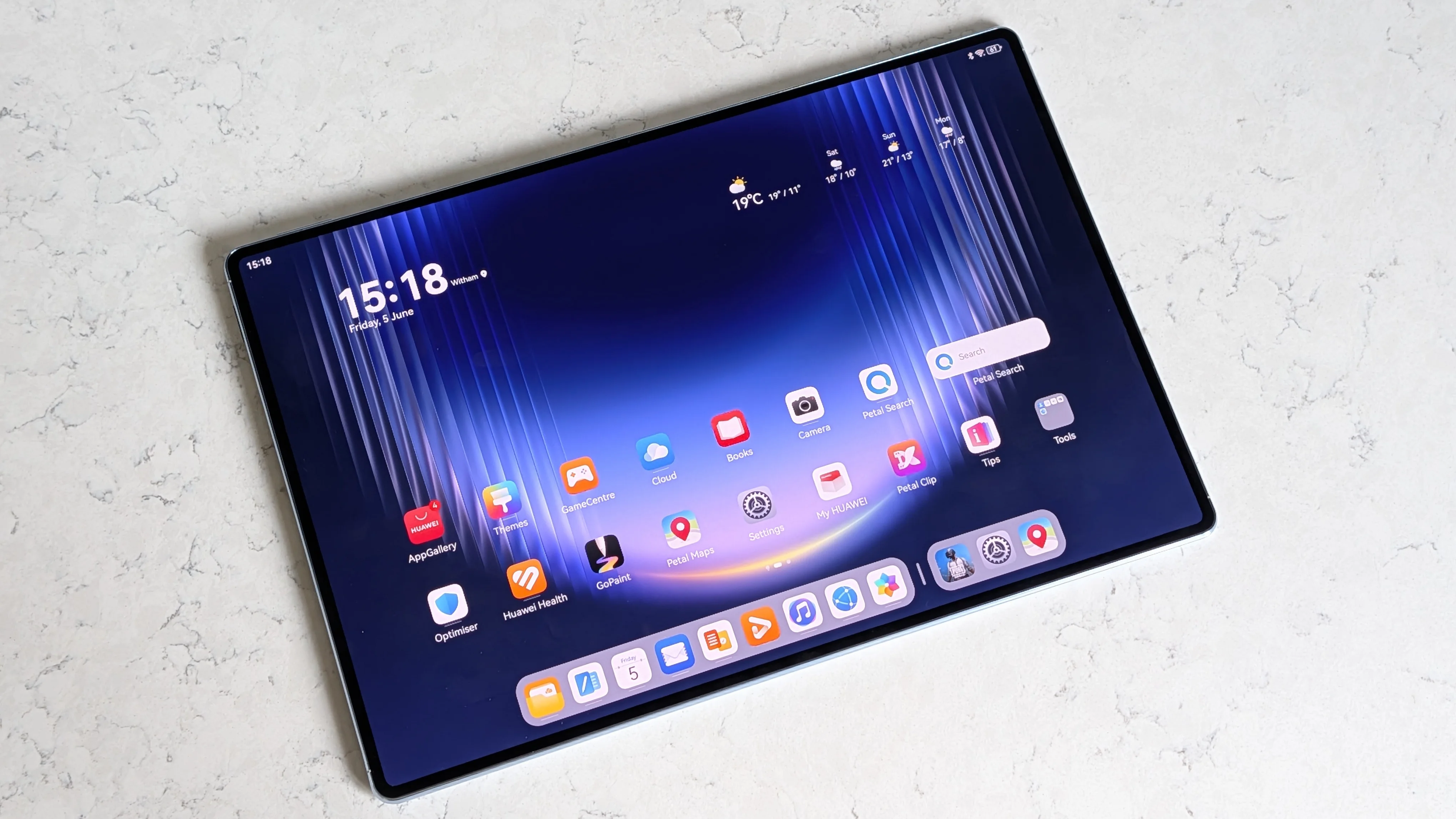
The Huawei MatePad Pro Max is the world's thinnest and lightest 13-inch tablet: 4.7 mm thick and 499 grams, with a 144 Hz OLED PaperMatte display and a reinforced metal build. It costs less than the iPad Pro and the Galaxy Tab S11 Ultra, and in several markets it comes with a keyboard included. The hardware is, without exaggeration, the best of any 2026 tablet. The problem is that it runs HarmonyOS without Google services, and its app store does not have most of the apps you use every day.
What it is and who it is for
The MatePad Pro line is Huawei's bet on the premium work tablet segment, the one that competes with the iPad Pro and the Galaxy Tab S11 Ultra. The Max is the top of that line: a 13.2-inch display, metal body, and a clear focus on productivity rather than content consumption.
It is designed for anyone who wants a large tablet for writing, drawing, taking notes, and working with a keyboard, and who values first-class hardware. It is light and thin, the kind of device that fits into any backpack and can be pulled out anywhere.

The question that defines everything is whether Huawei's software lets you do all of that with the apps you need.
Design: the world's thinnest 13"
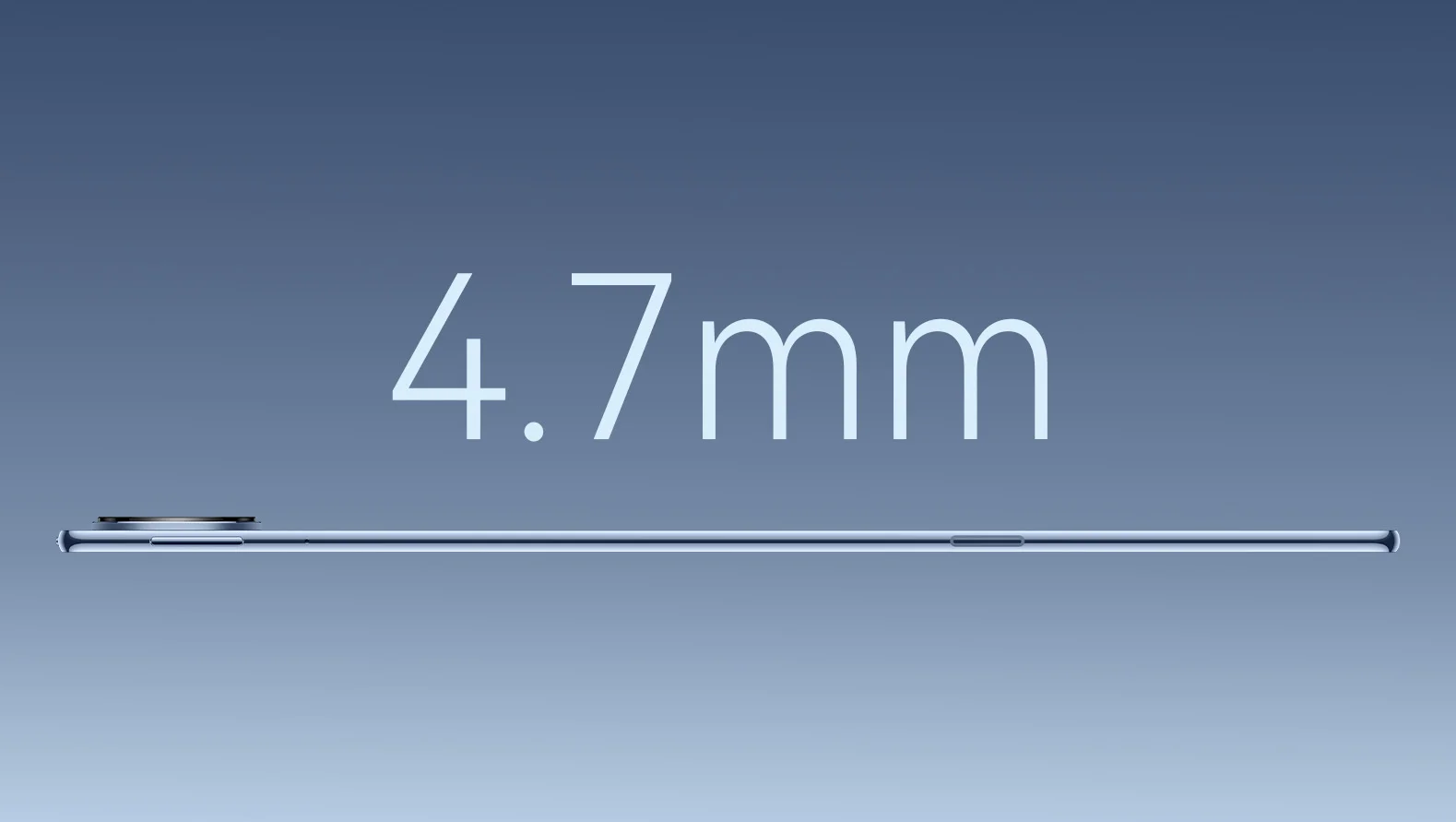
The number Huawei wants you to remember is 4.7 mm. At that thickness, the MatePad Pro Max is the world's thinnest tablet at 13 inches or larger, below the 5.1 mm of the iPad Pro and the Galaxy Tab S11 Ultra. It weighs 499 grams, 509 in the PaperMatte version, so a screen this size can be held in one hand without feeling like a brick. The body is a metal unibody, and the blue version adds a rear panel with a luminous finish.
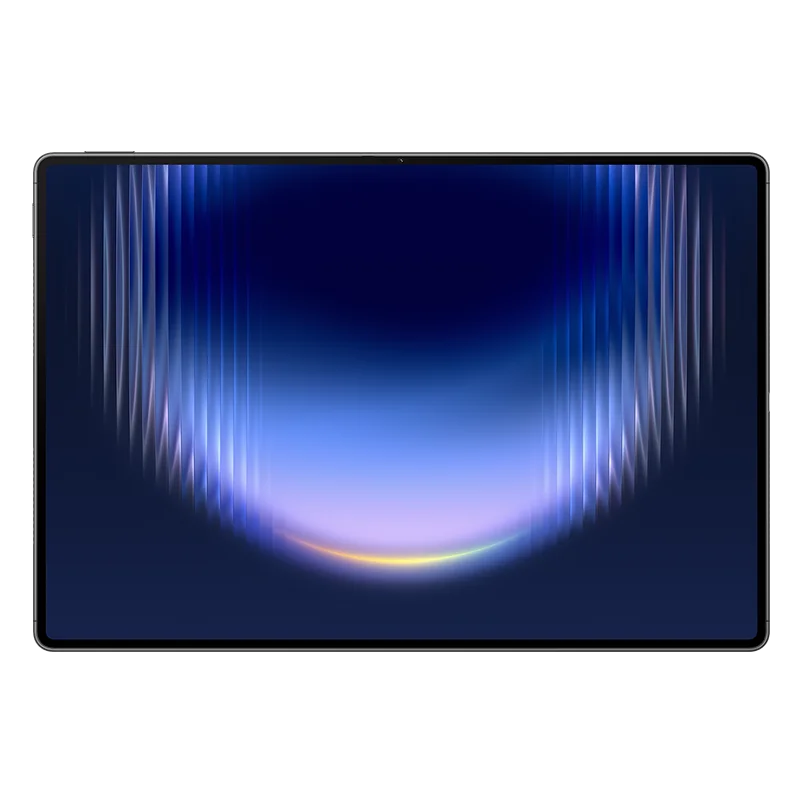
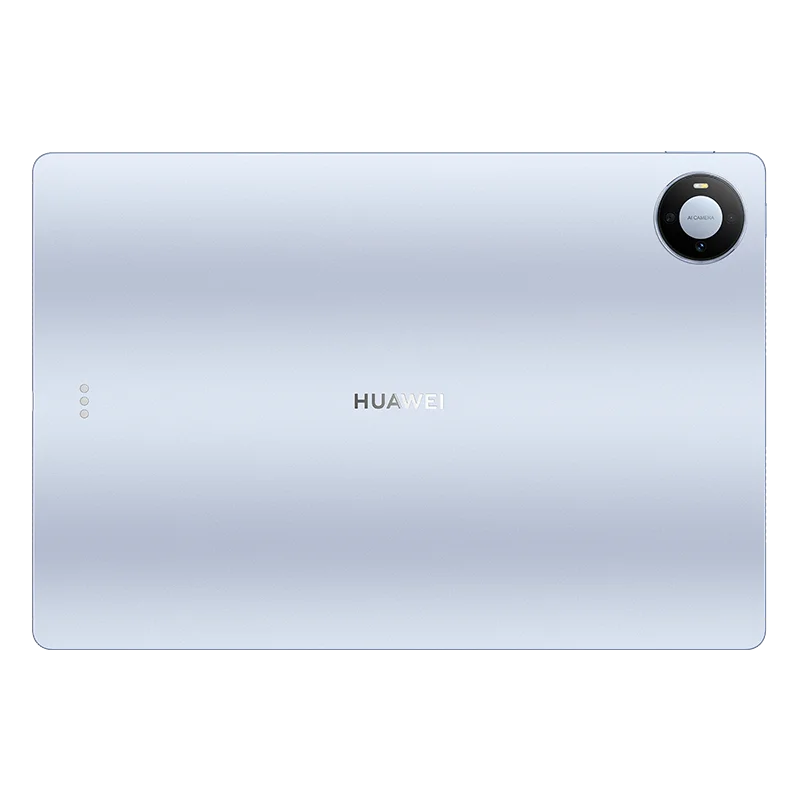
From the front, the 3.55 mm bezels leave almost the entire panel visible. On the back, there is a 50 MP camera in a circular module and the Huawei logo centered.
Build and durability
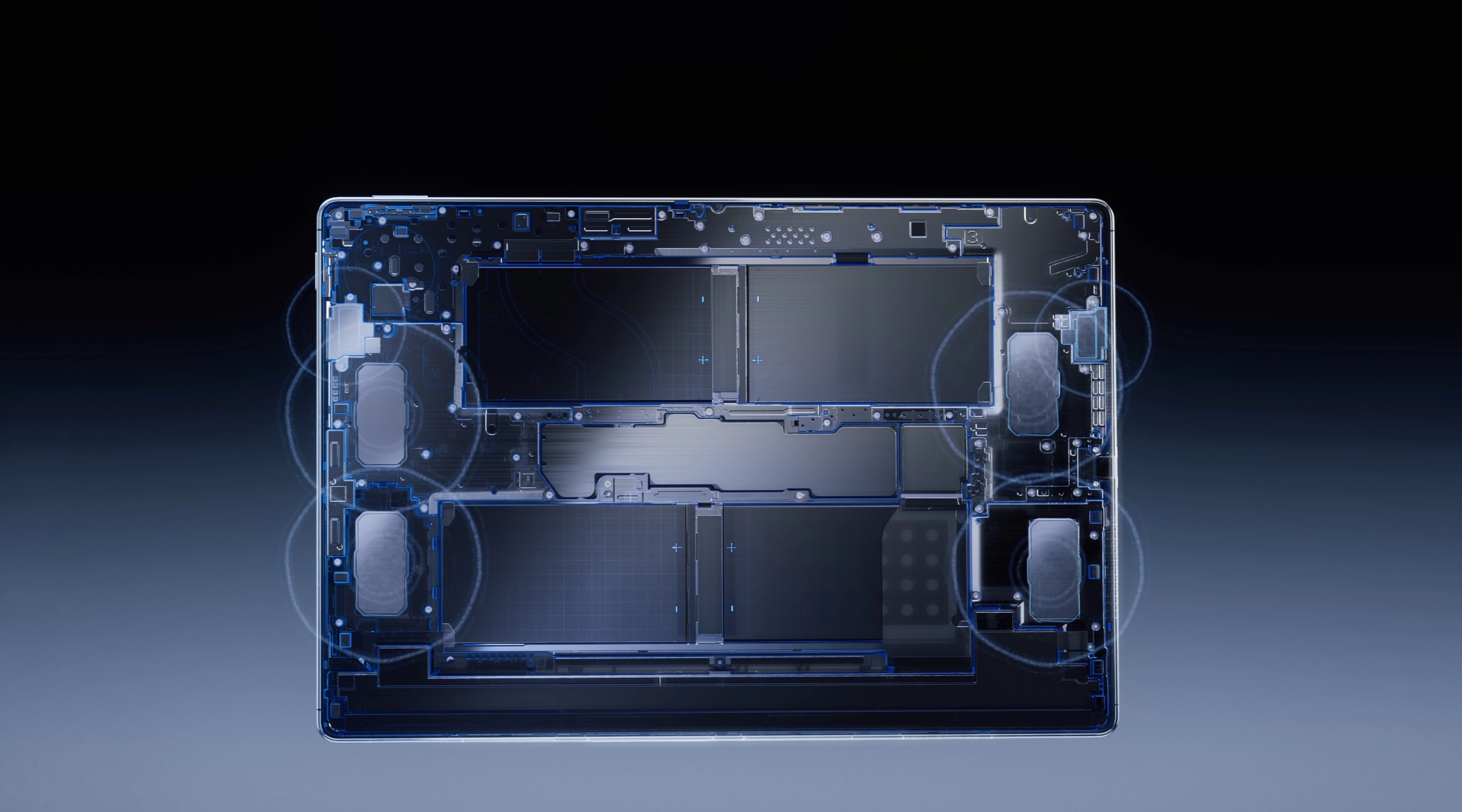
Very thin devices have a reputation for being fragile, and for good reason. Huawei tries to address that with engineering: the body is entirely metal, with an internal support structure, and it reinforces the camera, motherboard, and battery areas with steel. The idea is that those 4.7 mm will not bend in your backpack.
What it does not have is IP certification. There is no official water or dust resistance, something the Galaxy Tab S11 Ultra does offer with its IP68 rating. In a work tablet you are going to carry everywhere, that is worth keeping in mind—not a serious flaw, but something you should know.
Display
The display is one of the best you will find on a tablet. It is a 13.2-inch flexible OLED panel, with 3000 × 2000 resolution, a 144 Hz refresh rate, and peak brightness of 1600 nits. Scrolling and games look smooth, and content has strong contrast and color.
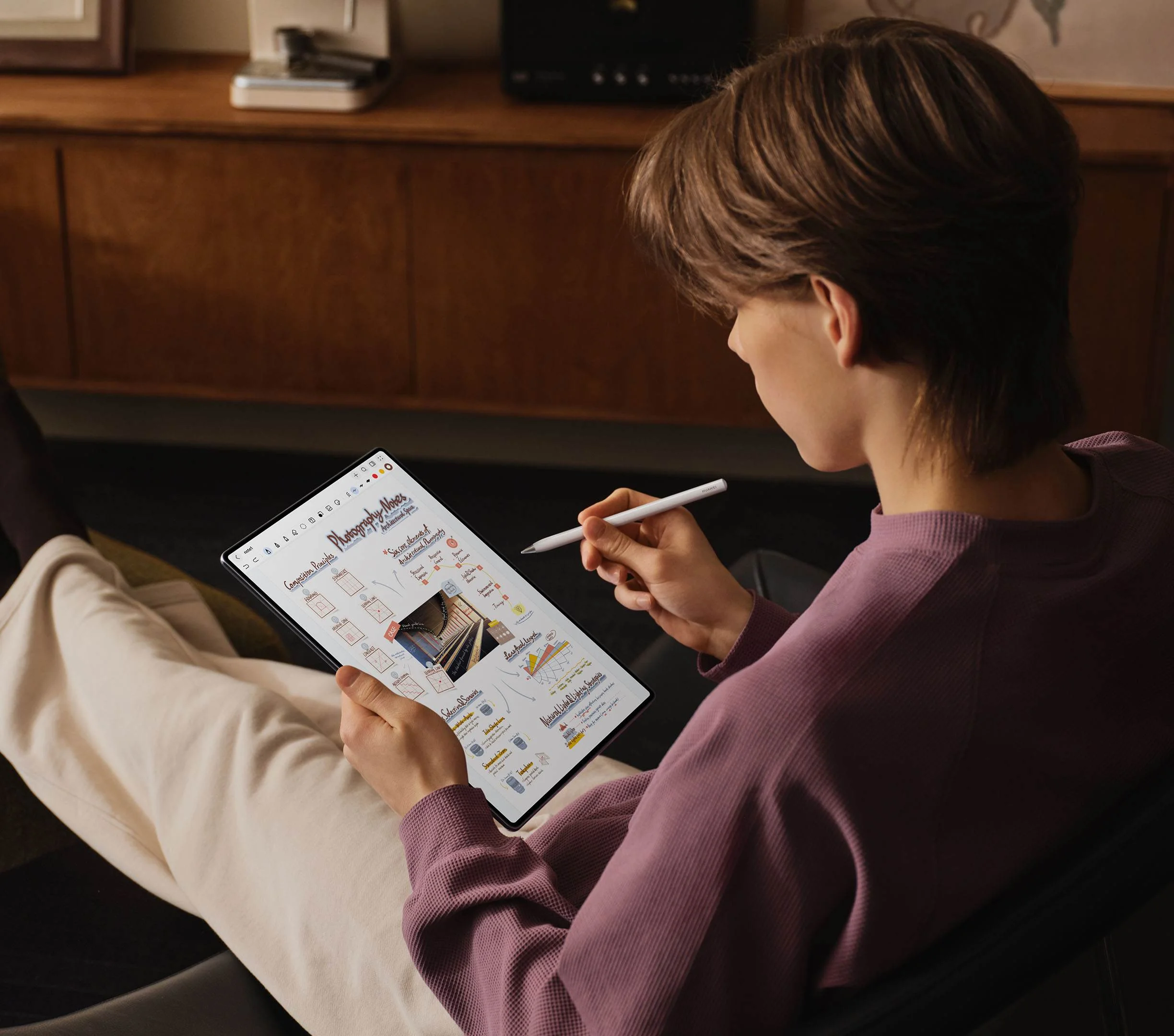
The PaperMatte version adds nanoscale etching that eliminates reflections and provides a paper-like texture. With the stylus, writing feels more natural than on smooth glass, and outdoors the difference compared with a glossy screen is huge. It is the same idea Apple charges extra for on the iPad Pro, here integrated into Huawei's own version.
Performance, productivity, and software
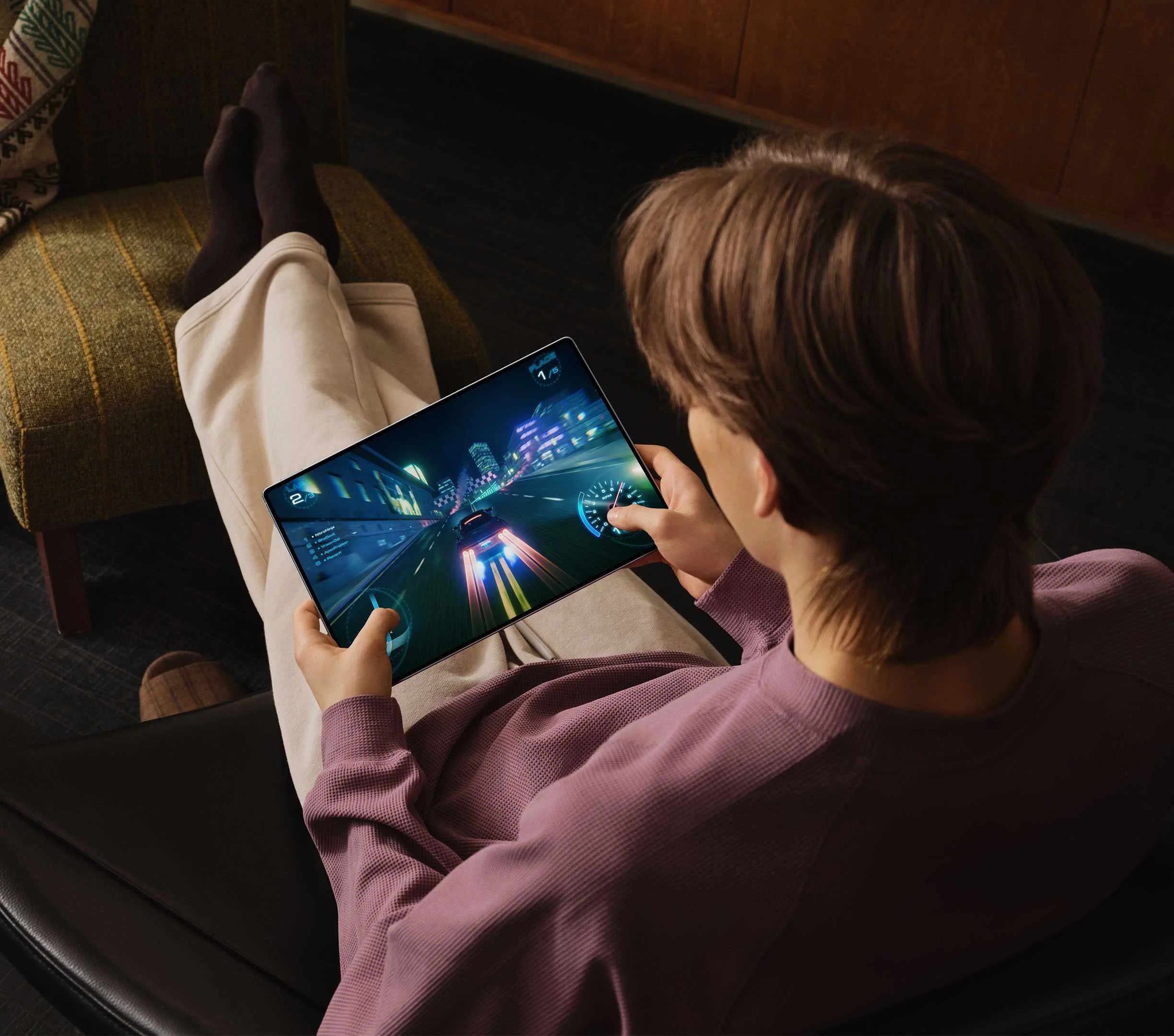
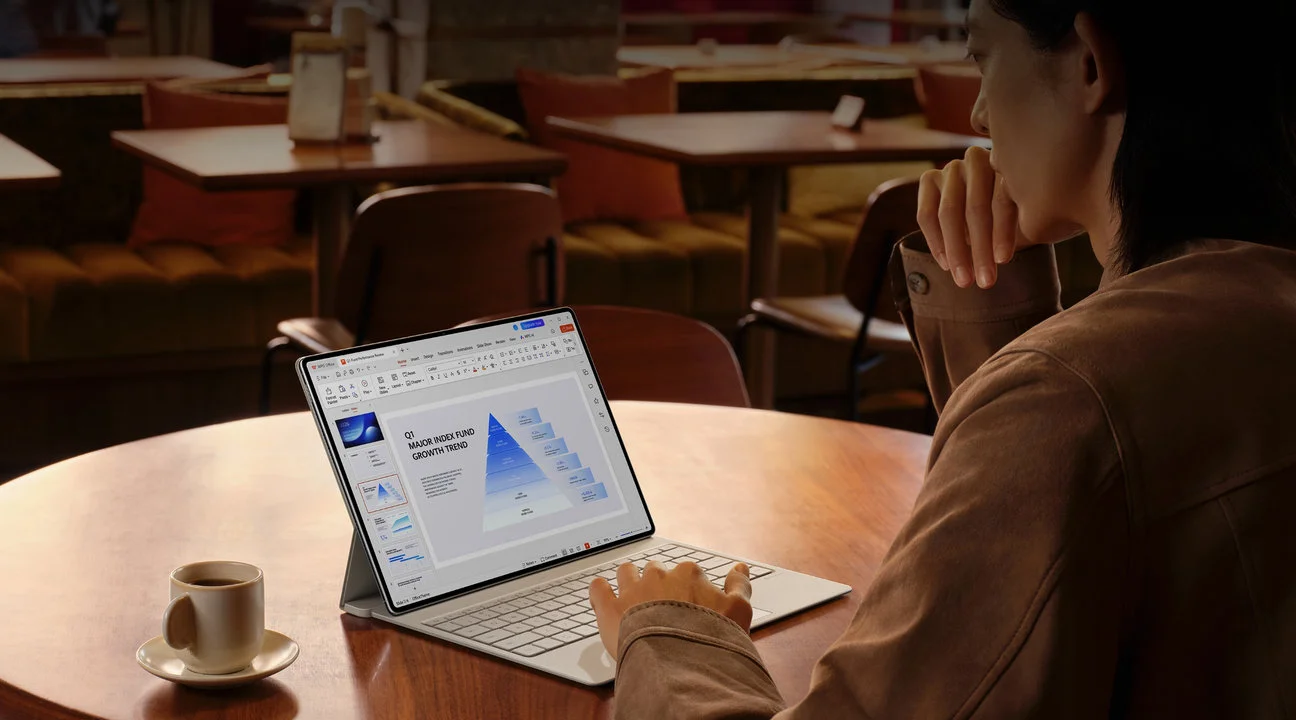
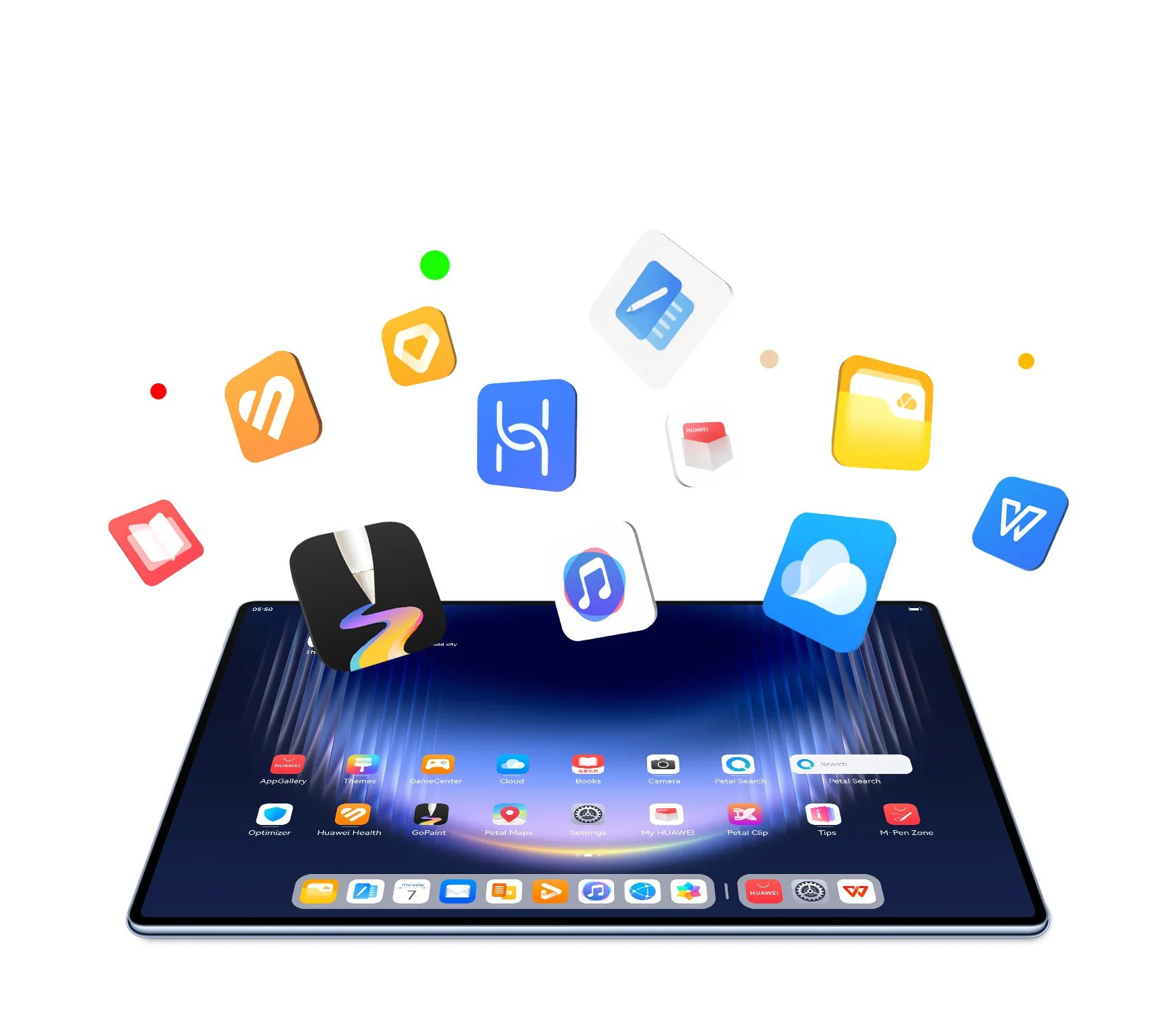
Inside is a Kirin T93 Pro chip with 12 GB of RAM, enough to run demanding games at 144 Hz and several apps at once. Huawei is making a strong push for productivity: the Glide Keyboard with a large touchpad and a slot that charges the M-Pencil Pro, WPS Office with PC-level features, and Live Multitasking to keep three apps on screen at the same time.
All of that runs on HarmonyOS, and that is where the ceiling appears. The system does not have Google services, and the AppGallery store does not have most mainstream apps. You will not find Google Maps or many apps you take for granted on another tablet. For tasks inside Huawei's ecosystem it works well; outside it, the experience shrinks quickly.
Camera and connectivity
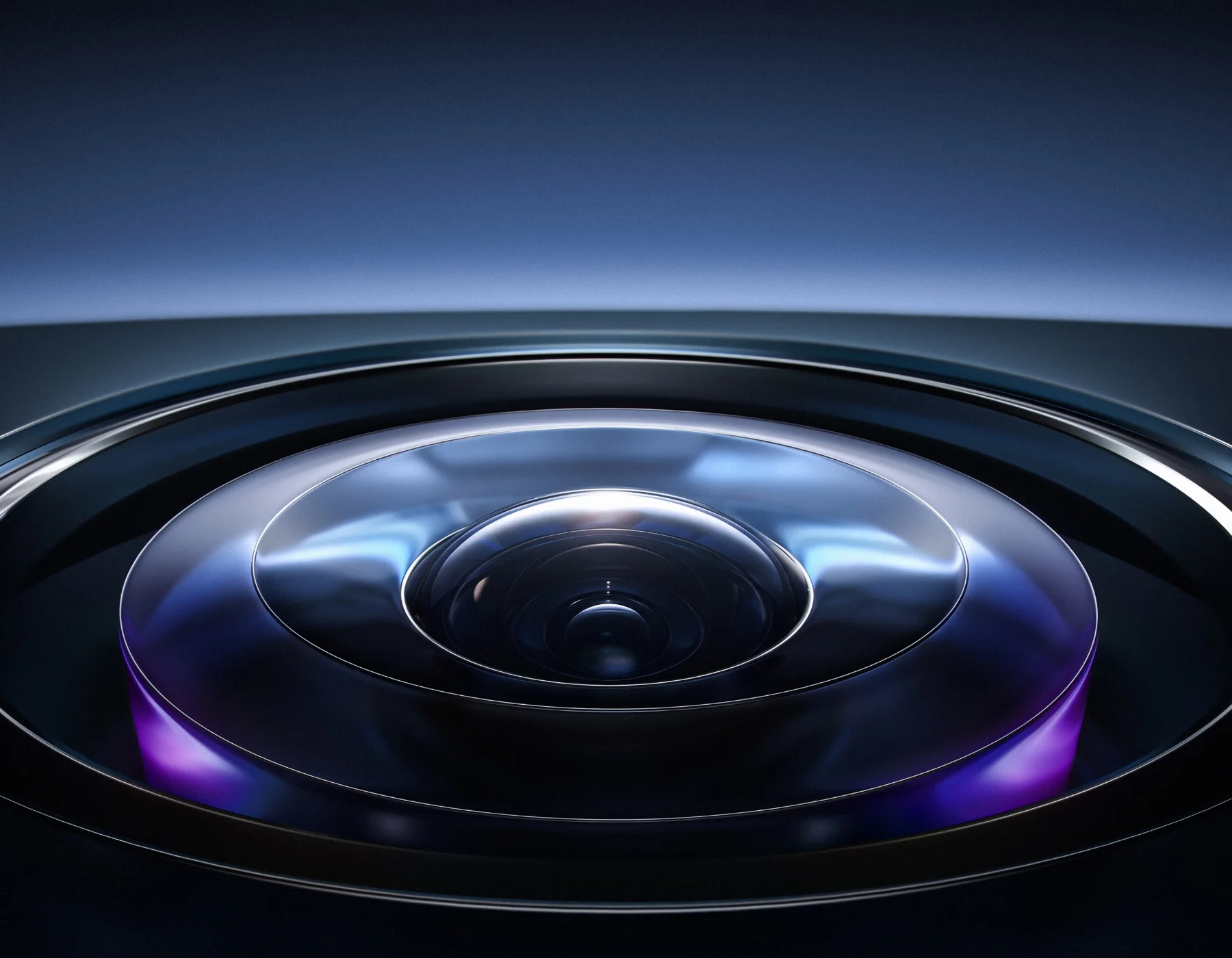
The rear camera is 50 MP with LED flash, and the front camera is 12 MP. That is more than what most tablets include, although a camera on a device this size is still secondary: it is useful for scanning documents and video calls more than serious photography.
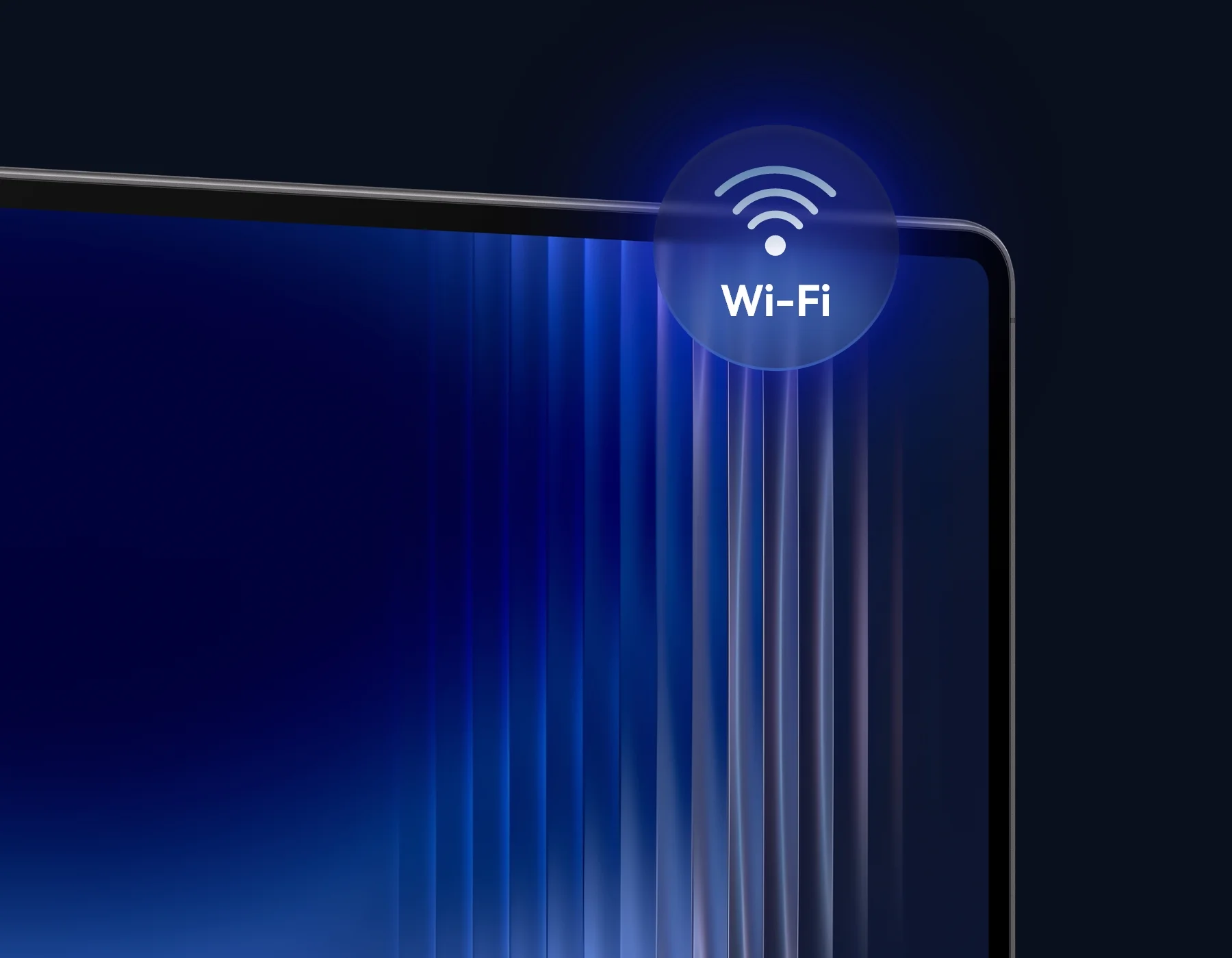
There is one clear limitation in connectivity: it is Wi-Fi only. There is no version with cellular connectivity, so outside a known network you depend on your phone. It also does not have NFC. For a work tablet designed to move around, not being able to go out with its own data connection is a real restriction.
Battery and charging
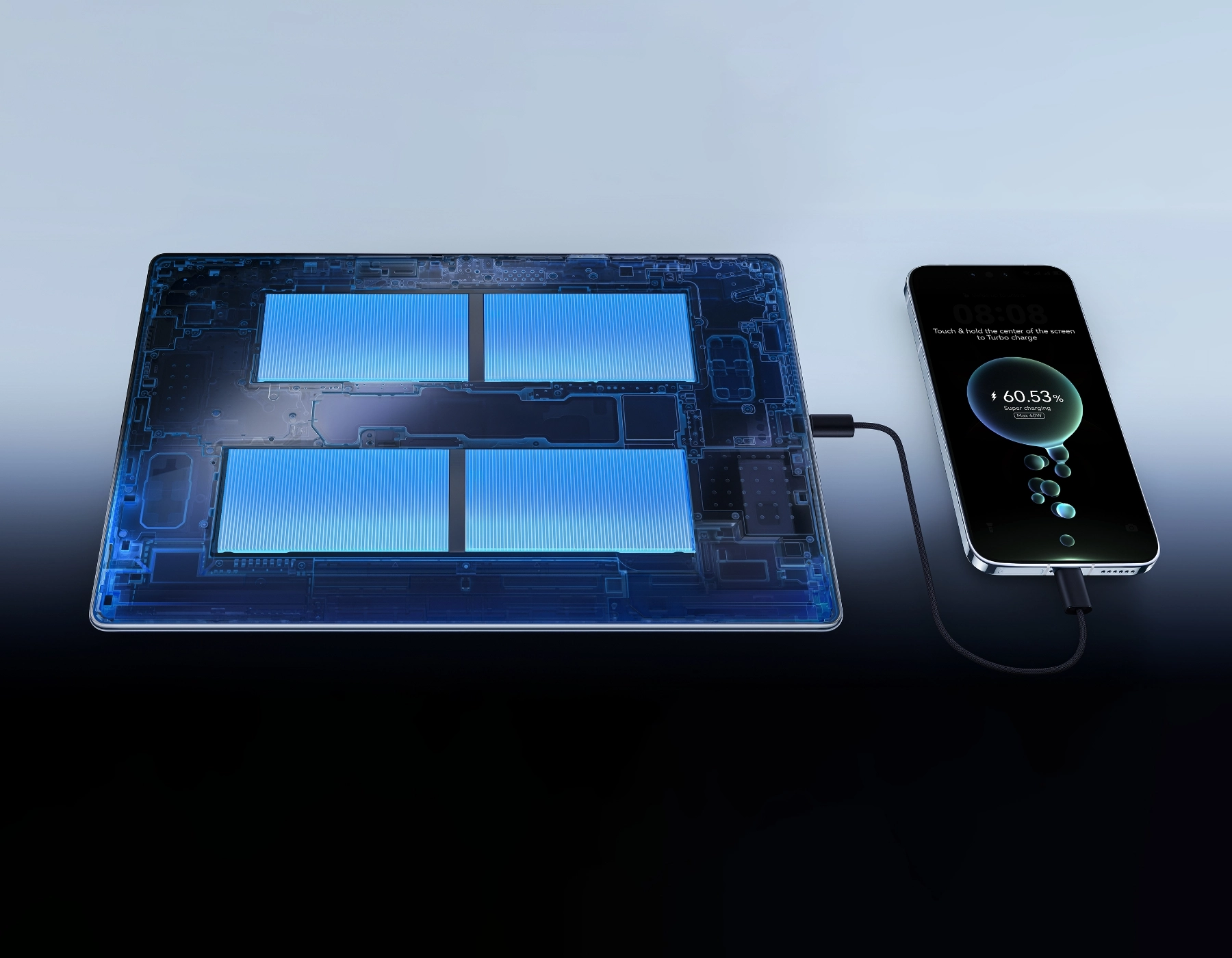
The battery is 10,400 mAh and lasts more than 14 hours of video, according to Huawei. With 100 W wired charging—the charger comes in the box—you recover a good chunk in little time, something Apple and Samsung do not include and charge for separately.
There is a useful extra: it can charge other devices at 40 W over a cable. If your phone runs out of battery, the tablet works as a power bank.
How it compares
Against its two direct rivals, the MatePad Pro Max wins on thickness, weight, and price, and it includes the keyboard. It loses where it matters for most people: software. The table lays it out:
The prices are launch prices in the United Kingdom—the MatePad includes a keyboard and charger; the others charge for them separately—and vary by market. The summary is simple: if you look only at the spec sheet and the price, Huawei wins; if you look at which apps you will be able to run, iPadOS and Android have something HarmonyOS does not.
What honest reviews point out
Reviews with access to the unit agree on one point: the hardware is excellent, but the software makes it a niche recommendation. TechRadar says it plainly: because of the lack of mainstream apps, the MatePad Pro Max only works for a small group of users with very specific needs who do not depend on the major applications.
Add to that the facts already mentioned: no cellular connectivity, no NFC, and no IP certification. And there is an availability limitation: it is not sold in the United States or Australia. The promise of replacing a laptop depends on HarmonyOS 4.3 holding up in daily use, and tablet-as-laptop concepts tend to fail because of software, not hardware. Here, the hardware is there; the question is everything else.
Conclusion
The Huawei MatePad Pro Max is proof that Huawei is still making the best tablet hardware on the market. It is thinner, lighter, and cheaper than the iPad Pro and the Galaxy Tab S11 Ultra, with a display and build that are a step above.
For anyone already living inside the Huawei ecosystem and who does not need Google apps, it is a brilliant purchase that no other tablet can match in hardware at this price. For everyone else—which is almost everyone—the software ceiling is a real problem: you will miss apps that on an iPad or Android tablet you have without even thinking about it. The hardware has already won the argument. What remains to be solved, and it is no small thing, is whether you can truly work with the software that comes with it.
Huawei MatePad Pro Max
Huawei's flagship tablet with a 13.2" OLED PaperMatte display, 144 Hz, and the world's thinnest 13-inch body (4.7 mm). Top-tier hardware held back by a limited app ecosystem.
Pros
- The world's thinnest and lightest 13-inch tablet: 4.7 mm and 499 g.
- 13.2" OLED display at 144 Hz, with an excellent anti-glare PaperMatte option for outdoor use.
- Reinforced metal build and very good battery life with a 100 W charger in the box.
- Cheaper than the iPad Pro and the Galaxy Tab S11 Ultra, with a keyboard included in some markets.
- Can charge other devices at 40 W, like an external battery.
Cons
- HarmonyOS without Google services: AppGallery does not have most mainstream apps.
- Wi-Fi only, with no cellular connectivity or NFC.
- No IP certification for water or dust resistance.
- The promise of replacing a laptop depends on software that is still unproven.
- It is not sold in several markets, such as the United States and Australia.
Author
Alexis PaezAnalysis based on the manufacturer's official specifications. The author did not physically test the product.
Comments
Share article
You might also like

Huawei Pura X View: the first wide-format rigid phone debuts HarmonyOS 7 with 7,000 mAh in 6.68 millimeters
Huawei introduced the Pura X View, the first rigid phone with a 16:9.5 display: 1.05 mm bezels, 7,000 mAh in 6.68 mm, and the debut of HarmonyOS 7. What is confirmed and what is not.

Huawei Pura X Max: the market’s first wide foldable arrives April 20
The Huawei Pura X Max debuts on April 20 as the market’s first wide foldable. Date, colors, specs, and how it beats Samsung and Apple.