Tesla Roadster: what changes between Performance, Thrust, and Rocket
Index
Tesla unveiled the new Roadster on October 15, 2026, at SpaceX’s facilities in McGregor, Texas. The electric sports car left behind the bodywork of the 2017 concept and appeared in three configurations: Performance, Thrust, and Rocket. They share an extreme proposition, but they do not do the same thing: one pursues grip, another adds thrust, and the third incorporates the ability to lift off.
The presentation showed a prototype driving upside down on a ramp and performing aerial maneuvers. The spectacle needs a clarification from the start: Rocket has a single seat, and Tesla says it is not approved for public roads. An open reservation should not be confused with a finished car, either: production is planned for 2028.
Tesla Roadster: Performance, Thrust, and Rocket
Performance is the two-seat configuration with active aerodynamics and suction. Thrust keeps the two seats and adds rear thrusters for acceleration. Rocket removes the passenger seat and distributes thrusters around the body to control movements in the air. That is the breakdown Tesla publishes on the Roadster page.
These are not three interchangeable power levels. Thrust adds an acceleration system; Rocket also changes the cabin layout and the type of maneuvers possible. Tesla’s notice about public-road use applies to Rocket: it should not be extended by association to the entire family or turned into a homologation guarantee for the other versions.
A design that changes when deployed
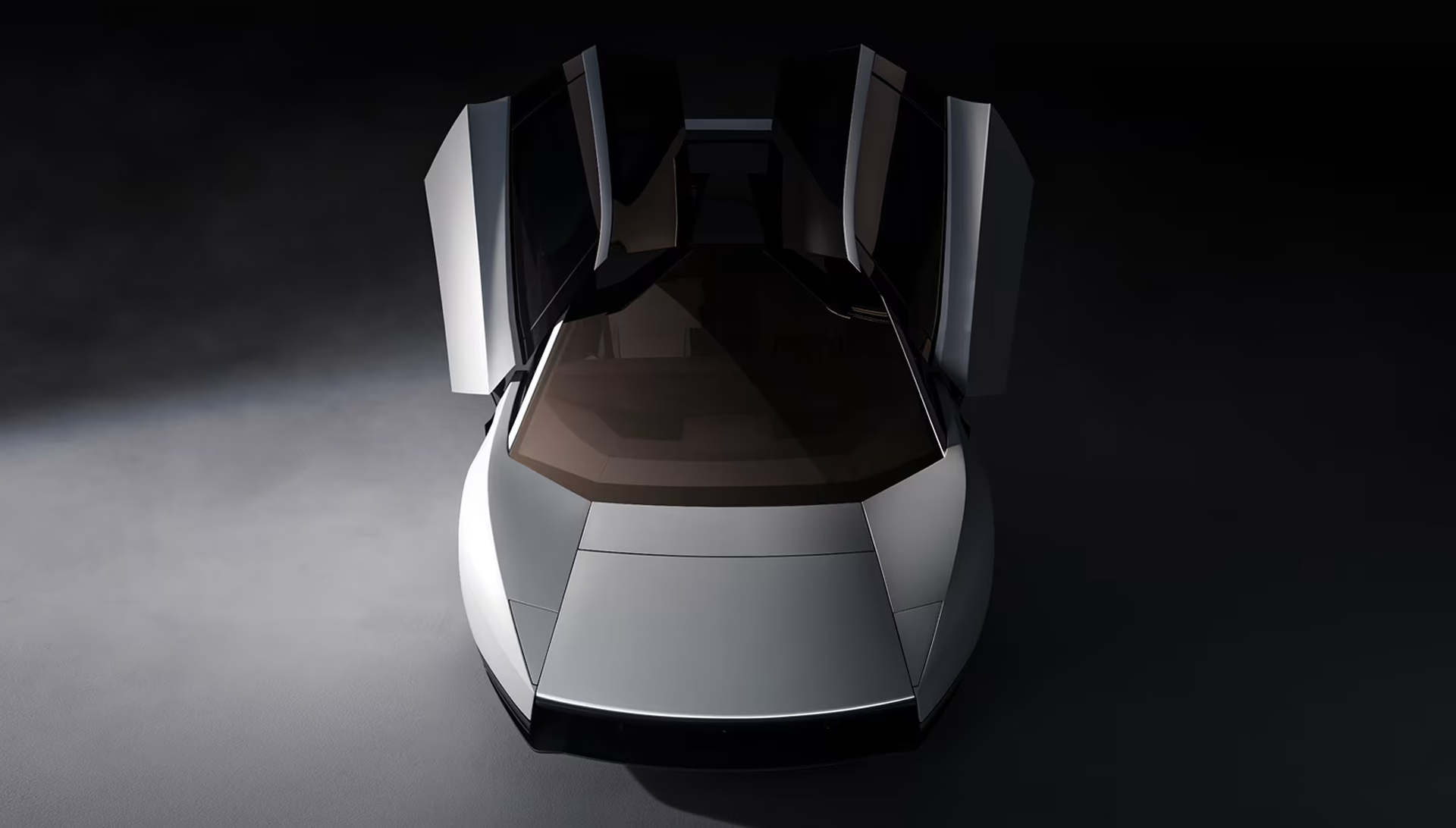
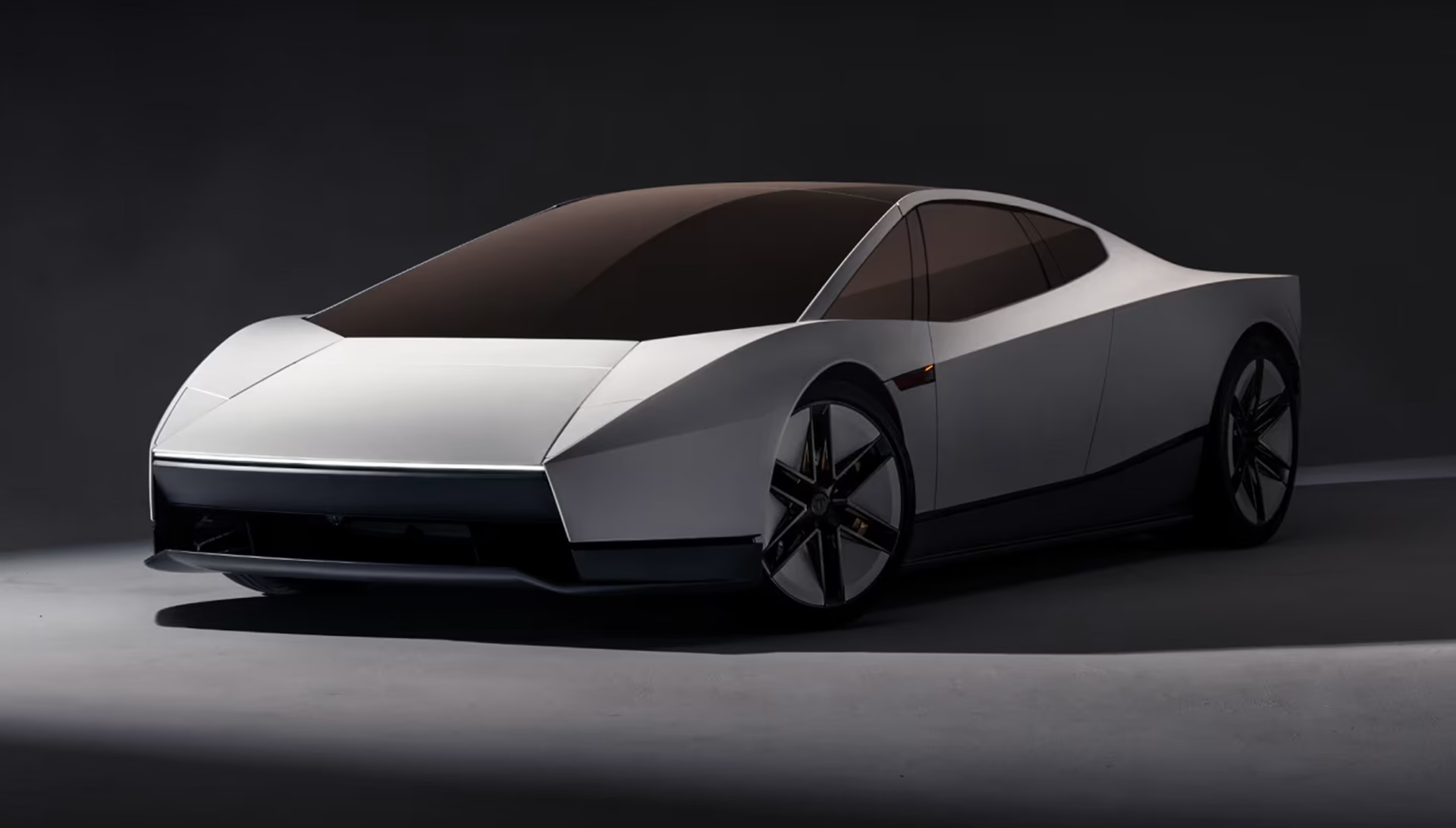
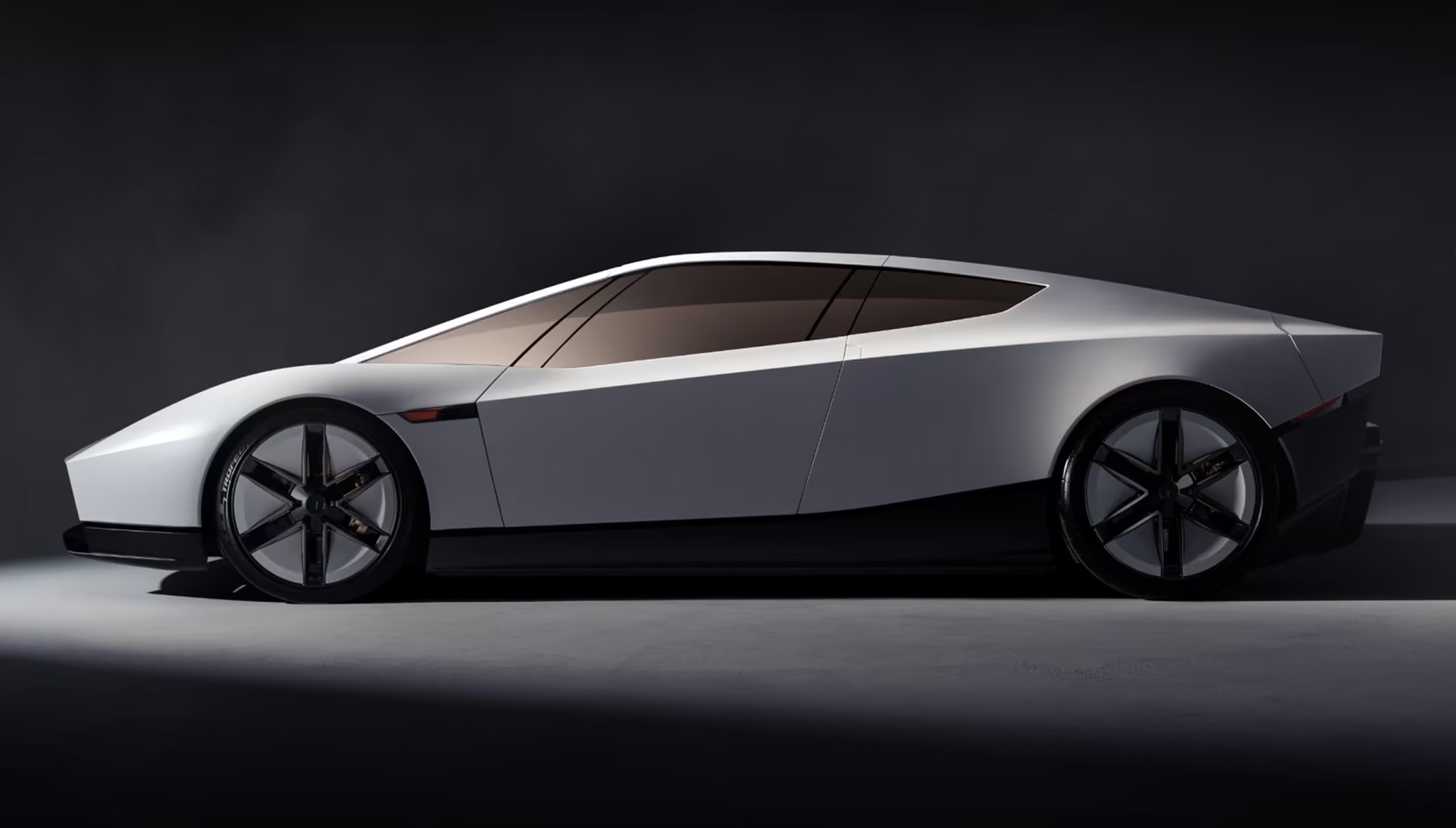
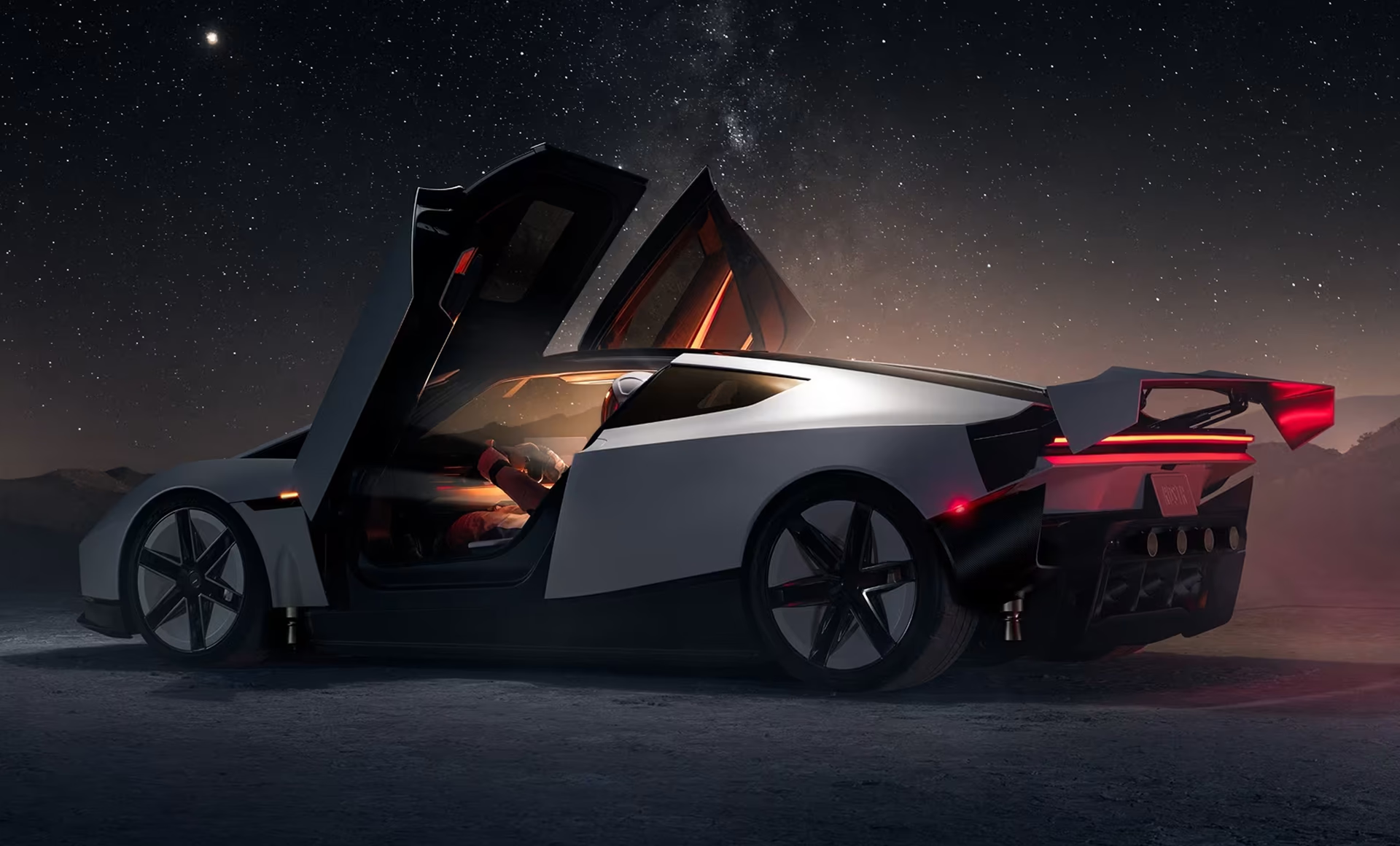
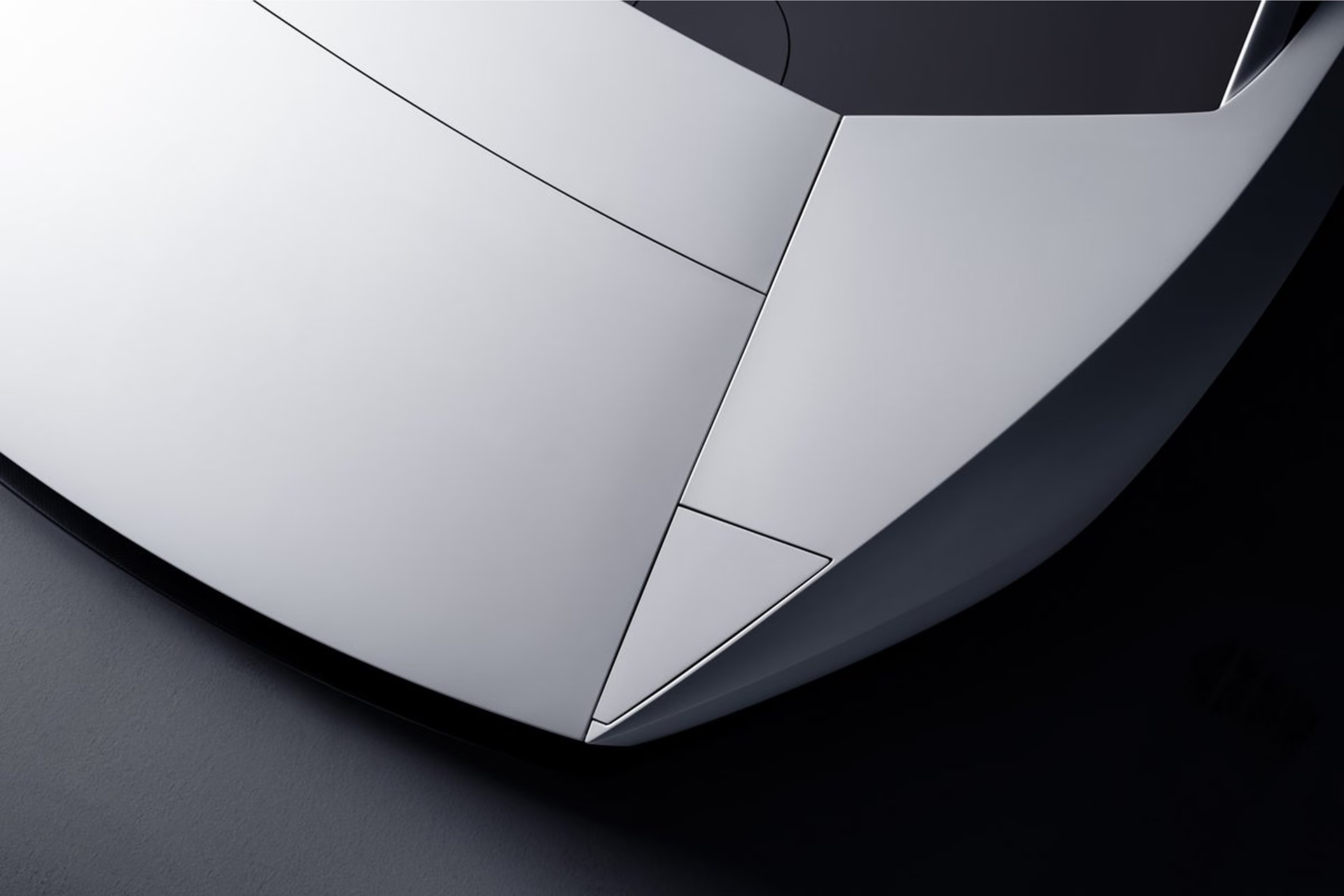
The new Roadster has a low, wedge-shaped profile, angular surfaces, and upward-opening doors. Front views show clean bodywork; with the doors open, the contrast between the white exterior and the gold-toned glass appears. These are images of the new proposal, not proof that each finish belongs to a different version.
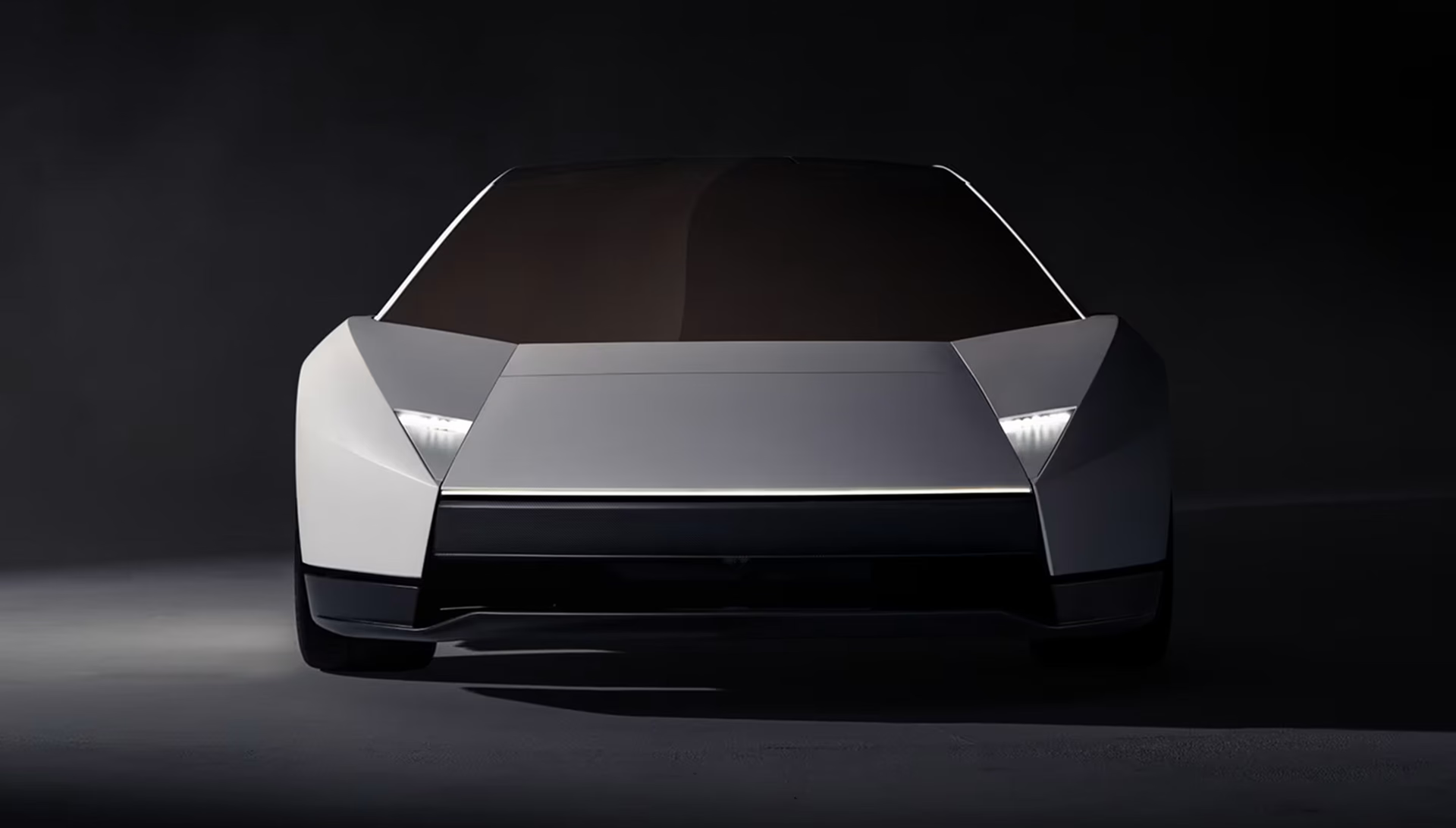
Three-quarter and profile shots make its proportions easier to understand. The leap from the 2017 concept is not limited to an aesthetic update: the car integrates moving elements that modify its behavior. The distinction between closed bodywork and deployed aerodynamics helps explain why the same Roadster can look so different from one photograph to another.
A two-seat cabin, except in Rocket
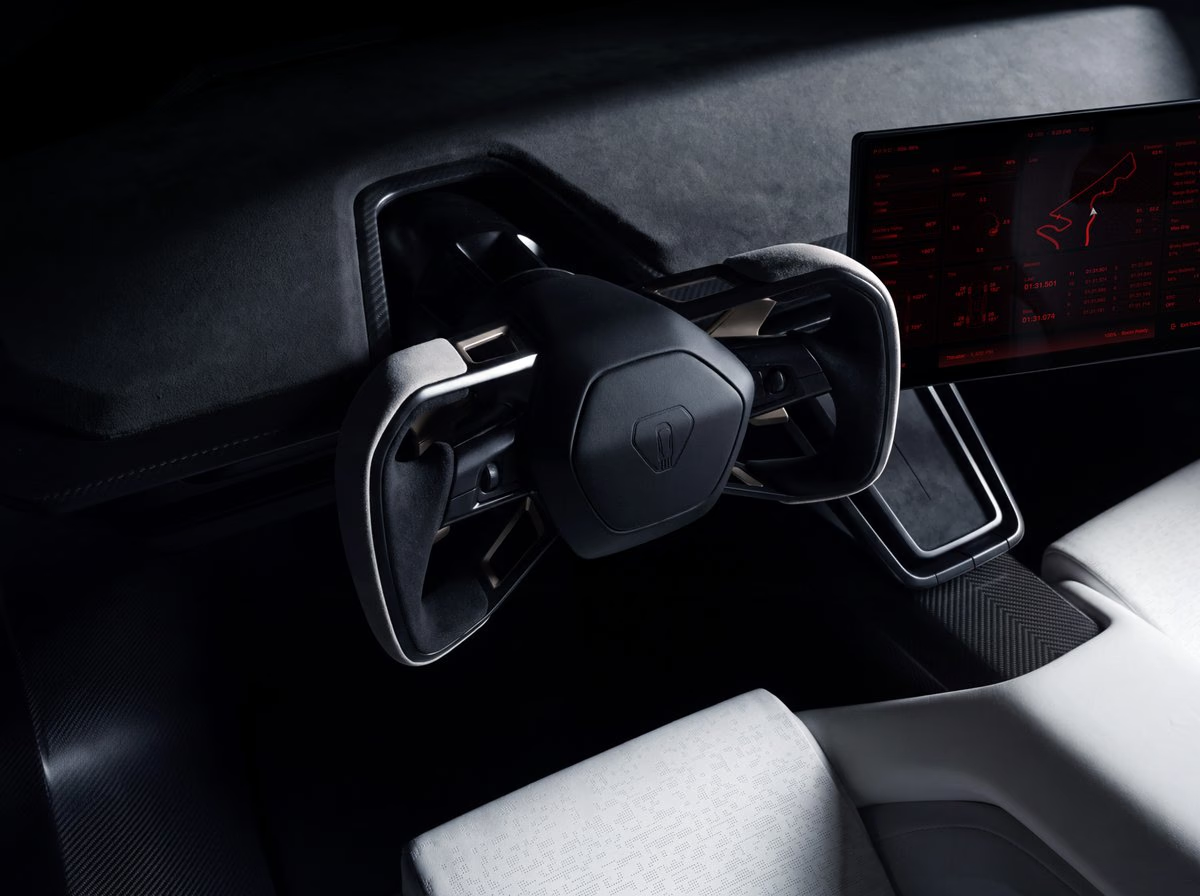
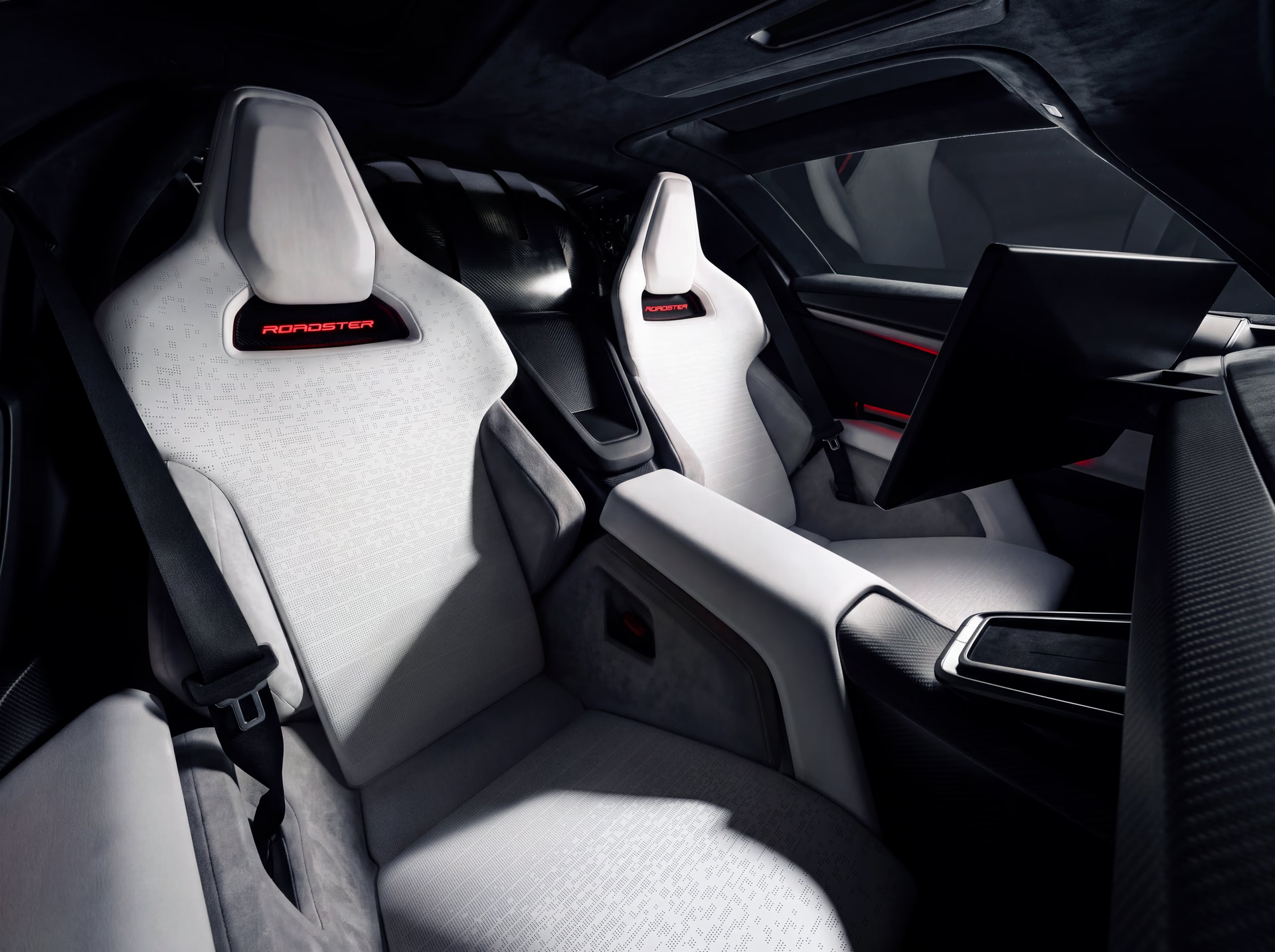
Interior images show two light-colored seats, a yoke-style steering wheel, and a central screen angled toward the driver. The environment keeps Tesla’s visual austerity, but the layout is sports-car focused: seating position, side bolsters, and control placement matter as much as the screen.
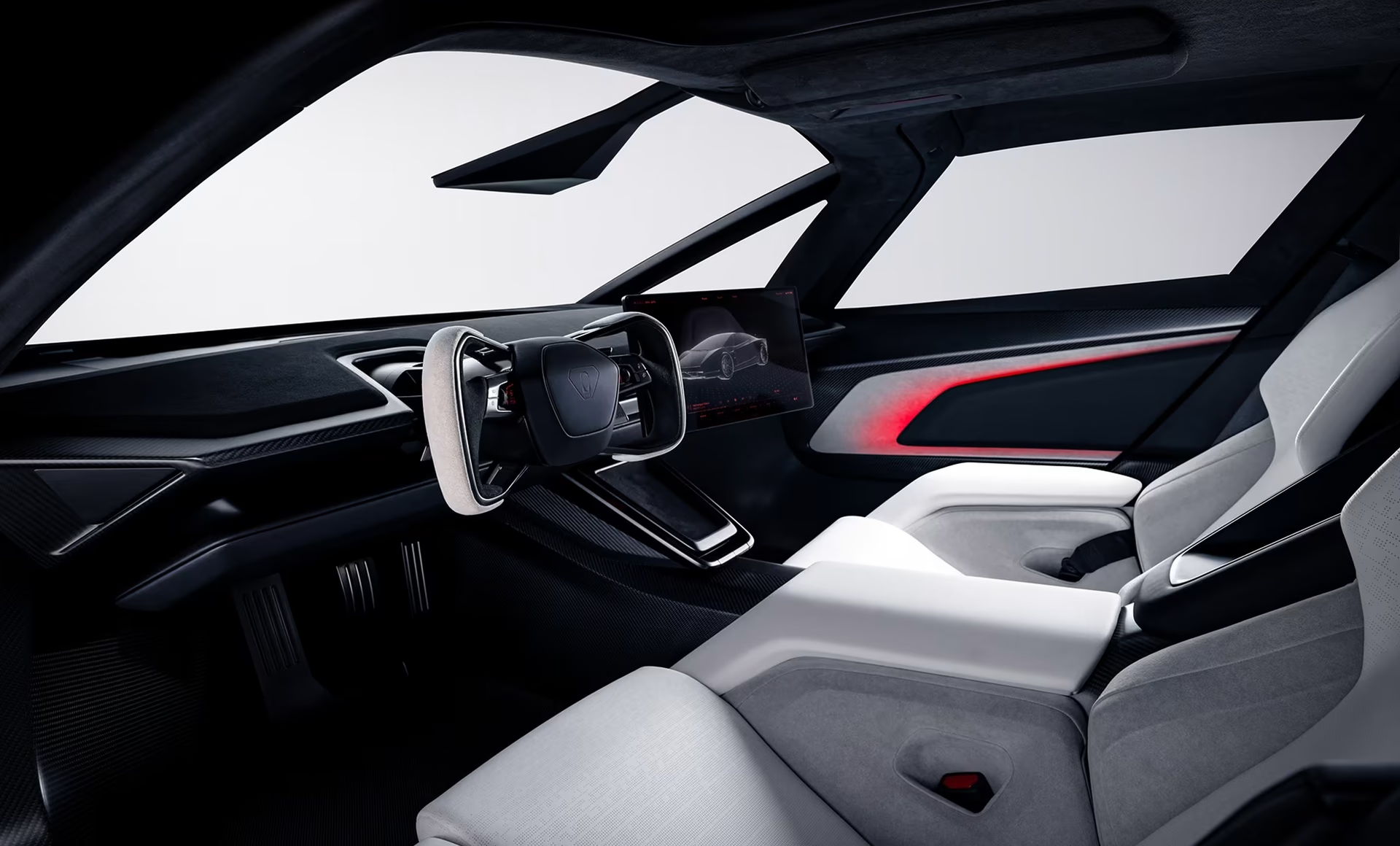
In its early visit with the Roadster, Top Gear described a fixed seat base, with adjustment for the backrest, steering column, and pedals to accommodate the driver. The outlet also noted steer-by-wire, without the conventional mechanical connection between the steering wheel and the wheels. That solution requires evaluating the driving response, something photos do not allow you to judge.
The two-seat interior corresponds to the Performance and Thrust concept; Rocket has a different layout. Showing two seats alongside an explanation of the model capable of lifting off does not make that cabin the one used by the single-seater. The number of seats is a functional difference, not an equipment detail.
Suction and thrusters: two different jobs
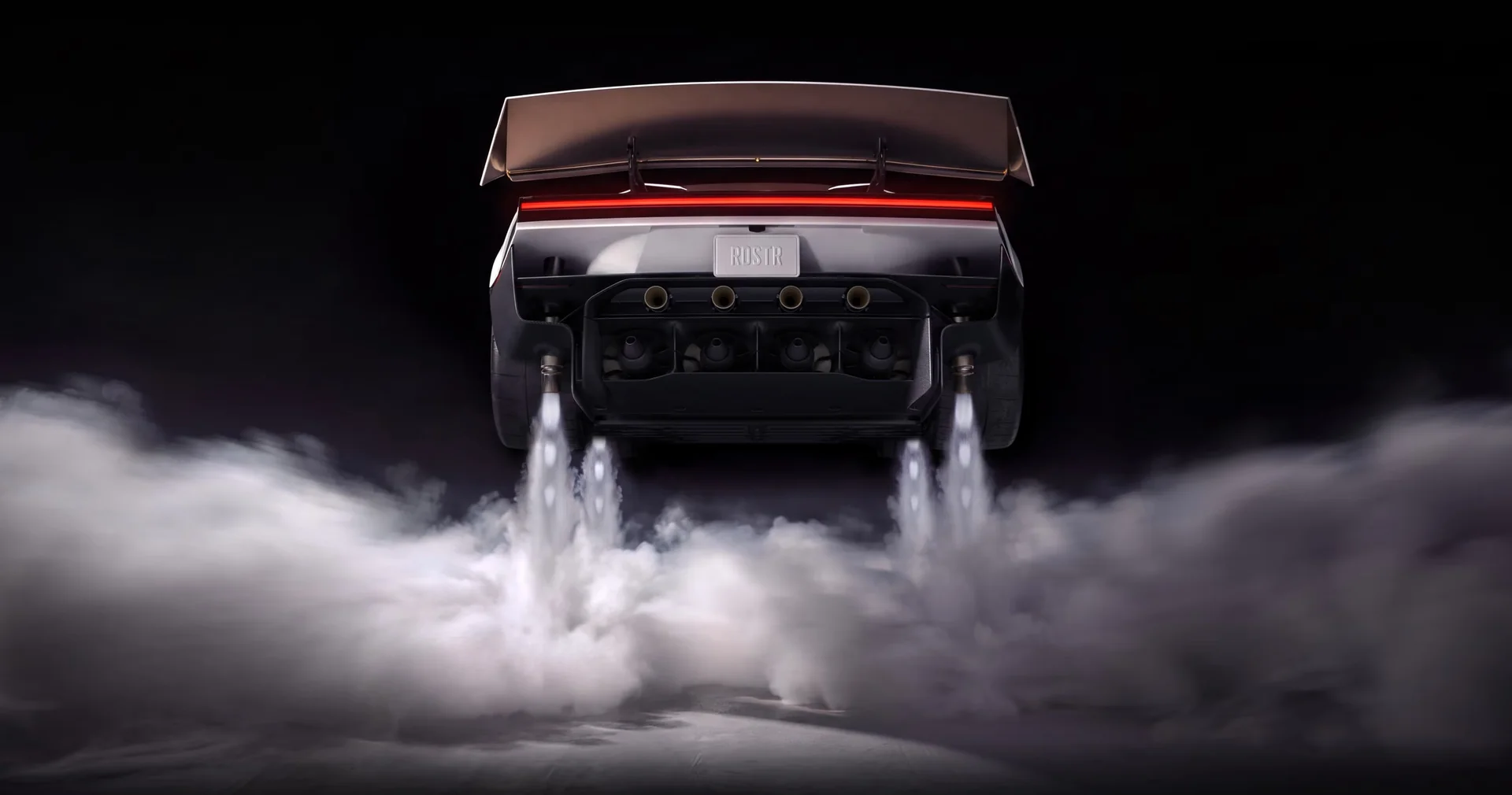
Suction is used to increase load on the tires. Fans extract air from under the vehicle, and a sealing system limits air entry, creating a lower-pressure zone. Unlike a conventional wing, which needs airflow to generate load, this system can act even when the car is stationary.
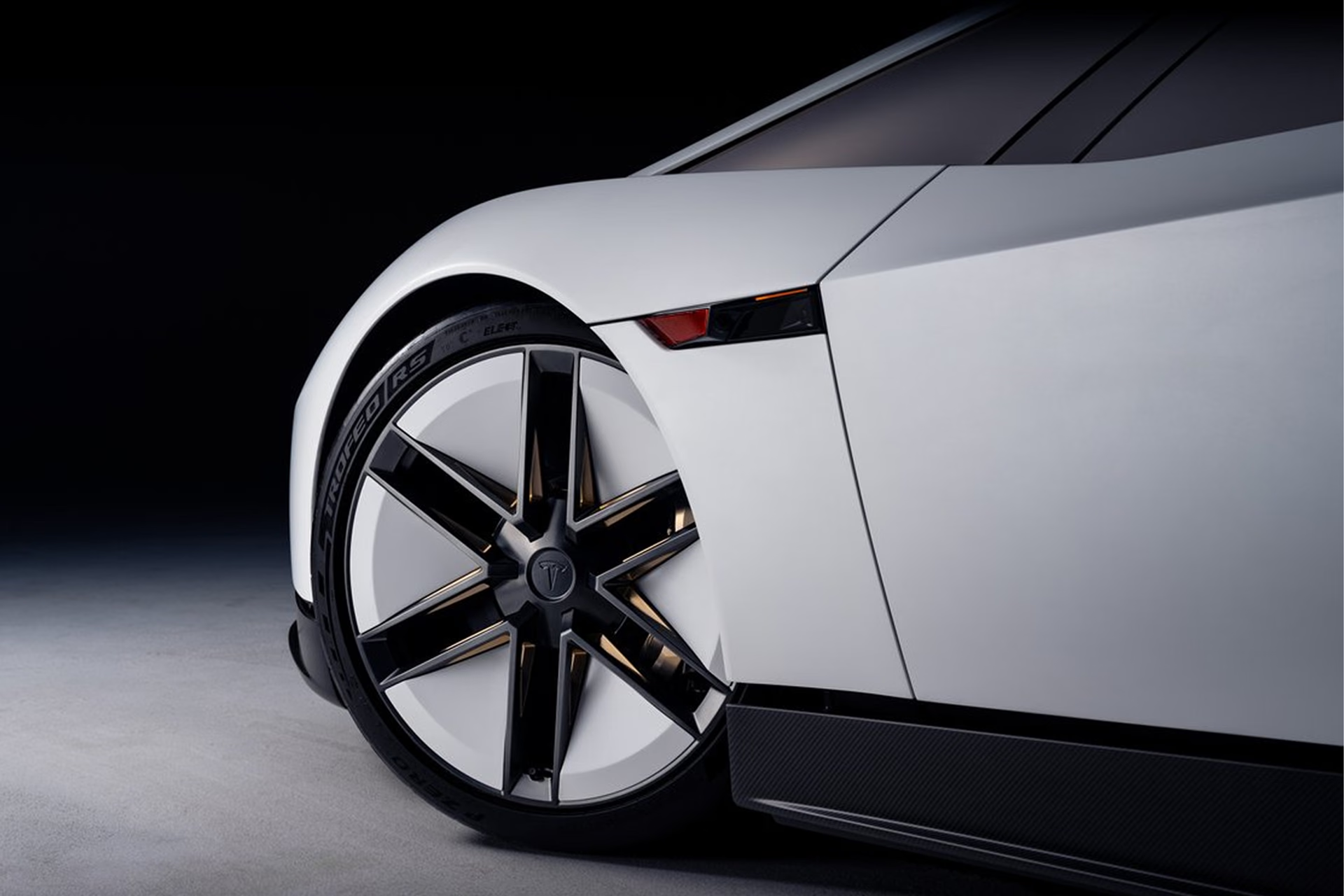
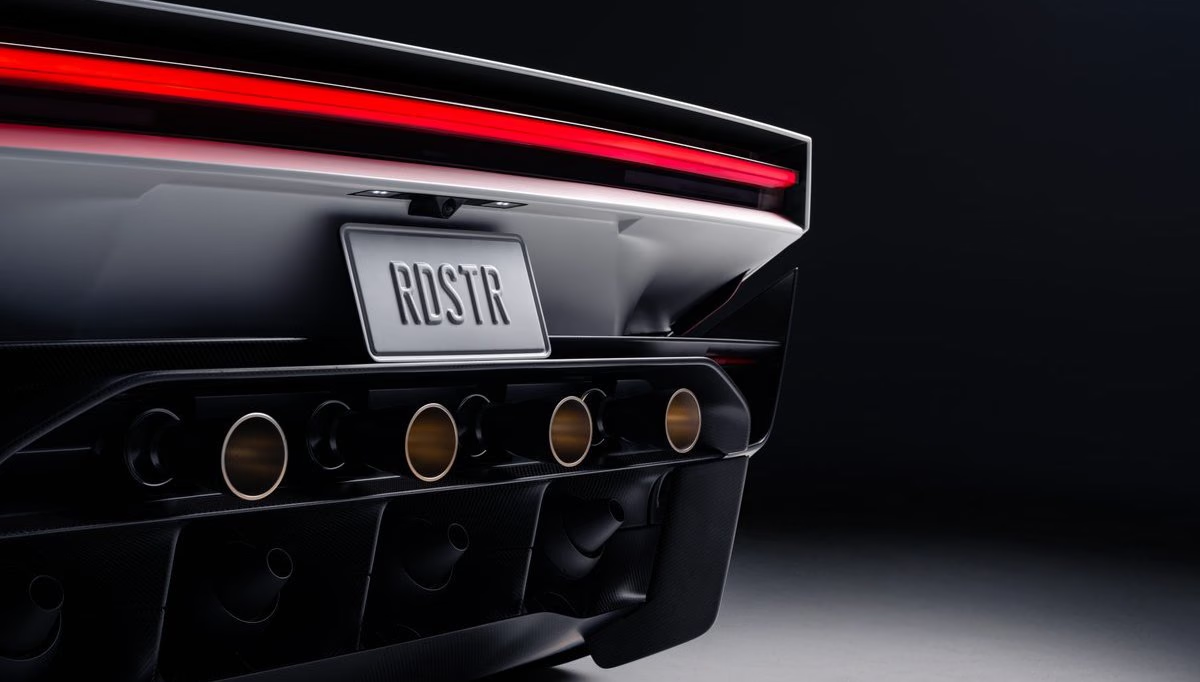
Thrust expels pressurized gas rearward to add thrust, complementing suction. According to MotorTrend, the gas is stored in tanks reinforced with composite material; Rocket adds more capacity and thrusters, also occupying the passenger space.
Tesla announces 0–60 mph in under one second, equivalent to reaching 96.6 km/h, not 100 km/h. Independent measurements are still needed to compare that result with other sports cars and verify how long the impulses last and what the system needs to repeat them.
What the Roadster Rocket demonstrated
The stunt prototype climbed a curved ramp until it was inverted, separated from it, and corrected its orientation before landing. Another maneuver carried it over a row of vehicles. The two photographs from the event capture those moments, while the cover image shows the promotional lift-off concept for the Roadster.
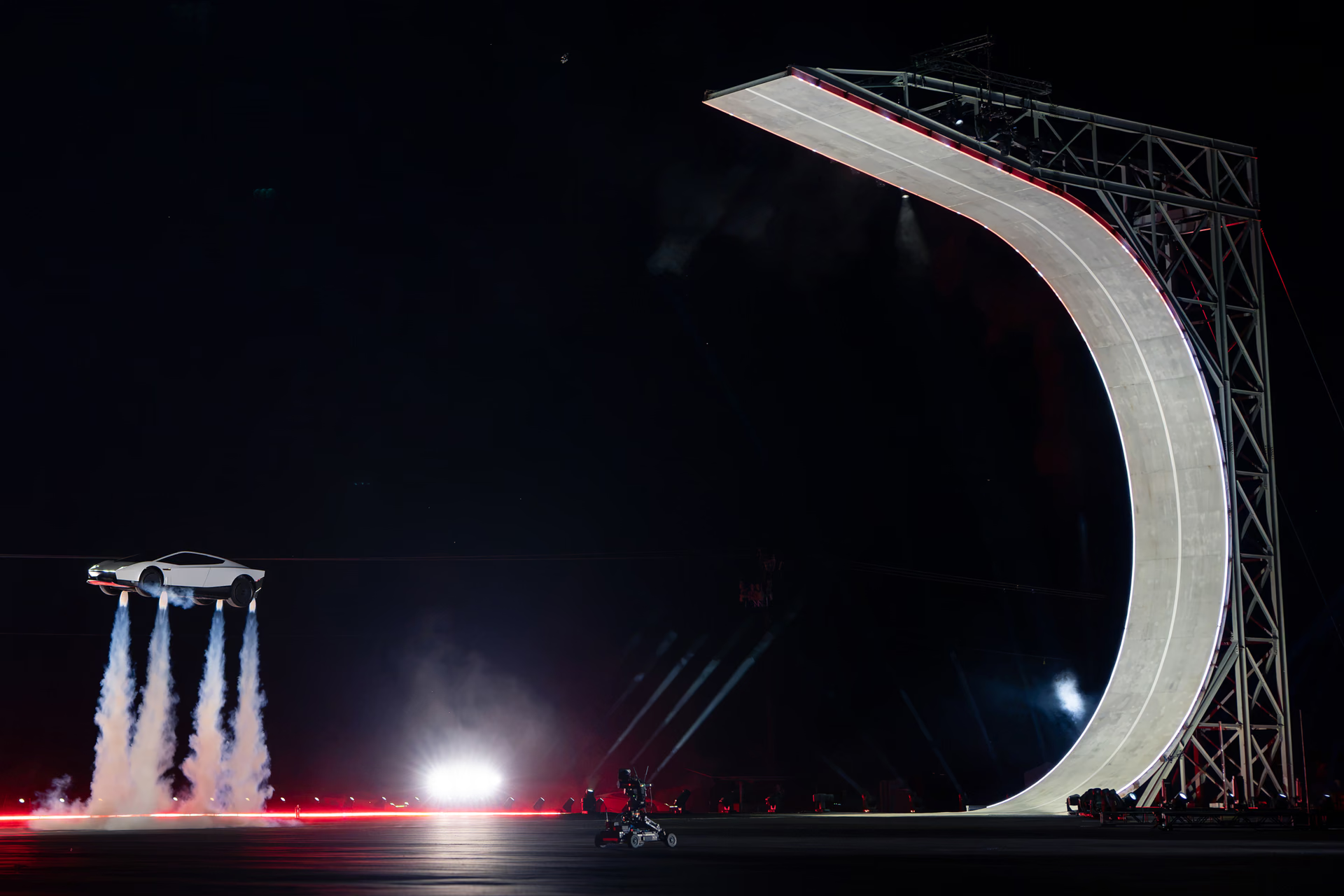
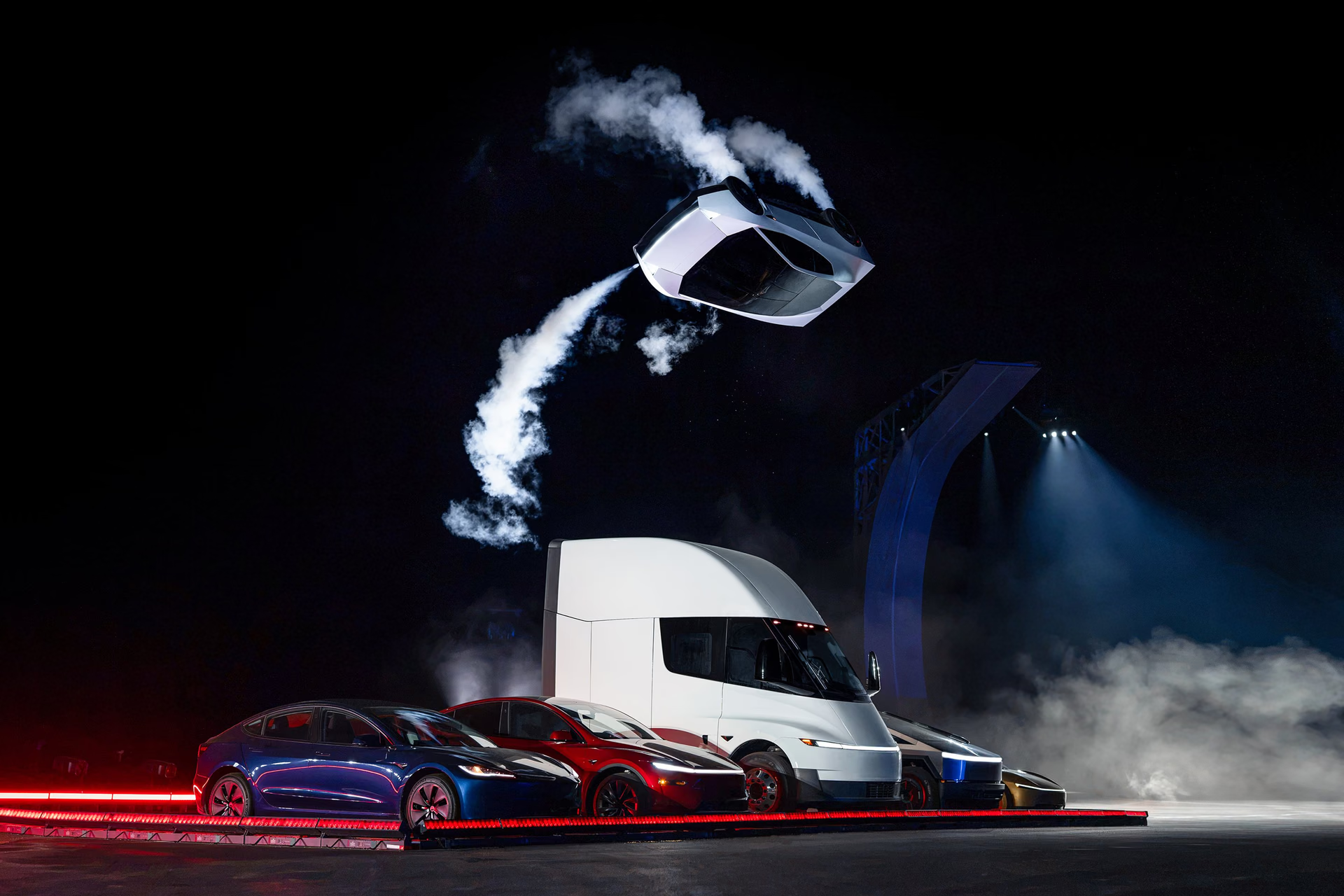
Car and Driver distinguished the stunt prototype from the one presented on stage. Flight capability applies to Rocket: the demonstration does not mean that any version can repeat it, nor does it validate everyday use outside the venue.
Reservations and production: what is defined
The U.S. Tesla reservation requires US$50,000 for Performance and US$250,000 for Thrust. In both cases, US$5,000 is paid initially and the remainder within ten days. Thrust is limited to one unit per customer; Rocket is available by invitation only.
These are reservation deposits, not final prices. Conditions and restrictions depend on the market where the transaction is made.
Musk set 2028 as the target for the start of production. MotorTrend, which spoke with the project leaders, describes it as a prototype with production intent and pending decisions: it is still not a guaranteed delivery date.
Performance targets the road-going sports car; Thrust adds thrusters to pursue extraordinary acceleration; Rocket takes the proposal into the aerial realm. The engineering is striking, but its value as a product will depend on Tesla achieving repeatable performance and making production happen.
Roadster Performance
Two-seat configuration with active aerodynamics and suction.
Pros
- Keeps two seats.
Cons
- Final price unconfirmed.
Roadster Thrust
Two-seat configuration with rear cold-gas thrusters.
Pros
- Adds thrust to the two-seat configuration.
Cons
- Final price unconfirmed.
Roadster Rocket
Single-seat configuration with thrusters for aerial maneuvers.
Pros
- Enables aerial maneuvers.
Cons
- Sacrifices the passenger seat.
Author
Alexis PaezReport based on official announcements and verified public sources at the time of publishing.
Comments
Share article
You might also like

Ferrari Luce: the brand’s first electric car arrives with 1,050 hp, 530 km of range, and Jony Ive’s design signature
Ferrari introduced the Luce, its first 100% electric car: a 4-door sedan with 1,050 hp, 530 km of range, and a design signed by Jony Ive. Reservations for 2027 are already sold out.