Apple cut the price of the cleaning cloth to US$9 and updated the Magic Keyboard models and 40W adapter

Index
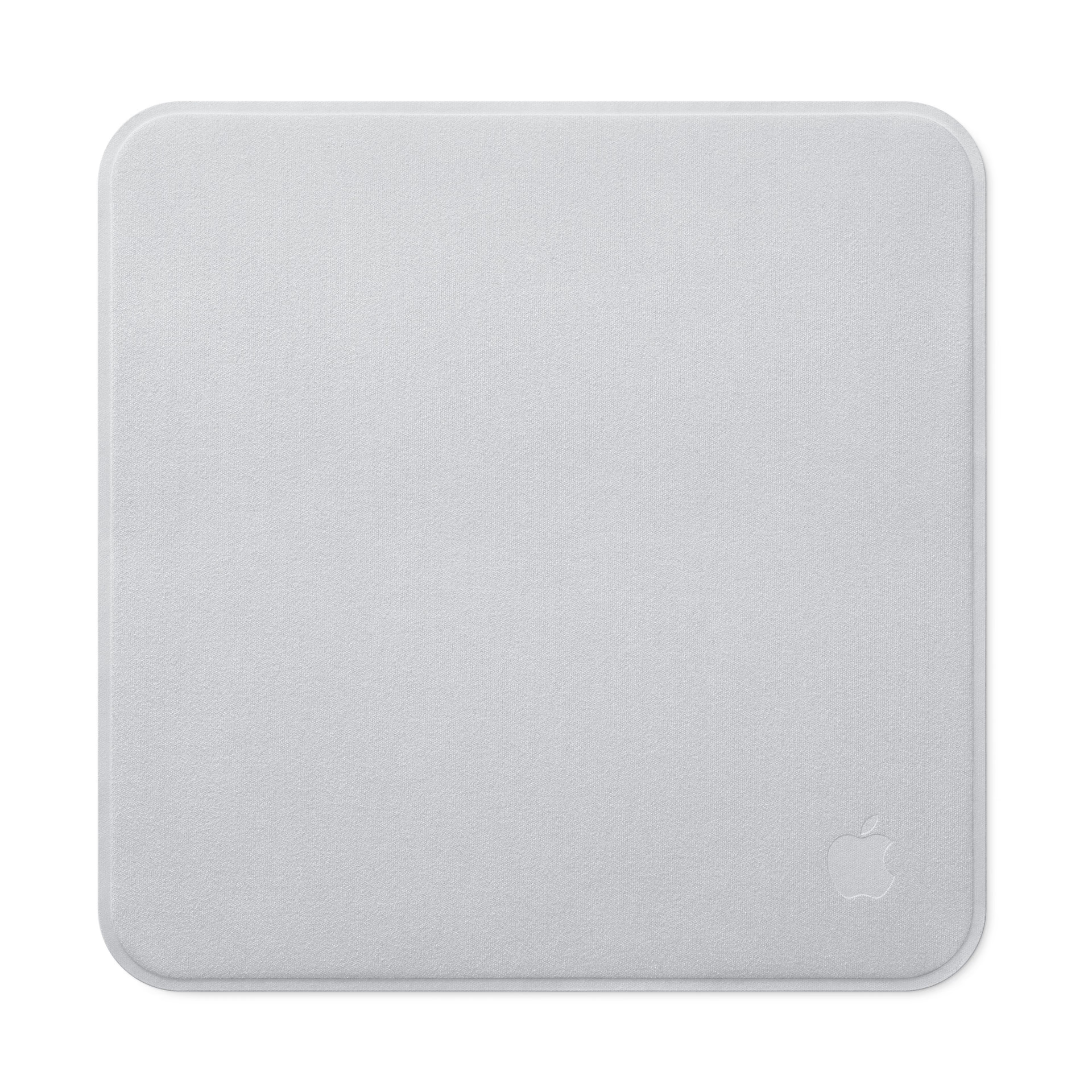
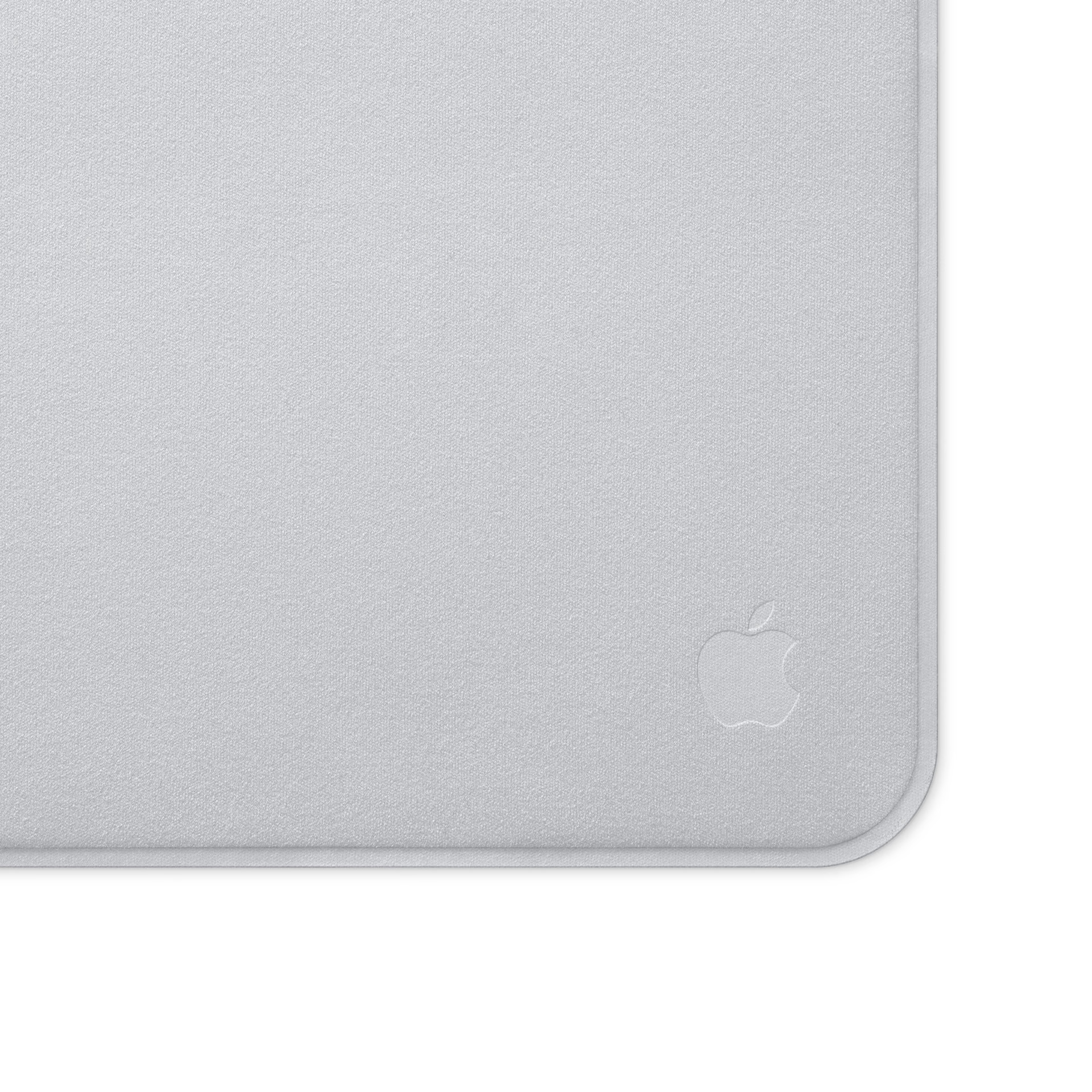
Apple’s most ridiculed accessory has been cut in half. The polishing cloth dropped from US$19 to US$9 and is already on sale. In the same move, and without an announcement, Apple refreshed all three Magic Keyboard models with new keys.
Neither change got its own press release: they appeared in the store the same day as the Mac mini and the Mac Studio.
What changed in the cloth
The price, and the feel. People who received the first units report that the new cloth is considerably less stiff than the original, with a texture closer to the cloth included with nano-texture displays and Apple Vision Pro. The size is practically the same.
The official description did not change by a single comma: it is still a "soft, nonabrasive material" that cleans any Apple display, including nano-texture. Apple has not documented any technical difference, so the only confirmed change is the price.
Will any microfiber cloth work?
For the regular glass on an iPhone or a MacBook, yes: any clean microfiber cloth with no trapped particles will do the job. For a nano-texture display, no. That surface is chemically etched into the glass, and a cloth that scratches that etching leaves a mark that cannot be polished out or repaired: the panel has to be replaced.
That is the difference between the two cases. On a standard display, what gets damaged by a bad cloth or too much alcohol is the oleophobic layer, the coating that makes fingerprints smear instead of sticking. It wears down with use anyway, and the display keeps working the same.
On nano-texture, the anti-reflective finish is the surface itself. A cloth with a grain of sand inside it, a paper napkin, or a microfiber cloth that already cleaned a wheel and was left with residue will leave visible micro-scratches as soon as light hits from the side.
That is why a display like this comes with its own cloth in the box, and why a US$9 replacement instead of a US$19 one matters more than it seems: you are not paying for a rag, you are paying to avoid risking a two-thousand-dollar monitor.
How to clean a nano-texture display
Apple documents the procedure, and it is worth following exactly. For normal maintenance, the cloth should be used dry. For marks that will not come off, it can occasionally be dampened with a 70% isopropyl alcohol solution, never with glass cleaner or kitchen products.
The cloth can also be washed: by hand, with dish soap and water, rinsing it thoroughly and letting it air-dry for at least 24 hours before using it again. That is the part almost nobody does, and it is what prevents the cloth from accumulating precisely the particles that later cause scratches.
Two things that do not appear in the manual but are seen all the time at the service counter: never spray liquid directly on the screen, because it ends up getting past the edge and into the electronics, and never store the cloth loose in a drawer or backpack, where it picks up dust and grit.
Magic Keyboard: symbols replace text
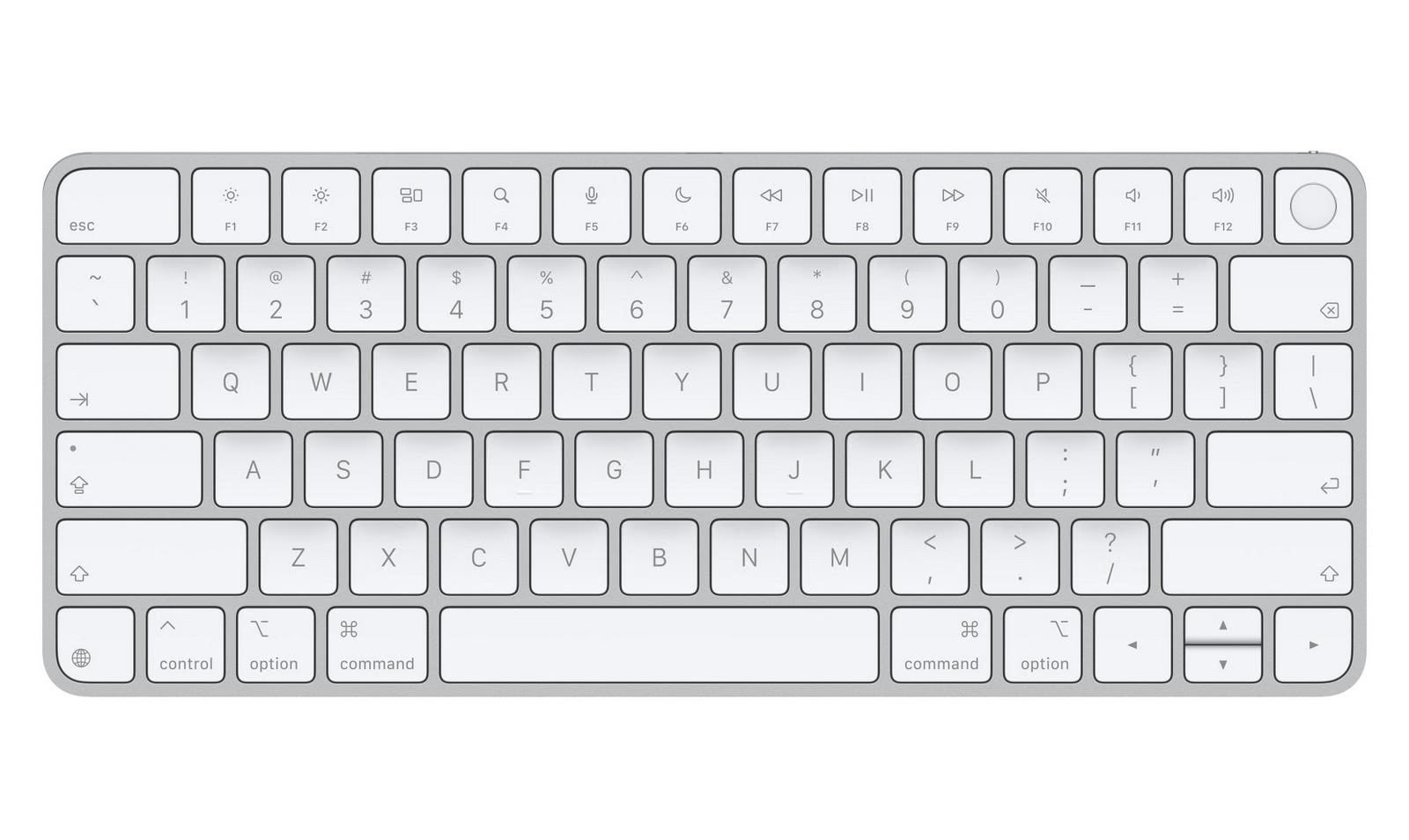
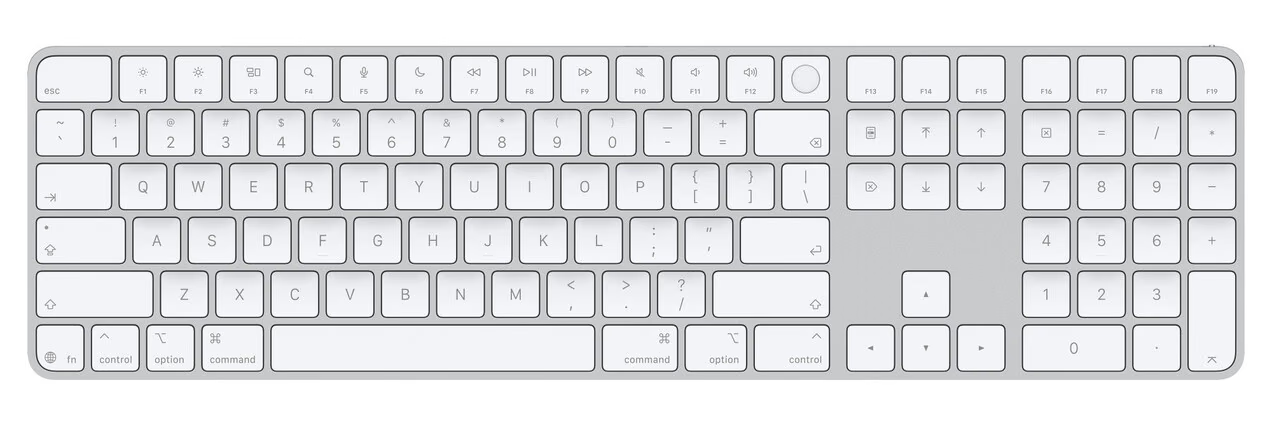
The keyboard change is visual and affects all three models. Keys that used to say "tab", "caps lock", "return", "shift", and "delete" now carry the corresponding symbol, just like on MacBook. On the extended models, the navigation keys follow the same approach.
It is the same redesign Apple applied to its laptops earlier in the year, and it now unifies the desktop lineup with them. The concrete advantage is that a keyboard with symbols does not depend on language: the same unit can be used in any market without changing the printing on the keys.
Prices and models
All three keyboards keep their prices: US$99 for the basic Magic Keyboard, US$149 for the version that adds Touch ID, and US$179 for the one that adds Touch ID and a numeric keypad. All of them still connect and charge over USB-C.
Beyond the keys, nothing else changed: same profile, same key travel, same layout. Anyone who already has one working has no reason to replace it.
40W adapter: the new part is the plug
The 40W Dynamic Power Adapter with 60W Max arrived in nineteen more countries —the European ones that use two round-pin plugs, plus Vietnam— with the prongs retracting into the housing. It costs 45 euros. The list does not include any country in Latin America.
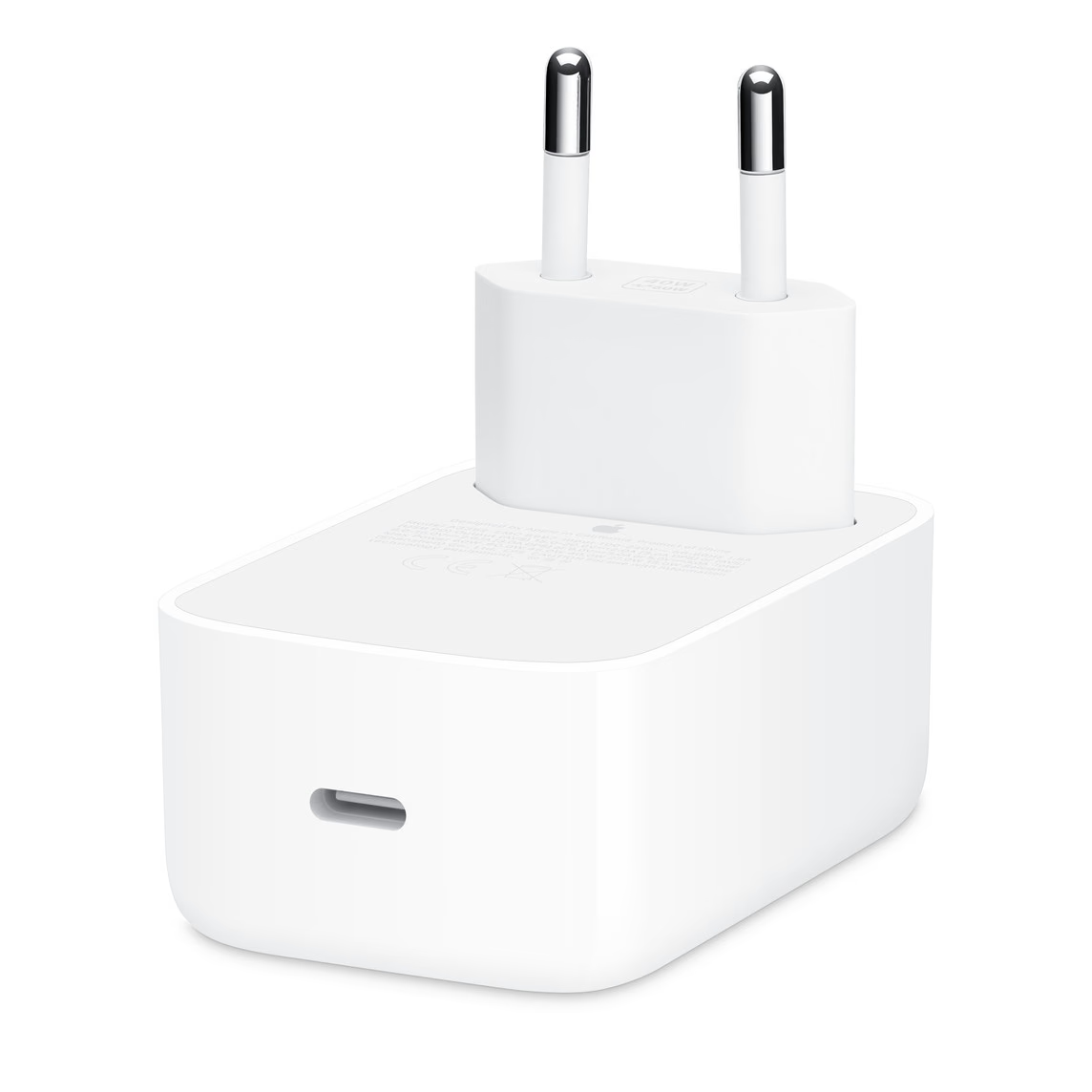
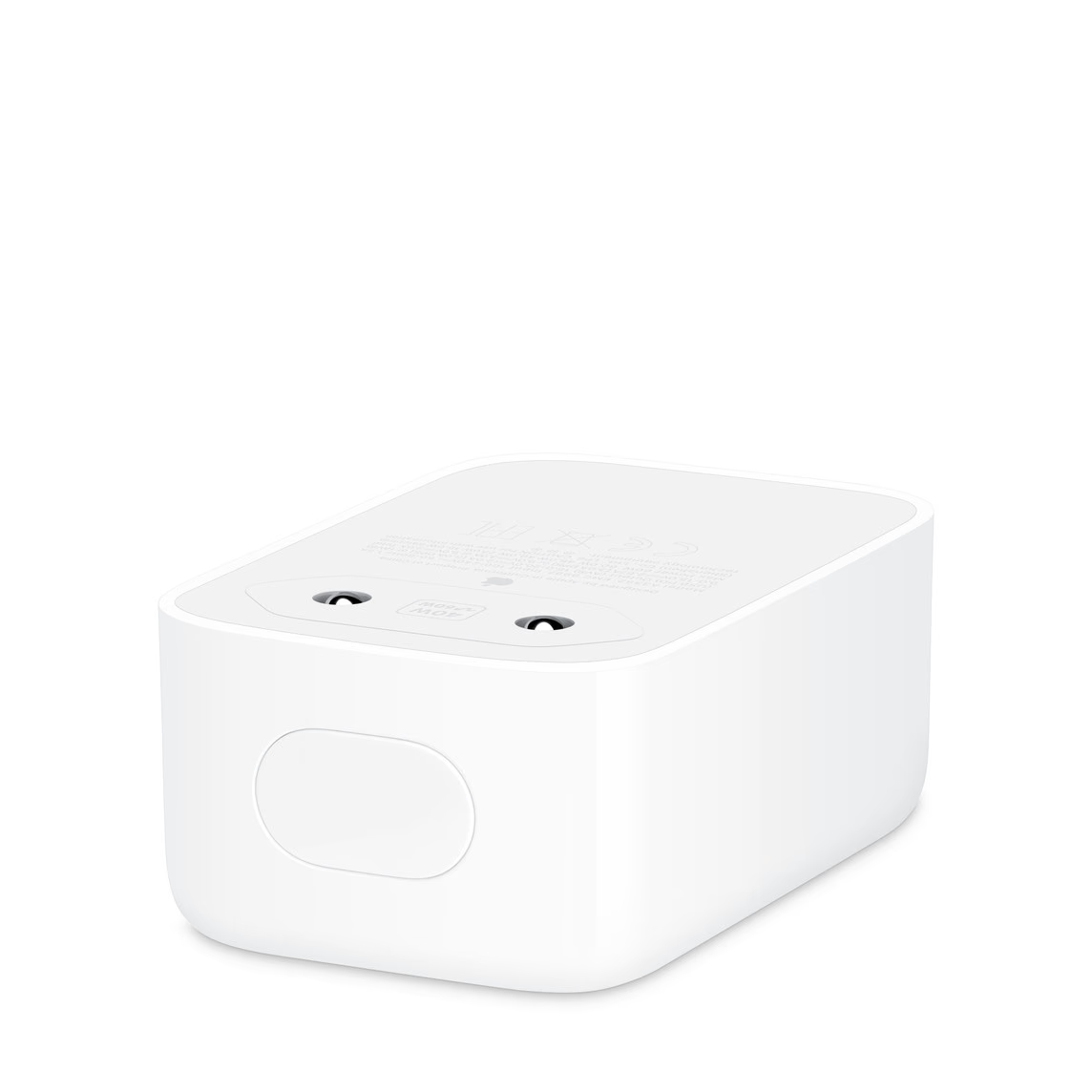
And it is worth clarifying the name, because coverage often explains it incorrectly: "Dynamic" does not mean 60W. It delivers a sustained 40W and rises to 60W in brief peaks, with temperature-based control. The number that defines how long a charge takes is 40W. It does not include a cable.
Conclusion
The US$19 cloth was the easy joke about Apple’s pricing for five years, and it partly earned it: it was expensive for what it is. At US$9, the discussion shifts. It is still a cloth, but it is the replacement for a consumable that ships with equipment worth thousands of dollars and whose surface leaves no room for mistakes.
If you have a nano-texture display and lost the original cloth, buy the new one and do not overthink it. If you have an iPhone, an iPad, or a MacBook with a standard display, any clean microfiber cloth does the same job, and the argument is purely aesthetic.
The keyboards are a different matter: a cosmetic change that unifies the lineup and only matters if you were already about to buy one.
Author
Alexis PaezReport based on official announcements and verified public sources at the time of publishing.
Comments
Share article
You might also like


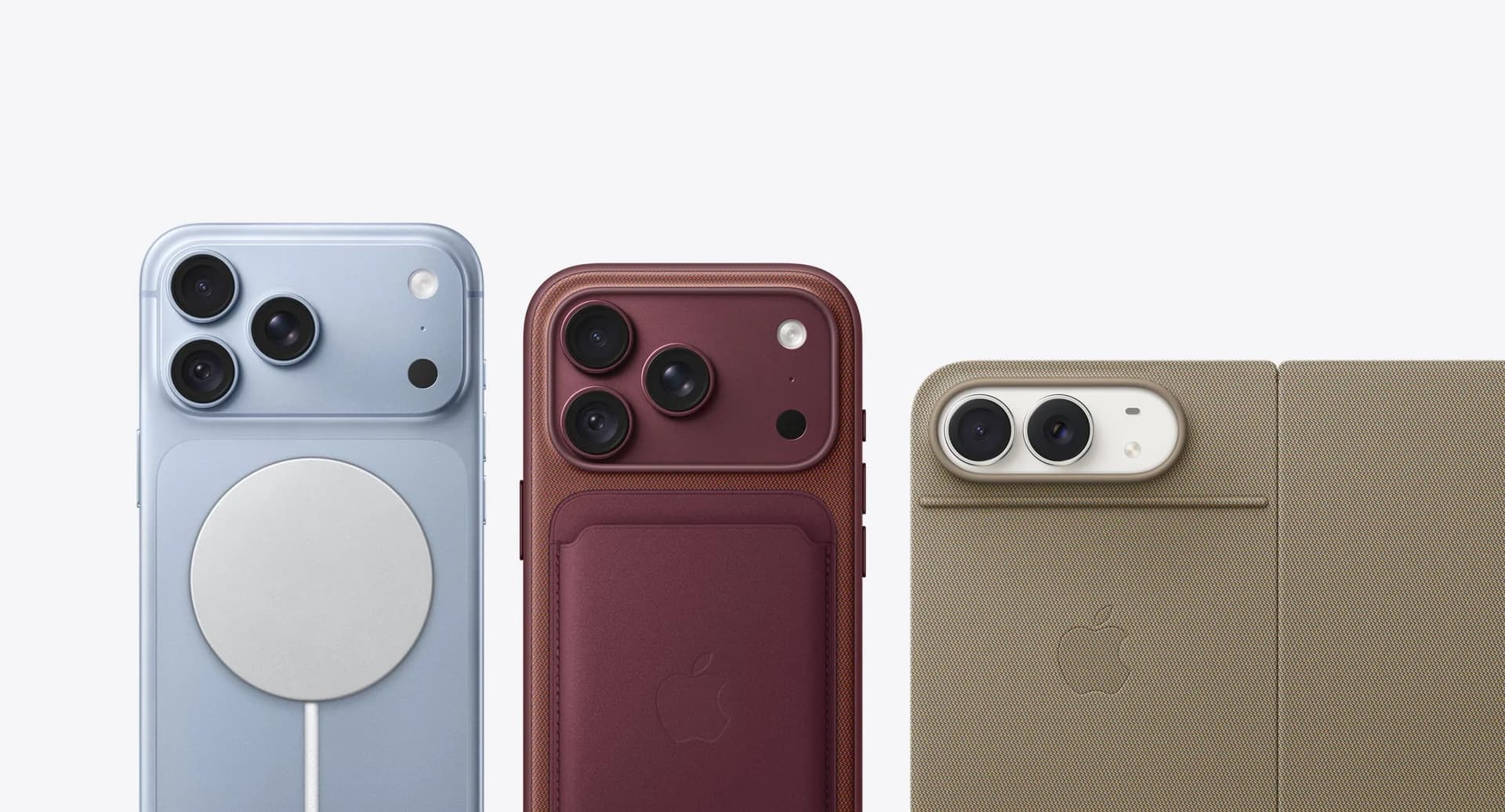
iPhone 18 Pro and Duo accessories: the attachment points are the real news, not the cases
The three iPhone 18 Pro cases, the two iPhone Duo cases, the wallet, and the two new straps, with prices and what each one is for.