TSMC will raise chipmaking prices by up to 10% in 2027 as Chinese AI grows.

Index
TSMC has already put a number in front of its customers: making chips will cost between 5% and 10% more starting in 2027, according to Nikkei Asia. Negotiations began in June, closed in July, and cover both the advanced nodes used by Apple and Nvidia and the mature processes that go into cars, peripherals, and half the electronics industry.
That same week brought the other half of the story: Chinese AI models hit a record adoption level in the United States, led by Moonshot’s Kimi K3 and Alibaba’s Qwen series. Western silicon is getting more expensive just as Chinese intelligence gets cheaper. That squeeze is the real story.
Why is TSMC raising prices?
TSMC negotiated base increases of between 5% and 10% with its customers, depending on the customer and product, taking effect from the start of 2027. The company is looking to cover the higher cost of materials, manufacturing equipment, and building plants outside Taiwan. The increase affects both advanced and mature nodes.
Mature processes —12, 16, and 28 nanometers— are rising by up to 10%, just like advanced nodes. And there is an extra charge almost no one is highlighting: high-performance computing orders that exceed forecasts will pay an additional 10% to 15% surcharge. For some AI chips, the final bill will rise by more than 10%.
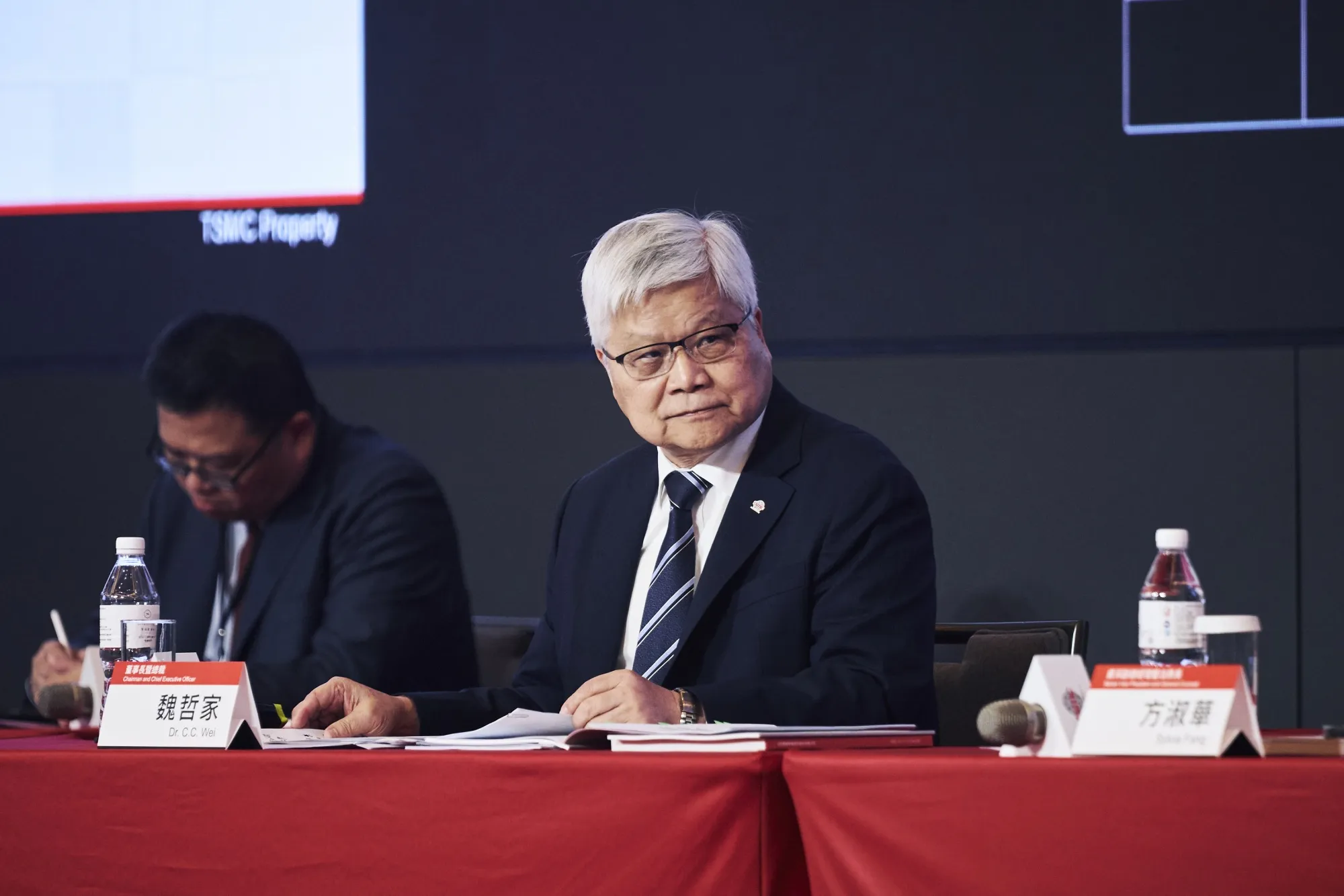
TSMC does not confirm prices, but it is not denying the move either. “Our pricing is strategic, not opportunistic,” a spokesperson told Reuters. Its CEO, C.C. Wei, was more direct with analysts after reporting results: “We don’t raise prices all at once. We make sure profit and gross margin are enough to sustain long-term expansion.”
TSMC is not raising prices out of necessity. The second quarter closed with revenue of US$40.2 billion, up 34% from a year earlier, and a record gross margin of 67.7%. What is real is the cost of expansion: its capital budget rose to between US$60 billion and US$64 billion for 2026, and building fabs in the United States and Japan is structurally more expensive than doing so in Taiwan.
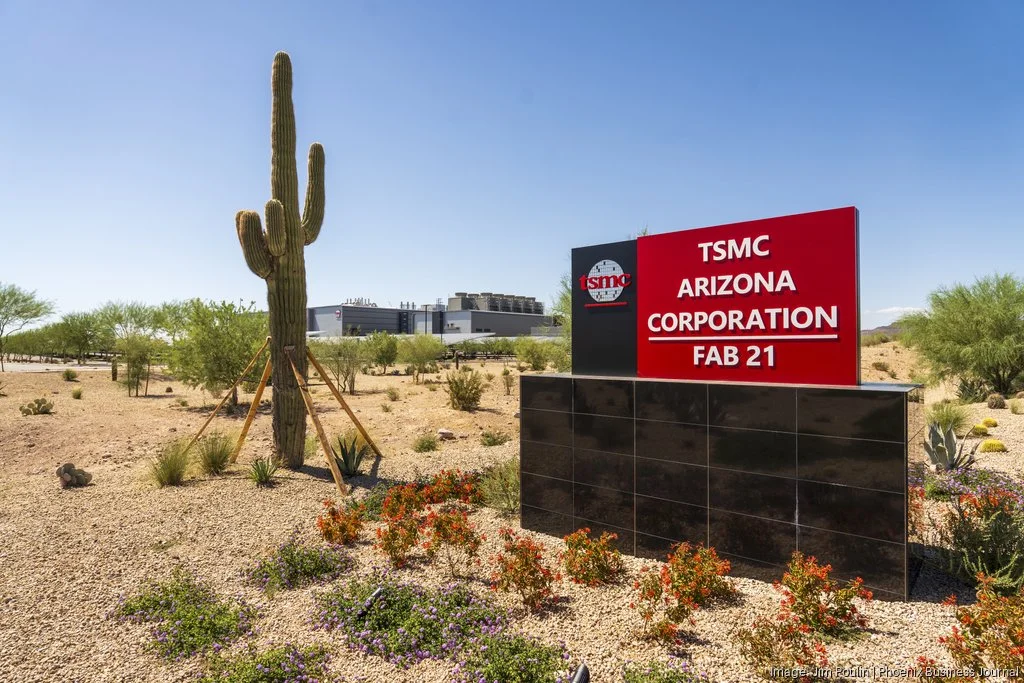
Arizona is the example. The Phoenix buildout has already scaled to US$265 billion, and the company is accelerating it: its CFO, Wendell Huang, told CNBC that demand is “robust” and described AI as a “mega trend.” That urgency has a cost, and the bill is being spread across customers.
Apple and Nvidia: who pays the bill
Apple is TSMC’s largest customer and manufactures all of its A- and M-series chips there. The timing does not help: 2027 is the year when the next iPhone 18 and the 20th-anniversary model are expected. Cost pressure is not new either: in June, Apple already raised prices across several product lines because of more expensive memory, a move Tim Cook called “inevitable.”
Nvidia is running a different race. It has been pushing TSMC to accelerate capacity expansion because AI accelerator bottlenecks are limiting its business. More capacity, faster, and in more expensive fabs: the price increase is also the cost of that urgency.
The point the headlines miss: 28 nanometers is not where flagships are made; it is where everything else is made. Controllers, power-management chips, sensors, and microcontrollers for cars and peripherals. With mature nodes rising by up to 10%, the increase is not an AI-only problem: it hits the cost base of half the industry.
Kimi K3 and the AI that is getting cheaper
While silicon is getting more expensive, the opposite is happening on the other side. In mid-July, Moonshot AI launched Kimi K3, the world’s largest open-weight model: 2.8 trillion parameters in a mixture-of-experts architecture, a 1-million-token context window, and multimodal support for image and video.
According to Moonshot itself, K3 still trails Claude Fable 5 and GPT-5.6 Sol in overall performance, but it competes toe to toe in coding and agents, where it beats several top Anthropic and OpenAI models in specific tests. Bank of America analysts pointed to the bigger issue: with restricted access to the most advanced chips, Moonshot is improving how it trains and designs its models, not how much silicon it throws at them.
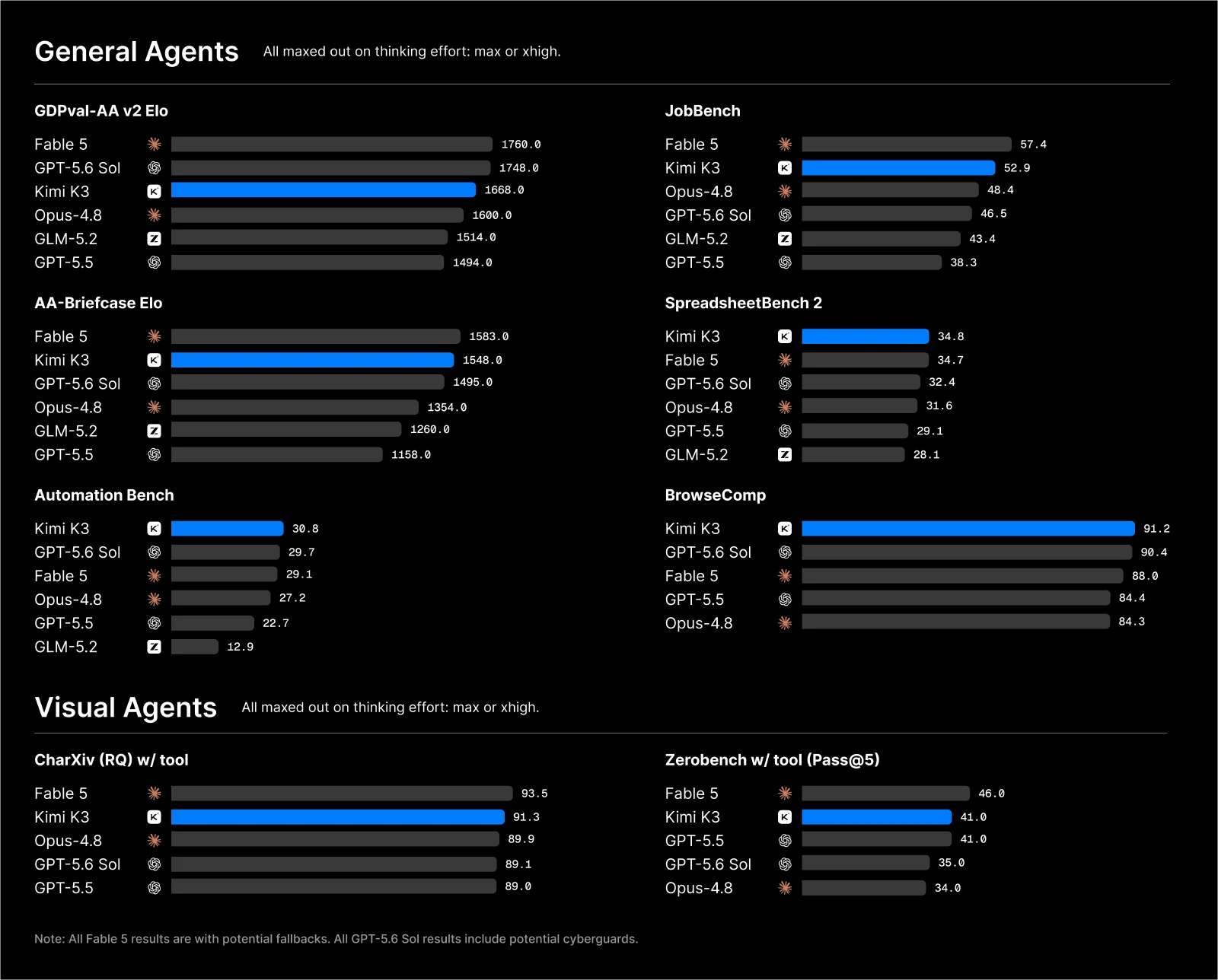
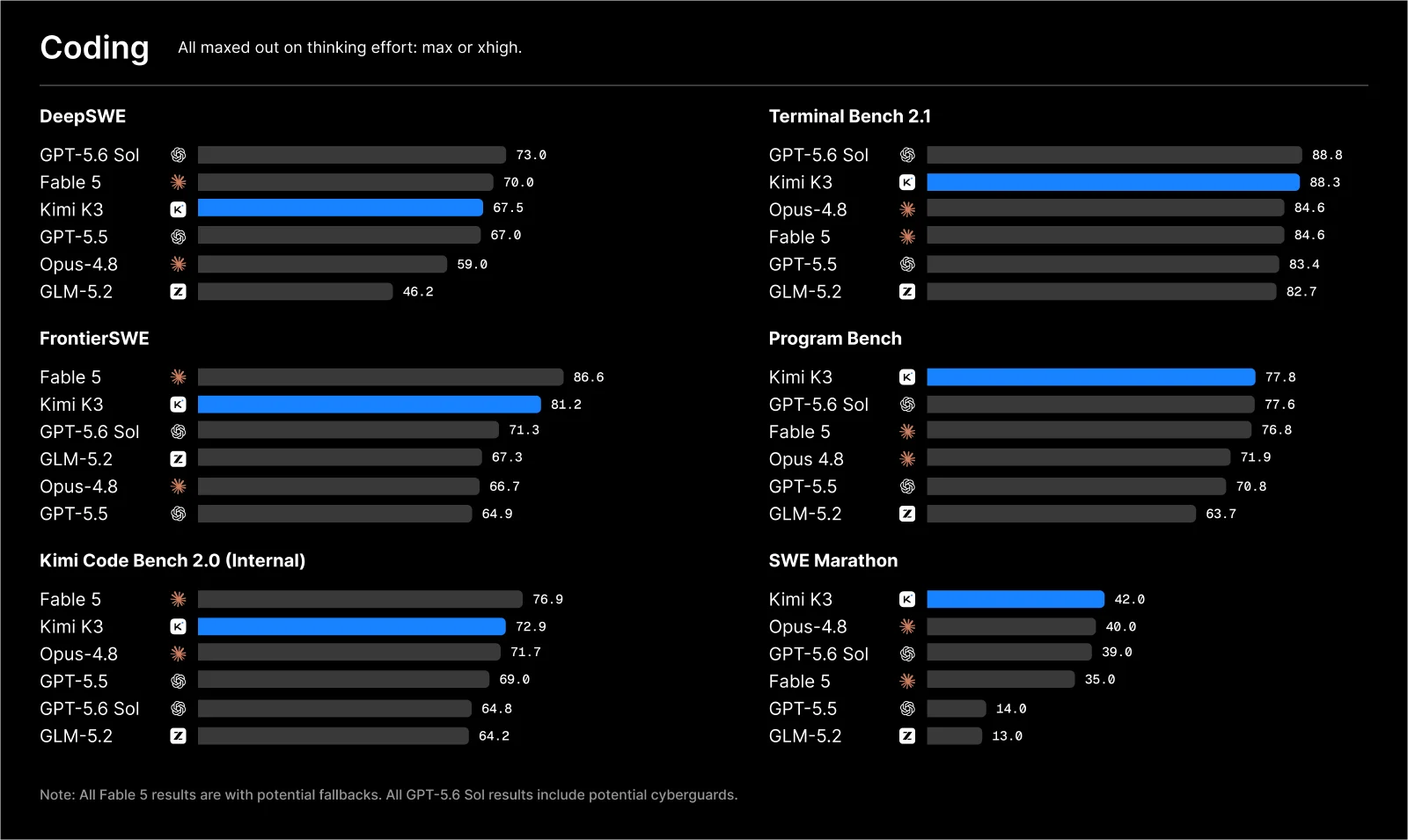
Price is the other argument. K3 costs US$15 per million output tokens: expensive by Chinese standards —GLM-5.2 charges US$4.40 and DeepSeek V4 drops to US$0.87, according to Fortune— but a fraction of the US$50 charged by its U.S. equivalent.
Alibaba responded a few days later with the preview of Qwen 3.8 Max, which the company says trails only Fable 5. Markets felt the hit: shares of Zhipu and MiniMax fell 28.4% and 15.6% in Hong Kong on the day K3 launched, and the Philadelphia semiconductor index entered bear-market territory after its worst week in more than a year. The underlying fear is simple: if open models keep getting more efficient, the world may need less compute than markets had priced in.
Chinese models: 58% of U.S. tokens
Adoption is no longer anecdotal. On OpenRouter, the platform thousands of startups use to route their calls to AI models, tokens processed by U.S. companies through Chinese models hit a record 58%, according to data gathered by Bloomberg. A year ago, U.S. models accounted for around 70% of total traffic; today they are closer to 30%. DeepSeek is the platform’s top individual provider, and Qwen is second.
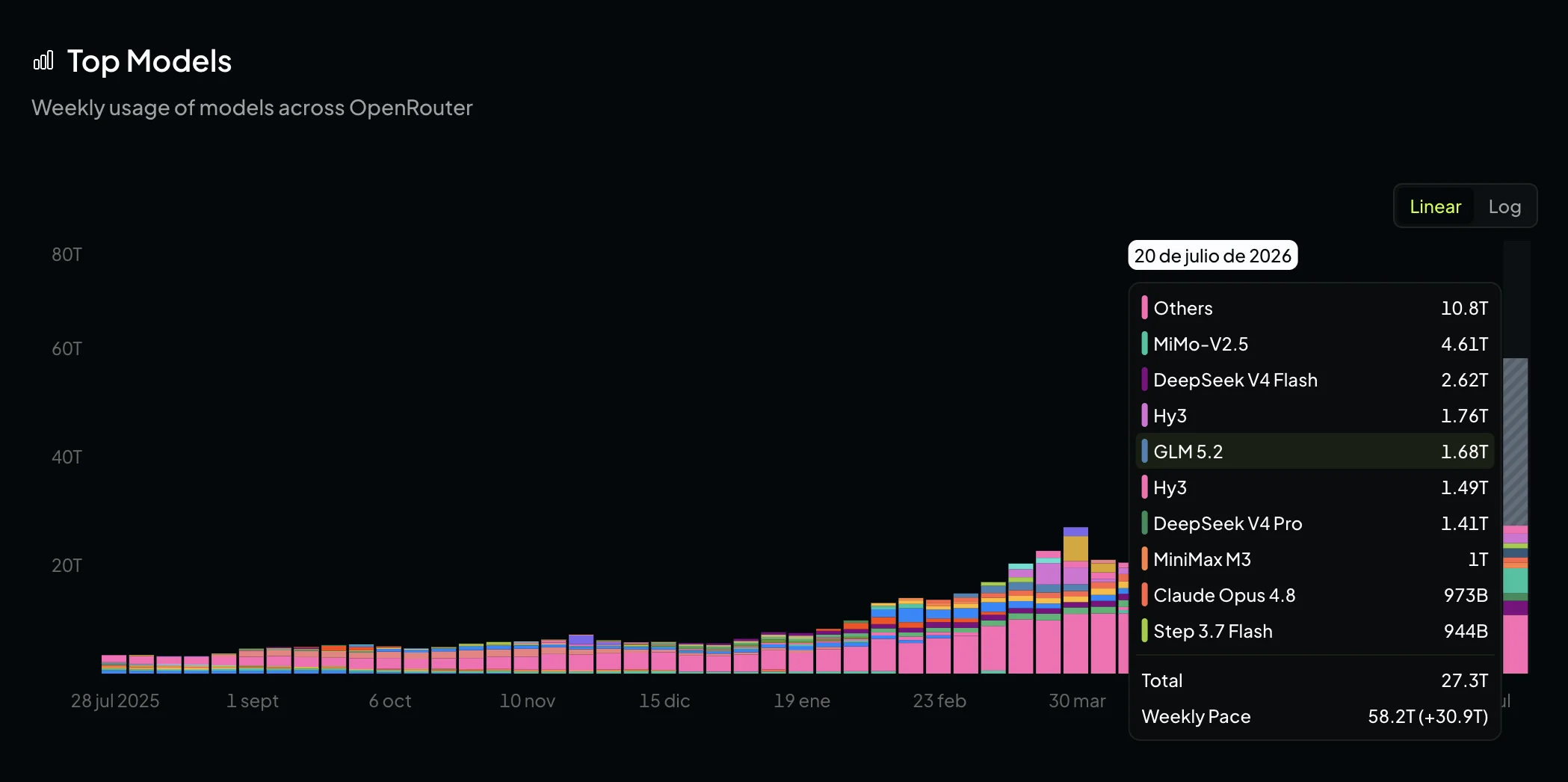
The use cases have names. Cursor —the coding startup SpaceX is buying for about US$60 billion— acknowledged that it built Composer 2 on a Kimi model. DoorDash delegates lower-level tasks to Kimi K2.6, according to its CTO. Brian Chesky admitted that Airbnb uses Qwen in customer support, and Lindy AI cut its inference costs by 90% after migrating from Anthropic models to DeepSeek. On Hugging Face, downloads of Chinese models surpassed U.S. models for the first time in 2025, according to its CEO, Clément Delangue.
The honest caveat: this is adoption by developers and startups, not large enterprises. Analysts agree that companies with Oracle, SAP, or Microsoft infrastructure are not going to integrate Chinese models in the short term. And politics could slow the momentum from both ends: the U.S. Treasury has threatened sanctions against Chinese labs over alleged distillation of U.S. models, Congress is weighing how to limit domestic adoption, and Chinese regulators are considering restricting foreign access to their most capable systems.
The squeeze that defines 2027
The two stories are really one. The maker of the world’s most advanced chips confirmed that its pricing power remains intact, and the labs that cannot buy those chips showed they can compete anyway. Export controls pushed China toward software efficiency, and that efficiency is now eating into U.S. models’ share inside their own market.
For U.S. labs, the equation is becoming uncomfortable: compute is getting more expensive while competitors charge 3 to 10 times less per token. For everyone else, the signal is concrete: 2027 devices are coming with cost pressure from the fab, and whether manufacturers absorb it or pass it on to final prices is the year’s open question.
The U.S. advantage can no longer be defended by silicon alone. In 2027, the AI race will be measured as much by the cost of each token as by who has the best chip. And for now, each side of that squeeze is being won by someone different.
Frequently asked questions
How much will TSMC’s prices increase?
Base increases range from 5% to 10% depending on the customer and product, and cover both advanced and mature nodes. High-performance computing orders that exceed forecasts will pay an additional 10% to 15% surcharge, meaning some AI chips will rise by more than 10% in total.
When do the new prices take effect?
At the beginning of 2027. According to Nikkei Asia, negotiations with customers began in June and closed in July 2026, and TSMC postponed implementation to give them time to adjust.
Will the iPhone become more expensive because of this increase?
Apple’s A- and M-series chips are made at TSMC, so their production cost is going up. Whether Apple absorbs the difference or passes it on to final prices has not been decided, but in June it already raised prices on several products because of memory costs.
What is Kimi K3?
It is the world’s largest open-weight AI model, developed by China’s Moonshot AI: 2.8 trillion parameters, a 1-million-token context window, and multimodal support. It competes with the best U.S. models in coding and agents at a fraction of the price.
Can U.S. companies use Chinese AI models?
Today, yes: most are open-weight or accessible via API, and they already process more than half of U.S. startups’ tokens on platforms such as OpenRouter. But Congress and the Treasury are considering restrictions, and China is examining limits on foreign access to its most capable models.
Author
Alexis PaezReport based on official announcements and verified public sources at the time of publishing.
Comments
Share article


Recent articles
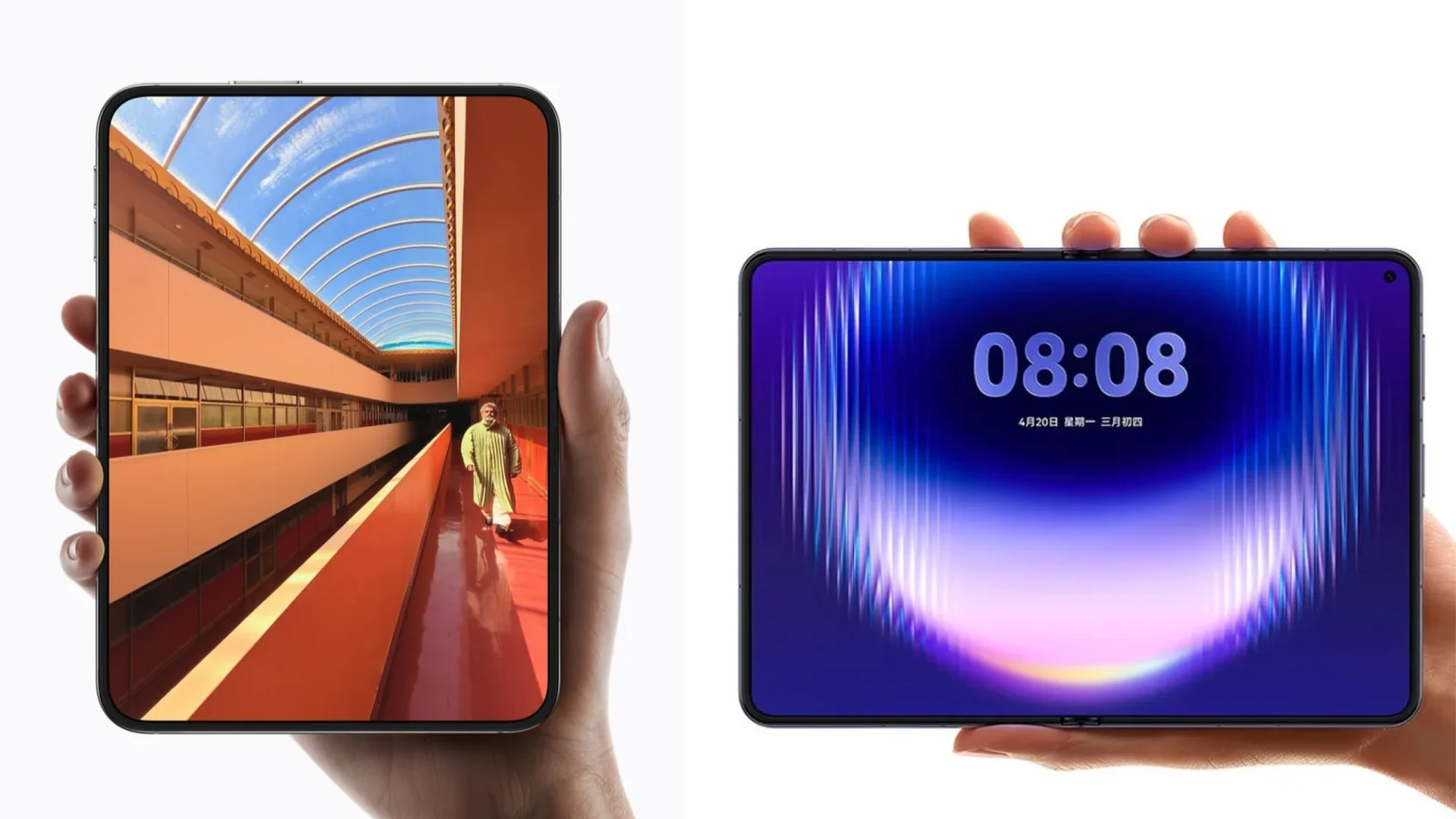
Huawei Pura X Max vs iPhone Duo: what changes beyond the foldable screen
Huawei Pura X Max vs iPhone Duo: size, multitasking, cameras, styluses, and charging. What changes in use and which one better fits your priorities.