Apple Watch Ultra 4: same sensors as the Series 12, but 50-hour battery life and certified diving
Index
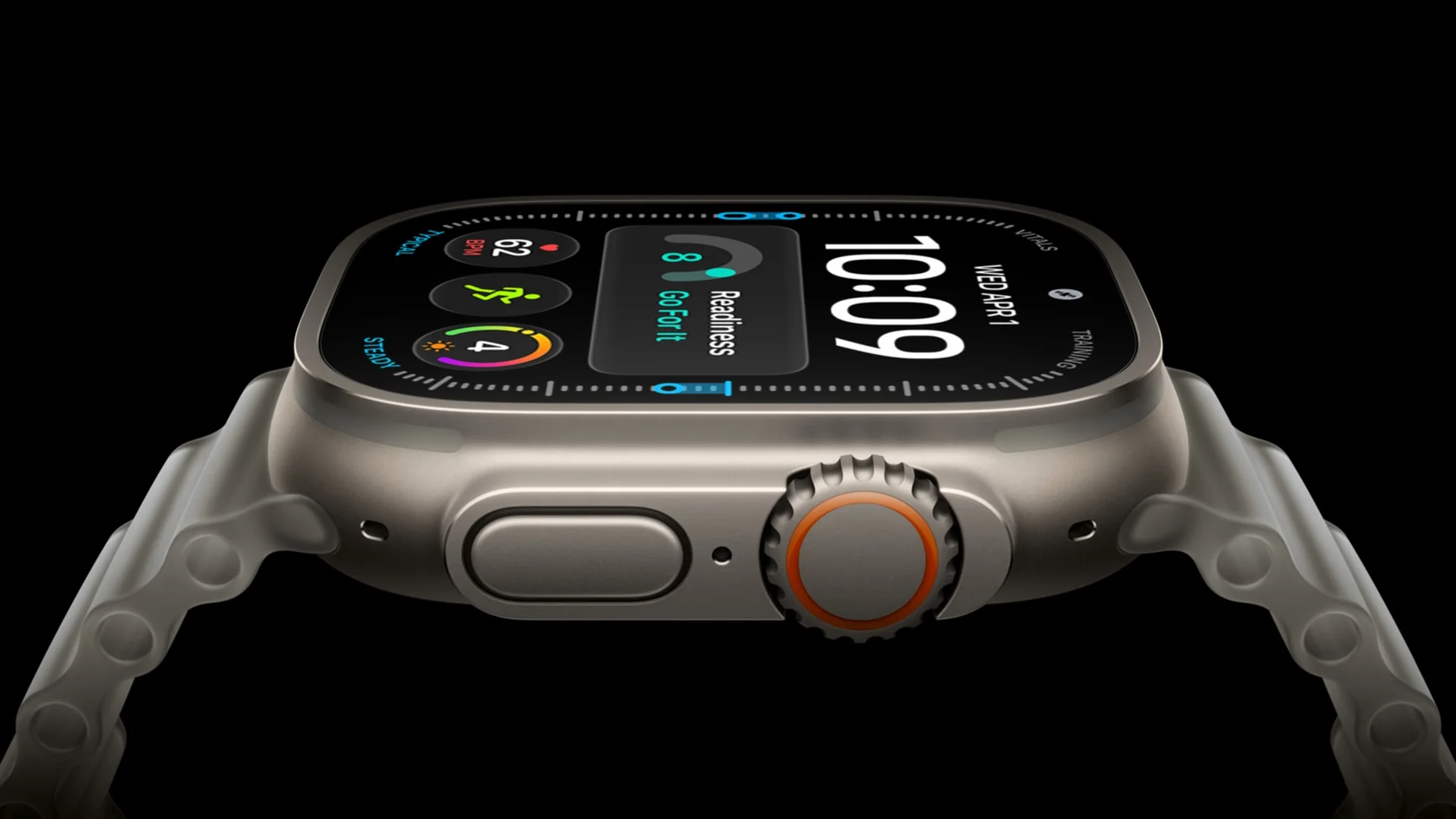
The Apple Watch Ultra 4, one of the seven products from the Surprise and Shine event, stays at US$799 and shares the same S11 chip and the same sensor system as the Apple Watch Series 12. What sets it apart is not health features: it is battery life and certifications, and in this generation the gap gets wider.
What changes in the Apple Watch Ultra 4
The sensors and silicon carry over unchanged from the aluminum model, so everything new in heart rate measurement, variability, and Readiness works the same on both. The Ultra adds battery life, certified durability, and satellite connectivity.

The sensors are the same as on the Series 12
The health data logging system is identical: electrodes with more surface area for ECG, photodiodes arranged in a ring, and larger green LEDs. The practical outcome is what matters: background heart rate readings every 5 seconds throughout the day, sixty times more often than before.

The same features run on top of that data: heart rate variability in Vitals with a new daytime view, sleep score, ECG, and blood oxygen.

There is one transparency detail worth noting: Apple publishes the exact variability sampling interval for the Series 12 — up to every 5 minutes — but does not specify it for the Ultra 4, where it only says "up to 24 times more often." Since the sensor system is the same, it is reasonable to assume the same interval, but it is not stated.
Battery: this is the differentiator
This is the real axis, and the spec-sheet numbers make it clear. According to the technical specifications, the Ultra 4 reaches 50 hours of normal use and 84 hours in Low Power Mode. For workouts, with full GPS and active heart rate tracking, it delivers 18 hours.
On top of that, there are two modes the Series 12 does not have: Extended Workout rises to 25 hours, and Maximum Extended Workout reaches 45 hours, enough time to finish a 100-mile race without charging.
The honest comparison against the Series 12 is 18 hours versus 10 in normal workout mode. The 45-hour figure is a separate mode, not the everyday number, and comparing it against the aluminum model’s 10 hours inflates the gap. Even so, nearly double the runtime in comparable use is what decides whether the watch makes it to the end of an ultramarathon or a two-day trek.

Water, mountains, and the certifications behind it
Here the Ultra stops being a sports watch with marketing and becomes a certified instrument. Water resistance is rated to 100 meters under ISO 22810:2010, covering swimming, snorkeling, diving, and high-speed water sports. It also adds IP6X dust resistance.
What separates it from any other Apple Watch is the EN13319 certification for recreational diving down to 40 meters, with one-meter accuracy. That is the standard for dive computers, not sports watches: it is what enables it to be used as a depth instrument, not just as a submersible stopwatch.
And it has been tested under MIL-STD 810H across the subsections for altitude, high and low temperature, thermal shock, immersion, freeze/thaw, ice and freezing rain, and shock and vibration.


For dry land, there are race routes, downloaded maps for offline use, and the compass — the set of tools that makes the watch useful when the phone has no signal.
Satellite communication
And when there is no signal at all, the Ultra 4 has satellite communication for Emergency SOS and Find My. It is the feature that justifies the entire model for anyone who goes beyond antenna coverage: it is not a convenience, it is the difference between being able to call for help and not being able to.
Apple did not mention it on stage, so the source is the spec sheet and not the keynote. That is worth clarifying because much of the event coverage left it out entirely.

Audio Intelligence
The S11 brings an always-on processor with a secure exclave, plus a dedicated audio buffer that handles raw sound only for processing. On top of that run Sound Recognition, which alerts you when it detects sirens, alarms, or a baby crying even if you do not have your iPhone nearby; Live Rewind, which transcribes the last 15 seconds with a double press of the crown; Siri Recap, which takes notes from a conversation; and Shazam.
No recordings are created or saved, raw audio is inaccessible even to Apple, and the system does not identify who is speaking. Transcriptions and summaries sync with end-to-end encryption.

Sound Recognition and Shazam are available from launch. Live Rewind and Siri Recap require Siri AI and arrive in beta in late 2026, starting with English.
The redesigned Health app
Everything the watch measures ends up in the Health app on iPhone, which was completely rebuilt with Apple Intelligence at the center. The Insights tab builds a summary of what is most relevant, there is personalized guidance that adapts to your data, and Biological Age and a Longevity tab appear.

That block arrives in late 2026 and starts only in U.S. English, so it is a future promise rather than something you will use on the day you buy it.
Design, bands, and price
The case is still grade 5 titanium with a flat sapphire crystal, in the same two finishes: Natural and Black.
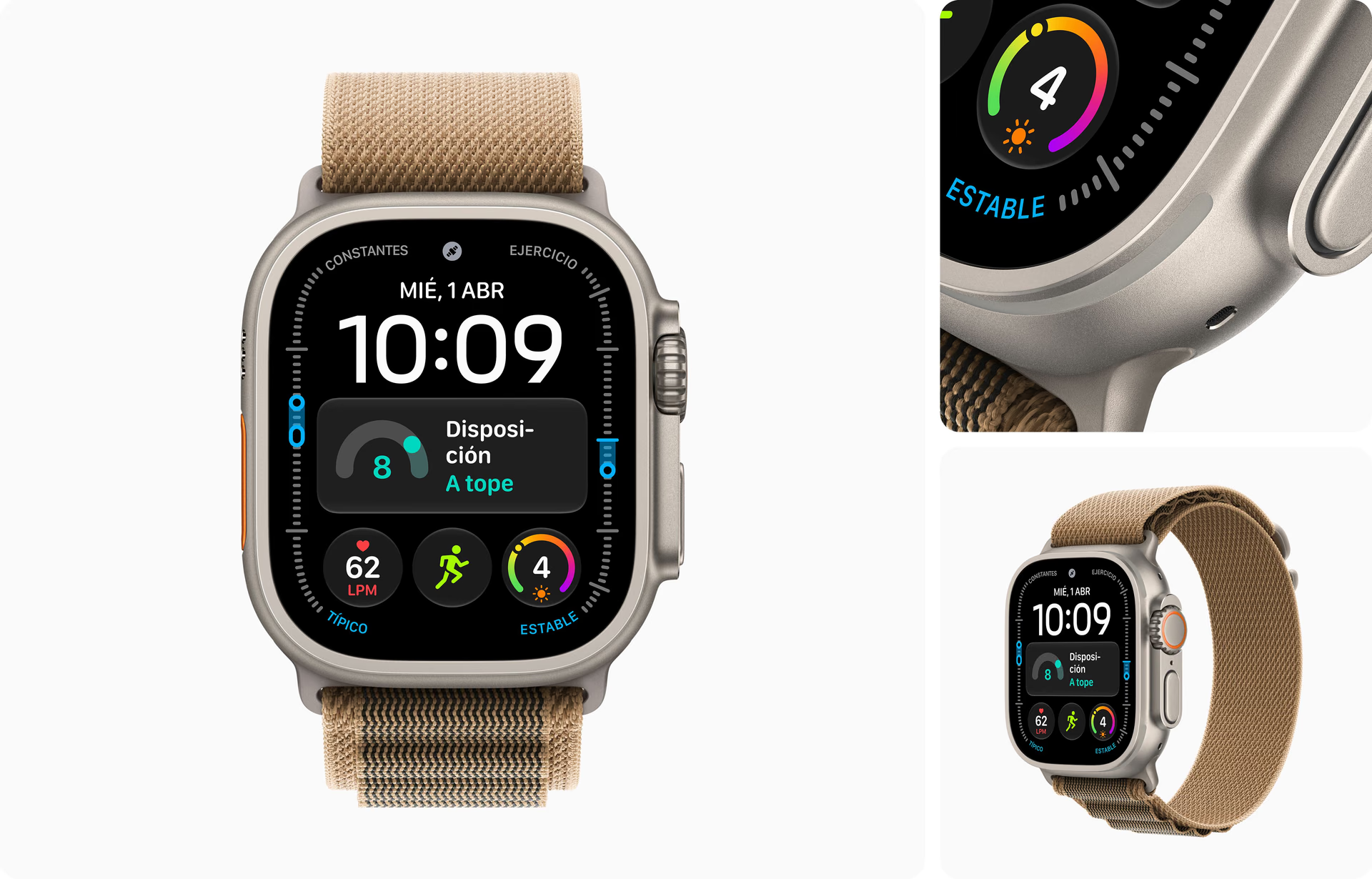
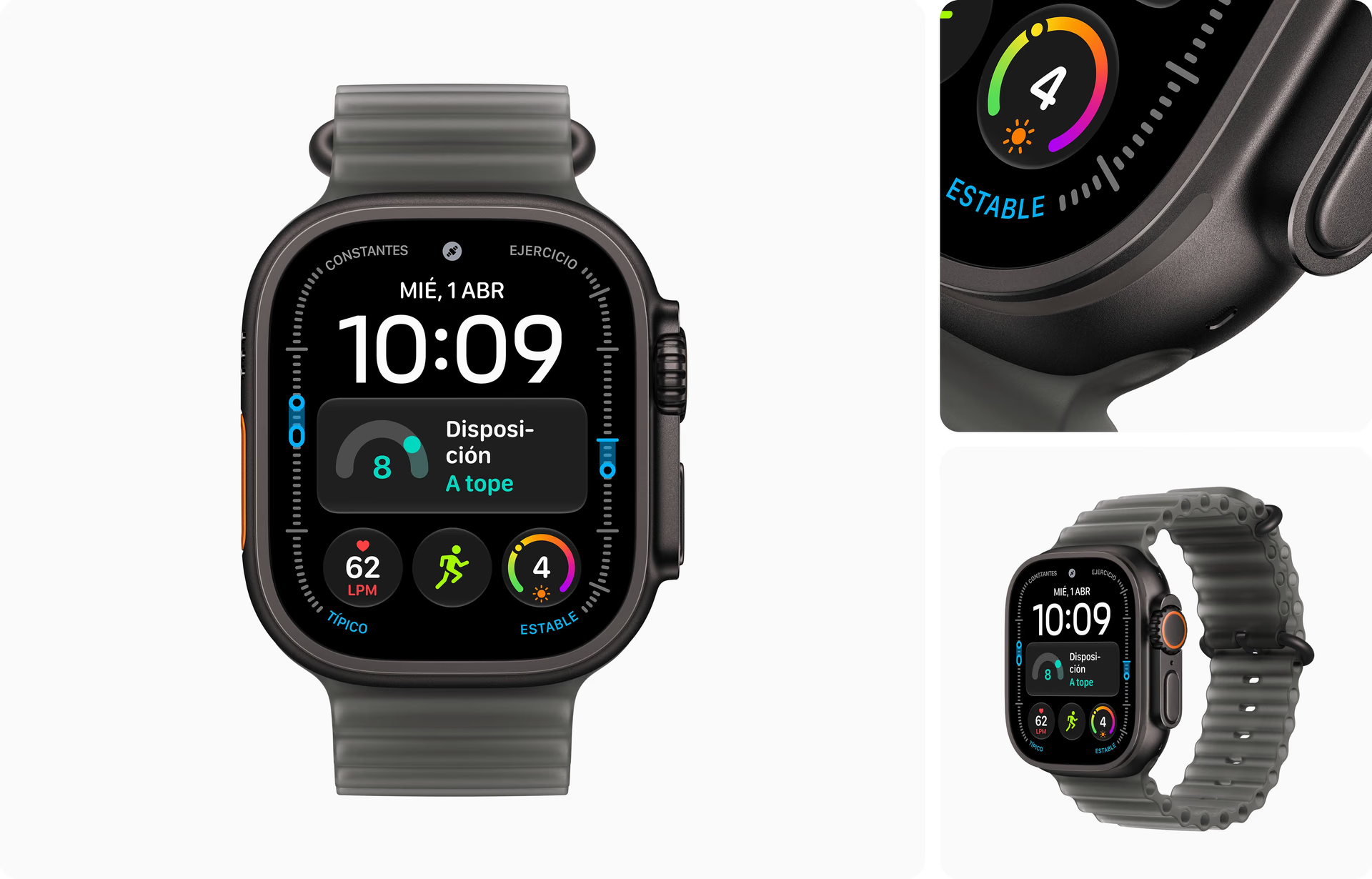
There are new colors across the entire band lineup, and Hermès adds a titanium band for the Ultra.
The price stays at US$799. Preorders opened on September 9 and sales begin on the 18th. If you care about the band ecosystem, Apple is already preparing a bigger redesign for 2027 that could change compatibility.
Conclusion
If you train long — ultramarathons, multi-day treks, diving — the Ultra 4 is the only Apple Watch that can keep up. The 18 hours with full GPS, the 25- and 45-hour extended modes, EN13319 certification, and satellite are not marketing: they are four capabilities the Series 12 simply does not have.
If your activity is running or cycling a few hours a week, the Series 12 does exactly the same thing for health — same chip, same sensors, same features — for half the price. The US$400 difference buys battery life and durability, not better data.
And if you are coming from an Ultra 3, the argument is weak: the new sensors are the real new feature, and much of what takes advantage of them arrives in beta and in English at the end of the year. It is better to wait until Readiness and the Health app are available in Spanish.
Frequently asked questions
How long does the Apple Watch Ultra 4 battery last during workouts?
Up to 18 hours of outdoor workouts with GPS and the heart rate sensor active. Two modes stretch that further: Extended Workout reaches 25 hours, and Maximum Extended Workout reaches 45. In normal use it is 50 hours, and 84 in Low Power Mode.
Is it actually good for diving?
Yes, within recreational diving. It is certified under the EN13319 standard down to 40 meters with one-meter accuracy, which is the standard for dive computers, and it resists 100 meters of water under ISO 22810:2010. It does not replace technical depth equipment, but it is a certified instrument and not just a submersible watch.
What does the Ultra 4 gain over the Series 12 in health?
Nothing. They share the S11 chip and the same sensor system, so heart rate every 5 seconds, variability, ECG, and Readiness work the same on both. What the Ultra adds is battery life, water and mountain certifications, and satellite communication.
Apple Watch Ultra 4
Apple Watch adventure model, with a grade 5 titanium case, up to 50 hours of battery life, EN13319 diving certification, and satellite communication.
Author
Alexis PaezReport based on official announcements and verified public sources at the time of publishing.
Comments
Share article
You might also like
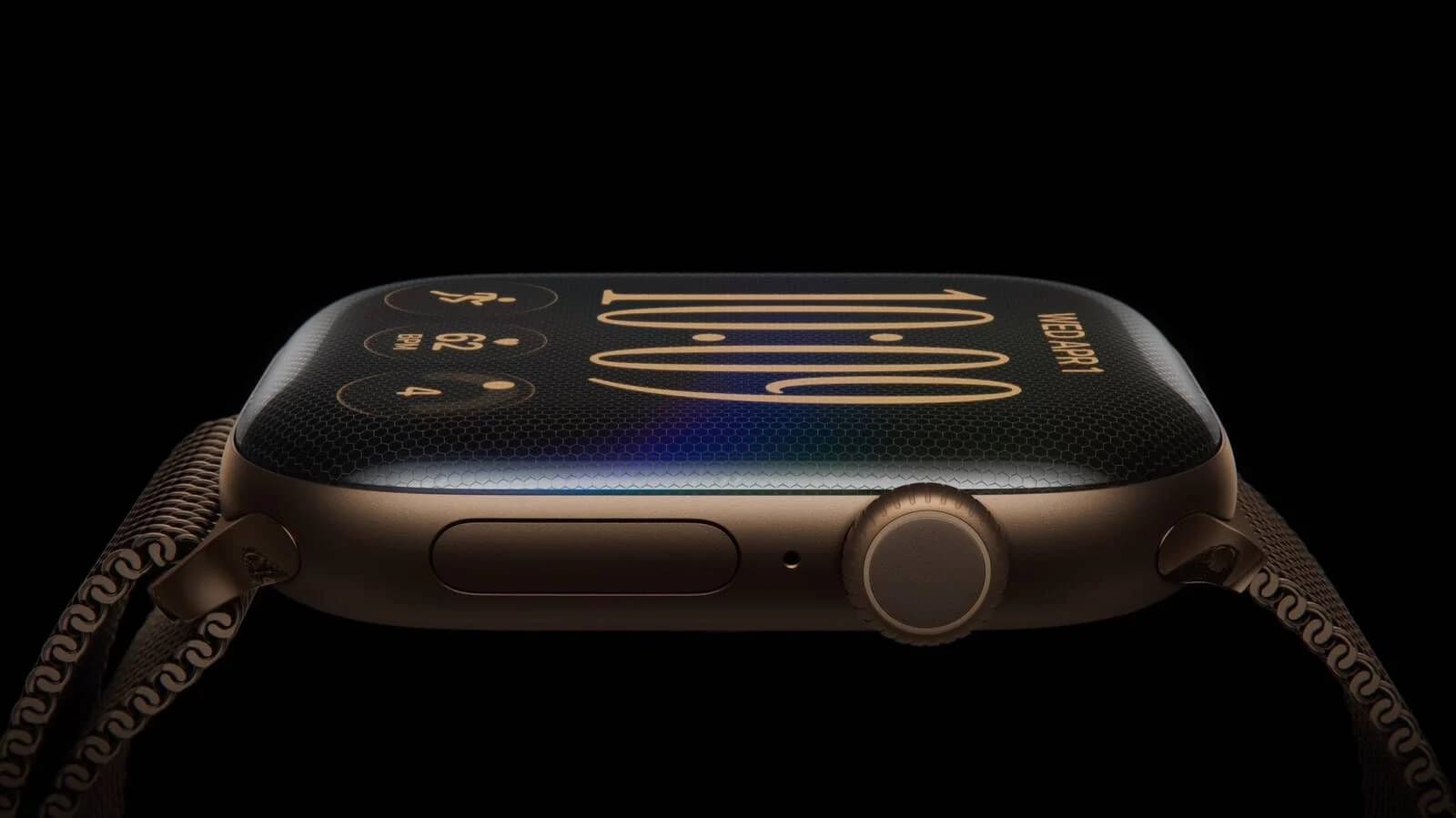
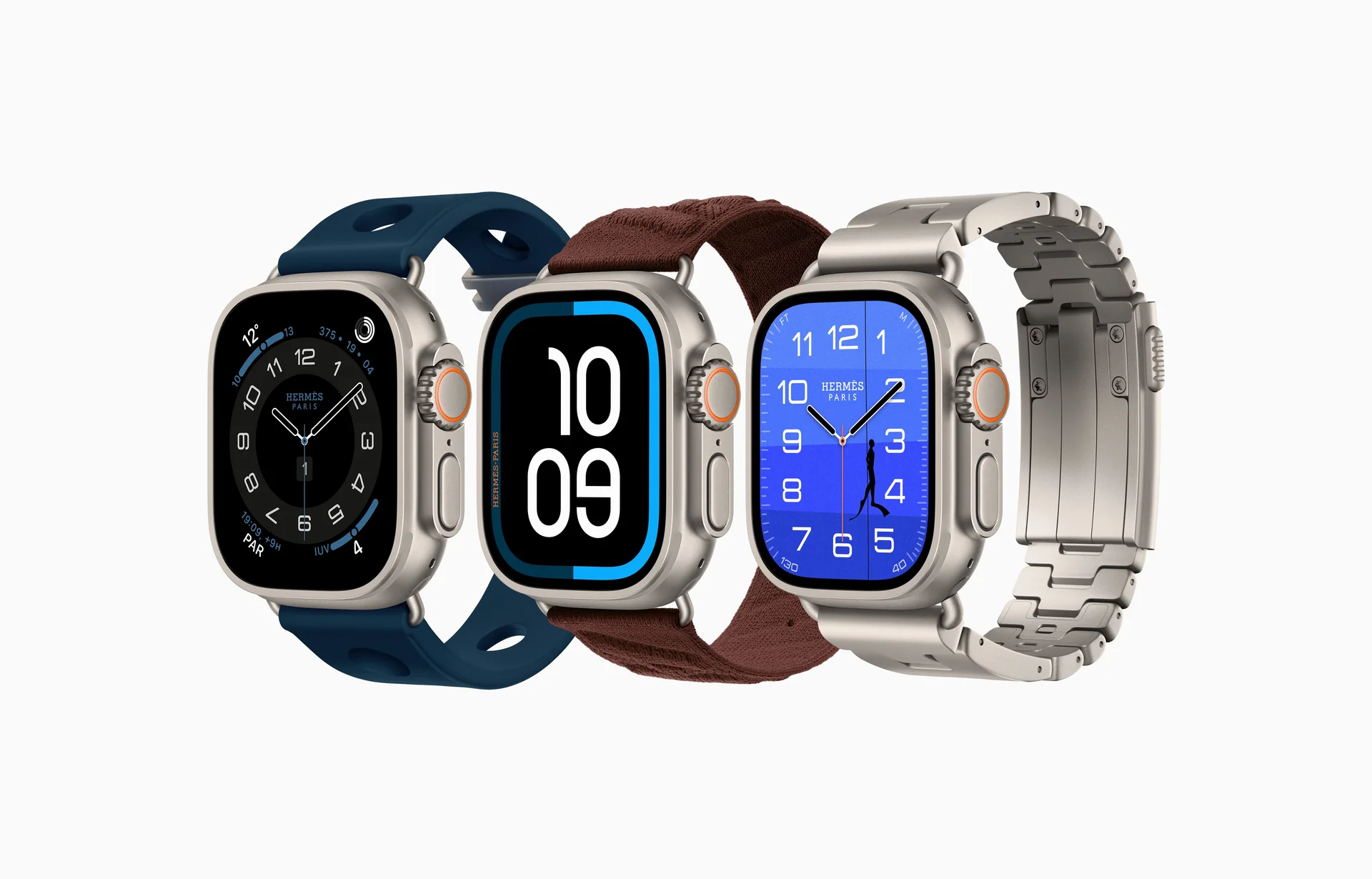
Apple Watch Ultra 4 bands: from US$99 to US$2,199, and which Series 12 bands are compatible
The four Apple Watch Ultra 4 bands and the three Hermès options, with prices, what each one is for, and which Series 12 bands fit the 49 mm case.


Recent articles
Huawei Pura X Max vs iPhone Duo: what changes beyond the foldable screen
Huawei Pura X Max vs iPhone Duo: size, multitasking, cameras, styluses, and charging. What changes in use and which one better fits your priorities.