Apple Surprise and Shine: everything announced, with prices and dates
Index
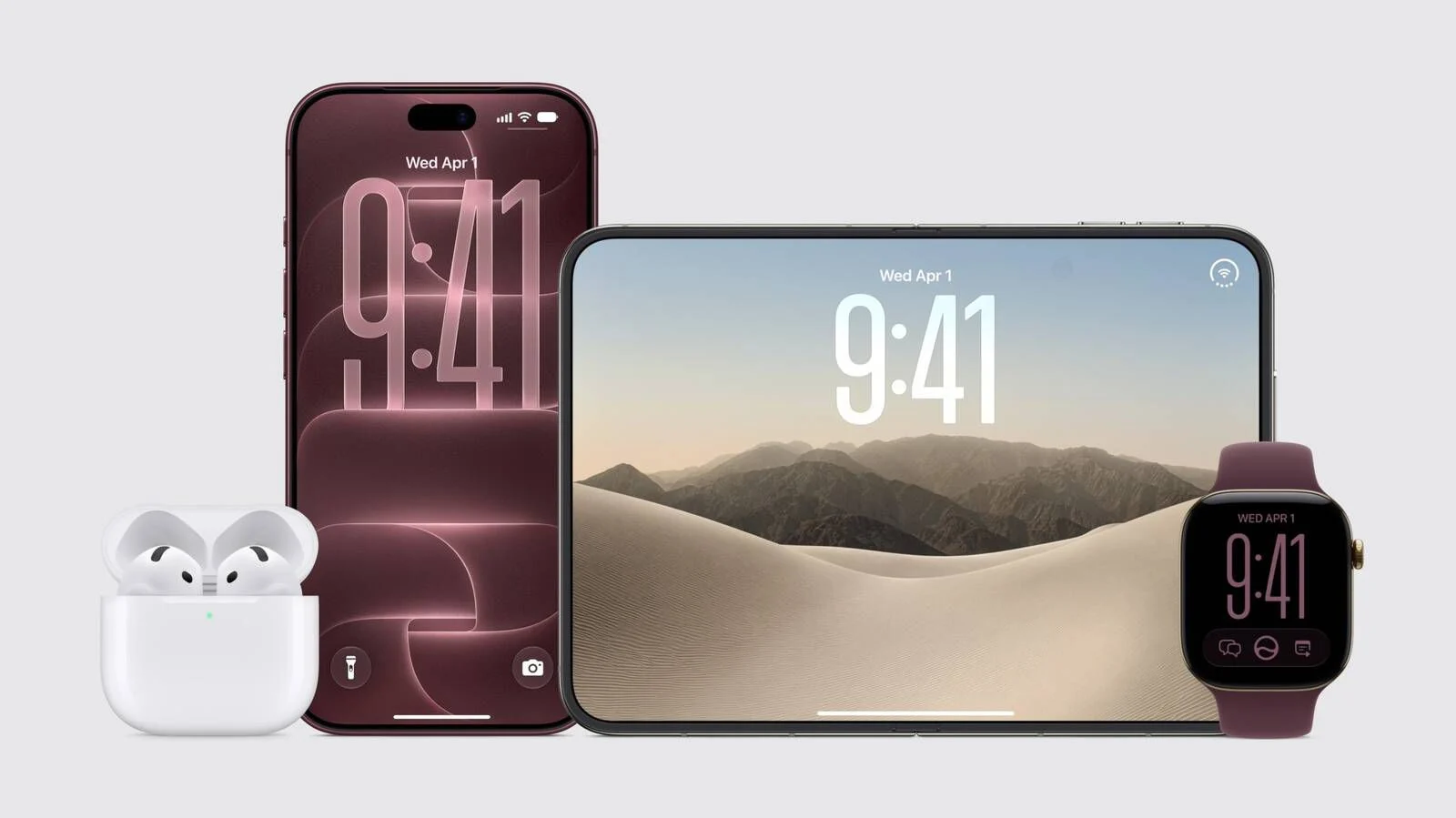
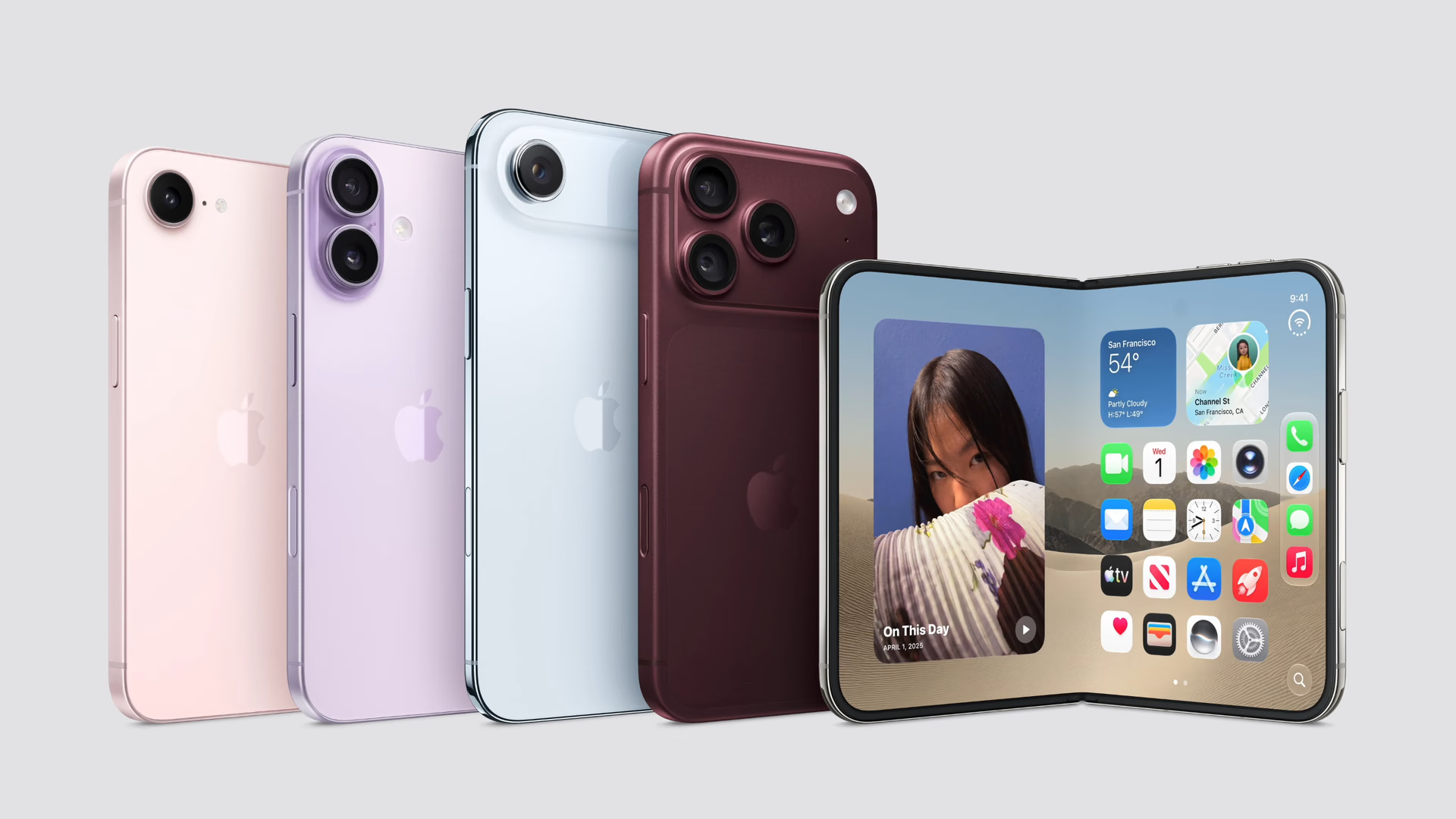
Apple announced seven products at its Surprise and Shine event: the iPhone 18 Pro and Pro Max, its first foldable, two Apple Watch models, two AirPods 5 models, and a Health app rebuilt from the ground up. The biggest announcement came at the end, and the one that changes daily use the most is inside the Pro’s camera.
Everything announced, with price and date
The seven products, in one view. Prices are the official dollar prices Apple announced onstage.
All three iPhone models start at 256 GB and go up to 2 TB. iOS 27 and watchOS 27 will be released on Monday, September 14.
iPhone 18 Pro and Pro Max
The two Pro models focus their upgrades on four fronts: intelligence, performance, battery life, and camera. The change with the most impact is the 48 MP main camera’s variable aperture, which adjusts the diaphragm with six laser-cut blades and lets you manually choose between ƒ/1.48, ƒ/1.8, ƒ/2.8, and ƒ/4.0. It is the first time an iPhone lets you decide depth of field when shooting instead of simulating it afterward.
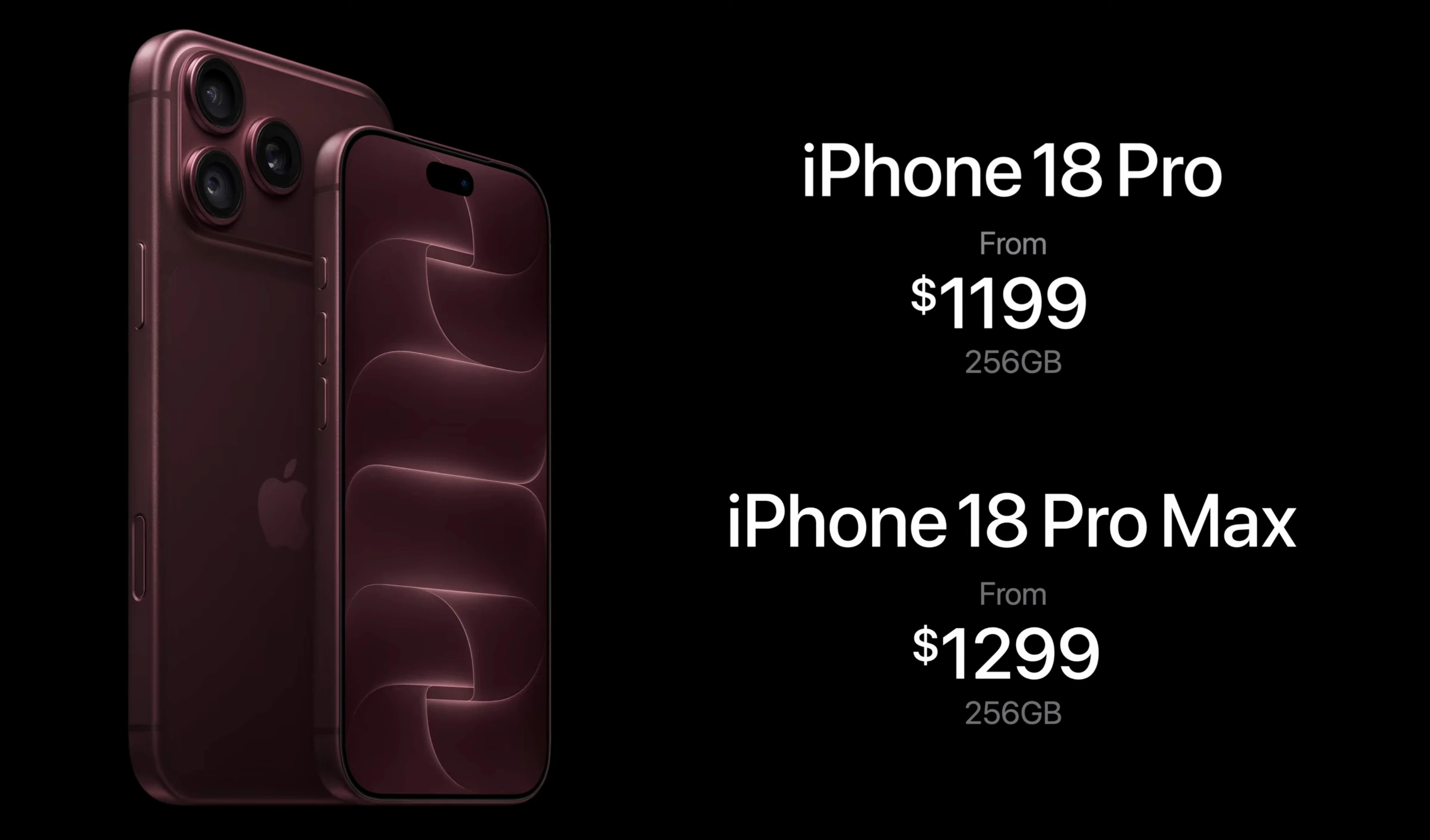
The engine is the A20 Pro, built on a 2-nanometer process, with a six-core CPU, seven-core GPU, and a second Neural Engine that brings the total to 32 cores. The detail that explains the leap is not any of those numbers: Apple redesigned the chip’s physical package by placing the die next to the memory instead of underneath it, taking the memory out of the thermal path and allowing the silicon to connect directly to the vapor chamber.
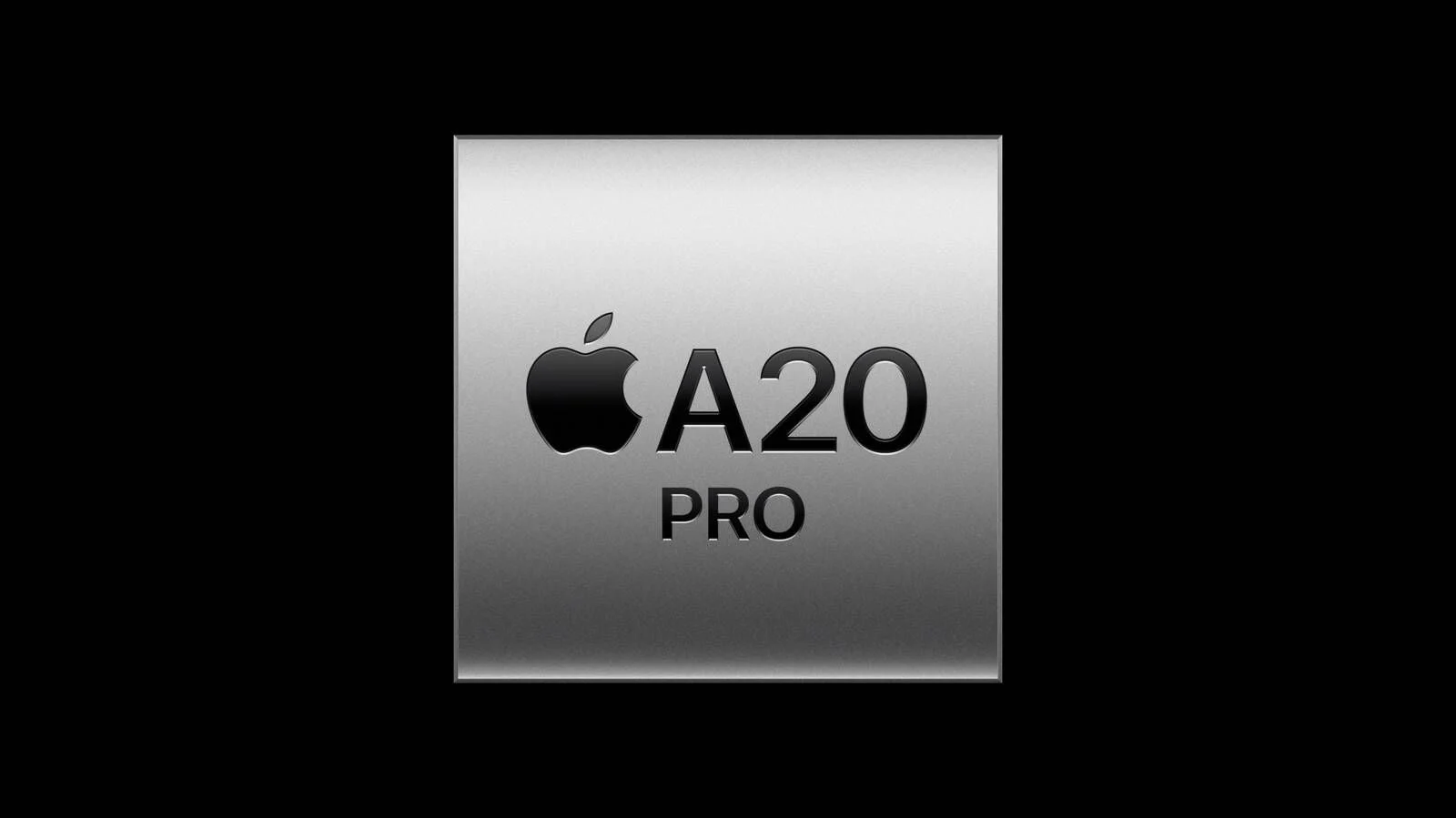
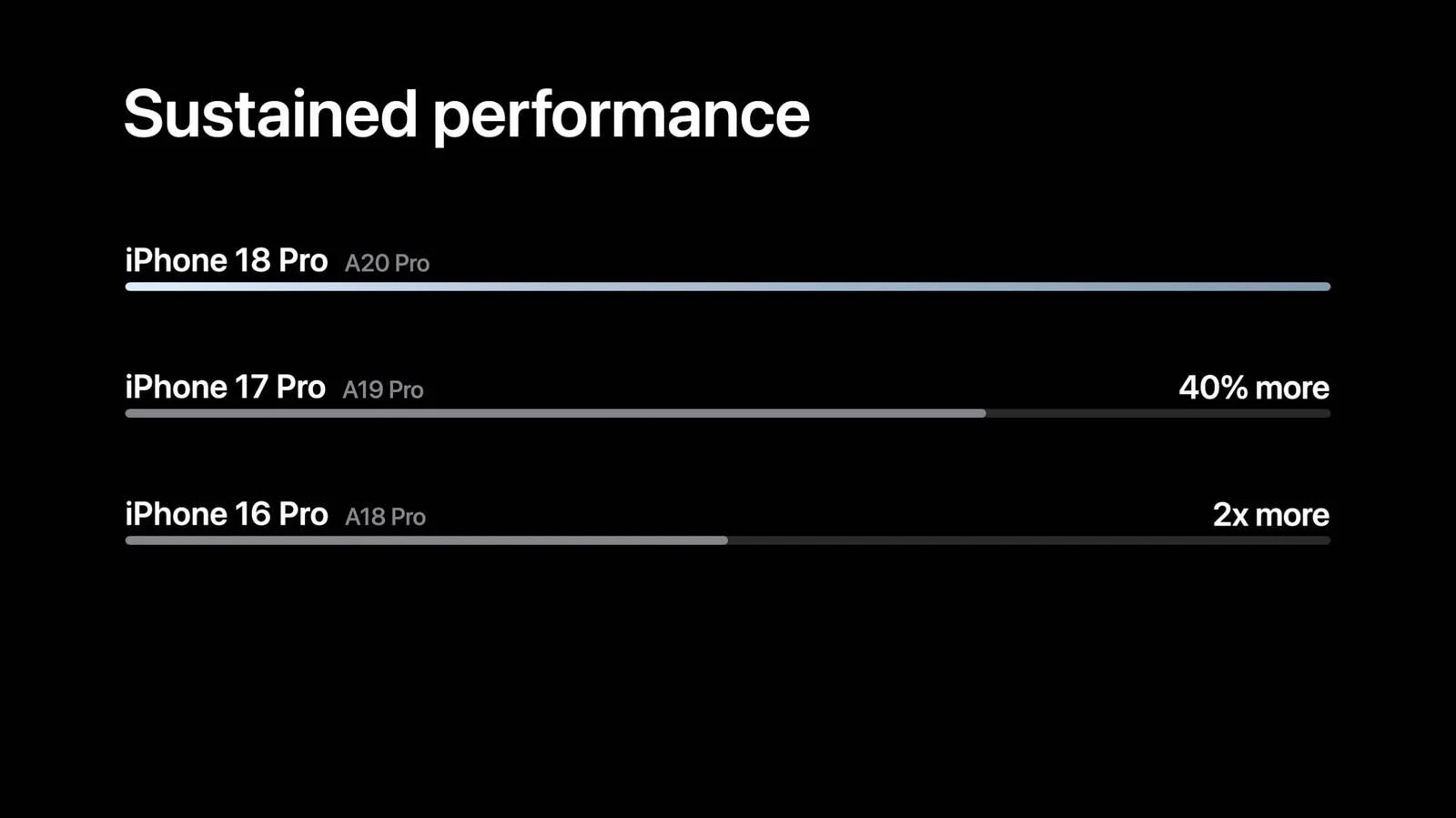
Sustained performance is the number that matters
That thermal redesign, combined with a vapor chamber with triple the surface area, delivers up to 40% more sustained performance than the iPhone 17 Pro and up to twice as much as the iPhone 16 Pro. The difference from a peak number is that it is measured at minute twenty of a game or an export, not in the first thirty seconds.
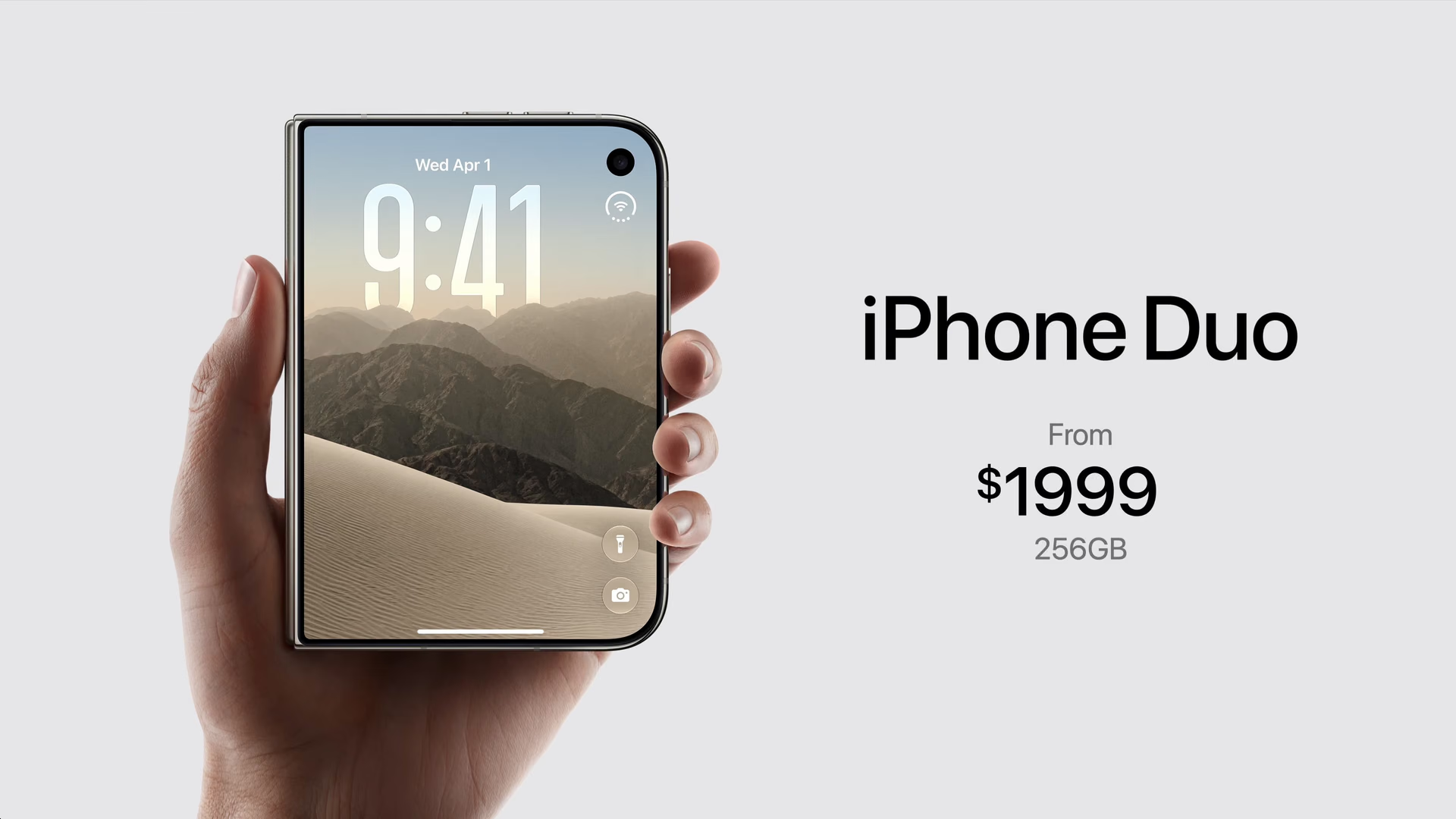
iPhone Duo
Apple’s first foldable opens to a 7.6-inch inner display and closes onto a 5.4-inch outer display that covers 90% of the area of an 18 Pro. It measures 5.2 mm when open, weighs 254 grams, and, according to Apple’s announcement, the frame is made of grade 5 titanium. The decision that sets it apart from other foldables is that both displays share the same aspect ratio, so you do not get the nearly square screen that forces movies to appear with black bars.
It is also the most expensive device in the lineup: it starts at US$1,999 and goes on sale more than a month after the Pro models. Alongside the phones, Apple refreshed its lineup of cases and accessories: three cases for the Pro models and two for the Duo.
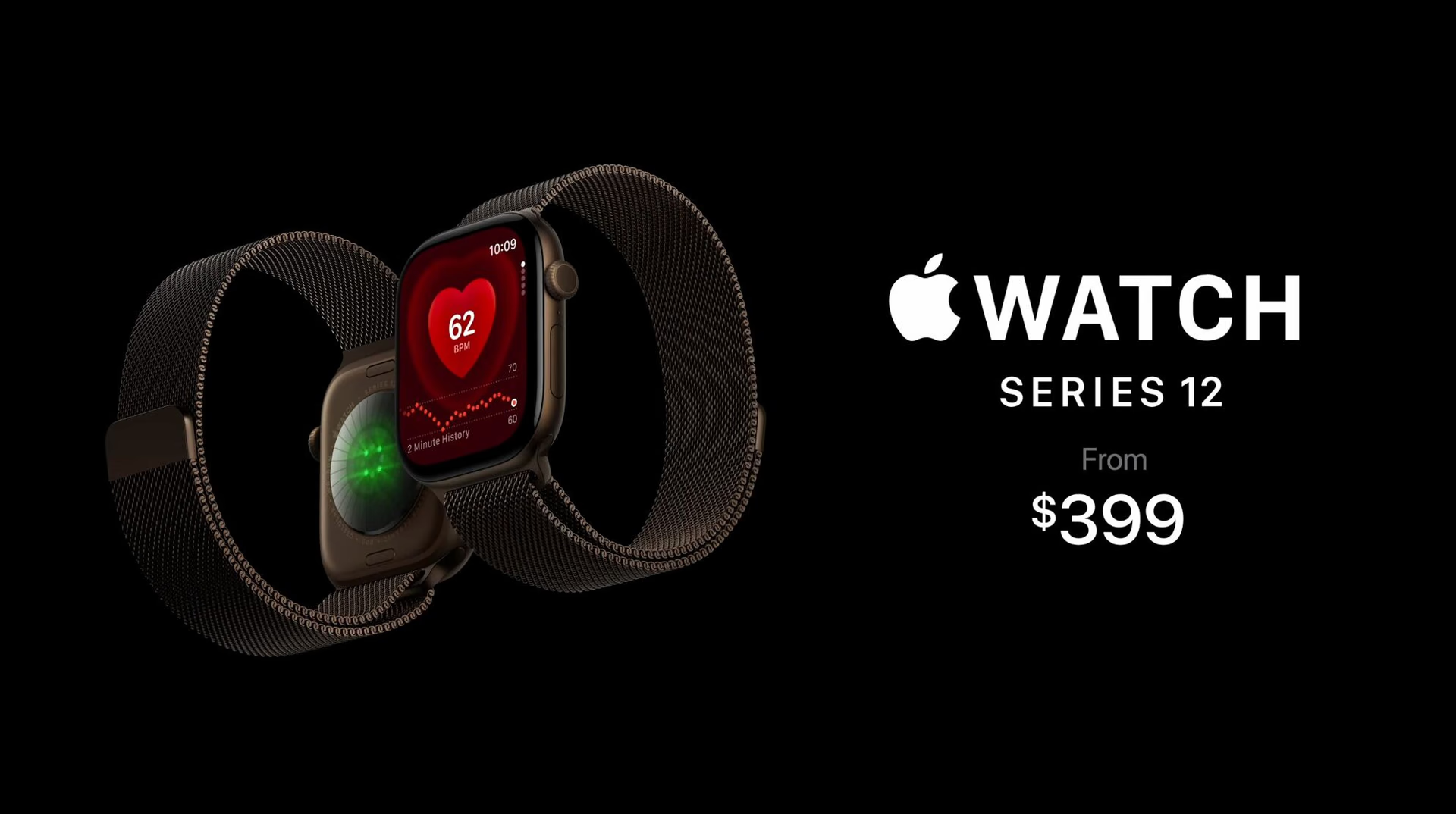
Apple Watch Series 12
Series 12 debuts a redesigned health data logging system on three fronts: more electrode surface area for ECG, photodiodes arranged in a ring, and larger, more efficient green LEDs. The concrete result is that it measures background heart rate every 5 seconds throughout the day, 60 times more frequently than before, and variability every 5 minutes.
Based on that data, Readiness appears as a daily score that combines recent activity, vital signs, and sleep to tell you whether it is a day to push harder or ease off. The price stays at US$399. The watch debuts a new band lineup in rubber, textile, and stainless steel, and the Hermès collection adds six bands of its own.
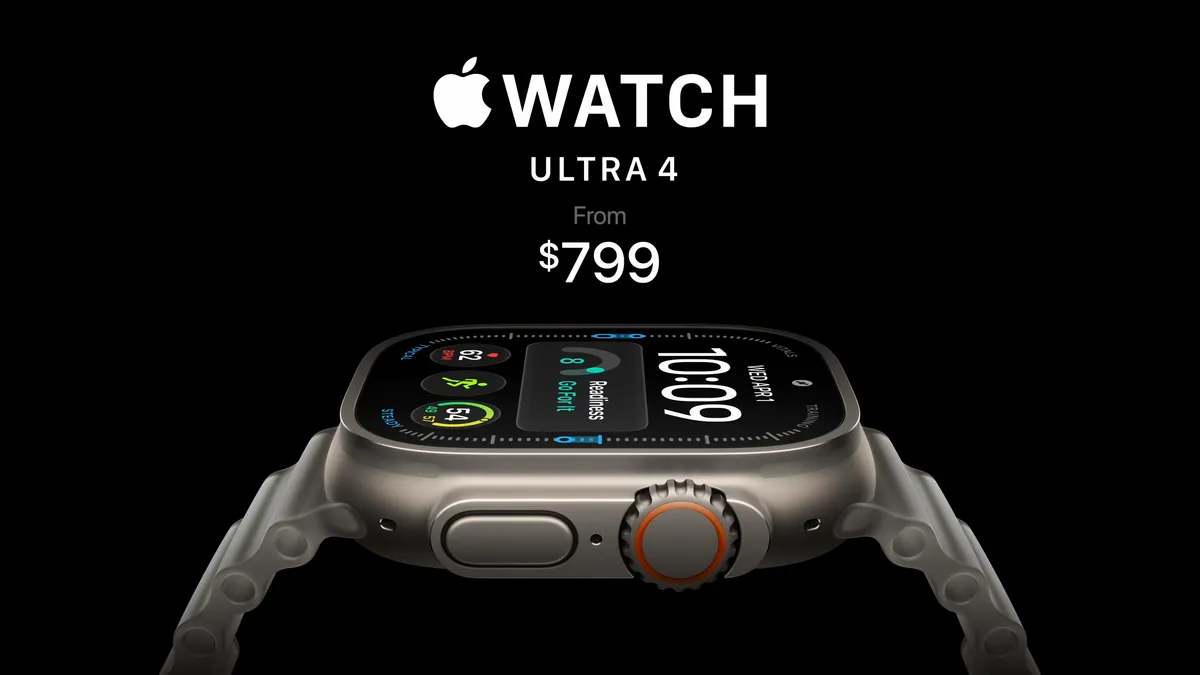
Apple Watch Ultra 4
Ultra 4 shares the S11 chip and sensor system with Series 12, and adds more battery life. It moves to more than two days of general battery life, 18 hours of workouts with full GPS and heart rate tracking, and up to 45 hours with Maximum Extended Workout mode, enough for a 160-kilometer race. It remains at US$799. The Ultra 4 has its own band catalog: four standard models and three Hermès options.
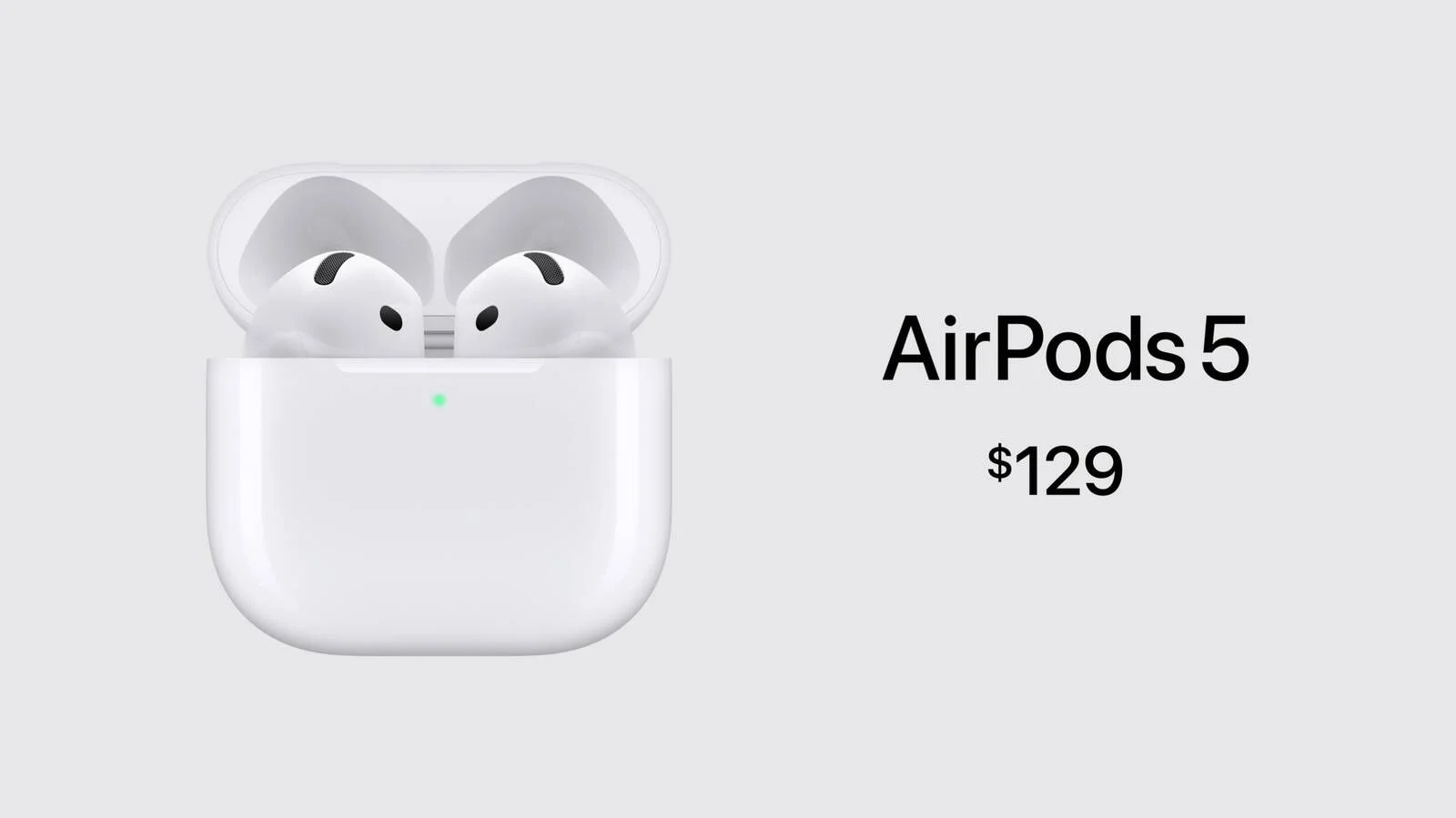
AirPods 5
The detail most often confused in coverage: both AirPods 5 models include active noise cancellation. There is no version with it and another without it. The US$129 model costs the same as the previous generation without cancellation, which in practice is a price cut.
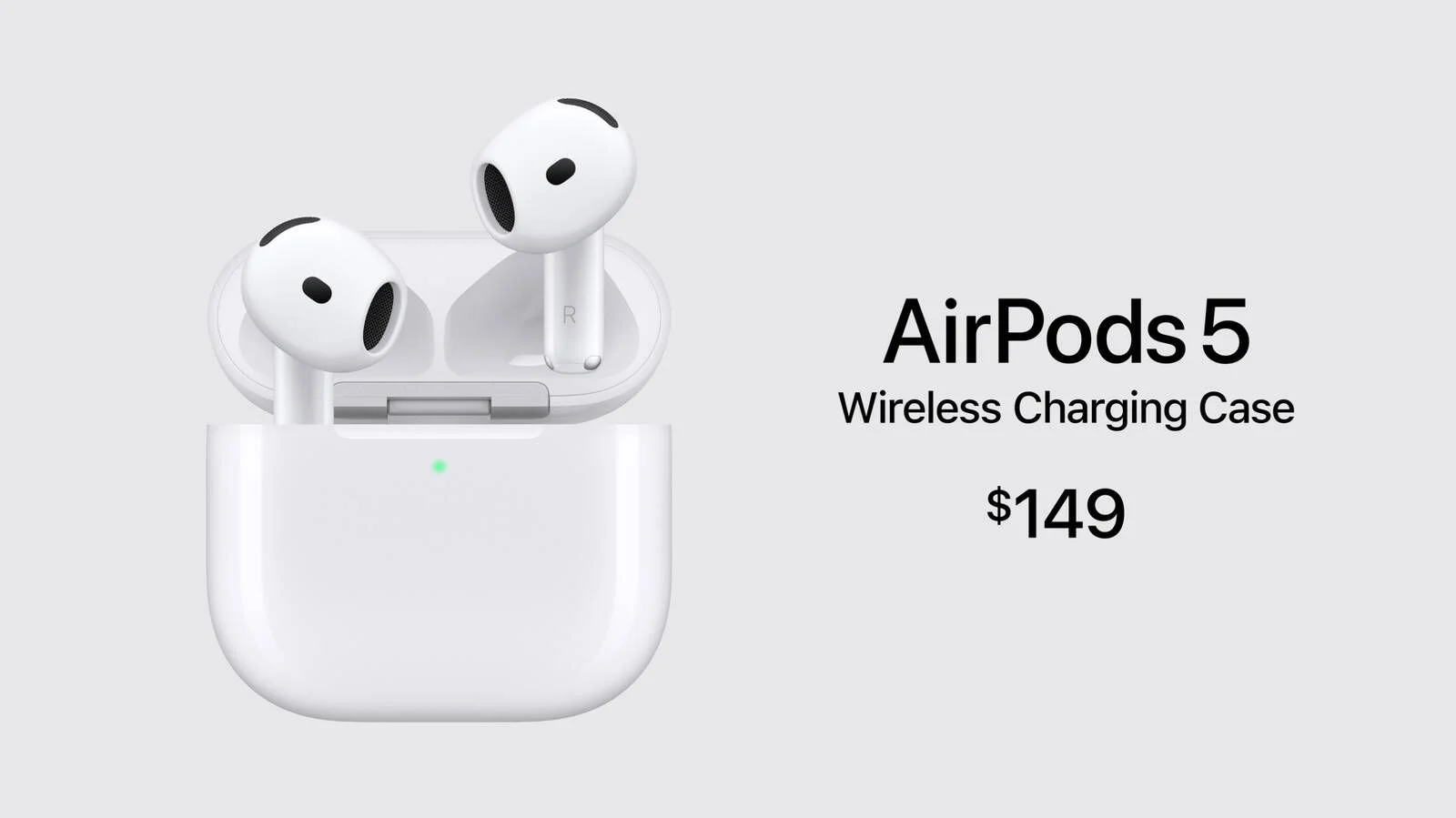
What separates the US$149 model comes down to three things: volume control by sliding on the stem, one extra hour of battery life with cancellation enabled, and a case with wireless charging compatible with Apple Watch and Qi chargers. It is US$30 cheaper than the equivalent model from the previous generation.
Siri AI and Apple Intelligence
Siri AI is a completely new version of the assistant, with its own app on the Home Screen, conversation memory synced through iCloud, and the ability to act inside third-party apps. Apple says it already works with more than 300,000 apps.
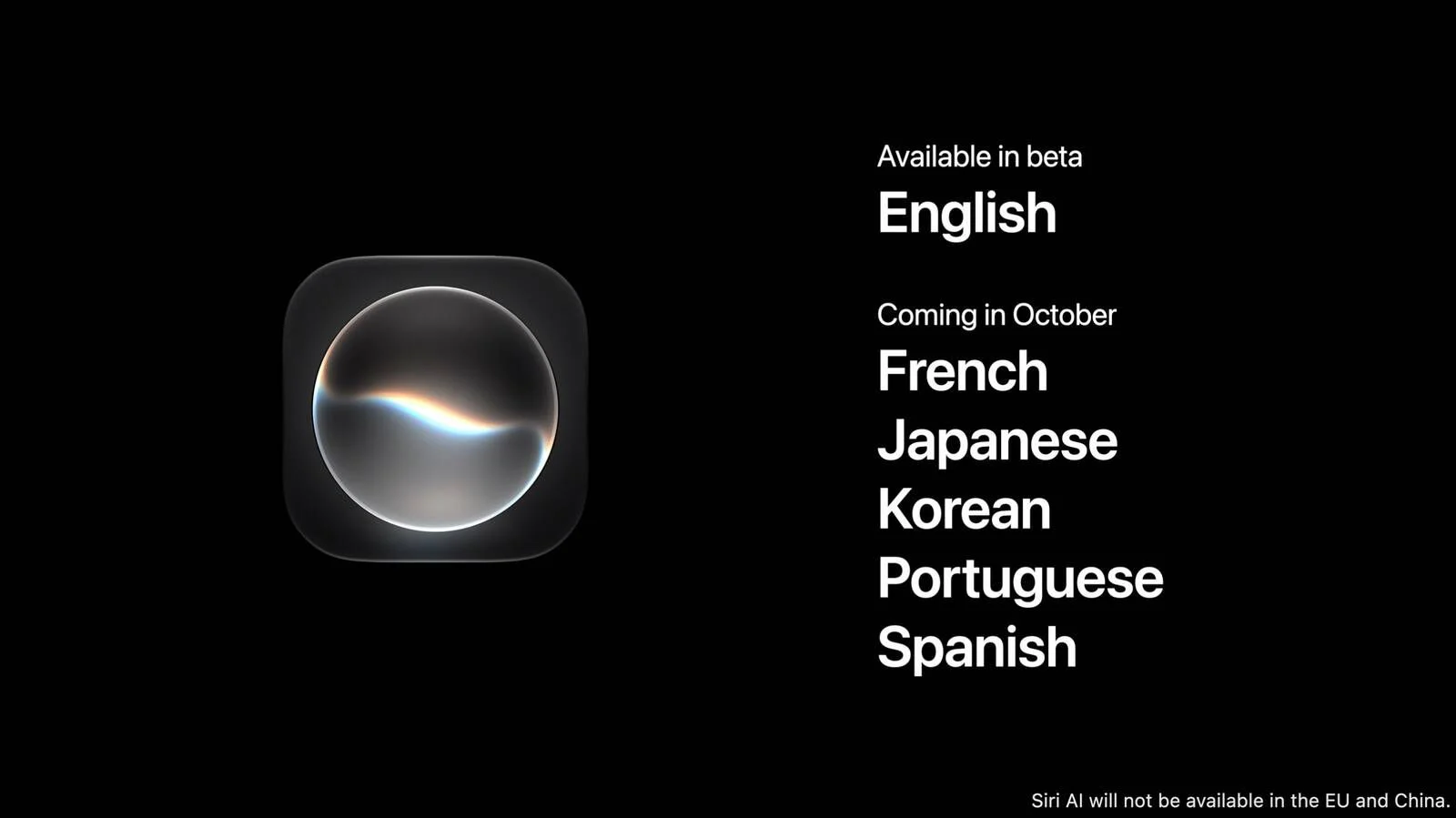
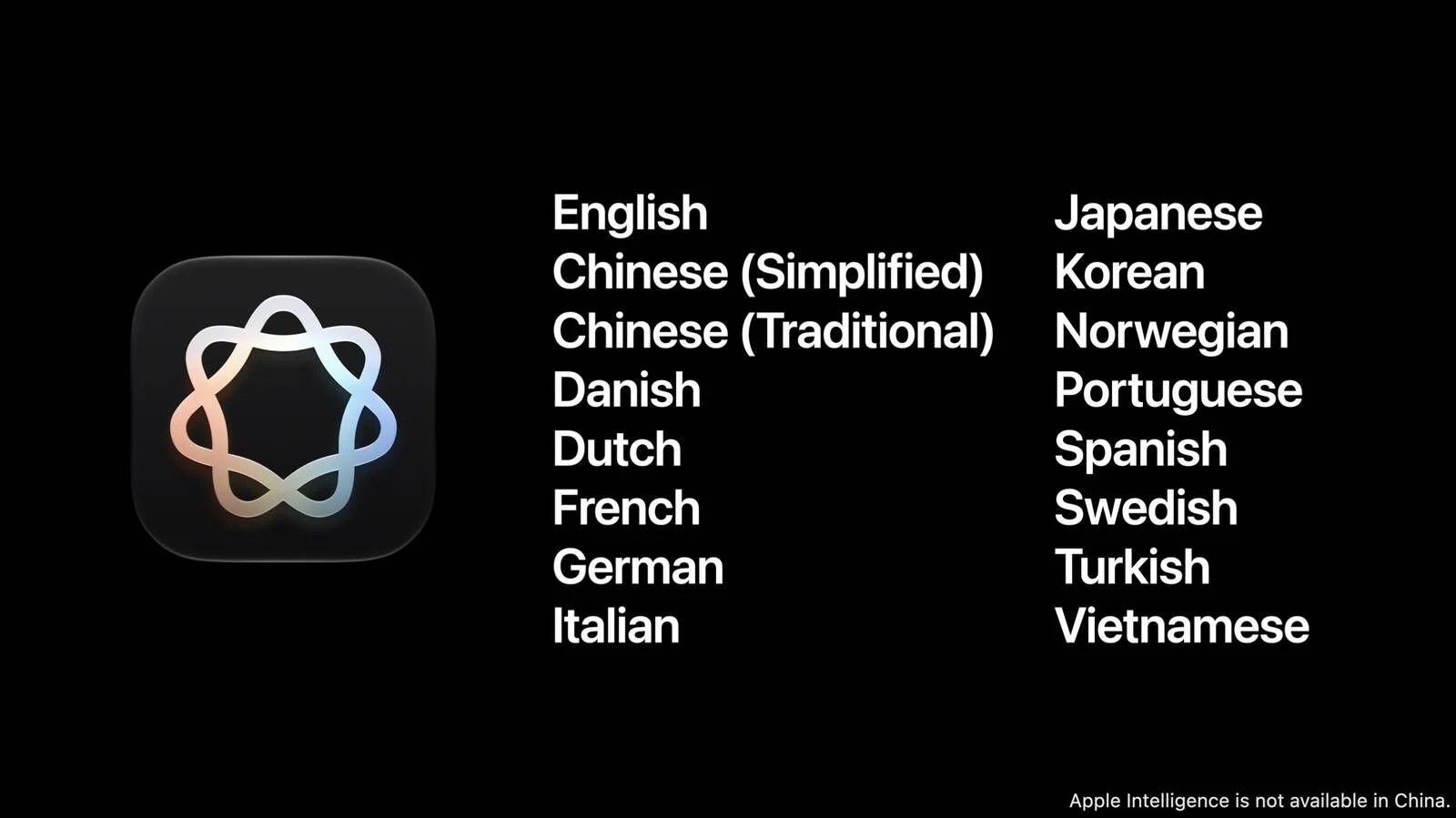
The timeline has conditions worth reading closely. Siri AI launches in beta only in English; Spanish arrives in October, along with French, Japanese, Korean, and Portuguese. Some features have usage limits because they depend on models running on servers, and expanded access is included with most iCloud+ plans. Apple Intelligence, meanwhile, arrives in 16 languages with the September system releases, and is not available in China.
Apple Upgrade and Apple Care One Family
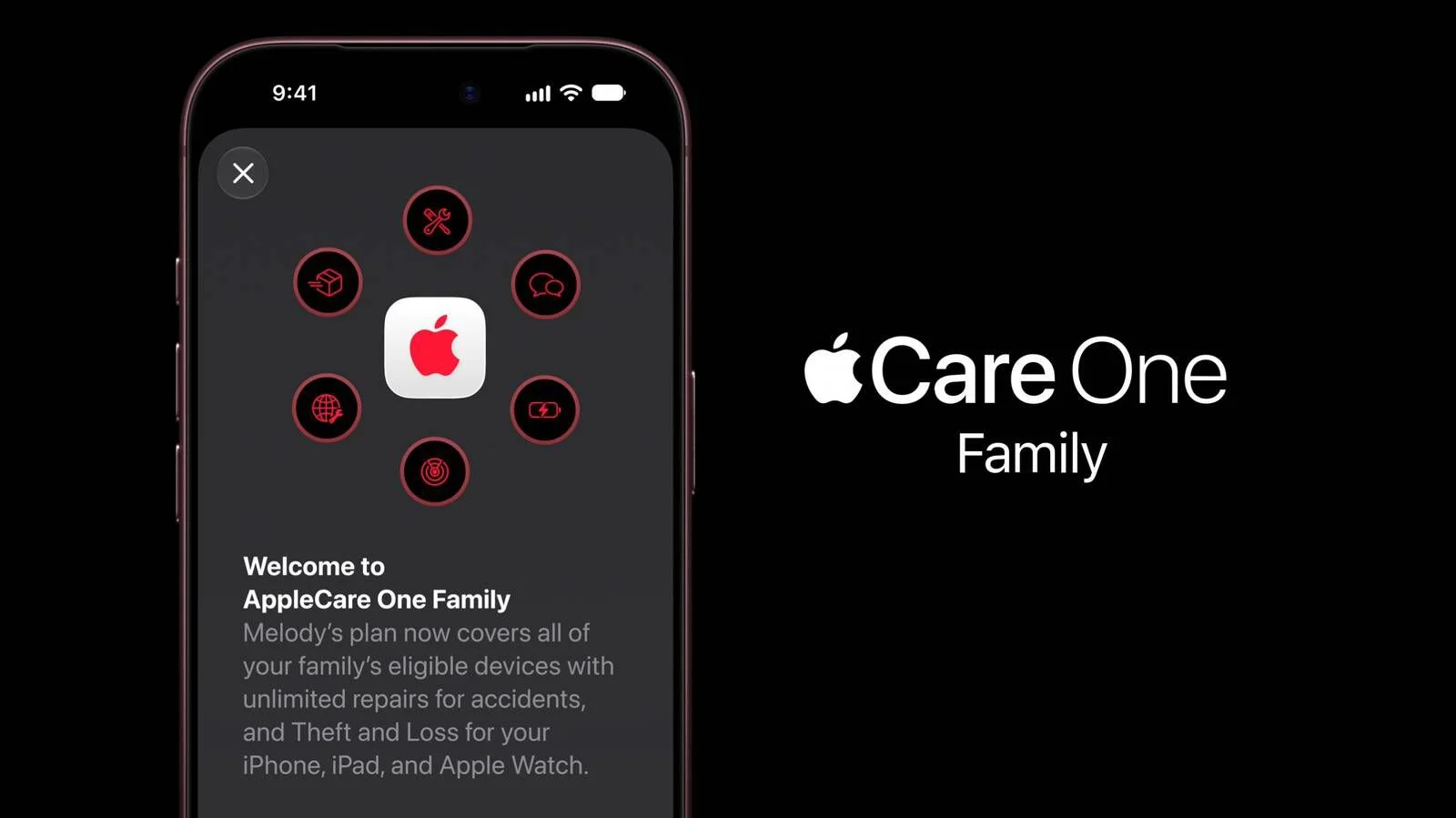
Outside hardware, Apple announced two programs for the United States. Apple Upgrade is a leasing scheme with 12- or 24-month installments and a device swap at the end of the term. Apple Care One Family extends coverage to the products of the entire family group, with enrollment directly from the iPhone. That is joined by a trade-in plan offering up to US$1,200 for an iPhone 14 or newer.
What was not announced
This is the part rumor lists often leave unclear, because they mix what was part of the event with what arrives months later.
There was no iPhone 18 or iPhone 18 Plus: the 2026 lineup is the two Pro models and the foldable, while the midrange models that remain on sale are from the previous generation. There were also no Mac, iPad, Vision Pro, AirPods Pro, or AirTag announcements. None of that was disproven: it simply was not part of this announcement.
Three figures Apple publishes differently
When the announcement, the spec sheet, and the stage give numbers that do not match, the honest thing is to say so instead of silently choosing one. There are three cases in this presentation.
Video playback for the iPhone 18 Pro appears as 36 hours in the keynote and 34 in the spec sheet; on the Pro Max, 45 versus 43. The difference is real and has an explanation: the higher figures correspond to eSIM-only models, which use the space from the SIM tray for more battery.
AirPods 5 battery life appears as "up to five hours" without specifying the model in the English announcement, while the spec sheet breaks it down as 4 hours for the standard model and 5 for the one with the wireless case.
Conclusion
If you were expecting a more affordable iPhone, this was not your event: the new lineup starts at US$1,199 and ends at US$1,999. The real price refresh happened elsewhere, with AirPods that add noise cancellation to both models and drop in price.
For anyone who already has a recent device, the clearest reason to upgrade is in the watches: measuring heart rate 60 times more often is not a spec improvement, it is a different kind of data, and Readiness and Biological Age turn it into something actionable.
And the iPhone Duo is the bet that will judge itself. Apple came late to foldables on purpose, with the thesis that the format was not useful until the aspect ratio and crease were solved. Whether that thesis was correct will only become clear in two years, when the first units have accumulated hinge cycles. Compared with what was expected before the event, what surprised people was not that it existed, but the name and the price.
Frequently asked questions
When does Siri AI arrive in Spanish?
In October. The beta starts only in English with the release of iOS 27, and Spanish joins the second wave along with French, Japanese, Korean, and Portuguese. Apple Intelligence does arrive in 16 languages starting in September, but it is a separate layer from Siri AI.
Can the iPhone Duo be preordered on the same day as the iPhone 18 Pro?
No. The Pro models open for preorder on September 12 and ship on September 18. The Duo does not open preorders until October 16 and reaches stores on October 23, more than a month later.
Author
Alexis PaezReport based on official announcements and verified public sources at the time of publishing.
Comments
Share article
You might also like

Surprise and Shine: Apple confirmed September 9 for the iPhone 18 Pro and the foldable iPhone Ultra
Apple confirmed its Surprise and Shine event for September 9. iPhone 18 Pro, Pro Max, the first foldable, Apple Watch, and AirPods 5: what arrives that day and what comes later.
iPhone 18 Pro and Pro Max: variable aperture, A20 Pro, and the longest battery life in an iPhone
The iPhone 18 Pro debuts a four-step variable aperture, the A20 Pro chip, and the longest battery life in the lineup. Price, specs, and why Apple lists two different battery figures.


iPhone 18 Pro and Pro Max: what changes, what doesn't, and why there's no iPhone 18 in 2026
The iPhone 18 Pro and Pro Max arrive in September without an iPhone 18 alongside them. What really changes, what stays the same, and why the Pro Max gets everything.

Recent articles
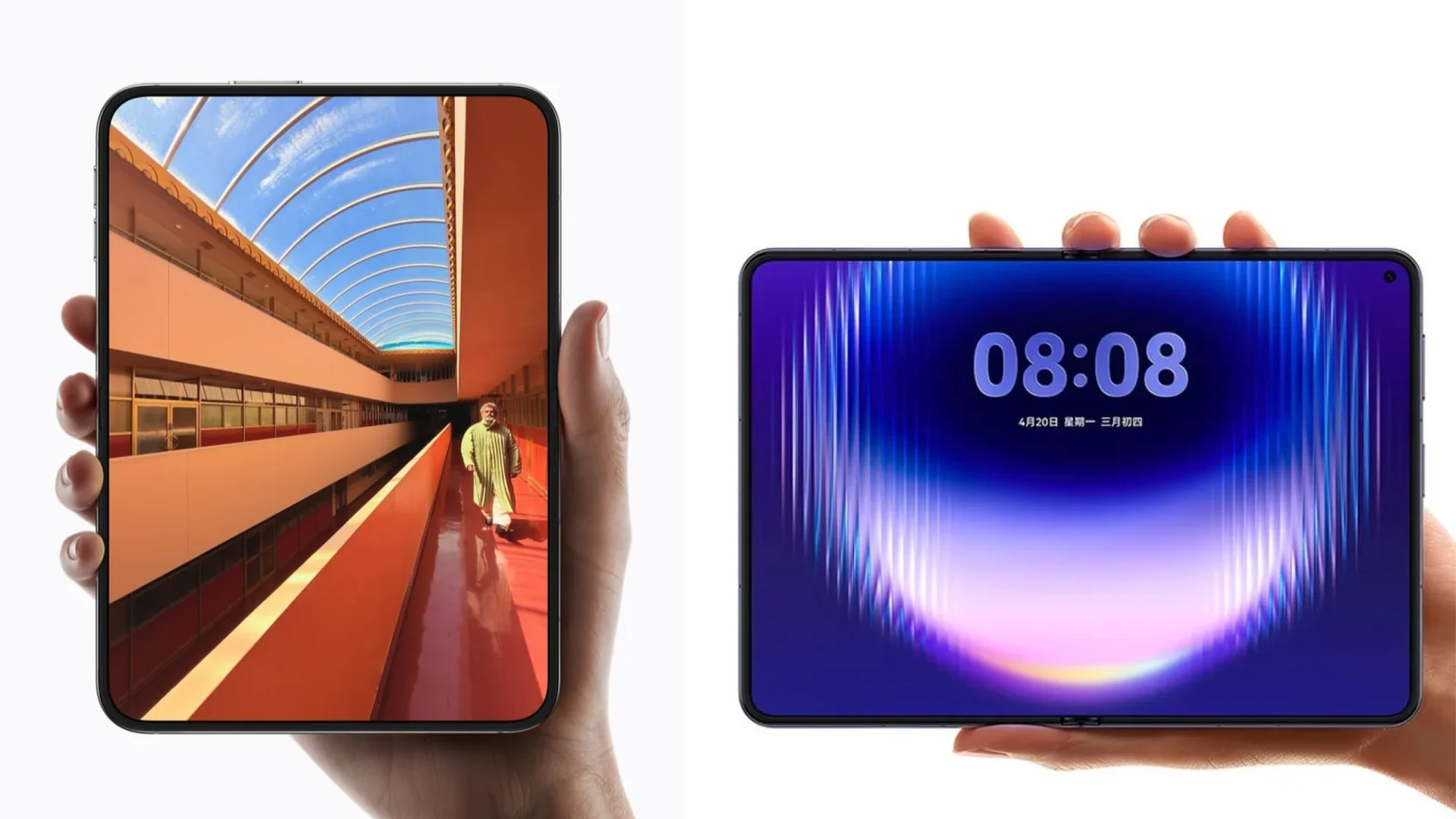
Huawei Pura X Max vs iPhone Duo: what changes beyond the foldable screen
Huawei Pura X Max vs iPhone Duo: size, multitasking, cameras, styluses, and charging. What changes in use and which one better fits your priorities.