Galaxy Watch 9: the same chip and sensors as the Watch Ultra 2 for $320 less

Index
The Galaxy Watch 9 is the everyday smartwatch Samsung introduced at Galaxy Unpacked on July 22 in London, alongside the Watch Ultra 2. It comes in 40 and 44 millimeters, starts at $379.99, and brings the line’s most important platform change in years.
The big news is not a single standalone feature, but what it shares with its bigger sibling: the same processor and the same sensor suite as the Ultra 2, which costs $699.99. The gap between the two watches has narrowed to design, display brightness, and battery life.
What the Galaxy Watch 9 is
It is the volume model in the lineup: aluminum, cushioned silhouette, designed to be worn all day and also while sleeping. Compared with the Ultra 2, it gives up titanium, extreme durability, and the 800 mAh battery, but keeps what defines the everyday experience of a Samsung watch.
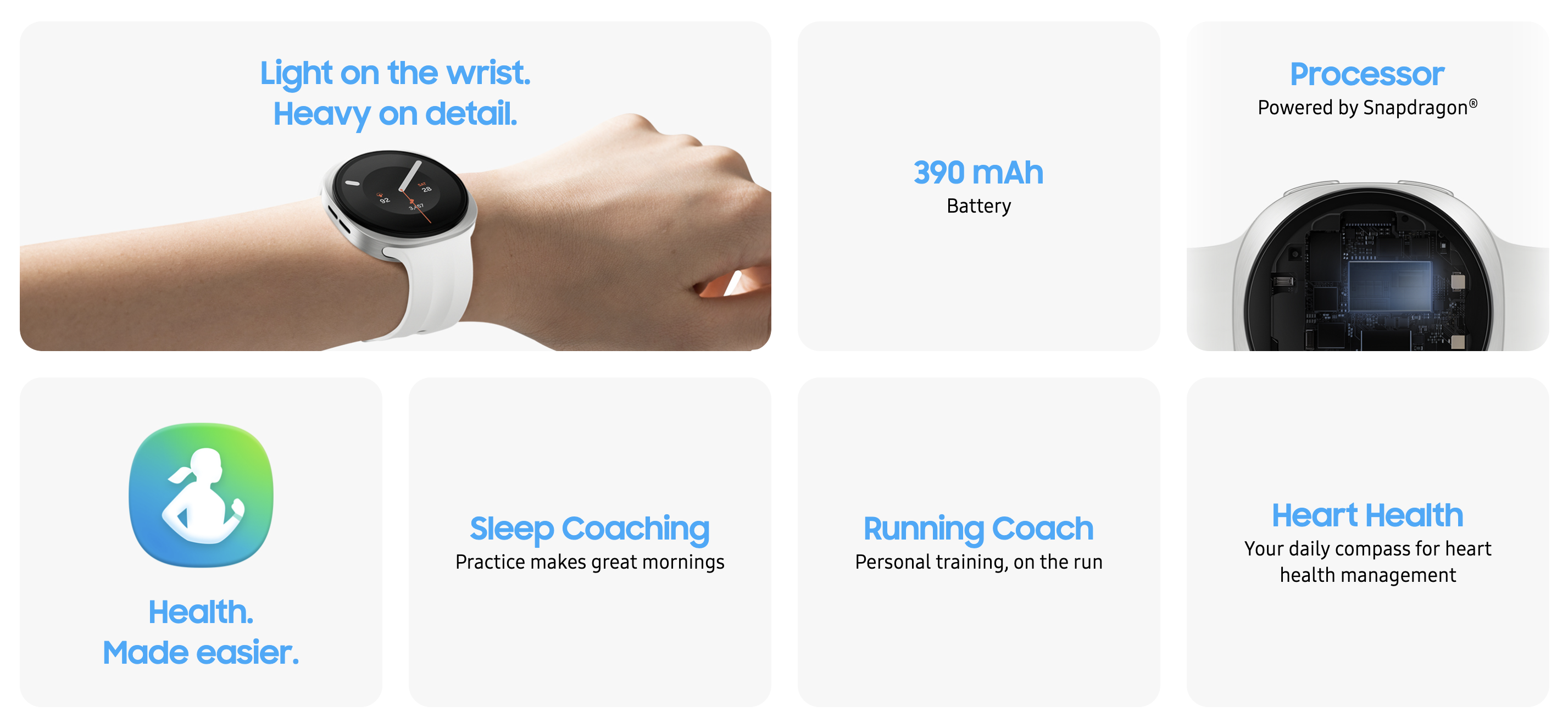
On the software side, it runs Wear OS 7 with the One UI Watch 9 layer, with access to Google Play and the catalog of third-party apps. Durability is rated at 5 ATM plus IP68 and MIL-STD-810H certification, and it uses sapphire crystal, something unusual in a watch in this range.
Snapdragon Wear Elite: the first Galaxy Watch without Exynos
The deeper change is the silicon. The Watch 9 is the first Galaxy Watch with the Snapdragon Wear Elite platform, manufactured on a 3-nanometer process, leaving behind the Exynos chips the brand had been using in its watches. The chip, whose codename is SDW6100, is paired with 2 GB of RAM and 32 GB of storage.
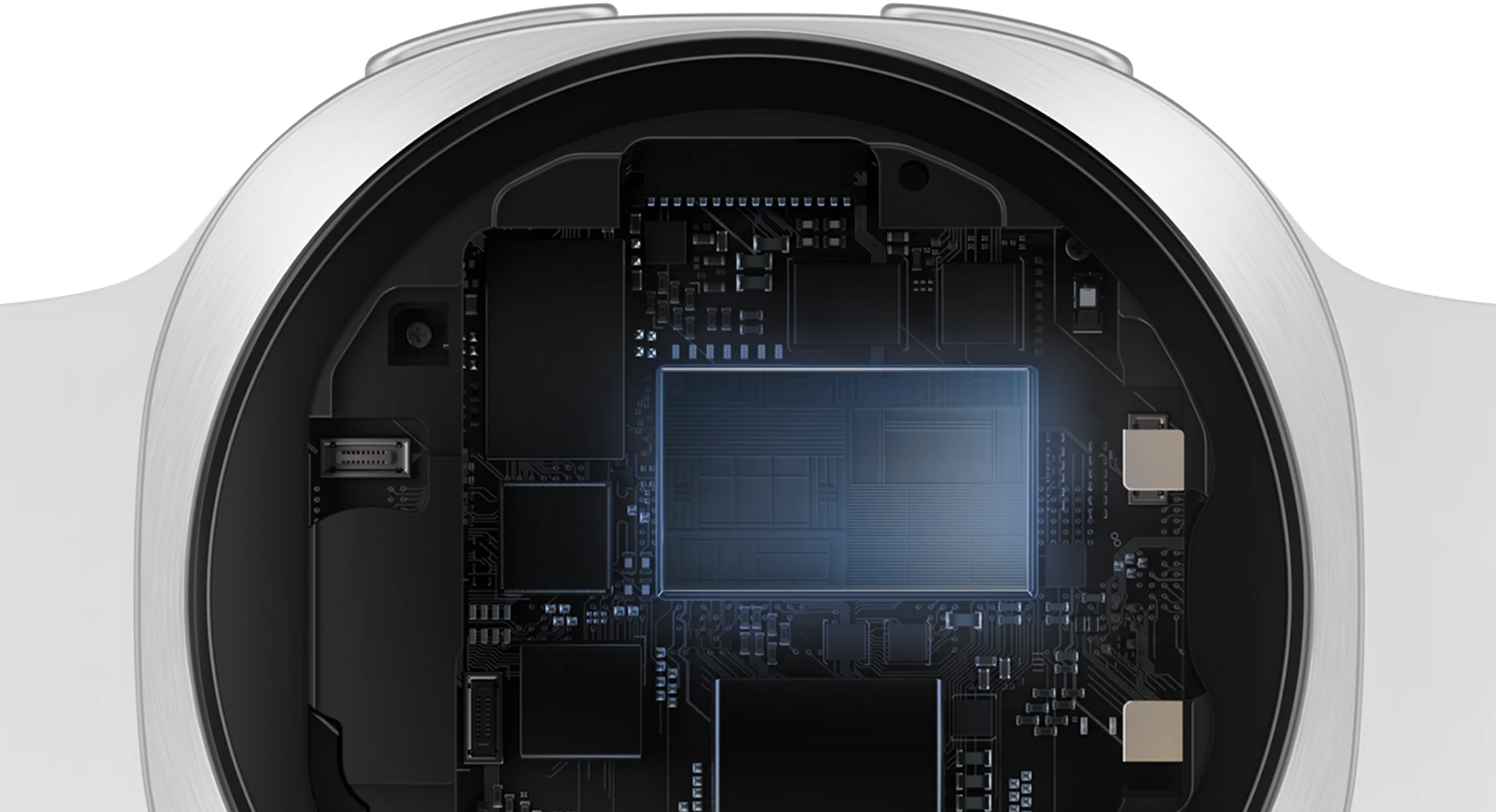
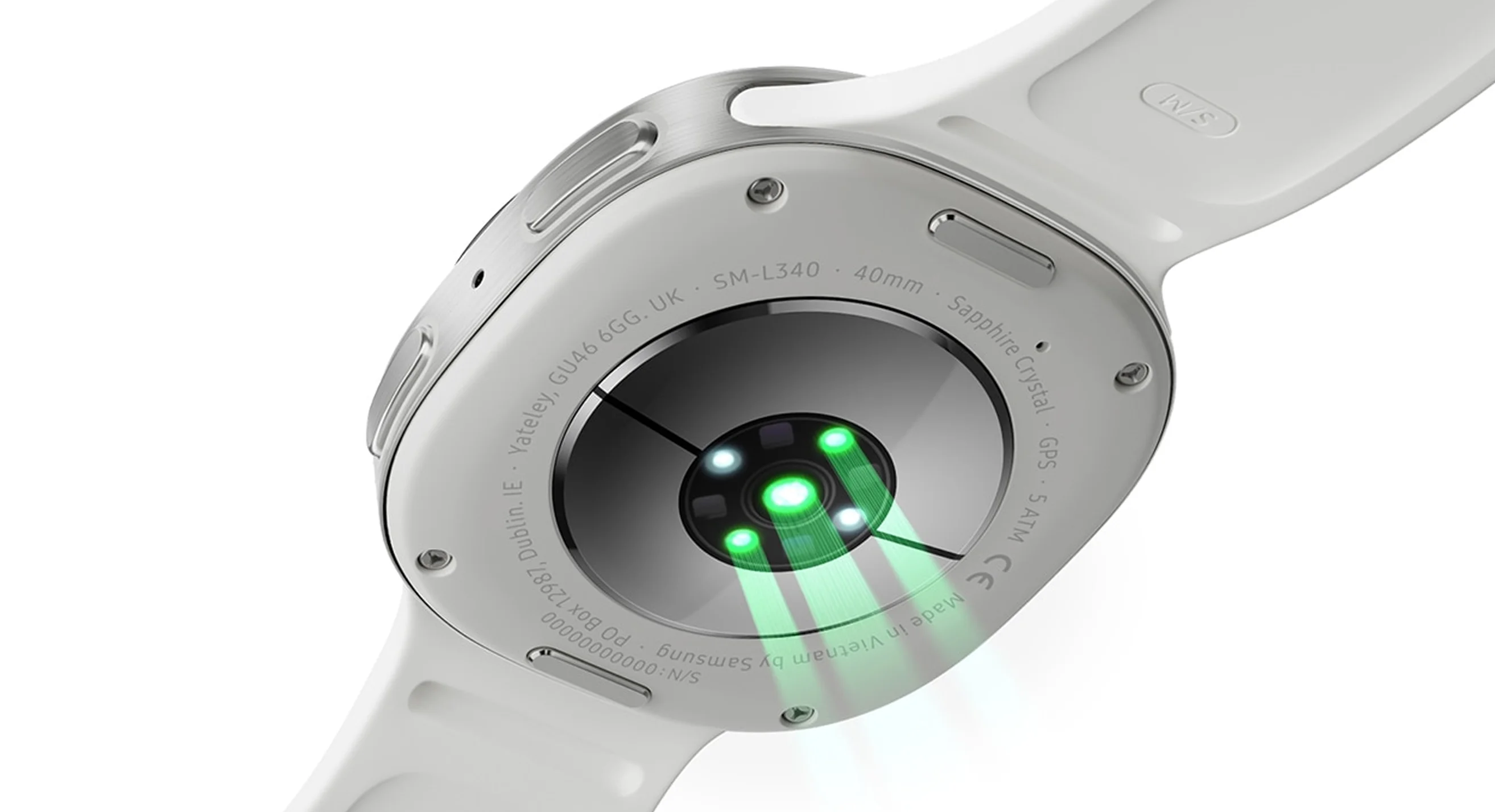
Here is the most important detail when deciding: both watches in this generation use exactly the same processor, and the Watch 9 carries the same sensors as the Ultra 2. The BioActive sensor measures heart rate, electrocardiogram, blood oxygen, skin temperature, and bioimpedance, and it is joined by a barometer, altimeter, accelerometer, gyroscope, compass, and light sensor. There is no measurement-hardware cut between the $379.99 model and the $699.99 model.
Design, sizes, and bands
Both sizes share an aluminum build and the cushioned silhouette of recent generations, with a refined shape so the body sits better on the wrist. The 44-millimeter model measures 46 by 43.7 by 8.6 millimeters and weighs 34 grams, so it remains light enough to sleep with it on.
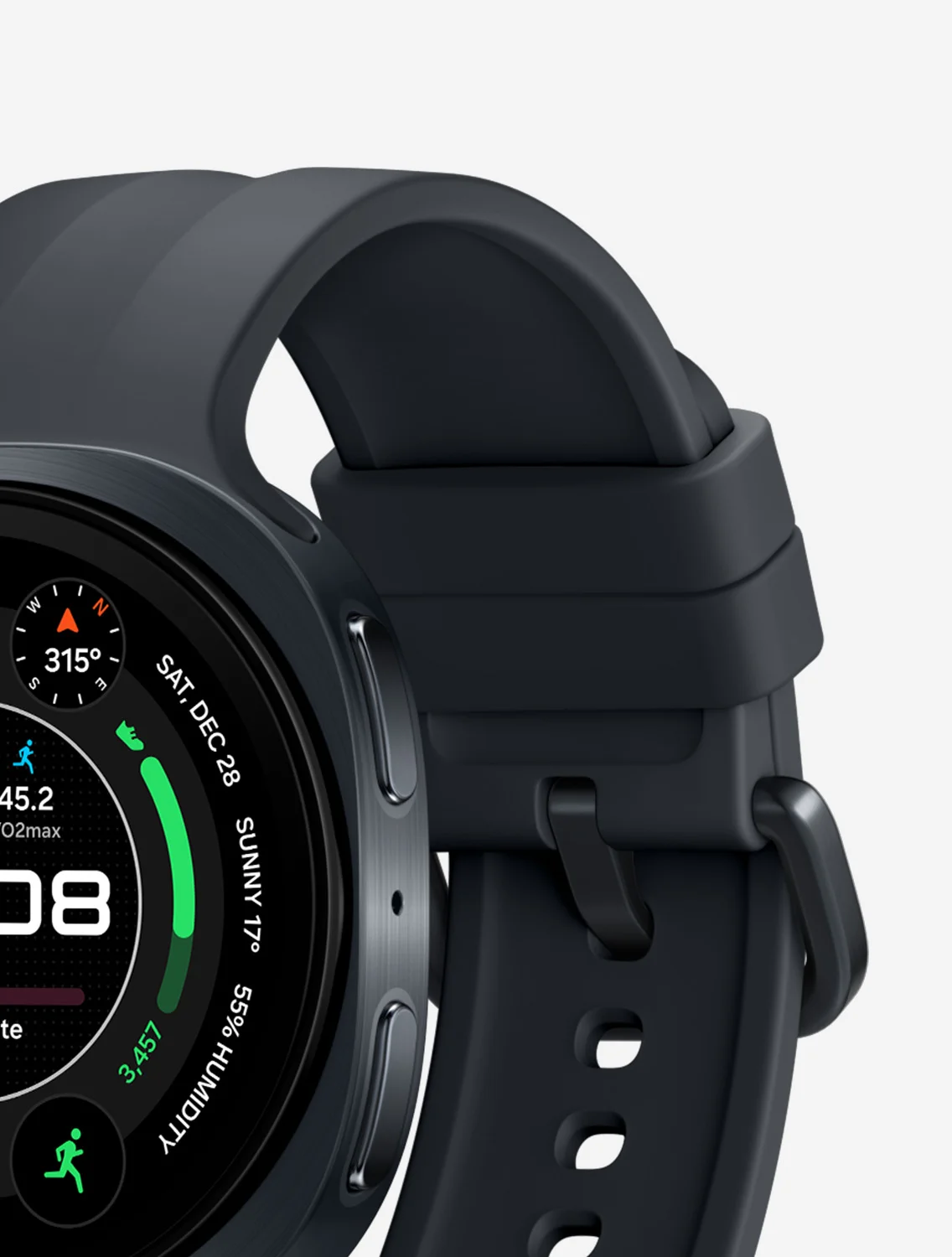
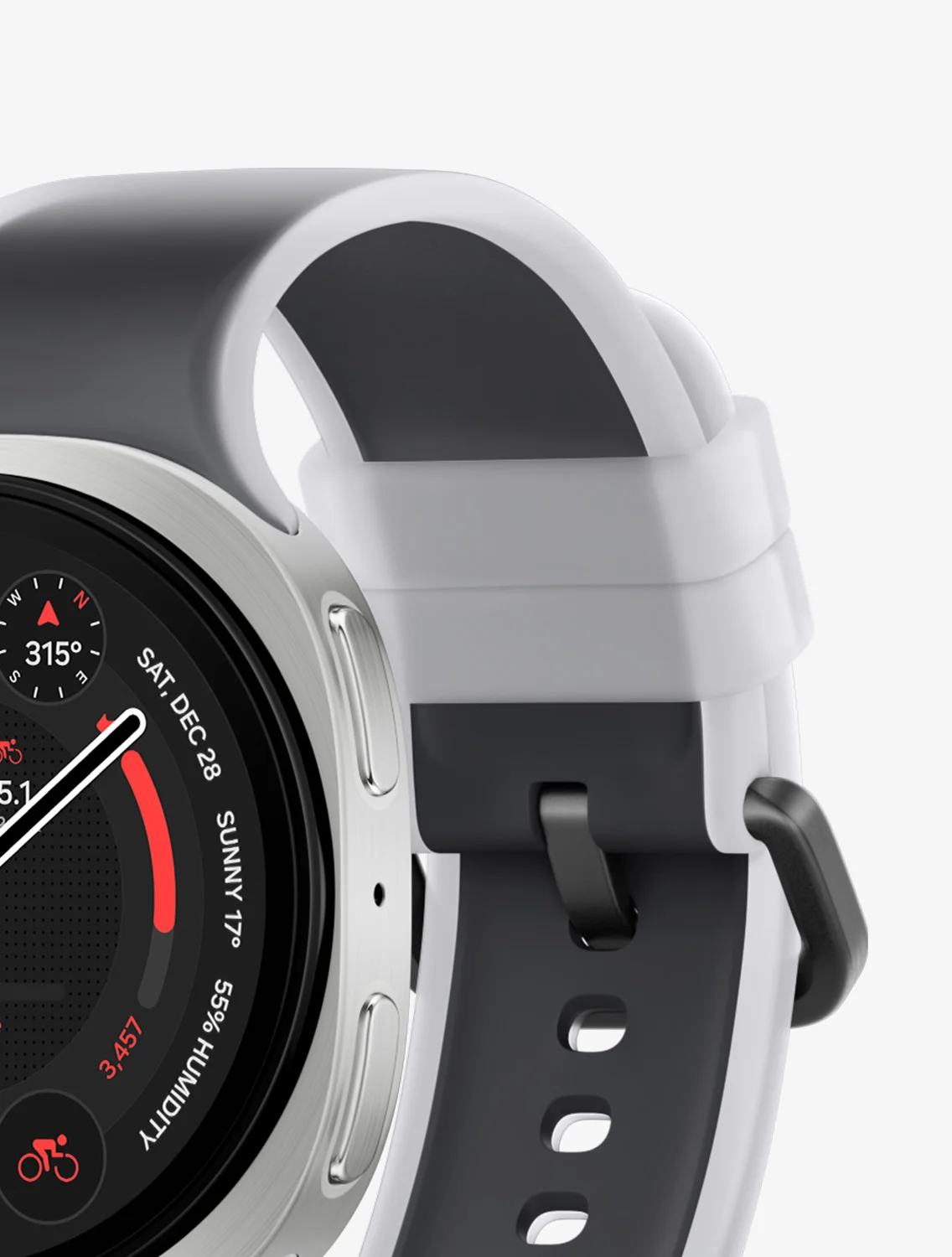
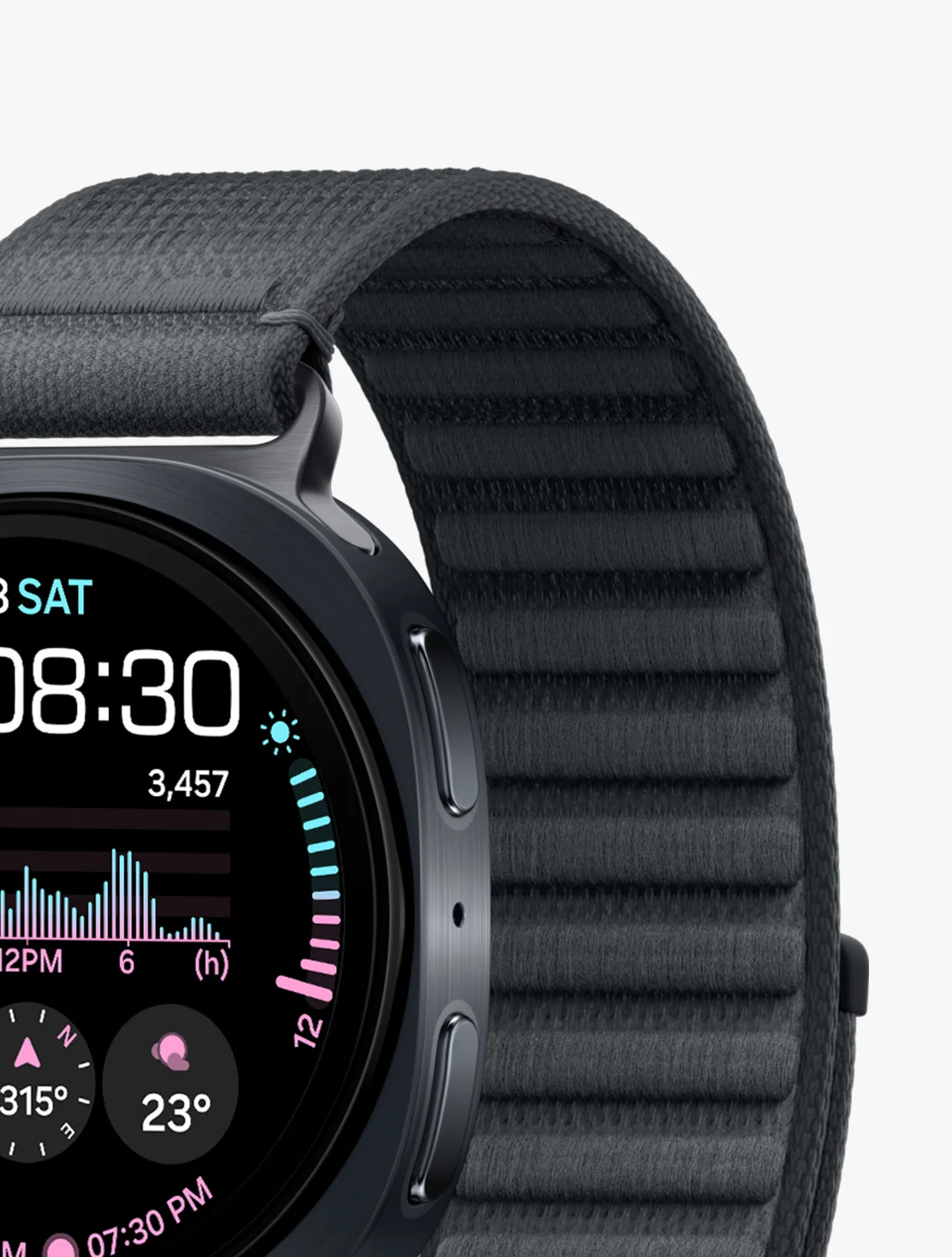
Colors depend on the size: the 40-millimeter model comes in white and dark gray, while the 44-millimeter version comes in silver and dark gray. The band attachment mechanism has not changed from the previous generation, so anyone who already has Watch 8 bands can keep using them. It is worth noting that bands from the Ultra line use a different attachment and are not compatible with this model.
Battery: 390 mAh in the 40 mm model, 445 in the 44 mm model
Samsung claims 20% more battery, and that figure applies to only one model. The 40-millimeter Watch 9 goes from the Watch 8’s 325 mAh to 390, which is indeed 20% more. The 44-millimeter model goes from 435 to 445 mAh: ten milliamp-hours, just over 2%.
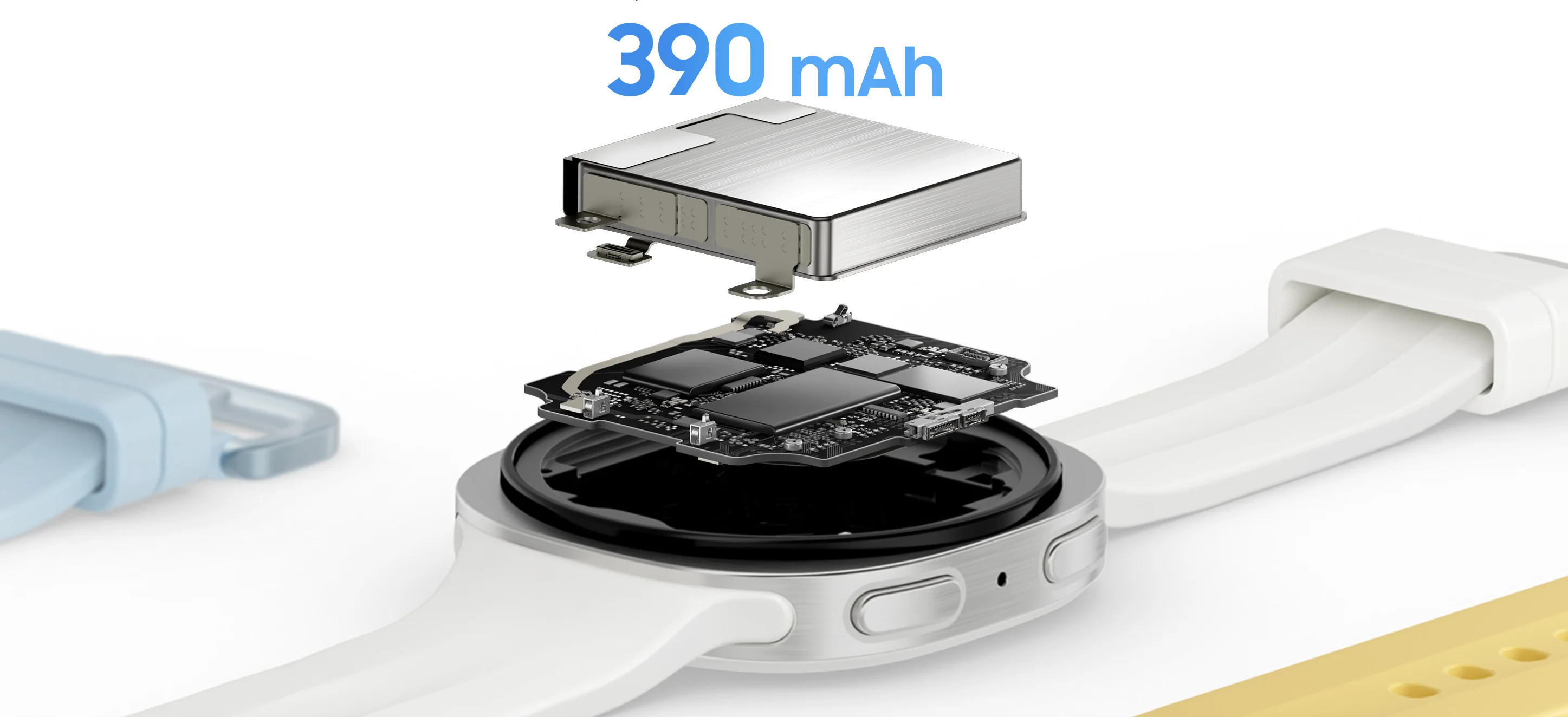
The difference between sizes looks like this:
Anyone coming from a 44-millimeter Watch 8 should not expect a major battery-life jump. The stated figure is up to 40 hours with the always-on display disabled, and Samsung does not publish a real-world usage estimate with GPS, LTE, or overnight tracking enabled. Charging is fast wireless via the WPC standard.
The display is Super AMOLED with peak brightness of up to 3,000 nits, a good figure for reading in sunlight, but far from the Watch Ultra 2’s 5,000 nits.
Health: sleep apnea with severity level and Vitals
The new features in this generation are almost all in health software. Sleep apnea detection already existed, but now it indicates the severity level in addition to detecting it, with the caveat that the feature requires a Galaxy phone.
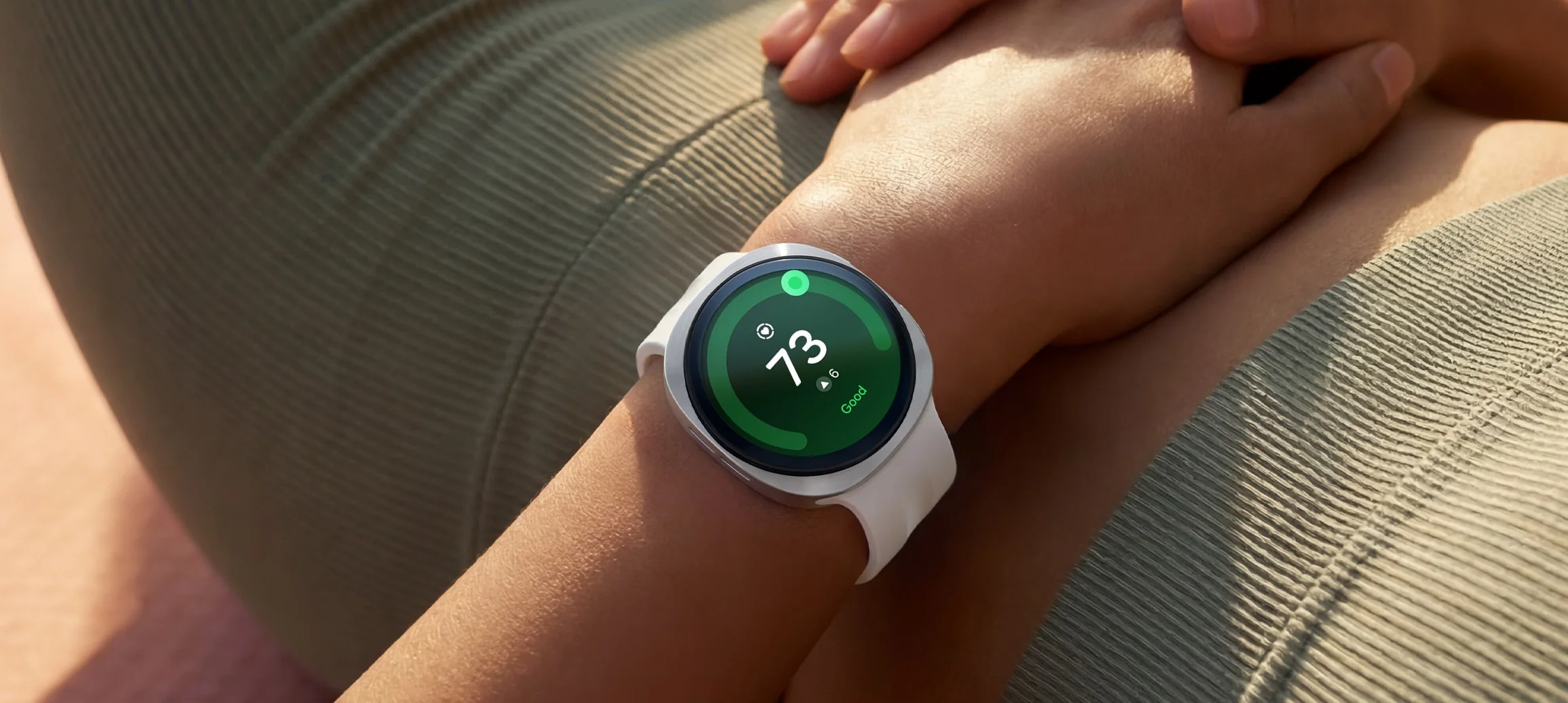
Vitals is the most visible new feature: it tracks heart rate, variability, respiratory rate, skin temperature, and blood oxygen while you sleep, and alerts you when it detects subtle changes. Also added are a heart health score with recommendations, daily cardiovascular load measurement to decide when to push and when to rest, a Fitness Index that compares you with the same age group, noise exposure alerts, and an antioxidant index debuting in this generation.
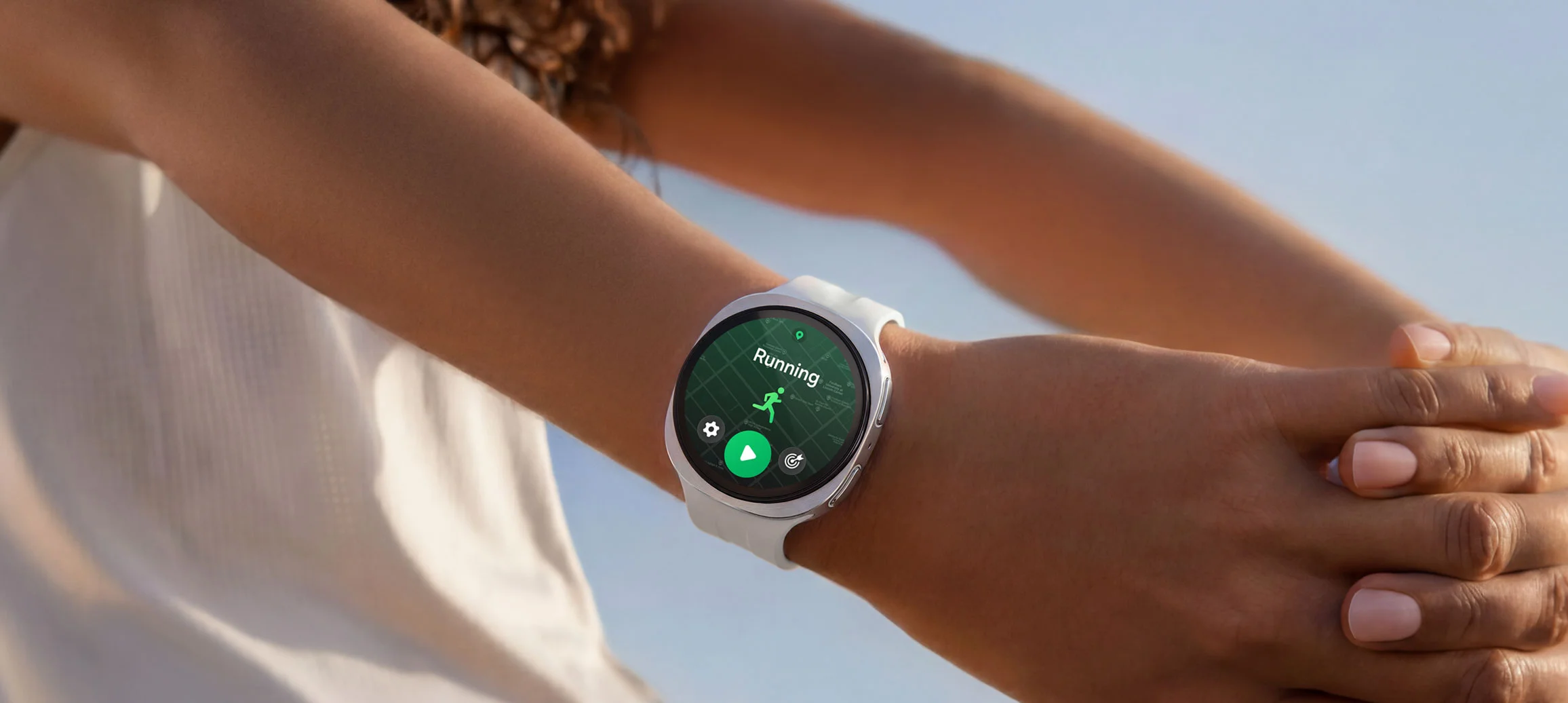
On the sports side, Running Coach builds personalized workouts on the fly, and Sleep Coaching translates sleep data into concrete routines.
Gemini on the wrist
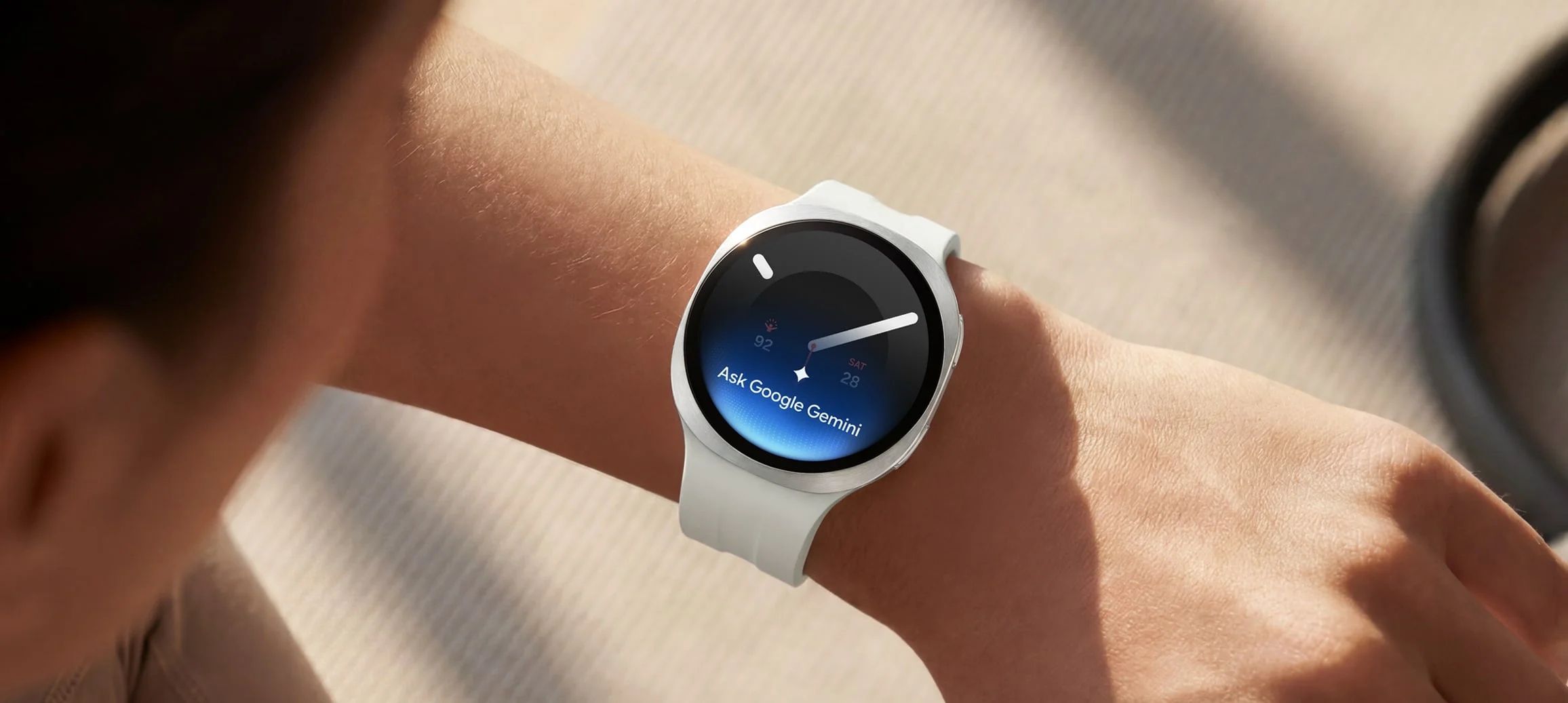
Google’s assistant works with hands-free control from the watch, without needing to pull out the phone for every query. It is the same direction Samsung has been following across the 2026 lineup, with Gemini built in from the start instead of Bixby as the main character.
There is also an overlap with the rest of the lineup worth keeping in mind: the smart glasses Samsung previewed at the same event use a connected Galaxy Watch for wrist-gesture control. The watch stops being just a phone accessory and becomes part of the control system for other devices.
Price and availability
The Galaxy Watch 9 starts at $379.99 in its Bluetooth version, with prices from €409 in Europe and LTE variants above that figure. Preorders opened on July 22, and general sales begin on August 7 in the first markets.
Conclusion
This is the year Samsung stopped justifying the Ultra’s price with measurement hardware. Same processor, same sensors: what separates the two watches now is titanium, display brightness, extreme durability, and battery life. Everything else, which is what most people use every day, is here.
For anyone who wants complete health tracking without paying for the top-end model, the Watch 9 is the obvious buy of the generation, and the 40-millimeter version is the one that gains the most over its predecessor. For anyone who already has a 44-millimeter Watch 8, however, the argument becomes much weaker: the chip is more efficient, but the battery grows by ten milliamp-hours and the new features are software-based. And for anyone who trail runs in the mountains or dives, the Ultra 2 remains a different product. The open question is how much of that preventive-health promise holds up in real-world use, because a score on the wrist is only as good as the data feeding it.
Frequently asked questions
How much does the Galaxy Watch 9 cost, and when does it go on sale?
It starts at $379.99 in its Bluetooth version, with prices from €409 in Europe. Preorders began on July 22, 2026, and general availability starts on August 7 in the first markets.
What is the difference between the Galaxy Watch 9 and the Watch Ultra 2?
They share the Snapdragon Wear Elite processor and the same sensor suite. They differ in materials, with aluminum versus titanium; display brightness, 3,000 versus 5,000 nits; battery, 390 or 445 mAh versus 800; and durability, in addition to the $320 price difference.
Do Galaxy Watch 8 bands work on the Watch 9?
Yes. The attachment mechanism did not change between those two generations, so Watch 8 and Watch 8 Classic bands work without adapters. Ultra-line bands, however, use a different attachment and are not compatible.
How long does the Galaxy Watch 9 battery last?
Samsung claims up to 40 hours with the always-on display disabled. The 40-millimeter model has 390 mAh and the 44-millimeter model has 445 mAh. The brand does not publish an estimate with GPS, LTE, or overnight tracking enabled, which are the most power-hungry scenarios.
Galaxy Watch 9
Samsung’s everyday smartwatch for 2026. It debuts the Snapdragon Wear Elite platform and shares its processor and sensors with the Watch Ultra 2, at less than half its price.
Pros
- It has the same processor and sensors as the Galaxy Watch Ultra 2.
- The 40-millimeter model gains 20% more battery versus the Watch 8.
- Sleep apnea detection now indicates severity level.
- Sapphire crystal and MIL-STD-810H certification in an aluminum watch.
- Galaxy Watch 8 bands remain compatible.
Cons
- The 44-millimeter model adds just 10 mAh over its predecessor.
- Samsung does not publish real-world battery life with GPS, LTE, or overnight tracking.
- Sleep apnea detection requires a Galaxy phone.
- The 3,000 nits fall well short of the Watch Ultra 2’s 5,000.
Author
Alexis PaezReport based on official announcements and verified public sources at the time of publishing.
Comments
Share article
You might also like


Pixel Watch 5, Galaxy Watch 9, and Apple Watch Ultra 3: which health feature is approved and which is just a trend
We compare the three watches by what almost nobody looks at: which of their health features went through the FDA and which are presented as patterns without formal backing.


Recent articles
Huawei Pura X Max vs iPhone Duo: what changes beyond the foldable screen
Huawei Pura X Max vs iPhone Duo: size, multitasking, cameras, styluses, and charging. What changes in use and which one better fits your priorities.