Galaxy Watch Ultra 2: the first 5,000-nit display in a watch, more battery life, and certified diving down to 40 meters

Index
The Galaxy Watch Ultra 2 is the adventure watch Samsung introduced at Galaxy Unpacked on July 22 in London. It comes in a single 47-millimeter case, costs $699.99, and pulls off something unusual: it gets slimmer, going from 12.1 to 10.7 millimeters, while its battery grows from 590 to 800 mAh.
The other two headlines are the display, which Samsung presents as the first smartwatch screen with up to 5,000 nits, and diving, with EN13319 certification and dive metric tracking down to 40 meters. It is the only watch from the brand built for that.
What is the Galaxy Watch Ultra 2?
It is the sports-focused flagship of the lineup, designed more for trail running, cycling, and diving than for urban use. It only comes in 47 millimeters and always includes LTE connectivity, so it is a large watch and not every wrist will find it comfortable.
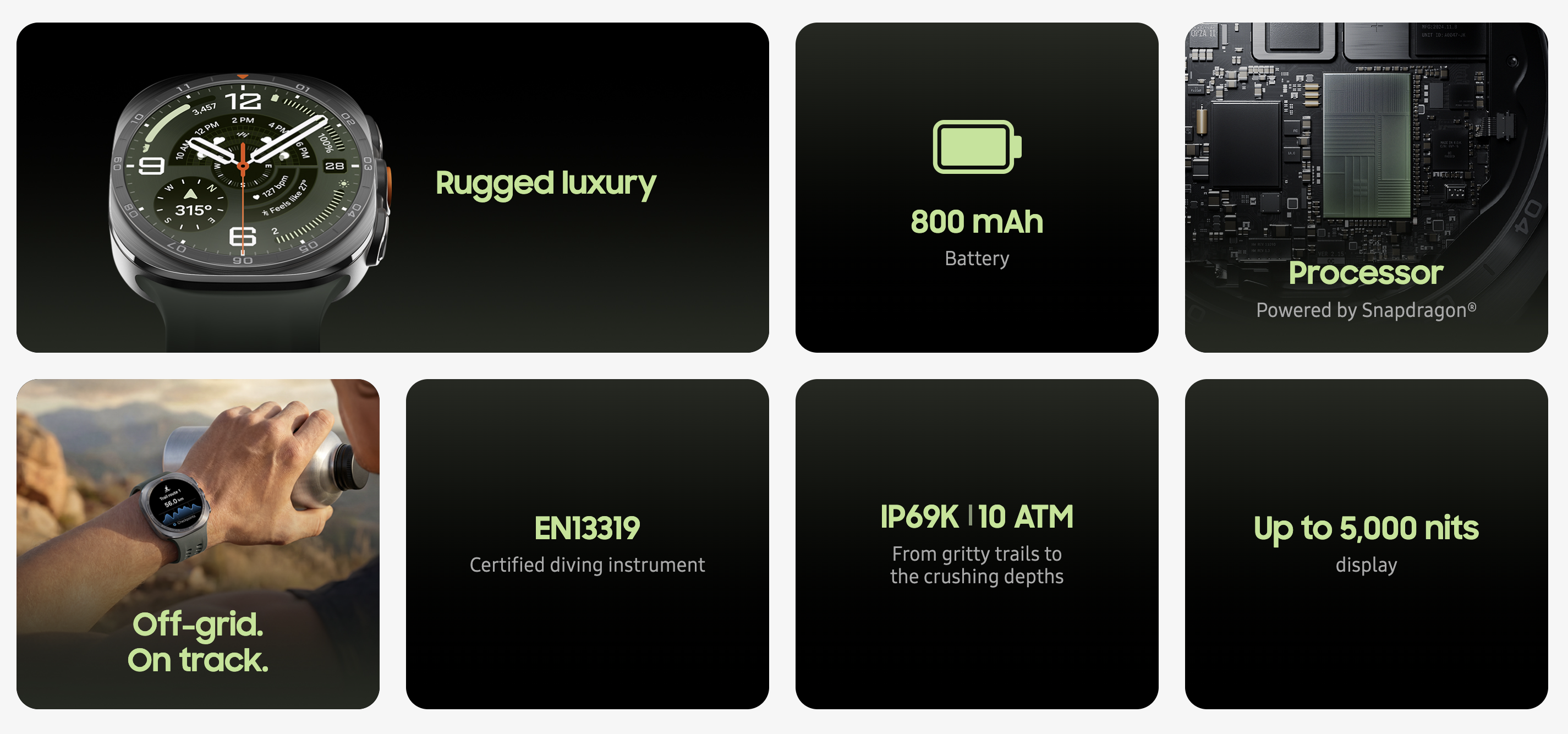
The system is Wear OS 7 with the One UI Watch 9 layer, the same as on the Galaxy Watch 9, with access to Google Play and Gemini. The certifications are IP69K, 10 ATM, MIL-STD-810H, and EN13319: dust, impacts, pressurized water, and recreational diving.
Titanium and 10.7 millimeters: where the caveats are
The chassis is 12% thinner than the previous generation and keeps the polished finish Samsung markets as rugged luxury. That reduction in thickness is the product’s engineering achievement, because it manages it while the battery grows by 35%.
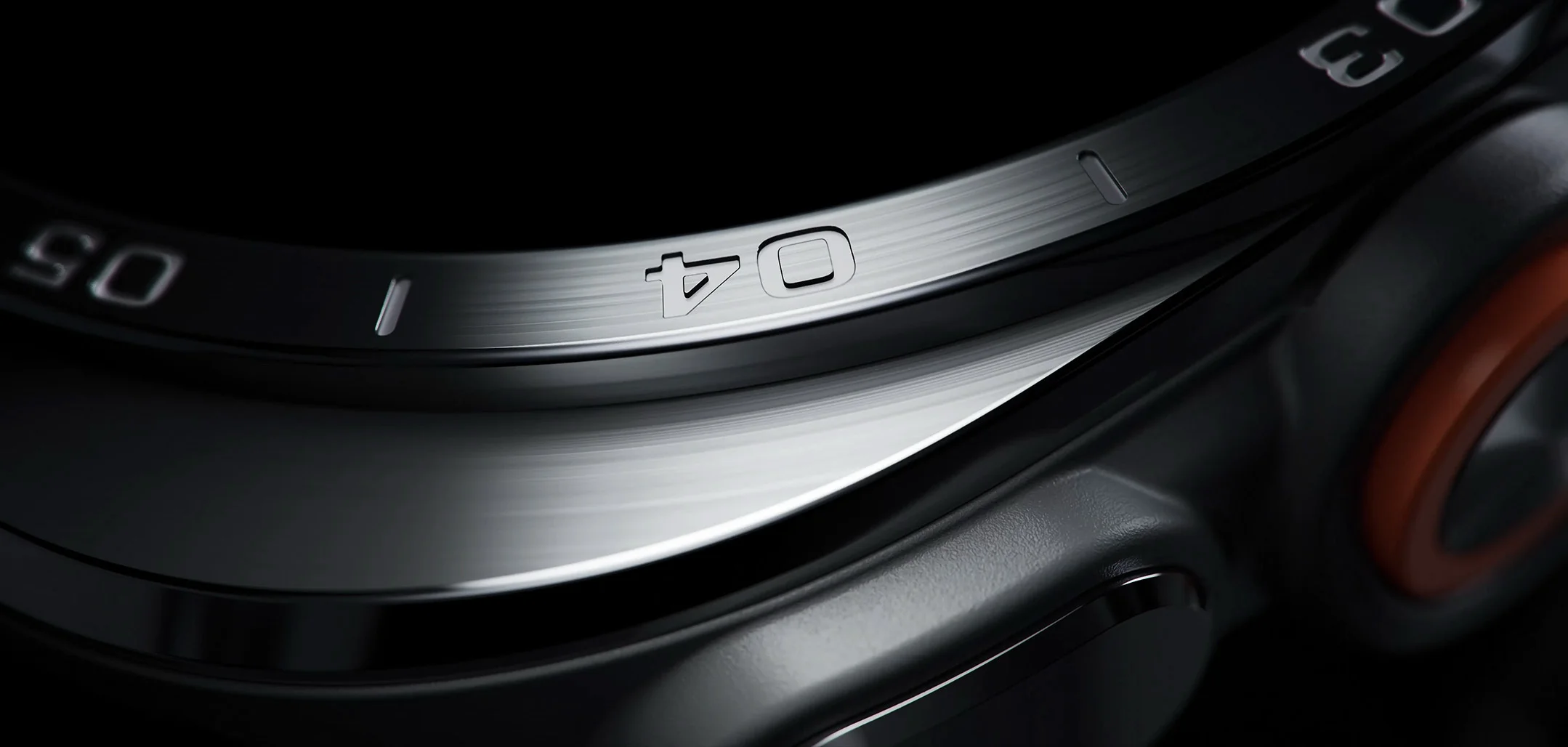
Now, the word titanium deserves a clarification that the brand itself makes and that coverage often skips. Samsung specifies on its purchase page that titanium is partially applied to the front and rear areas of the metal case, excluding the display and physical buttons, and that the rest of the case parts are a mix of plastic and other materials.
That is neither deception nor bad news: mixing materials is a sensible decision to reduce weight and thickness in a watch of this size. But anyone paying $699.99 expecting a solid block of titanium should know exactly what they are buying, especially if they care about how the finish will age in the areas that are not metal.
5,000 nits: the brightest display in a watch
The panel is a 1.52-inch Super AMOLED —up from 1.47 inches in the previous generation— with a resolution of 498 by 498 pixels and peak brightness of up to 5,000 nits. The first version reached 3,000, so the jump is almost double, and Samsung presents it as the world’s first smartwatch display to hit that figure.
It is a number that sounds excessive until you consider where this watch is used. In direct sunlight on a trail, or underwater with filtered light, the difference between reading a metric at a glance and having to shade the screen with your hand is exactly that brightness margin. In urban use, you will almost never notice it.
800 mAh and the series’ first fast charging
The battery goes from 590 to 800 mAh, and Samsung claims up to 60 hours of uninterrupted activity. The figure worth looking at is the combination: more capacity in a thinner body. The brand does not specify the cell chemistry, so that is the verifiable data point, not the technology that makes it possible.
Snapdragon Wear Elite and BioActive sensor
The processor is the 3-nanometer Snapdragon Wear Elite with 2 GB of RAM, the first wearable chip to integrate an NPU for running artificial intelligence on the device itself. It is exactly the same silicon used in the Galaxy Watch 9.
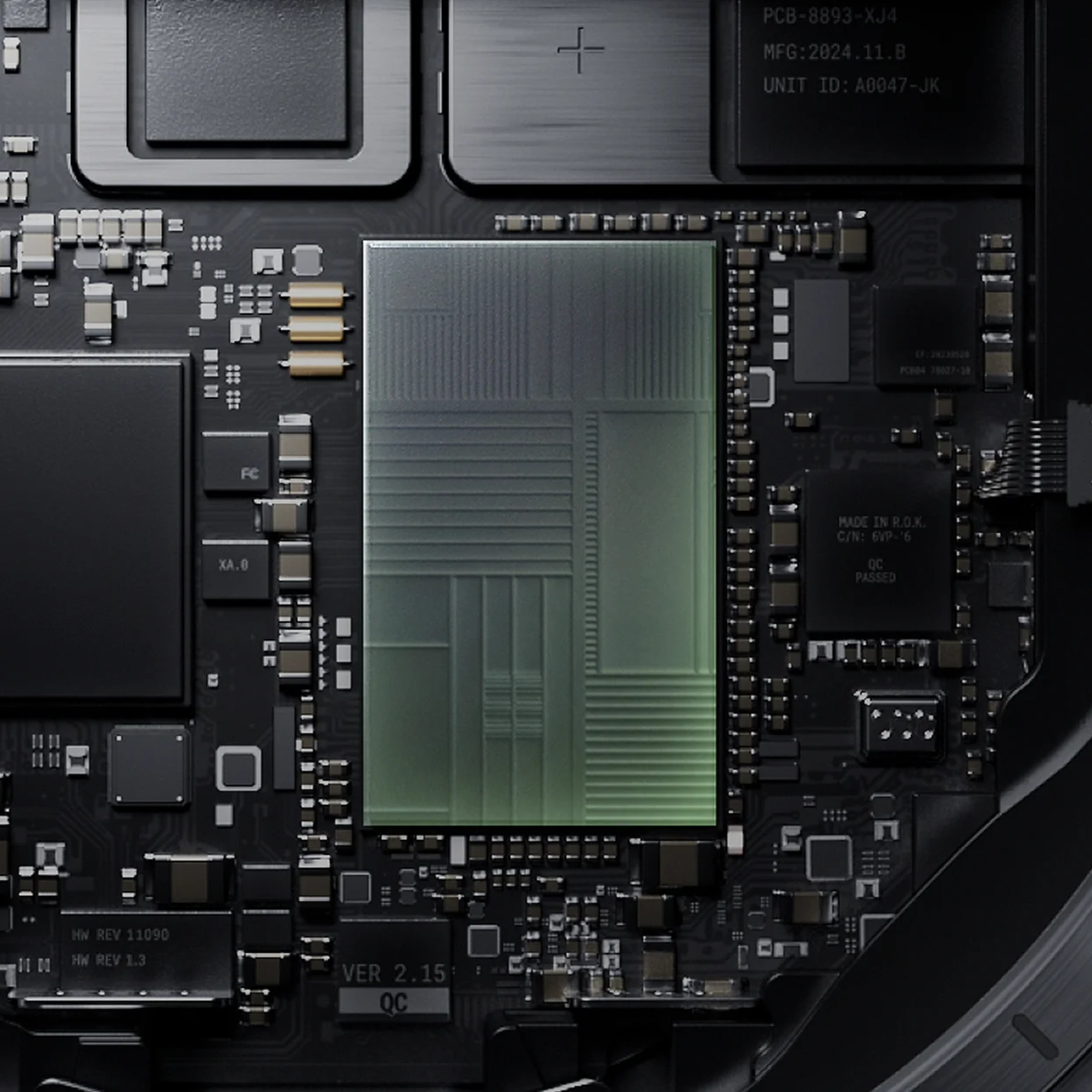
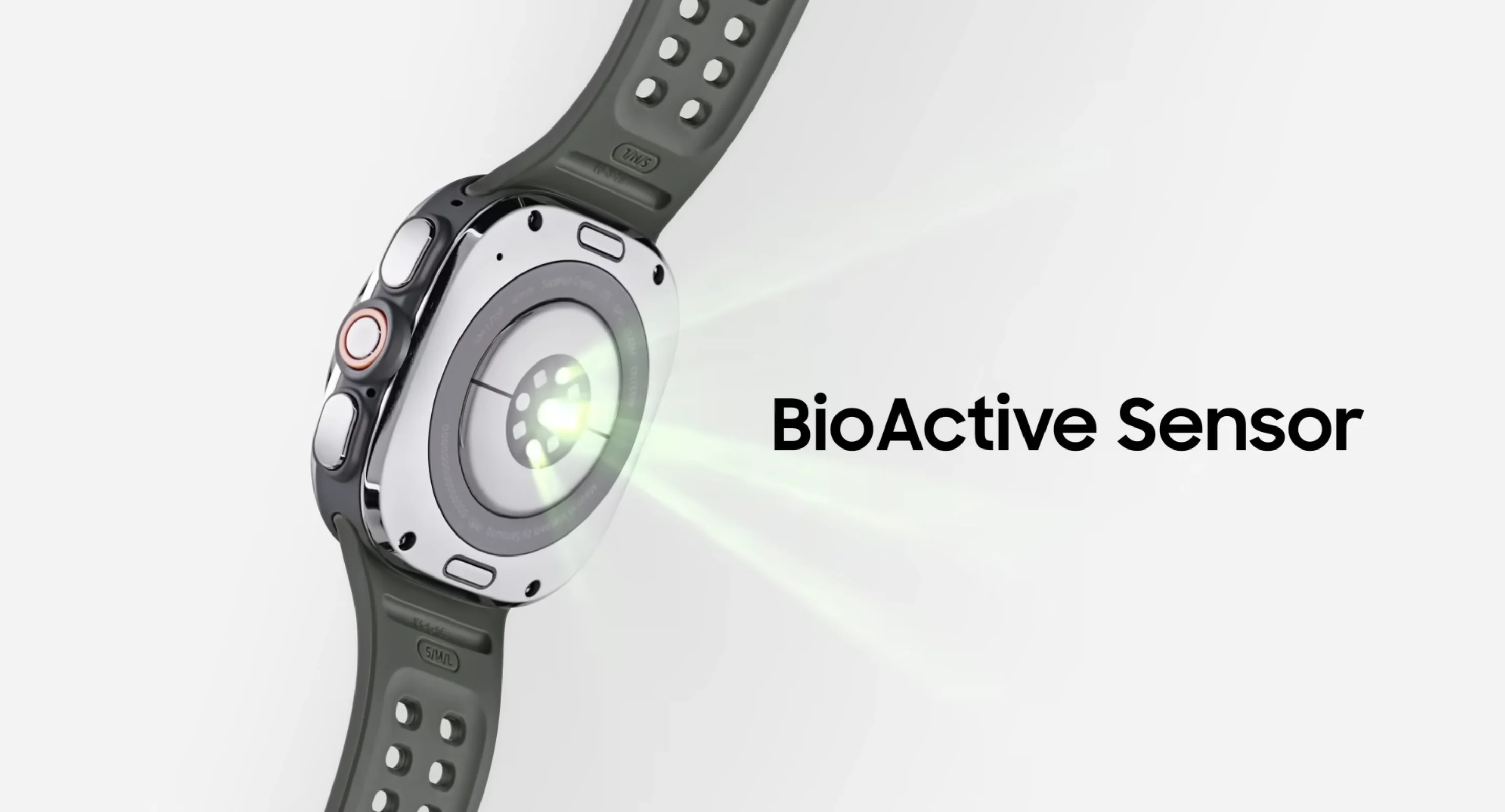
The BioActive sensor is also the same: it measures heart rate, electrocardiogram, blood oxygen, skin temperature, and bioimpedance. In other words, the $320 difference between the two watches in this generation does not buy better measurement hardware or more power. It buys titanium, brightness, battery life, durability, and the sports features that come next.
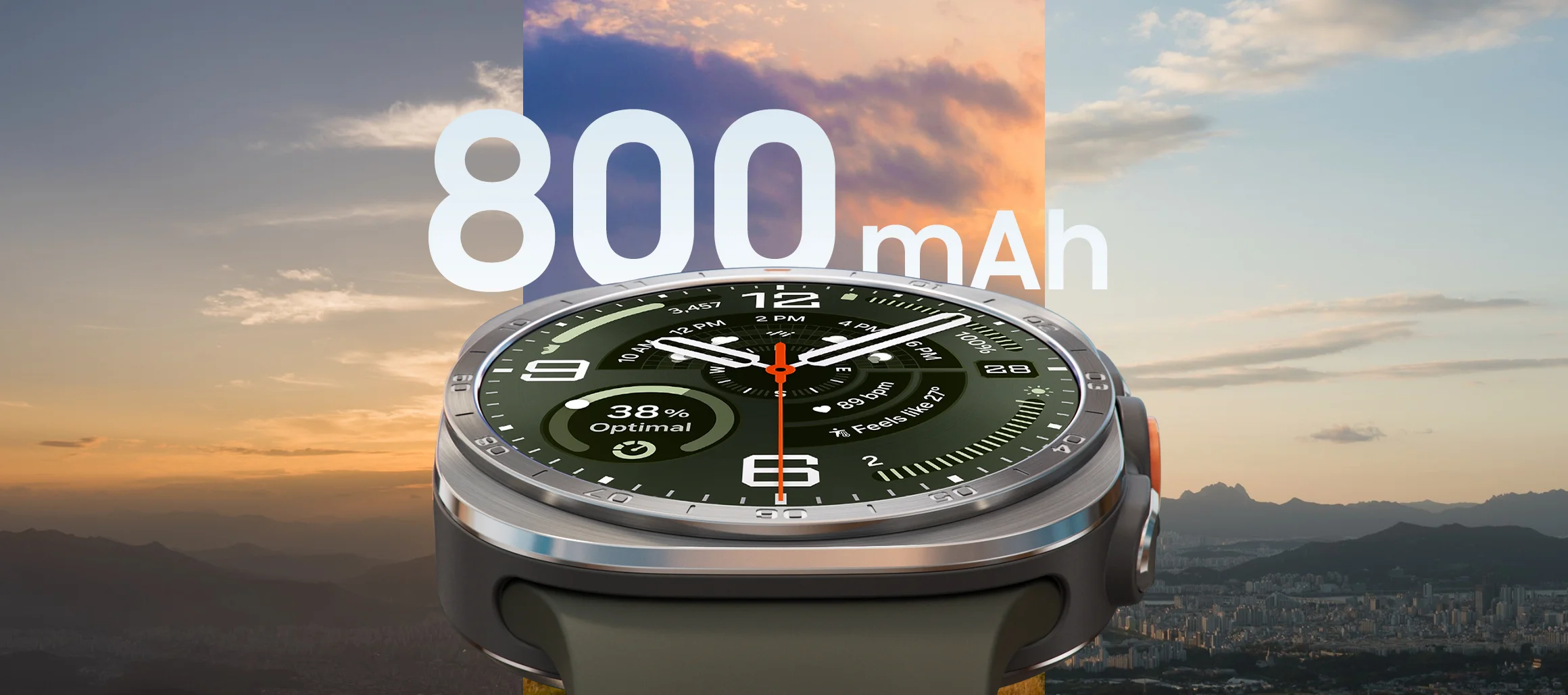
The other debut is fast charging, the first in the Galaxy Watch series, and the charger is included in the box. That is worth noting because it goes against the rest of the catalog: the three foldables Samsung introduced at the same event ship without a charger.
Diving, mountains, and cycling
This is where the Ultra name is justified. The diving mode was developed together with Mares and records dive time, water temperature, and ascent and descent speed in real time, down to 40 meters, with automatic activation when immersion is detected.
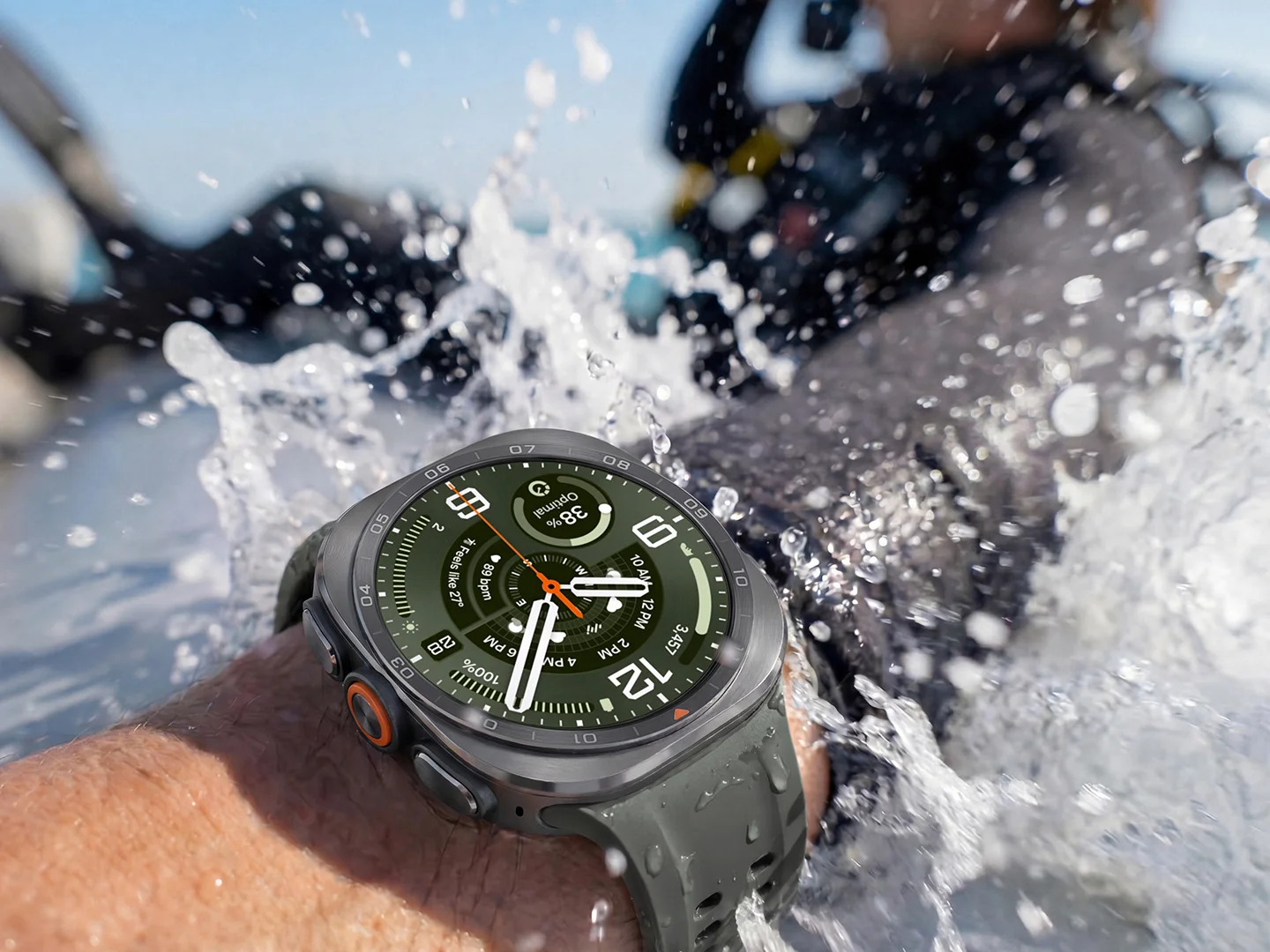
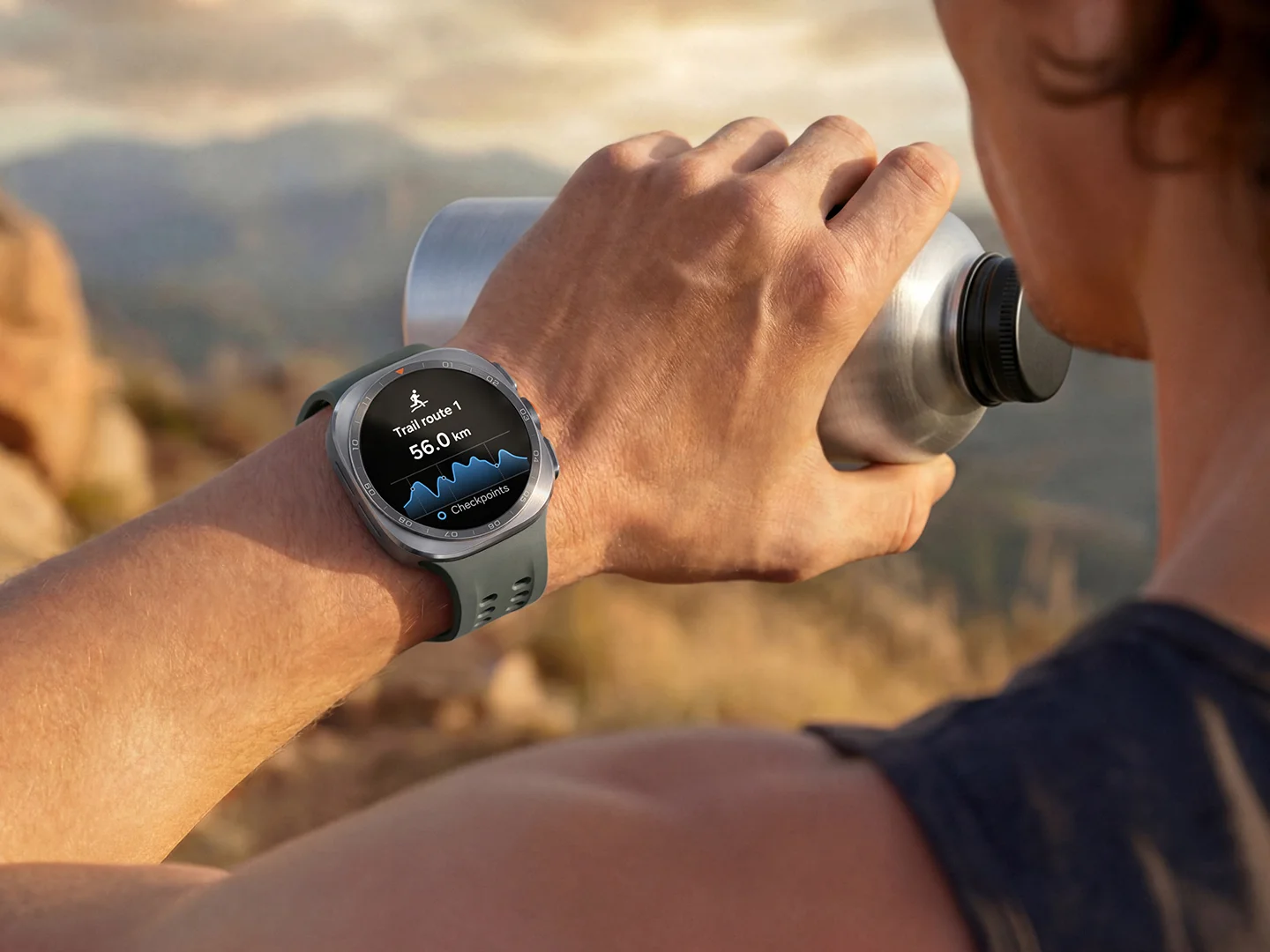
With an honest caveat: accessing all the functions of a dive computer requires a separate app. The watch is certified and records the essentials, but anyone who dives frequently should not assume it replaces their dive computer without first checking what they need from it.
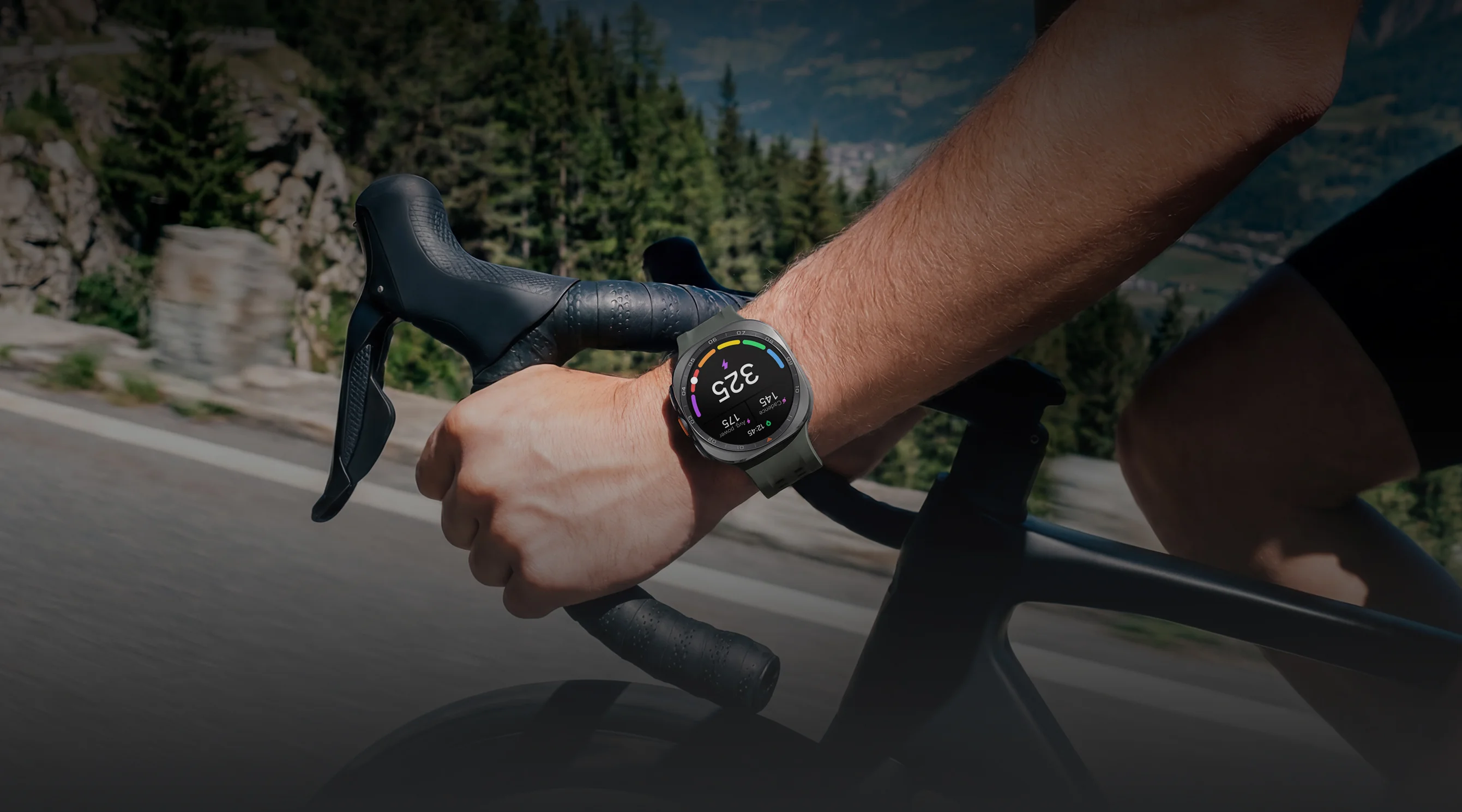
On land, the mountain running feature provides altitude and terrain impact data with real-time recommendations, and cycling mode adds on-screen power and cadence metrics.
Gemini without the phone nearby
Google’s assistant comes integrated by default and responds by voice without taking out your phone, the same direction Samsung took across the 2026 lineup, with Gemini as the focus instead of Bixby. The Snapdragon Wear Elite brings the first NPU in a wearable chip, which is what allows artificial intelligence features to run on the watch itself.
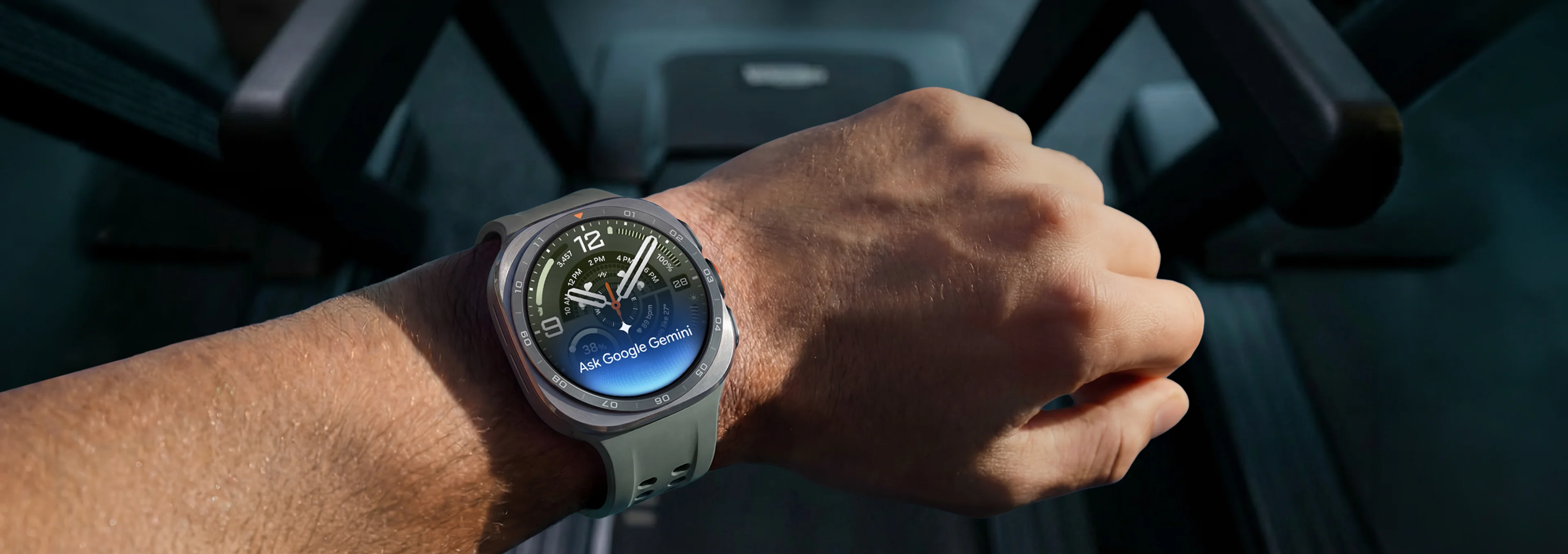
The difference from the rest of the lineup is connectivity. The Ultra 2 includes LTE as standard in its only version, so voice queries work halfway through an outing with the phone at home. The entry-level Watch 9 is Bluetooth-only: outside the range of a known Wi-Fi network, it needs the phone nearby to do the same. In a watch designed for the outdoors, that distinction matters more than the assistant’s feature list.
Bands, colors, and price
The case comes in two finishes, Titanium Silver and Titanium Gray, and can be paired with three different bands: a perforated silicone sport band, a silicone band with visible stitching, and a marine-style woven band with a pull tab.
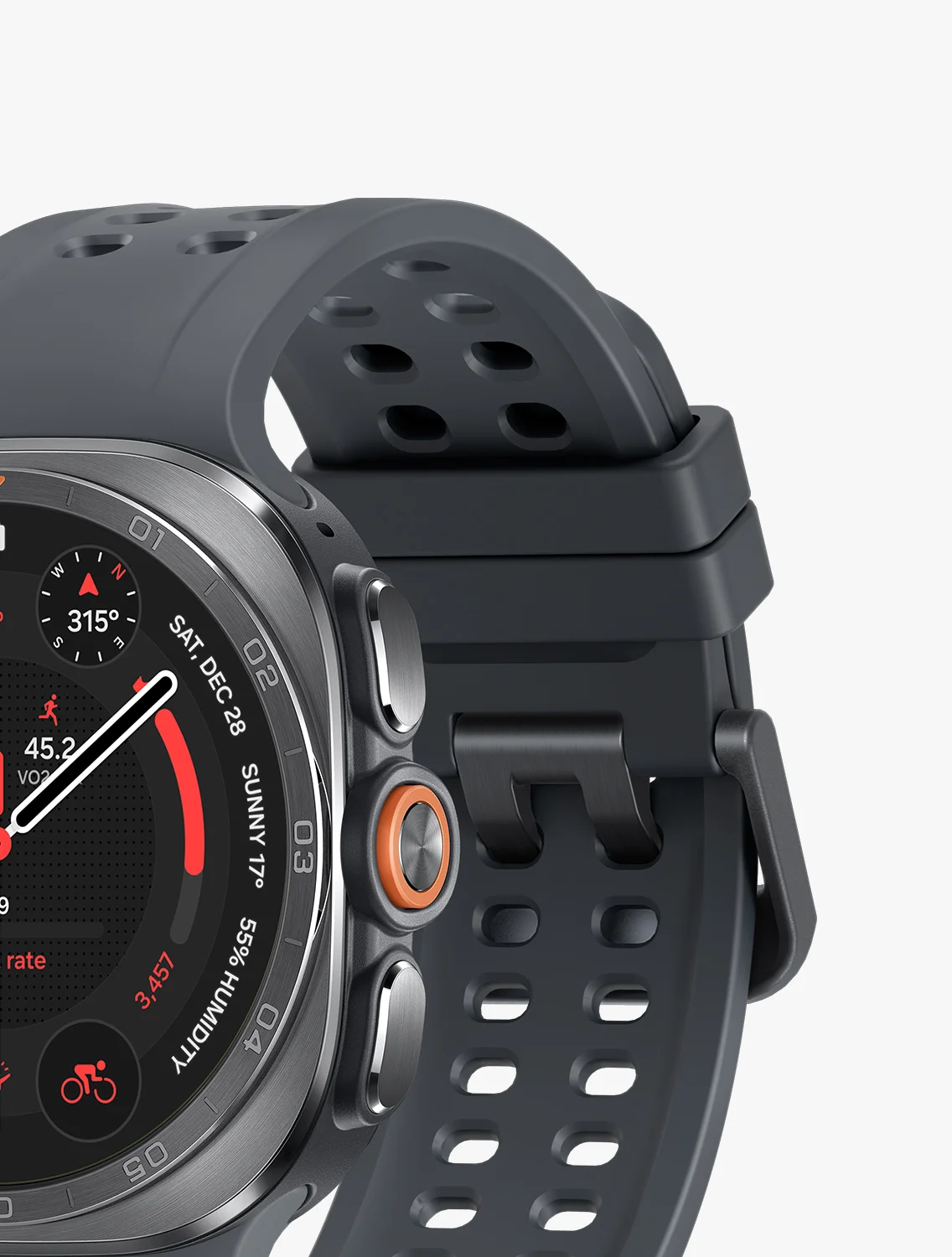
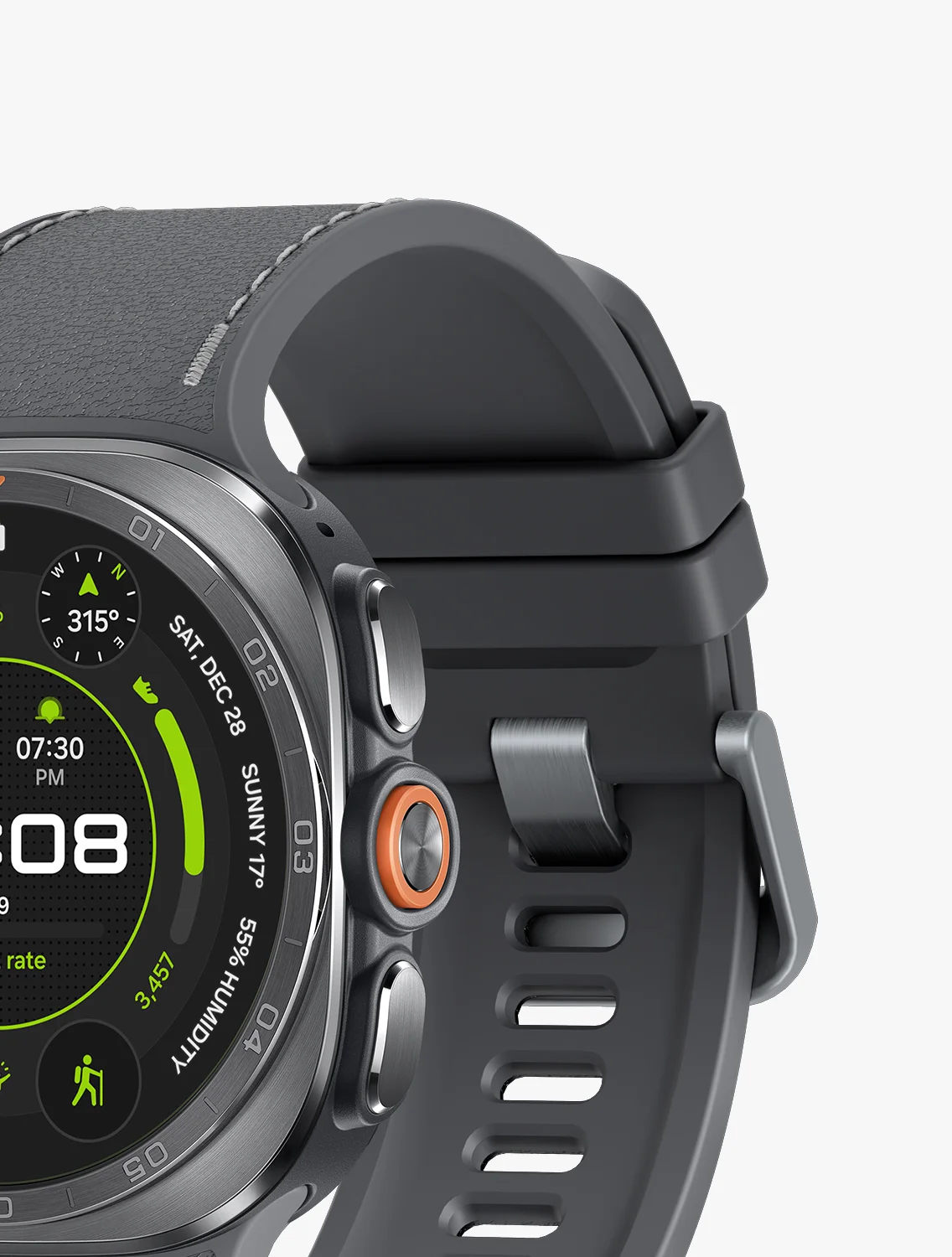
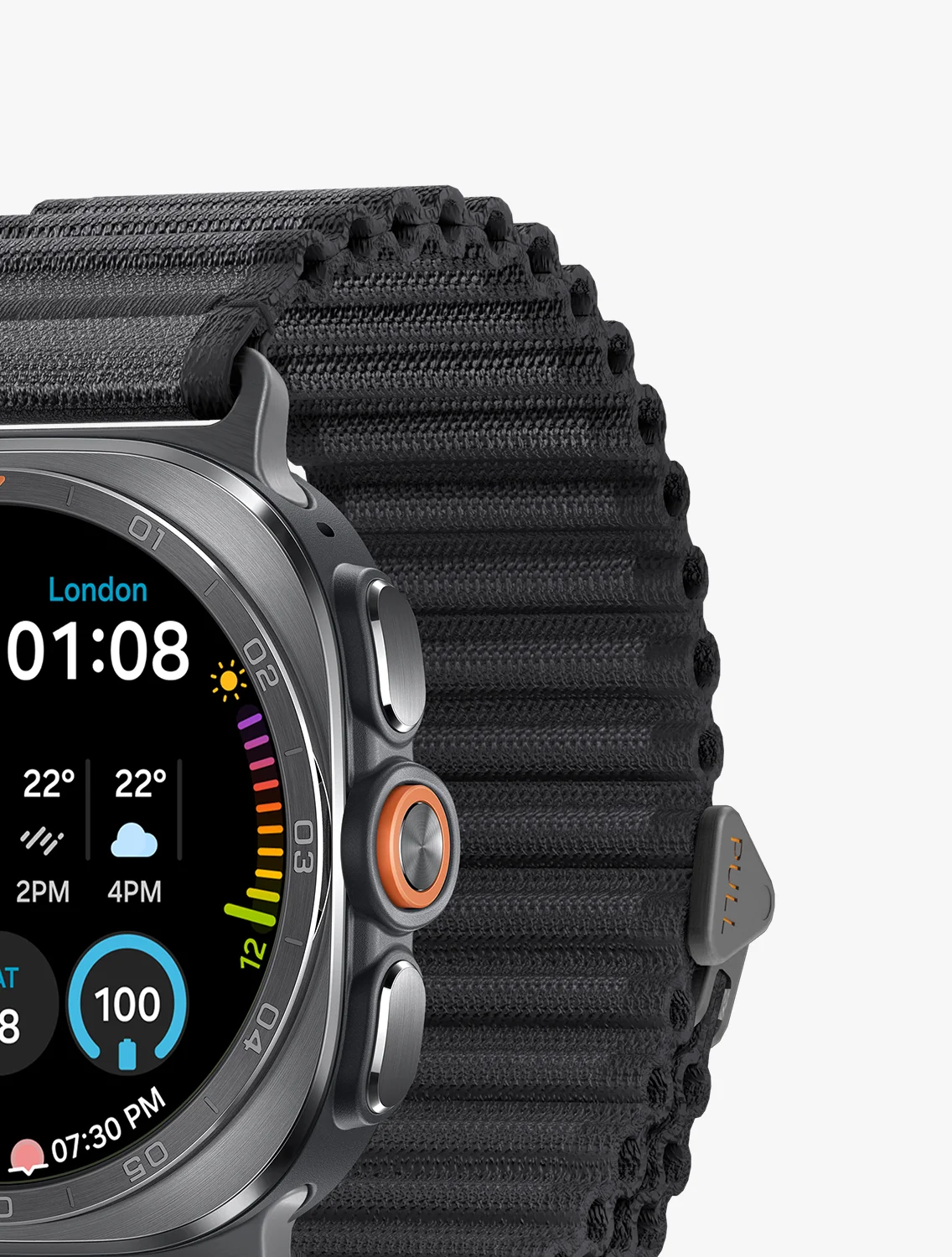
Keep in mind that the Ultra line’s bands use a proprietary attachment system and are not interchangeable with those of the Galaxy Watch 9 or previous generations of the standard series. The launch price is $699.99, with €749 in Europe, and preorders opened on July 22, with general availability starting August 7.
Conclusion
The Ultra 2 does what an adventure watch has to do well: it is readable in the sun, withstands water at a certified depth, lasts long enough for a long day, and got thinner without sacrificing battery life. As an engineering product, it is the most well-rounded piece of the two watches in this generation.
For anyone who dives, runs in the mountains, or spends hours outdoors, it is the only one in the lineup that fits, and the extra $320 buys concrete things: titanium, five times more brightness than a typical watch, sixty hours, and real certifications. For anyone who wants health tracking and will not get the watch wetter than the shower, the Galaxy Watch 9 has the same chip and the same sensors for considerably less. And for anyone who dives seriously, the advice is to read exactly what the certification covers before buying: certification is not the same as a full dive computer, and that nuance determines whether the watch replaces a piece of equipment or merely accompanies it.
Frequently asked questions
How much does the Galaxy Watch Ultra 2 cost and when does it go on sale?
The launch price is $699.99, with €749 in Europe. Preorders began on July 22, 2026, and general availability starts on August 7 in the first markets. There is only one version, 47 millimeters and with LTE as standard.
Is the Galaxy Watch Ultra 2 suitable for diving?
Yes, within its limits. It has EN13319 certification and 10 ATM resistance, and it records dive time, water temperature, and ascent and descent speed down to 40 meters, with a mode developed together with Mares. A separate app is required for the full functions of a dive computer.
Is the entire body of the Galaxy Watch Ultra 2 made of titanium?
No. Samsung clarifies in its spec sheet that titanium is partially applied to the front and rear of the metal case, not including the display or physical buttons, and that the rest combines plastic and other materials.
What sets the Galaxy Watch Ultra 2 apart from the Galaxy Watch 9?
They share the Snapdragon Wear Elite processor and the same BioActive sensor. The Ultra 2 adds titanium, a 5,000-nit display versus 3,000, an 800 mAh battery versus 390 or 445, IP69K and EN13319 certifications, and dedicated diving, mountain, and cycling features, for $320 more.
Galaxy Watch Ultra 2
Samsung’s adventure watch for 2026. It slims down to 10.7 millimeters while increasing to 800 mAh, debuts a display of up to 5,000 nits, and adds certified diving down to 40 meters.
Pros
- Samsung presents it as the first smartwatch with a display of up to 5,000 nits.
- The battery increases from 590 to 800 mAh while the watch slims down to 10.7 millimeters.
- It debuts the series’ first fast charging and includes a charger in the box.
- It records dive metrics down to 40 meters with EN13319 certification.
- It uses the first wearable chip with an integrated NPU.
Cons
- The titanium is partial: the rest of the case combines plastic and other materials.
- A separate app is required for the full functions of a dive computer.
- It only comes in a 47-millimeter case, which is large for smaller wrists.
- It shares its processor and sensors with the Galaxy Watch 9, which costs $320 less.
- The Ultra line’s bands are not compatible with the rest of the series.
Author
Alexis PaezReport based on official announcements and verified public sources at the time of publishing.
Comments
Share article
You might also like


Samsung Galaxy Unpacked July 2026: the Fold lineup splits in two, the first foldable Ultra, and glasses with Gemini
Fold 8 in a passport-style format, the first foldable Ultra, watches with the same chip, and glasses with Gemini: everything from Galaxy Unpacked July 2026, prices, and dates.

Galaxy Z Fold 8 Ultra: Samsung’s first Ultra foldable arrives with 200 MP, telephoto and 5,000 mAh in 4.1 millimeters
Samsung introduced the Galaxy Z Fold 8 Ultra: 4.1 mm, 200 MP camera with telephoto and a 5,000 mAh silicon-carbon battery. Price and full specs.

Recent articles
Huawei Pura X Max vs iPhone Duo: what changes beyond the foldable screen
Huawei Pura X Max vs iPhone Duo: size, multitasking, cameras, styluses, and charging. What changes in use and which one better fits your priorities.