Samsung Galaxy Unpacked July 2026: the Fold lineup splits in two, the first foldable Ultra, and glasses with Gemini

Index
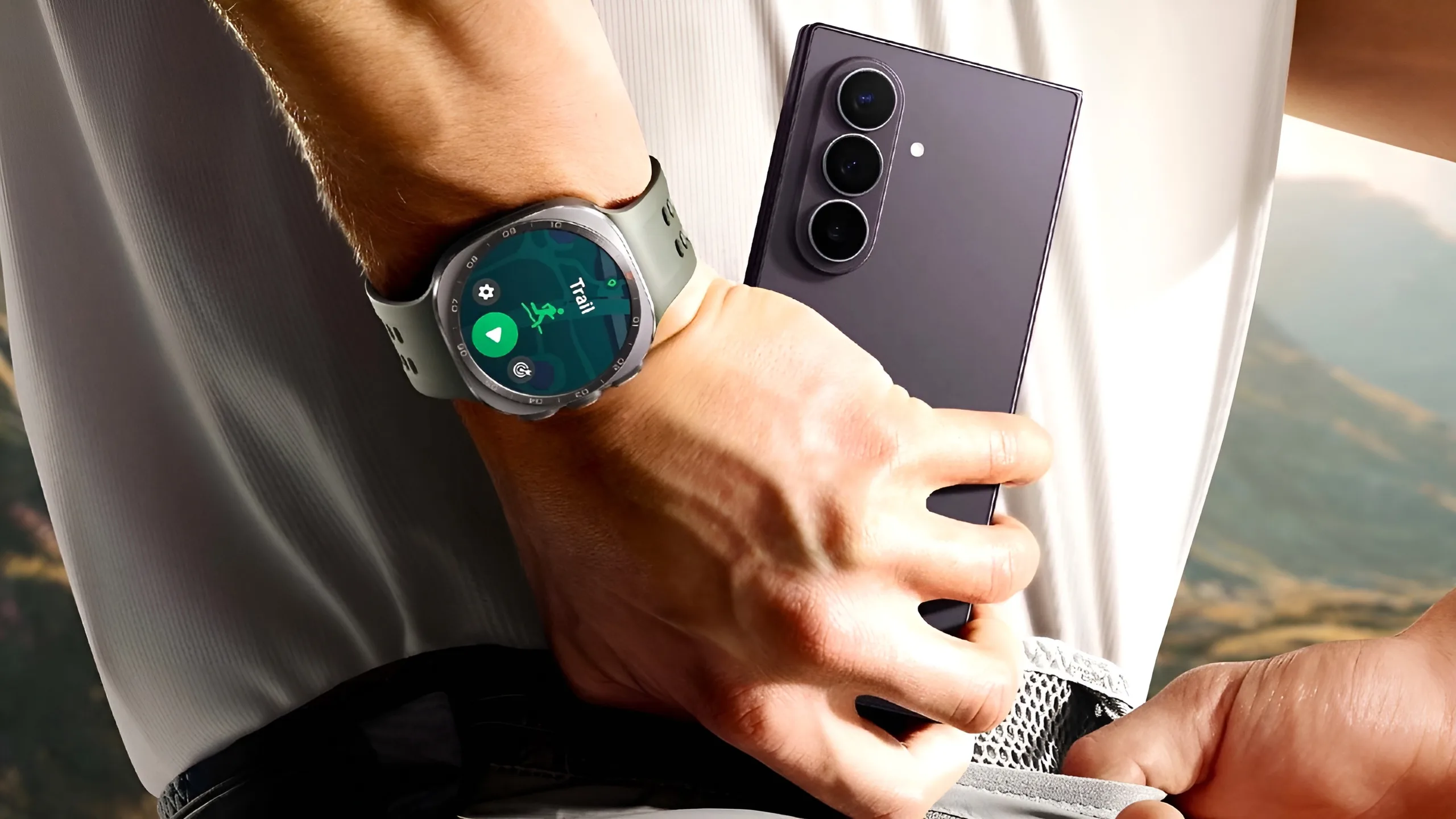
Samsung chose London for its July 22 Galaxy Unpacked and introduced five devices at once: Galaxy Z Fold 8 Ultra, Galaxy Z Fold 8, Galaxy Z Flip 8, Galaxy Watch Ultra 2, and Galaxy Watch 9, plus a preview of its first smart glasses with Gemini. The biggest news is not a single product, but a lineup decision: for the first time, the Fold splits into two formats, with an Ultra that inherits the classic design and a Fold 8 that debuts passport-style proportions.
The other cross-cutting detail is price: the entire family is more expensive than the previous generation. Preorders opened the same day as the event, and general availability begins on August 7 in the first markets.
Galaxy Z Fold 8: the passport-style format
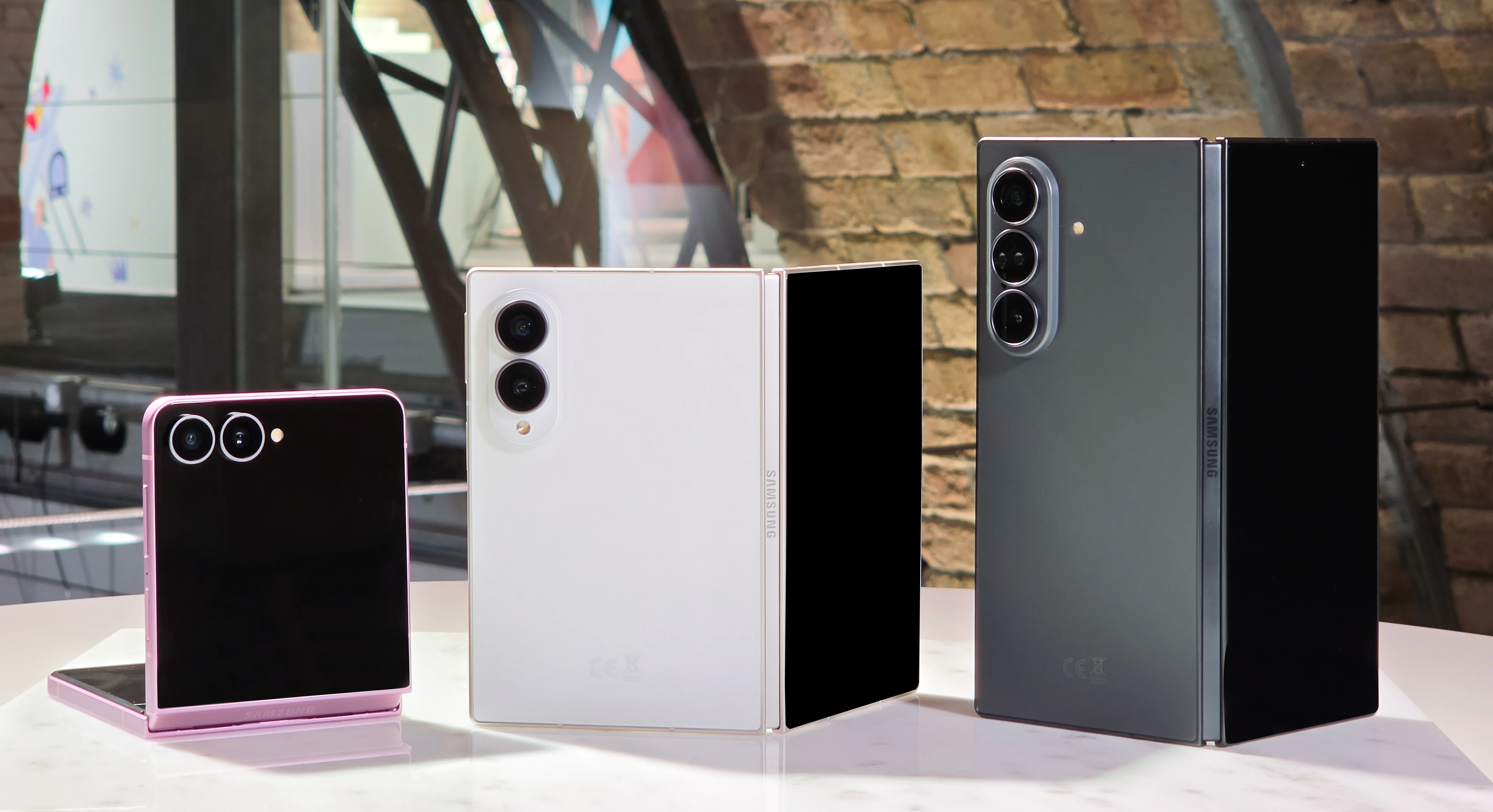
The Fold 8 is the event’s structural bet. When closed, it is wider and shorter than any previous Fold, with a 5.5-inch external display in a 10:16 ratio that feels like a conventional phone. Unfolded, the 7.6-inch internal panel lands at 4:3, ideal for video and gaming; rotated, 3:4 better accommodates reading and browsing.
At 201 grams, it is the lightest Fold so far, and the official spec sheet promises more than 26 hours of video playback with its 4,800 mAh battery. It shares the Snapdragon 8 Elite Gen 5 for Galaxy with the Ultra, but gives up the telephoto lens: its rear module is a dual-camera setup. It costs $1,899 and is positioned to be the high-volume foldable in the lineup.
Galaxy Z Fold 8 Ultra: the first foldable Ultra
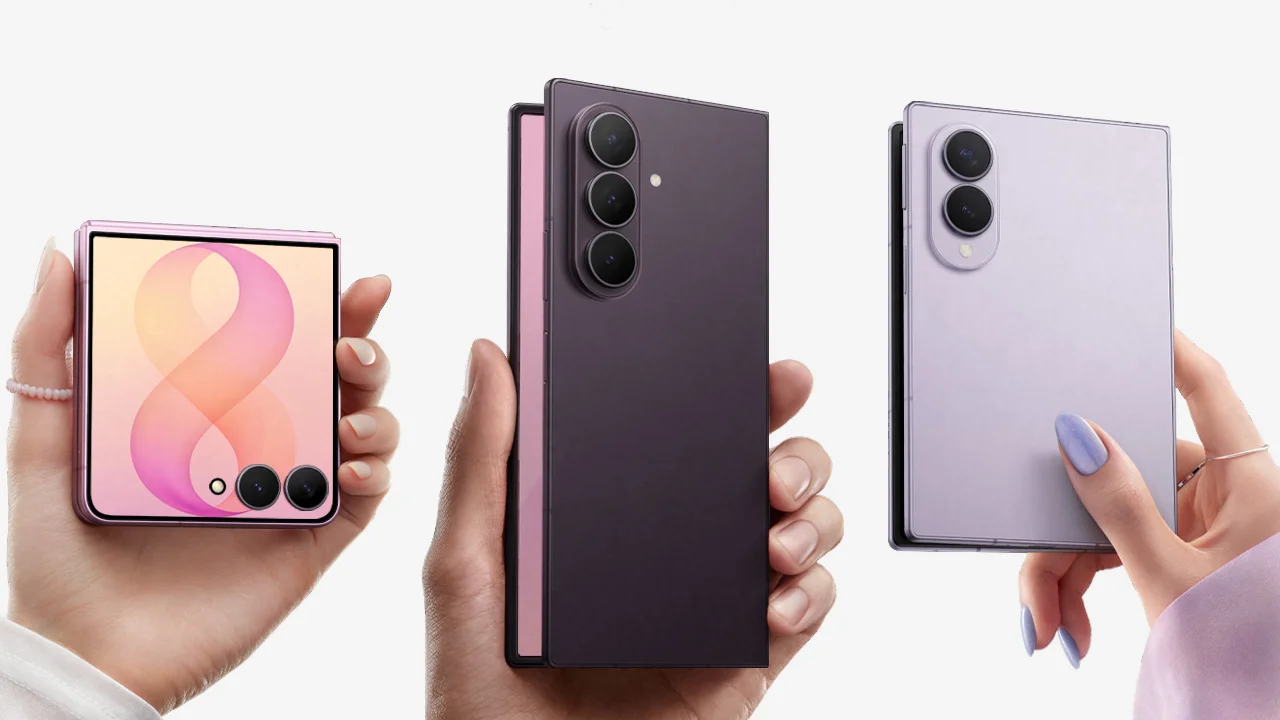
The Fold 8 Ultra is the direct successor to the Fold 7, now with the name Samsung reserves for its top-of-the-line devices. It measures 4.1 millimeters unfolded and weighs 215 grams —the thinnest Fold in the lineup’s history— with an 8-inch internal display, a 6.5-inch external display, and a triple camera system that remains its exclusive differentiator: a 200 MP main camera, a 50 MP ultra-wide, and a 10 MP telephoto.
The panel uses Flex Titanium, Samsung’s proprietary technology that tensions the display so it sits flat and the crease nearly disappears, also present on the Fold 8 and Flip 8. The silicon-carbon battery reaches 5,000 mAh, and the price is $2,099. On the software side, the agentic layer makes the difference: Now Nudge anticipates multitasking and opens apps in Multi Window based on context, while Gemini Notebook turns documents and recordings into summaries, presentations, or podcasts.
The immediate question is which of the two Fold models makes more sense: the Ultra is the refined continuation; the 8 is the bet on a new format at a lower price.
Galaxy Z Flip 8: thinner and with a more capable FlexWindow
The Flip 8 evolves without changing the formula. It drops to 6.1 millimeters thick when unfolded and 180 grams, with a reinforced frame and a hinge made from a new high-strength material, Samsung’s answer to the clamshell’s long-standing durability criticism.
The functional improvement comes through the 4.1-inch FlexWindow: it can now run full apps without opening the device and adds Now Brief, with weather, calendar, and notifications in personalized cards. The camera gains Dual Recording, which records the creator and the scene simultaneously, designed for vlogs. The internal panel is 6.9 inches, and the price is $1,199.
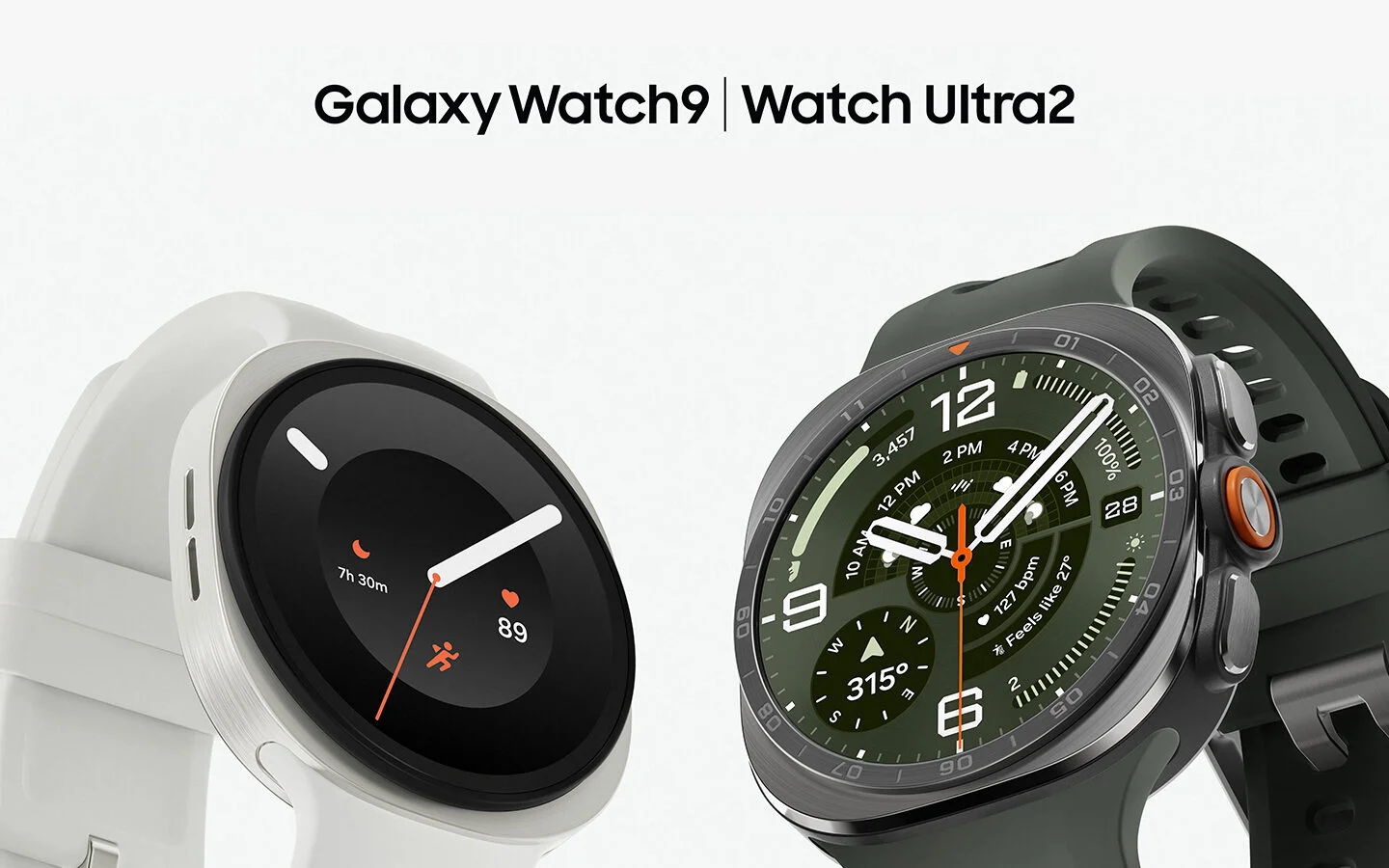
Galaxy Watch Ultra 2 and Watch 9: the same chip for both
The surprise with the watches was not the design, but the silicon: contrary to what leaks had suggested, both use the same 3-nanometer Snapdragon Wear Elite. The standard model is not inheriting leftover silicon in this generation.
The Watch Ultra 2 concentrates the biggest leaps: a 5,000-nit display, the brightest ever seen on a smartwatch; an 800 mAh battery (35% larger); a titanium case that is 12% thinner; and IP69K resistance, for $699.99. The Watch 9 keeps the cushion silhouette in 40 and 44 millimeters, rises to 3,000 nits, and starts at $379.99: the same brain as the Ultra for just over half the price.
Samsung’s smart glasses: the unnamed preview
The event’s closing segment was the most anticipated preview: Samsung’s smart glasses, developed with Google and with two designs signed by Warby Parker and Gentle Monster. The company presents them as "intelligent eyewear" and still has not confirmed the commercial name; leaks point to Galaxy Glasses.
They run Android XR with Gemini on a Snapdragon AR1 Gen 1, with a camera that gives the assistant visual context, live translation, message summaries, and navigation. The key point is what they do not have: they do not project anything onto the lens. The experience is audio and camera-based, in line with Ray-Ban Meta, not screen-equipped headsets — and they should not be confused with the 2025 Galaxy XR headset, which is a different category. Control combines voice, touch gestures on the temple, and wrist gestures through a connected Galaxy Watch 9. Samsung promises around 9 hours of battery life, plus seven full charges from the case, with arrival toward the end of the year in select markets and pricing yet to be announced.
Pricing and availability
All devices have been available for preorder since July 22, with general sales beginning on August 7. The event table looks like this:
What did not appear also says something: no new Galaxy Buds and no TriFold news. The earbuds were refreshed at the February Unpacked alongside the S26 series, and Samsung dedicated this event entirely to foldables, watches, and glasses.
Conclusion
The July Unpacked confirms that the foldable has stopped being a single product and become a family: two Fold models for different audiences, a more mature Flip, two aligned watches, and glasses on the way. Splitting the Fold lineup is Samsung’s riskiest decision in the category since 2019, and only sales will show whether the passport-style format is the mass-market foldable or a one-cycle experiment.
For those who want the most advanced option, the Ultra is the obvious buy. For those entering the foldable world, the Fold 8 redefines the entry point with a more natural in-hand format. And for anyone who already has a Fold 7, there are few reasons to switch: their device is, in essence, the foundation of the new Ultra. The highest entry cost in the lineup’s history is the price of that ambition, and the variable that could slow it down.
Frequently asked questions
When do the new Galaxy devices go on sale?
Preorders opened on July 22, the same day as the event, and general availability begins on August 7, 2026 in the first markets. The smart glasses are the exception: they arrive toward the end of the year in select markets, with no exact confirmed date.
How much do the Fold 8, Fold 8 Ultra, and Flip 8 cost?
The Galaxy Z Fold 8 costs $1,899, the Fold 8 Ultra costs $2,099, and the Flip 8 costs $1,199 at their official launch prices. All three are more expensive than the previous generation and make this Samsung’s most expensive foldable lineup to date.
What is the difference between the Galaxy Z Fold 8 and the Fold 8 Ultra?
The Fold 8 Ultra is the direct successor to the Fold 7: an elongated format, triple camera with a 200 MP main sensor, and an 8-inch display. The Fold 8 debuts a wider and shorter passport-style format, with a dual camera, a 7.6-inch panel, and a price $200 lower. The name is confusing: the Ultra is the continuation; the 8 is what’s new.
When are Samsung’s glasses arriving?
Samsung previewed them for late 2026 in select markets, with no confirmed price or commercial name. They work with Android XR and Gemini, include camera and audio but no display in the lens, and are controlled by voice, touch on the temple, or gestures with a connected Galaxy Watch 9.
Author
Alexis PaezReport based on official announcements and verified public sources at the time of publishing.
Comments
Share article
You might also like

Galaxy Z Fold 8 Ultra: Samsung’s first Ultra foldable arrives with 200 MP, telephoto and 5,000 mAh in 4.1 millimeters
Samsung introduced the Galaxy Z Fold 8 Ultra: 4.1 mm, 200 MP camera with telephoto and a 5,000 mAh silicon-carbon battery. Price and full specs.

Galaxy Z Fold 8: the world's lightest foldable debuts a new form factor and drops the telephoto camera
Samsung introduced the Galaxy Z Fold 8 with a wide form factor, 201 grams, and a 10:16 cover display. Price, full specs, and why it does not replace the Fold 7.

Galaxy Z Flip 8: Samsung’s thinnest foldable improves on the outside and repeats on the inside
Samsung unveiled the Galaxy Z Flip 8: 6.1 mm, 180 grams, and Flex Titanium. Price, full spec sheet, and what really changes compared with the Flip 7.


Recent articles
Huawei Pura X Max vs iPhone Duo: what changes beyond the foldable screen
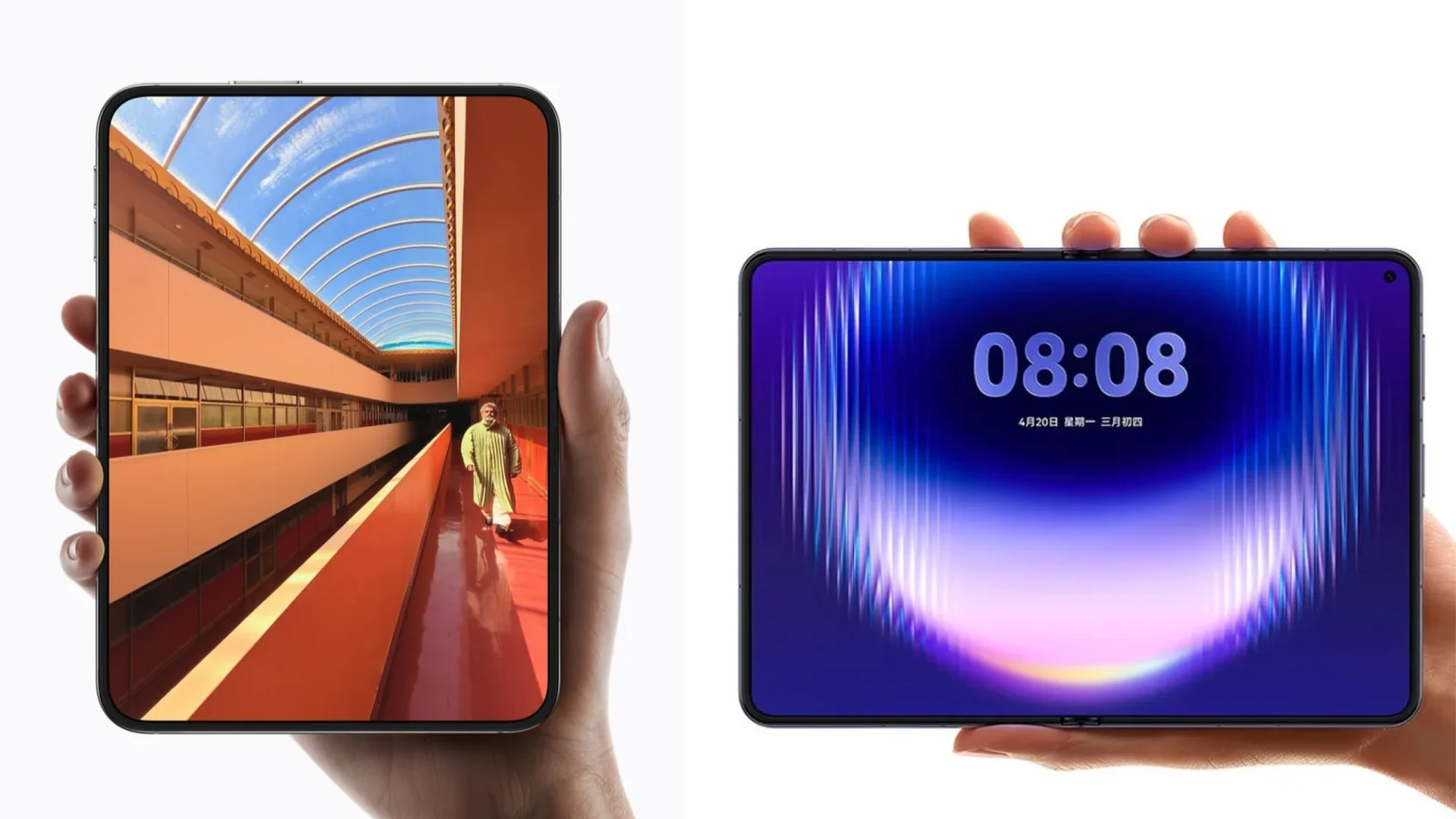
Huawei Pura X Max vs iPhone Duo: size, multitasking, cameras, styluses, and charging. What changes in use and which one better fits your priorities.