John Ternus is Apple’s new CEO: Tim Cook becomes Executive Chairman

Index
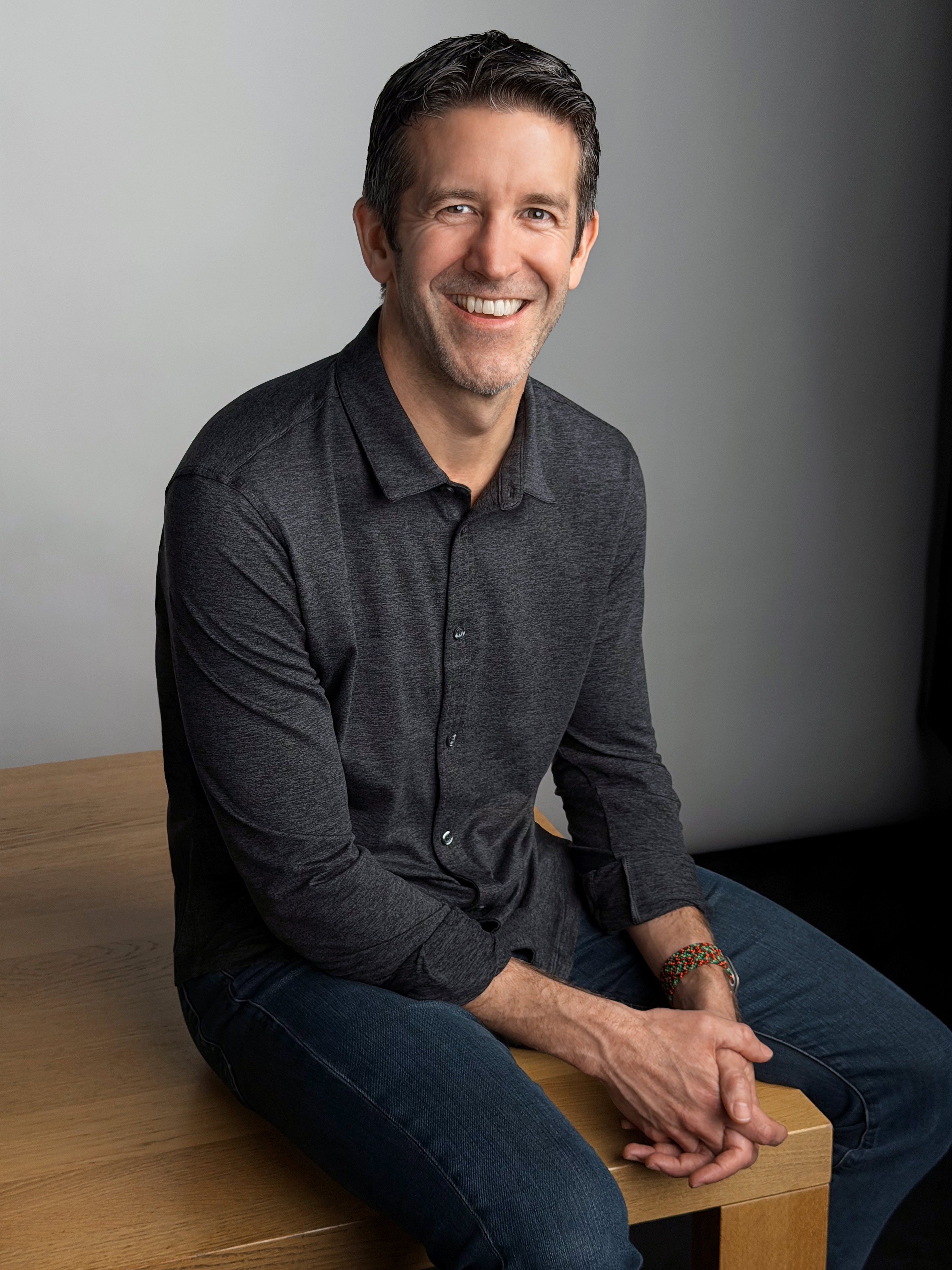
Apple confirmed the most anticipated leadership handoff of the past decade: Tim Cook will step down as CEO and John Ternus, currently SVP of Hardware Engineering, will take over as chief executive on September 1, 2026. Cook is not leaving the company: he will become Executive Chairman, focusing on relationships with governments and regulators. It is the first succession since he himself replaced Steve Jobs in 2011, and Ternus will become the eighth CEO in Apple’s history.
Who John Ternus is and why he was the natural choice
Ternus is 50 years old, a mechanical engineer who graduated from the University of Pennsylvania in 1997, and joined Apple in 2001 as part of the product design team. Before that, he spent four years at Virtual Research Systems, a pioneering VR company from the 1990s — a detail that takes on another dimension when you look at the later trajectory of Apple Vision Pro.
His imprint on the current catalog is huge. He was involved in the launch of iPad and AirPods. He led hardware engineering for the entire iPhone 17 lineup — including the iPhone Air, the thinnest model Apple has released so far — and the brand-new MacBook Neo. He also captained the Mac transition to Apple Silicon from the product side: another team designs the chip, but redesigning the thermals, integration, and validation so that an in-house SoC can replace Intel in a notebook is pure hardware engineering work.
There is a less-discussed but relevant chapter: under his leadership, Apple introduced the new recycled aluminum that is already used across several lines, the 3D-printed titanium in the Apple Watch Ultra 3, and concrete advances in repairability that extended the useful life of several products. For anyone who wants their device to last more than four years or needs to repair it, that is not just decoration.
Srouji moves up: silicon is consolidated
Alongside the succession, Apple announced that Johny Srouji will become Chief Hardware Officer, a new role that combines Hardware Technologies (which he already led) with Hardware Engineering (the area Ternus is leaving). Srouji joined Apple in 2008 specifically to lead development of the A4, the first system-on-a-chip designed by the company, and from there came the full A and M families. Cook described him as a singular figure in the silicon strategy.
The move is easy to read: instead of fragmenting the organization after losing Ternus, Apple is unifying it under the father of Apple Silicon. The chip and its integration will now report to a single leader.
A hardware engineer as CEO in the middle of the AI era
The choice says something. Apple put an integrated product engineer in charge precisely at the moment when the industry is pivoting toward software and AI, and Apple is arriving late: delayed Siri, an alliance with Google Gemini to cover what it did not develop in-house, and Vision Pro without real commercial traction.
The bet is clear. Apple is doubling down on its historical differentiator — impeccable vertical hardware-software integration — and delegating AI to specialized teams that have already been reorganized. Whether that card is enough now that the playing field has shifted toward generative models is the question that will define the next decade.
Author
Alexis Paez