Nothing Ear (3a) review: $99 for the earbuds that record what you’re listening to

Index
Nothing took two years to refresh its cheapest earbud line, skipped the "Ear (2a)" name, and came back at the usual price: $99. The Ear (3a) arrive with a larger driver, much better noise cancellation, and 32 MB of flash memory that lets them record audio without you touching your phone. No direct rival at this price does that, and that very feature is the product’s most fragile part: it depends on an app, a monthly allowance, and regulations that change depending on the country where you live.

The Ear (3a) are the best earbuds Nothing has made for under $100, but their flagship feature costs extra, and their toughest rival comes from Nothing itself.
What the Ear (3a) are and where they fit
The Ear (3a) sit at the entry level of Nothing’s audio lineup and succeed the 2024 Ear (a). Above them is the Ear (3), the flagship model, which costs 179 euros. The numbering does not help: the Ear (3) is the fourth generation of the brand’s premium earbuds, while the Ear (3a) is only the second generation of the budget line.
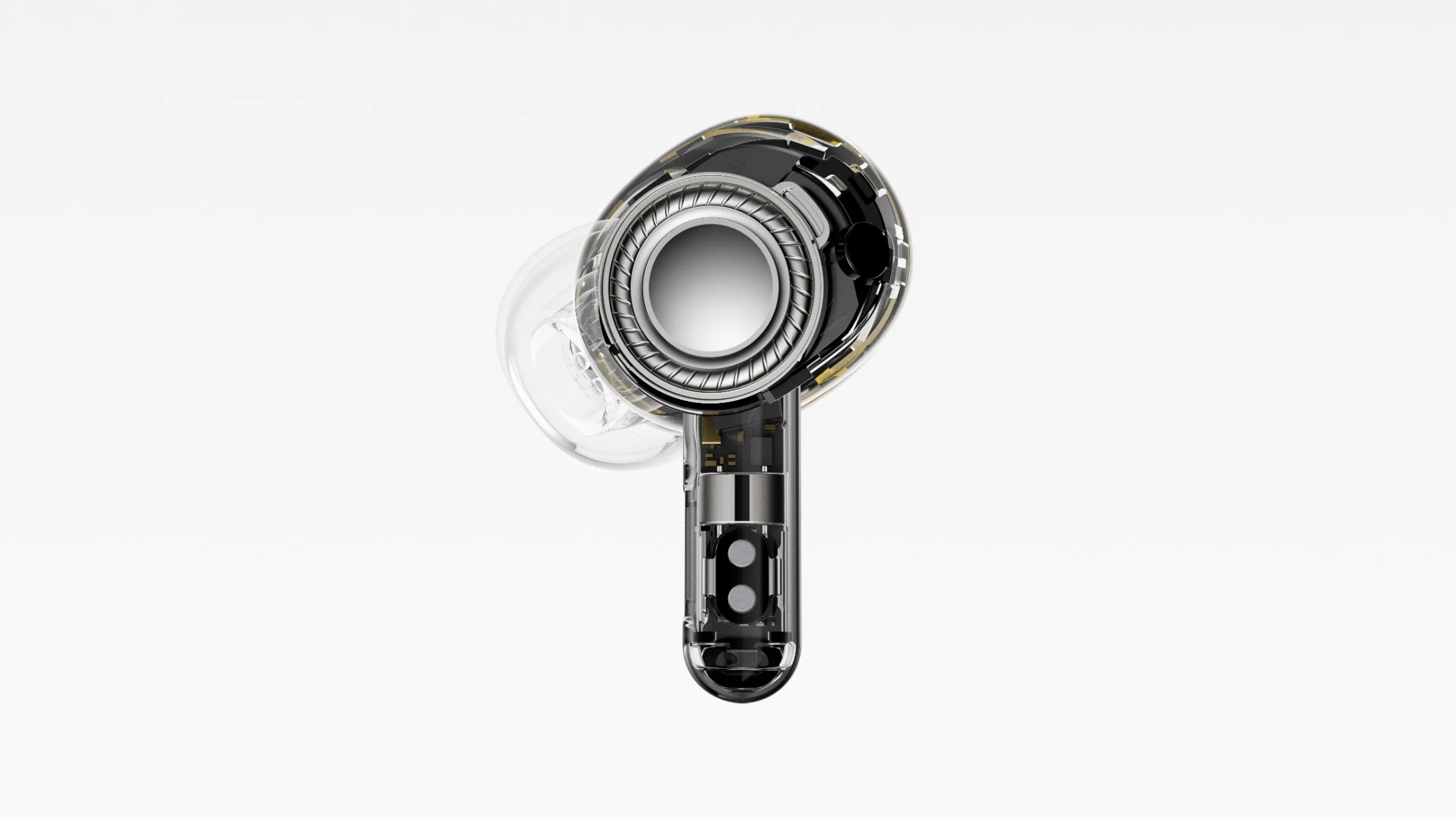
They were announced on July 7 alongside the Phone (4b) and went on sale that same day. They are in-ear earbuds with silicone tips, three microphones per earbud, and the brand’s visual signature: transparent plastic that lets you see the internals.
Design: the case changed more than the earbuds
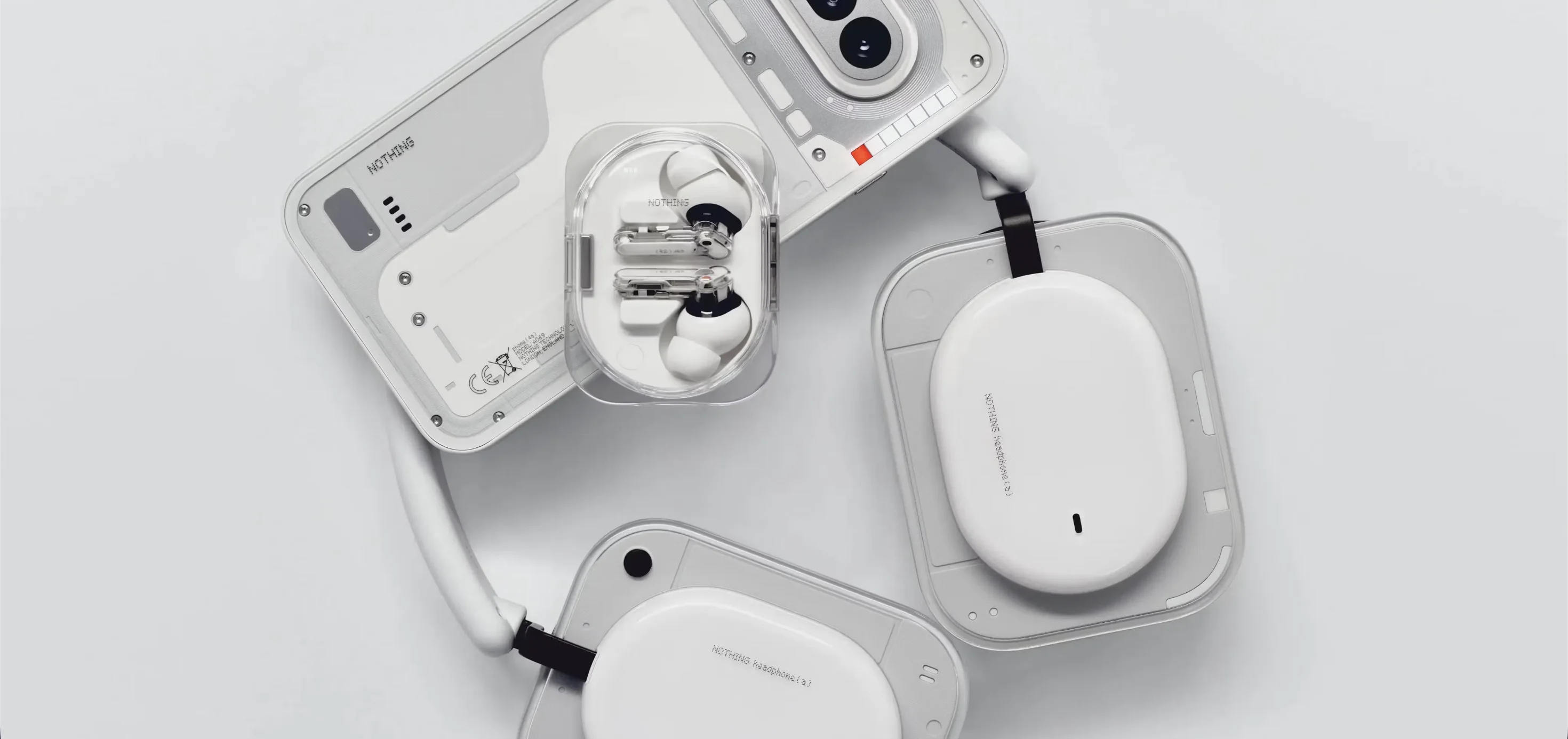
The earbud is almost the same as the Ear (a), with the transparent stem and the red dot on the right channel. The real redesign is in the case, which adopted a rounded shape that Nothing says was inspired by pill blister packs and the pink synthesizer by Swedish designer Love Hultén. Its functional new feature is a three-LED strip that reports battery, charging, pairing, firmware updates, and errors; before, all of that was communicated with a single light point.
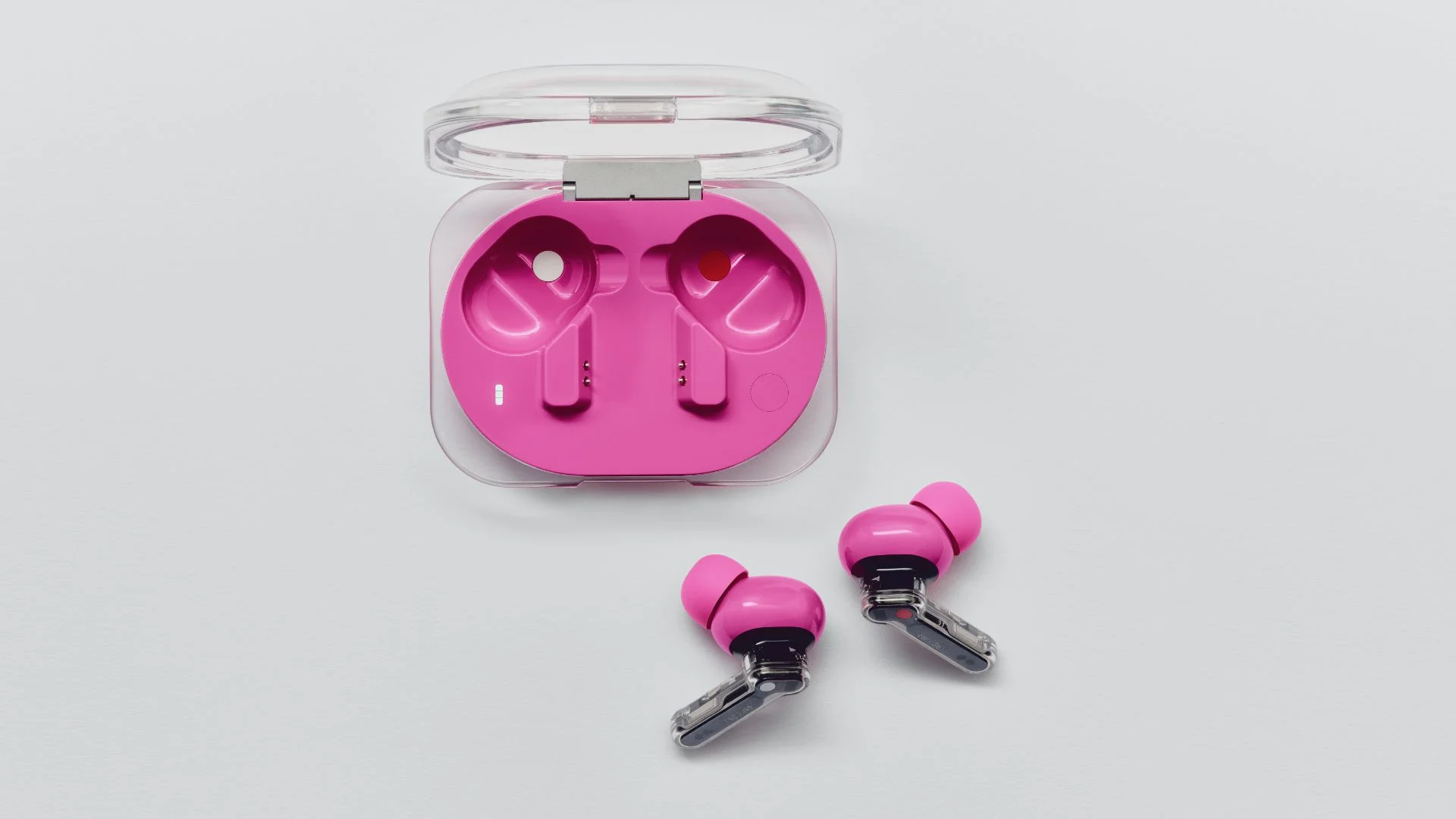
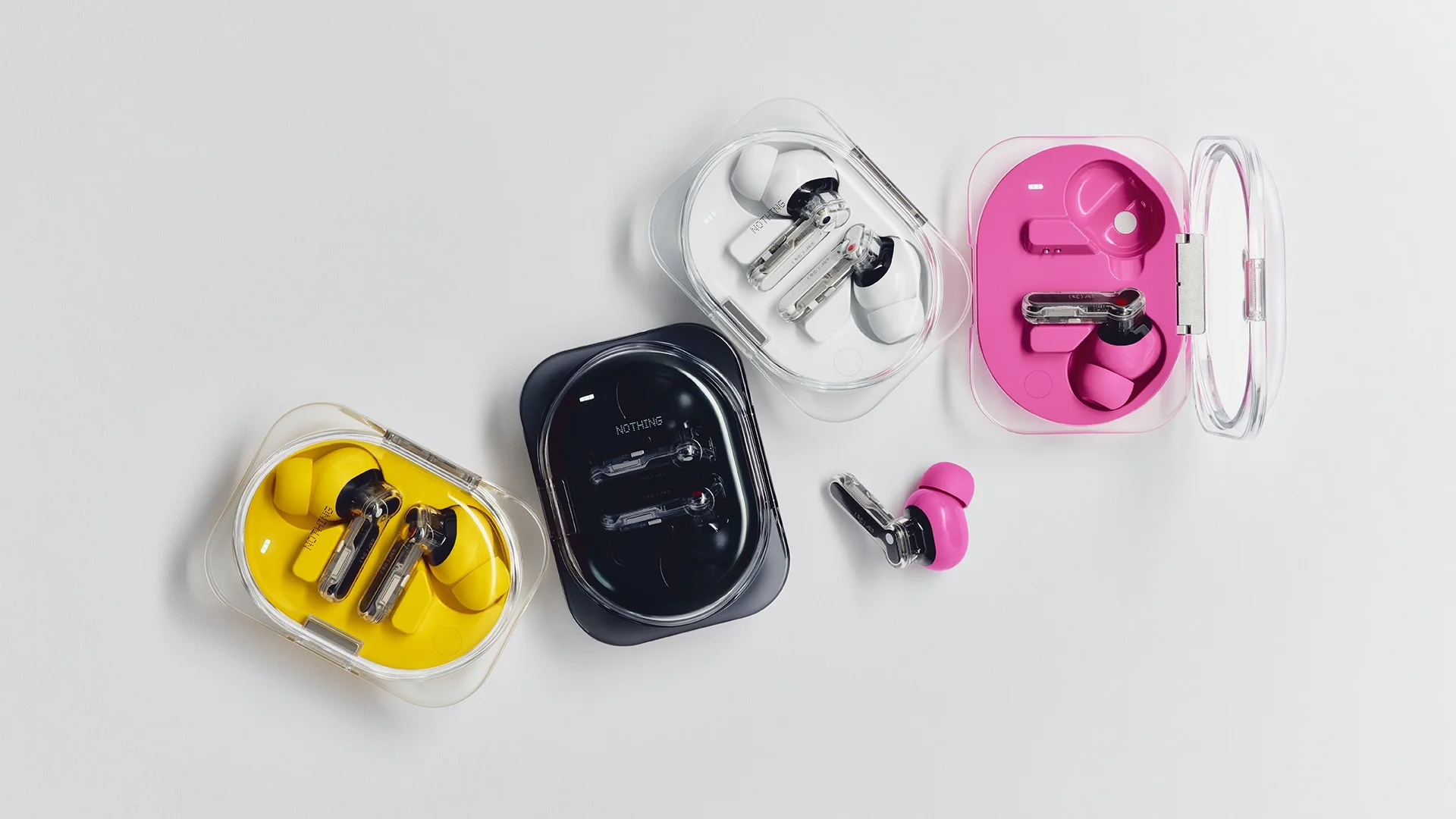
The set moves up to IP54 protection against dust and splashes — the Ear (a) had IP52 — and the ear tips now come in four sizes, including a new XS. Each earbud weighs 4.53 grams. The colors are white, black, yellow, and a new pink that is, by far, the reason they appeared in so many photos.
Sound: a 12 mm driver and a preset you’ll want to tweak
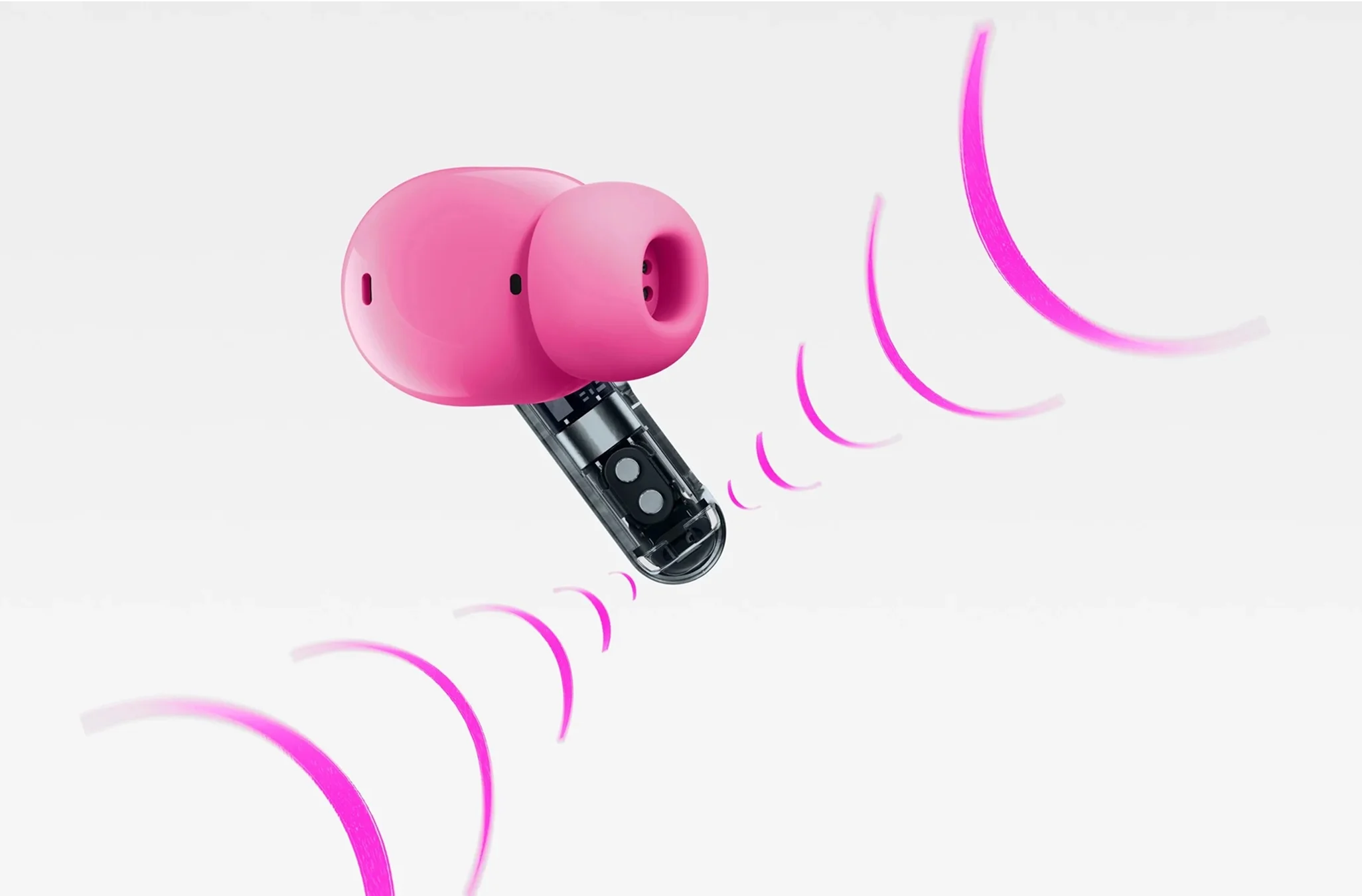
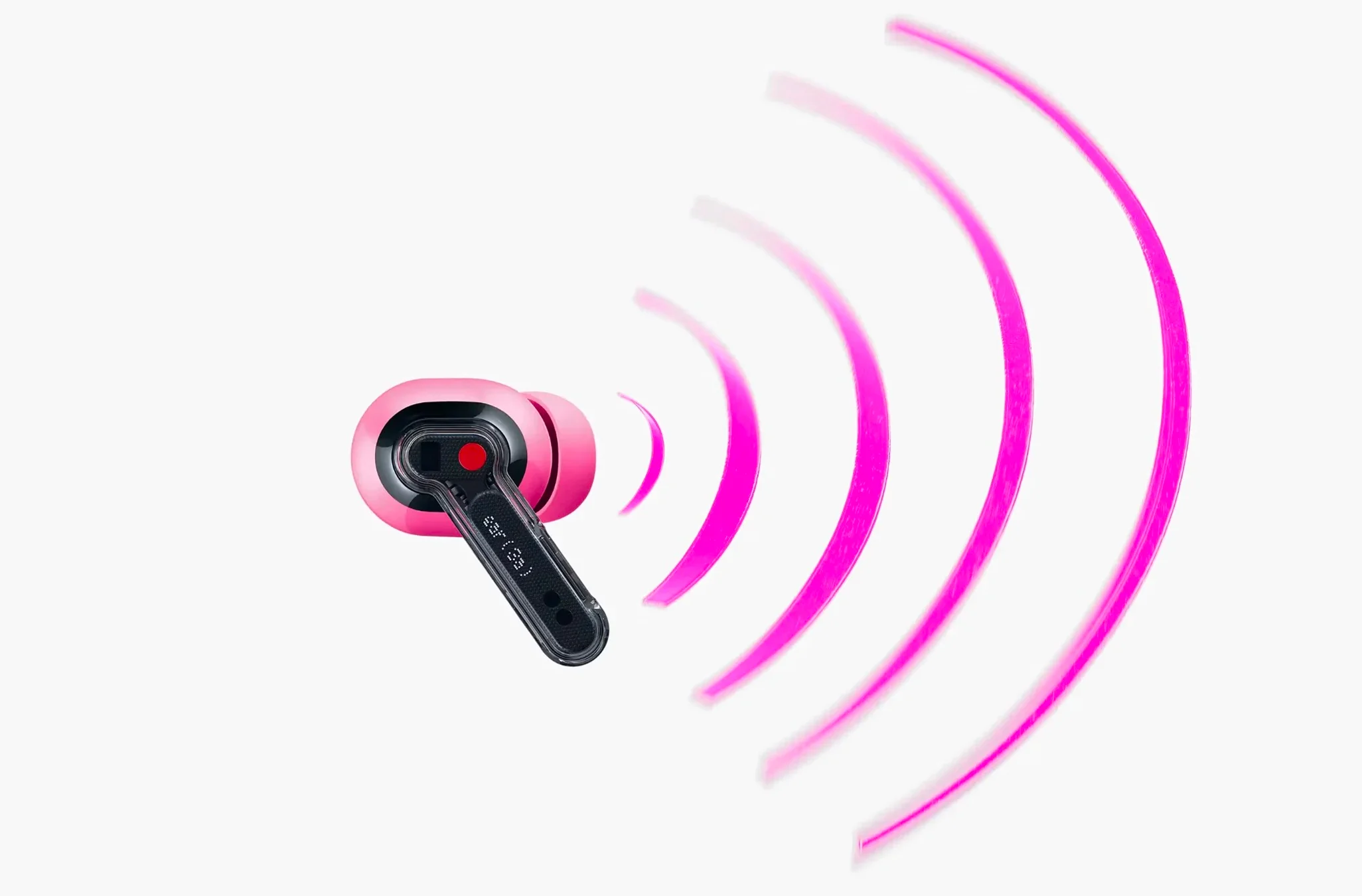
The dynamic driver grew to 12 mm, with a PMI dome and TPU suspension, 32 ohms, and a stated frequency response of 20 Hz to 40 kHz. Nothing promises up to 5 dB more bass than the Ear (a). The three usual codecs are here — SBC, AAC, and LDAC up to 24-bit and 96 kHz — plus static spatial audio.
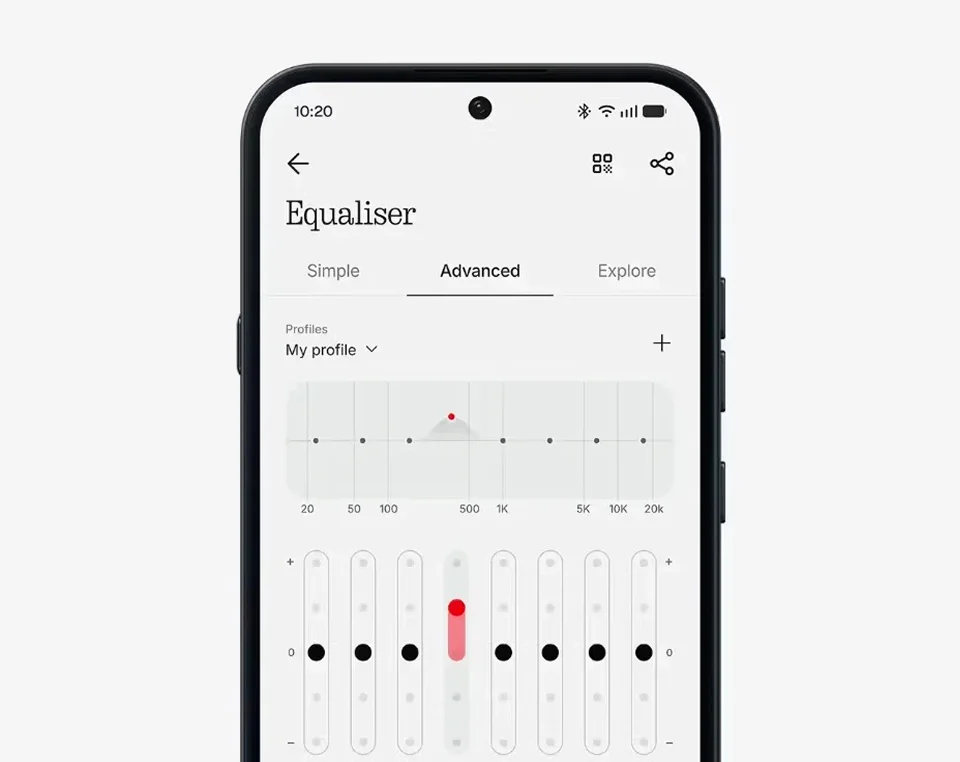
The default result is debatable. Nothing calls its factory preset "Balanced," and SoundGuys measurements match what several reviewers reported: too much bass, veiled mids, and an overall dark sound. Trusted Reviews was outright harsh on that curve. It can be fixed in two taps from the app’s equalizer, but the sound out of the box is not the sound you’ll end up listening to.
Noise cancellation: how much it really improved
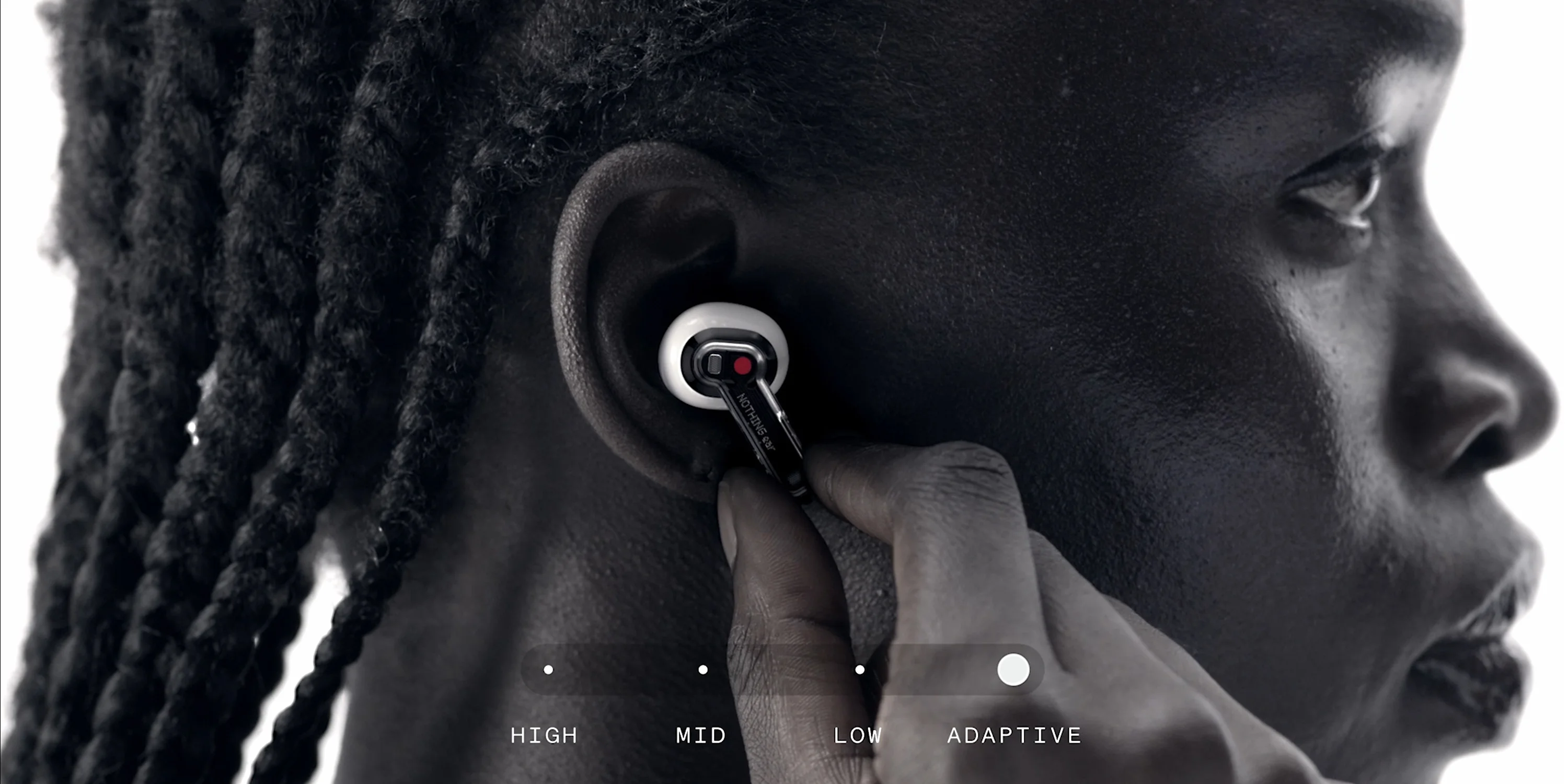
This is the biggest generational leap. The cancellation is adaptive and wideband, with a stated peak of 45 dB and up to 6 dB of reduction in the human voice range. Nothing adds a denser mesh over the microphones to fight wind and claims 17% greater coverage than the Ear (a). There are three fixed levels, an adaptive mode, and transparency mode.
What’s interesting is that the measurements back up the marketing, which does not always happen. SoundGuys measured an average reduction of around 81% of outside noise, far above the Ear (a): it is the difference between attenuating a bus engine and making it almost disappear. That said, it is not a category leader. Nearby voices still leak through, and T3 considered ANC the area where the tight budget is most noticeable compared with more expensive rivals.
Audio Snapshot and call recording
No direct $99 competitor offers this, and it is the part of the product with the most conditions behind it.
How it works
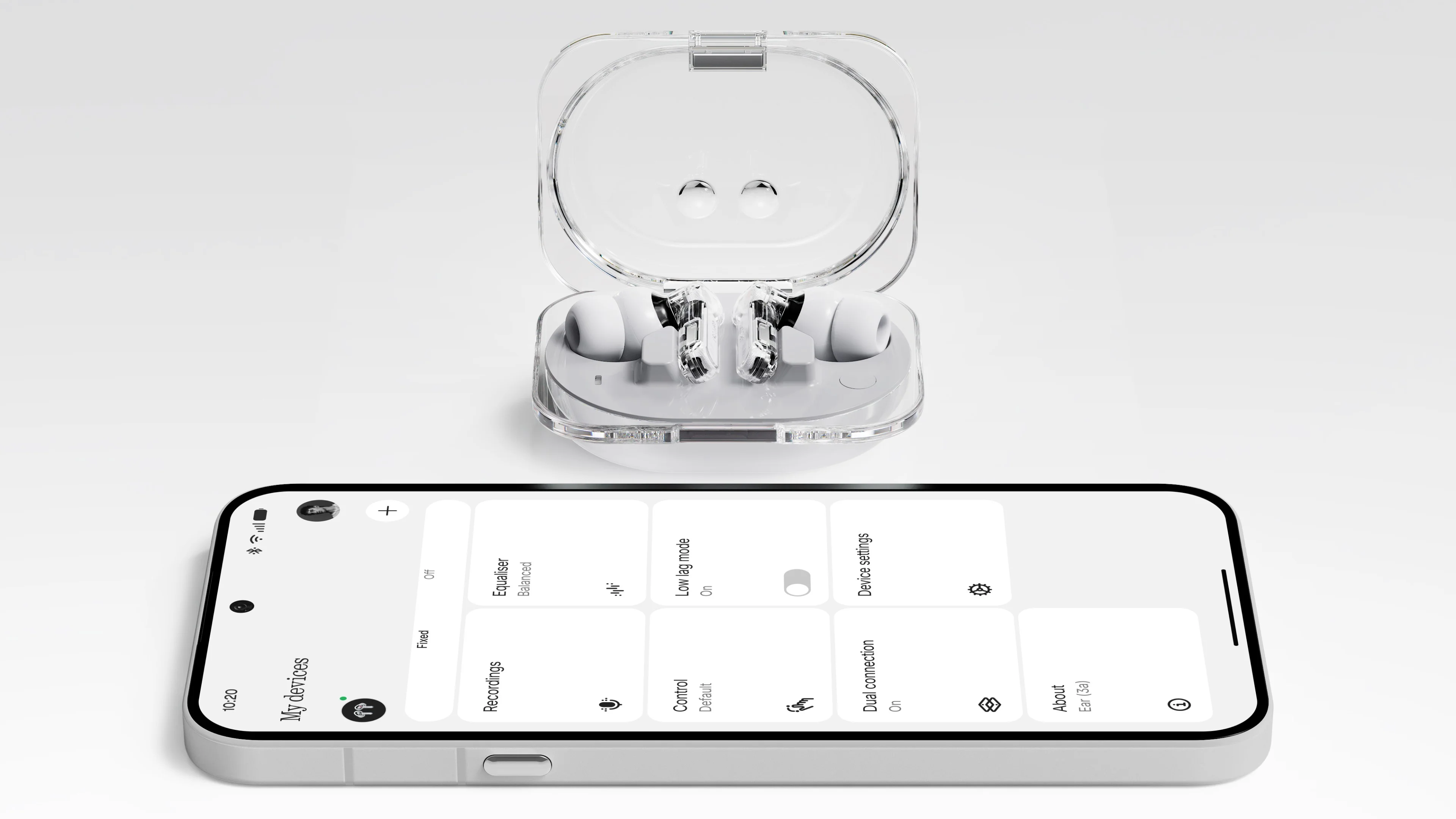
Audio Snapshot works like a screenshot for sound: pinch both earbuds at the same time, and it saves up to one minute of what you are listening to. The key detail is that the buffer keeps what happened before, so you can configure 0, 15, or 30 seconds before the gesture.
Call recording captures the full conversation, with your voice and everyone else’s, for up to about two hours before syncing. In both cases, the files are first stored on the earbuds and then move automatically to the Nothing X app, where they can be played back, edited, and converted to text.
Transcription and its allowance
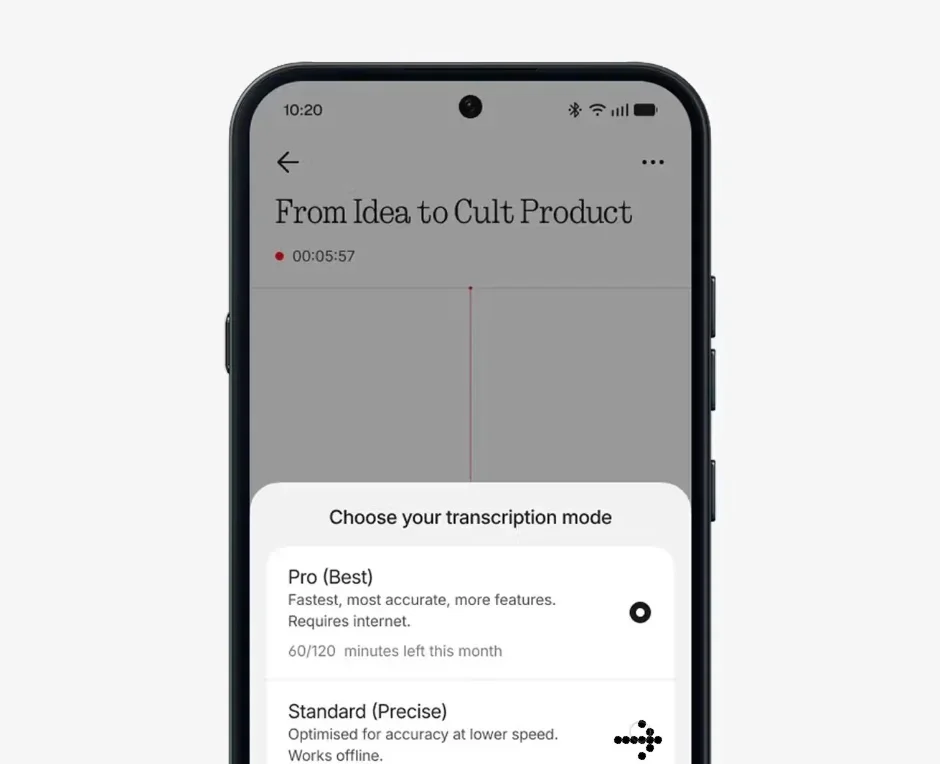
Nothing offers three transcription models. Two run on the phone, are free and unlimited, and require downloads of about 250 and 140 MB: one prioritizes accuracy and the other speed. The third, called Pro, processes in the cloud and is the only one that adds summaries, topic tracking, and speaker identification.
That third one is paid. The purchase includes three months with a cap of 120 minutes per month, and after that a subscription is required, with pricing that Nothing had not announced at launch. The ability to record is part of the hardware and does not expire, but the part that turns those recordings into something useful does have an expiration date. At Galaxus, which tested all three models, the free one lagged quite far behind the paid option.
The privacy notice and the regulatory map
When a call recording starts, all participants hear a notification: that is the right thing to do, and it also removes much of the appeal for anyone hoping to record without warning. The most uncomfortable point is regulatory: call recording is not available in the Nordic countries because, according to Nothing, it requires legal approvals that vary by market. One of the product’s two new features may not exist in your country. In TechRadar, they directly questioned how the feature fits in an era of active consent. And the certifications Nothing displays say less than they seem to: ISO 27001 and ISO 27701 are organizational management standards, not audits of this product. Recordings stay local unless you enable transcription or summaries, and then they do travel to an external server.
Battery, charging, and connectivity
Each earbud’s battery increased from 46 to 55 mAh, while the case remains at 500 mAh. Nothing claims 6 hours with cancellation on and 25 with the case, or 10 and 42 hours if you turn it off, and five minutes of charging returns about one hour. What almost nobody clarifies is that those figures are measured with AAC and with nothing else enabled: using LDAC or leaving the Audio Snapshot buffer running cuts battery life noticeably. Charging is USB-C only, just like on the Ear (a).
For connectivity, there is Bluetooth 6.0 with a stated range of 15 meters, simultaneous connection to two devices, Google Fast Pair, and a low-latency mode. The app adds four EQ presets, shareable profiles via QR code, per-earbud configurable gestures, and direct access to ChatGPT.
How they compare with the competition
The table uses each model’s official launch price in its market and the total battery life stated by the manufacturer, except where noted as measured.
The uncomfortable row is the second one. The CMF Buds 2 Plus come from CMF, Nothing’s own sub-brand, cost $30 less, and in the same SoundGuys measurements attenuate around 83% of outside noise, slightly above the Ear (3a)’s 81%. They also have LDAC, are managed from the same app, and last longer. On the brand’s official forum, some people were already raising that doubt on launch day. What the CMF do not have is internal memory for recording, the eight-band equalizer, or the pink color.
What reviews point out
The criticisms repeat with fairly consistent patterns. Xataka detected microphone echo in calls made in reverberant environments, and Gadget magazine agrees that this point separates a very good product from an excellent one. TechRadar has been noting for generations that Nothing’s cheap earbuds do not reach a high maximum volume, and it happens again here. Add to that pinch-only stem controls and the absence of wireless charging, which is hard to justify beyond cost in a product that redesigned the entire case.
What happens after two years
The battery in a wireless earbud is a consumable: 55 mAh degrades like any lithium cell, and when that happens, the earbud does not open. iFixit gave the first Nothing Ear a 1 out of 10, and its category analysis is clear that cases are glued shut and cells are not standard. There is precedent: users of previous Nothing and CMF generations reported cases of asymmetric degradation during 2025, with one earbud dying in minutes while the other lasted for hours.
Add to that the support map. Mexico is the only market in the region where Nothing operates officially and directly, with the brand’s warranty, and the Ear (3a) arrived there almost in line with the global launch. Chile and Colombia operate through retail agreements, where the store handles the warranty; elsewhere, there is parallel importation, with no manufacturer backing. The company’s context does not help either: Nothing has been cutting staff, canceled its 2026 flagship phone, and had to deny reports that it was pulling out of a dozen markets.
Conclusion: who they are for and who they are not for
The Ear (3a) are a real upgrade over the Ear (a), with noise cancellation as the generation’s strongest and most honest argument. The problem is not what they do, but who they compete against.
If you are looking for noise cancellation and sound at the best possible price, Nothing’s own CMF Buds 2 Plus do almost the same for considerably less. If you are actually going to use recording — classes, interviews, ideas that come to you while walking — there is no replacement at this price, with the caveat that good transcription is a paid service and that calls may not be enabled where you live. And if you want the best from the brand with no strings attached, the Ear (3) still sits above them.
One question no review can answer yet remains: how much that subscription will cost. That number will determine whether Audio Snapshot is the most original feature in the segment or a sales pitch with an expiration date.
Frequently asked questions
Is it worth paying the difference for the Nothing Ear (3)?
The Ear (3) costs almost twice as much and offers better cancellation and a more advanced microphone, but it does not have internal memory for recording. If your use is listening to music and talking, the difference is noticeable; if you are interested in recording, the Ear (3a) does something the more expensive model does not.
Does call recording work in every country?
No. Nothing clarifies that availability depends on regulatory approvals that vary by market, and at launch it was not enabled in the Nordic countries. All participants hear a notice when it starts. The legal rules around recording conversations vary greatly from one country to another, so it is worth checking those in your jurisdiction.
Do they work with iPhone?
Yes. The Nothing X app exists for iOS, so the equalizer, recordings, and transcriptions work the same way. What you lose is LDAC, because iOS does not support that codec: on iPhone, you will listen over AAC.
Do you need a Nothing account to use them?
Not to listen to music. But to manage and transcribe recordings from the app, you do need to sign in with a Nothing account, which can be created with Google or Apple. Without an account, Audio Snapshot loses much of its usefulness.
Nothing Ear (3a)
Entry-level wireless earbuds from Nothing, with a 12 mm driver, active cancellation up to 45 dB, and internal memory for recording audio and calls without using the phone.
Pros
- Noise cancellation improves measurably over the Ear (a).
- Records audio and calls on the earbud itself, something unique at this price.
- Eight-band equalizer with profiles shareable via QR.
- LDAC, Bluetooth 6.0, and simultaneous connection to two devices.
- IP54 and four ear tip sizes, including XS.
Cons
- The factory preset exaggerates bass and veils the mids.
- Advanced transcription becomes a subscription with unannounced pricing.
- Call recording is not enabled in every market.
- No wireless charging.
- Nothing’s own CMF Buds 2 Plus offer similar cancellation for less.
Author
Alexis PaezAnálisis basado en las especificaciones oficiales de Nothing y en mediciones y reviews de SoundGuys, TechRadar, T3, Trusted Reviews y Xataka. El autor no tuvo acceso físico al producto.