Nothing Headphone (1) Pro: Is it worth the extra $100 over the Headphone (1)?
Index
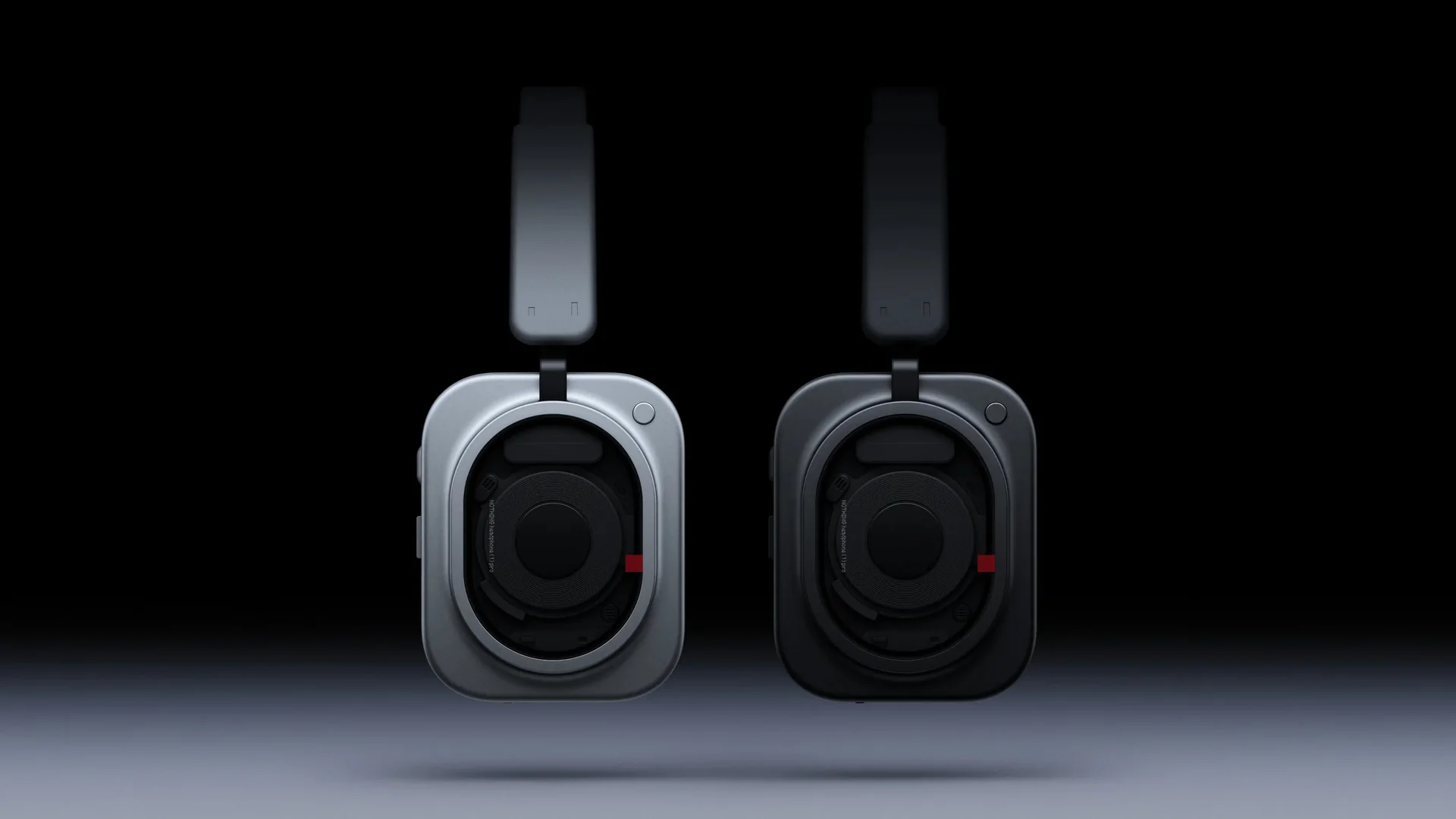
Nothing introduced the Headphone (1) Pro on September 29, 2026, the brand’s most advanced over-ear headphones, at $399: $100 more than the original Headphone (1). Each earcup went from one driver to three, with a solid-state xMEMS tweeter for the highs, and adds unibody aluminum, titanium arms, and a physical switch that turns off the equalizer. Reviews agree that it sounds better, but they question whether it justifies the price jump and point to two issues: shorter battery life and a case that almost everyone criticizes.
The Headphone (1) Pro sounds better than the original, but it costs a third more, lasts less on a charge, and its case is the most repeated criticism.
What the Headphone (1) Pro is and where it fits
It is the top tier of Nothing’s over-ear lineup. Below it are the Headphone (1), which launched at $299 with sound tuned alongside KEF, and the $199 Headphone (a). On its official product page, Nothing describes it as the most advanced headphones it has made and sells it in black and white, at $399, £349, or €349.
The brand that launched the Nothing Ear (3a) as an entry-level option is targeting the audience that compares high-end Sony and Bose models. In the United States, it is available through Nothing’s website, Amazon, and Best Buy.
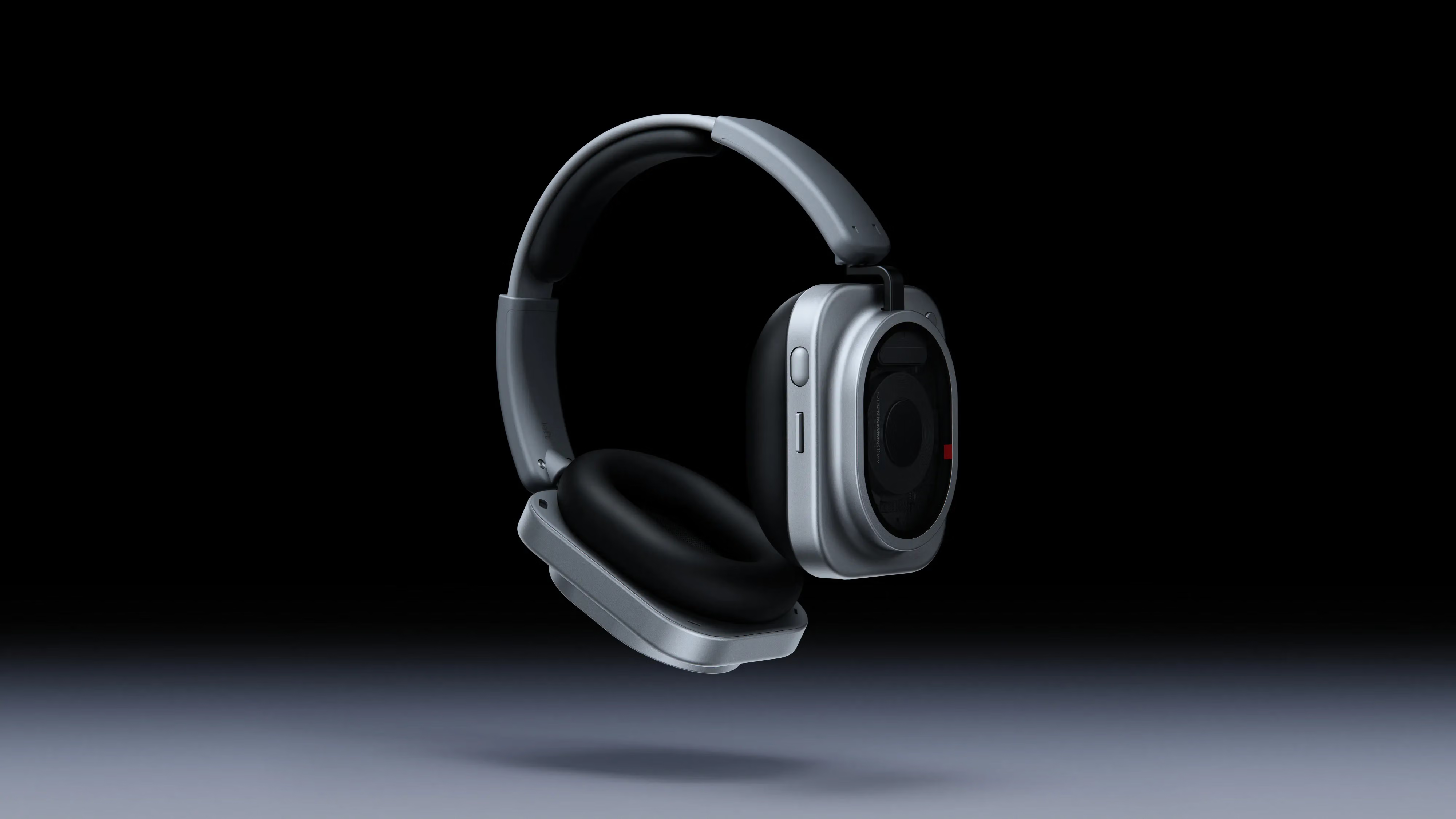
Triple driver with xMEMS tweeter
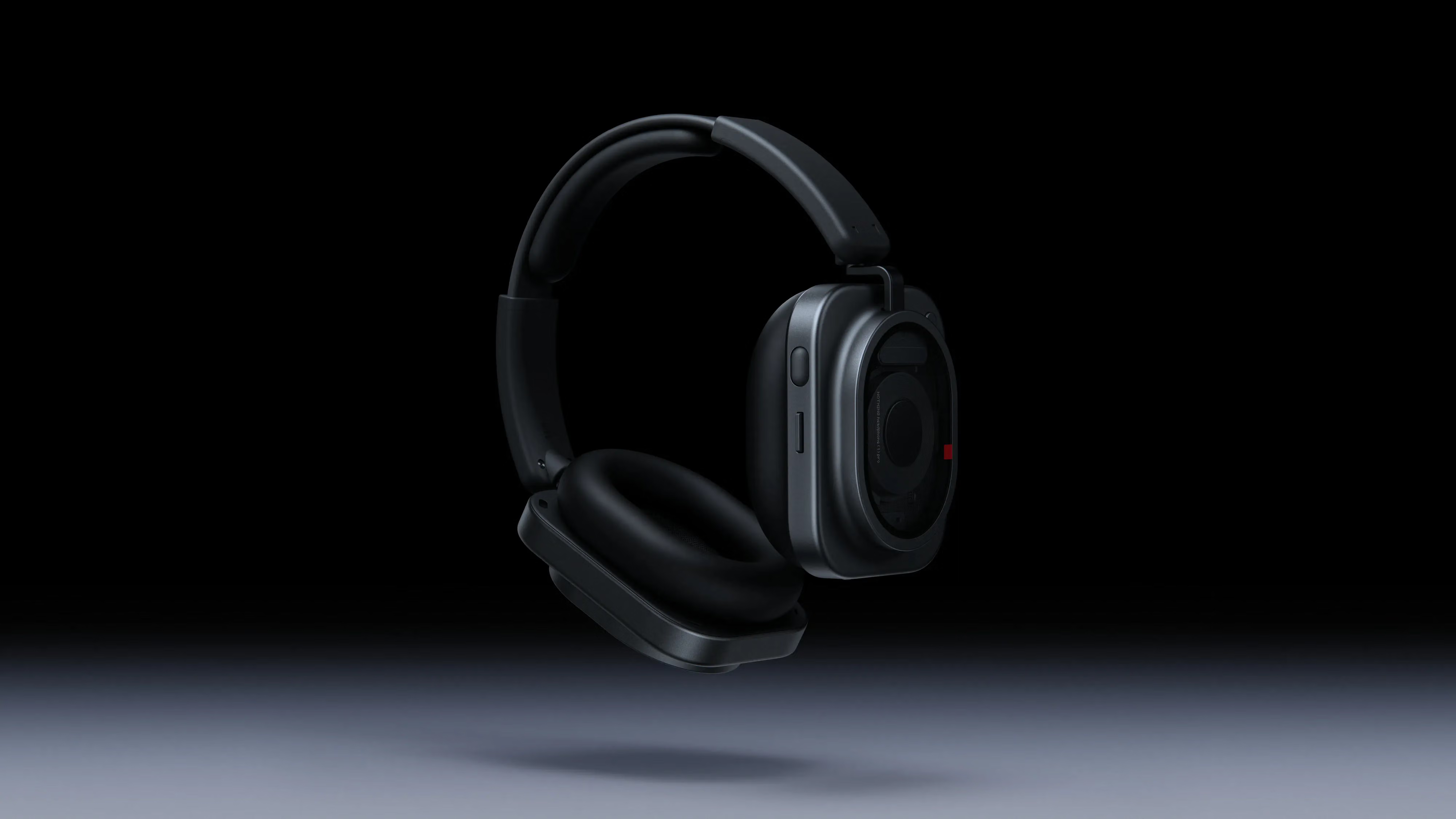
Each earcup has three drivers: a 40 mm dynamic driver for bass, a 13 × 8 mm precision dynamic driver for mids, and an xMEMS tweeter for treble. According to Nothing, the first covers 20 Hz to 10 kHz, the second 5 to 15 kHz, and the xMEMS 10 to 40 kHz, for a total frequency response of 20 Hz to 40 kHz.
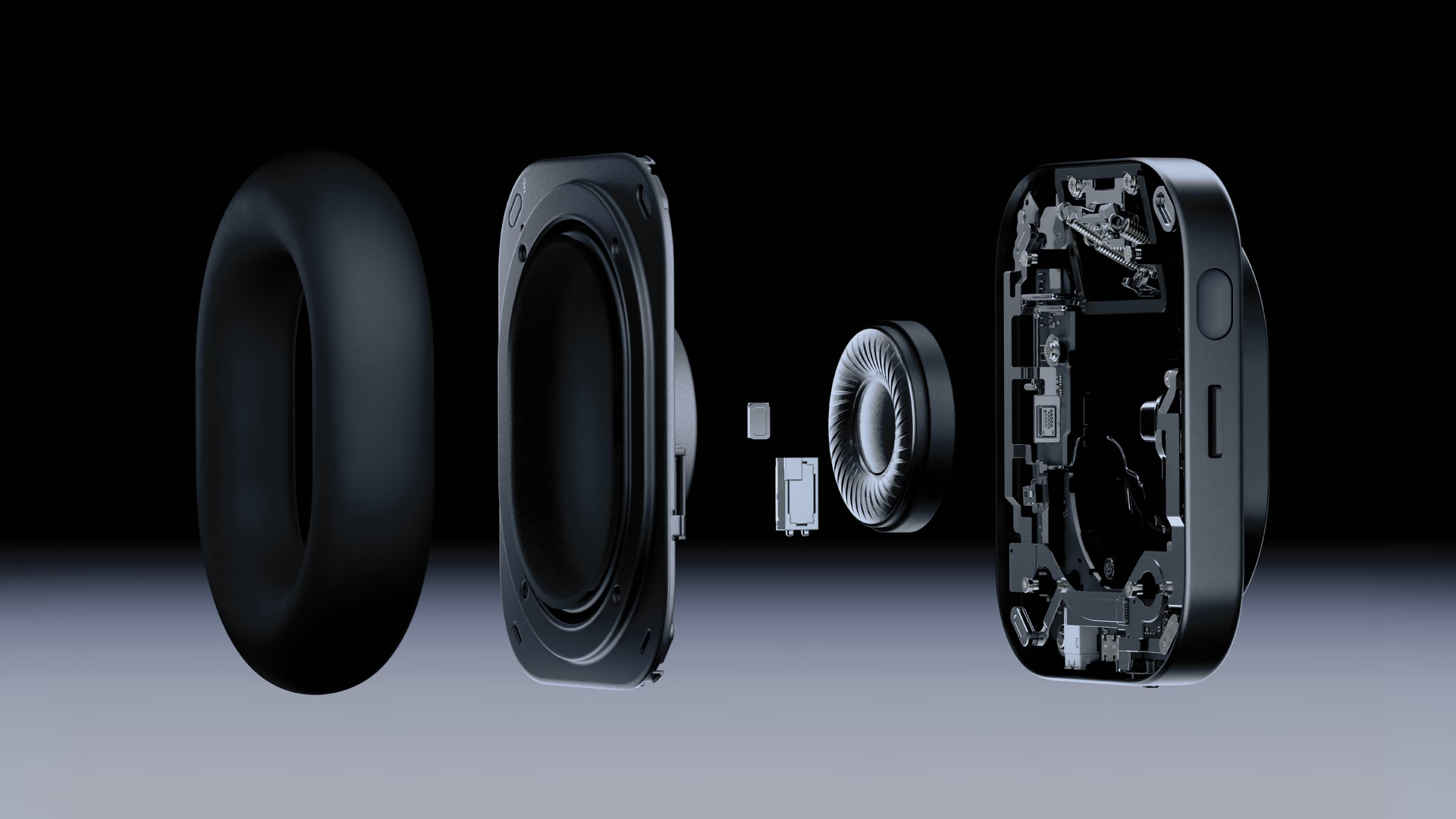
The xMEMS is a solid-state tweeter measuring just 3.2 × 6.0 × 1.15 mm. TechRadar says it lets the highs breathe and improves separation in complex tracks, while Gizmodo points to texture and clarity. T3 was more measured: for that outlet, the difference from the original is not huge.
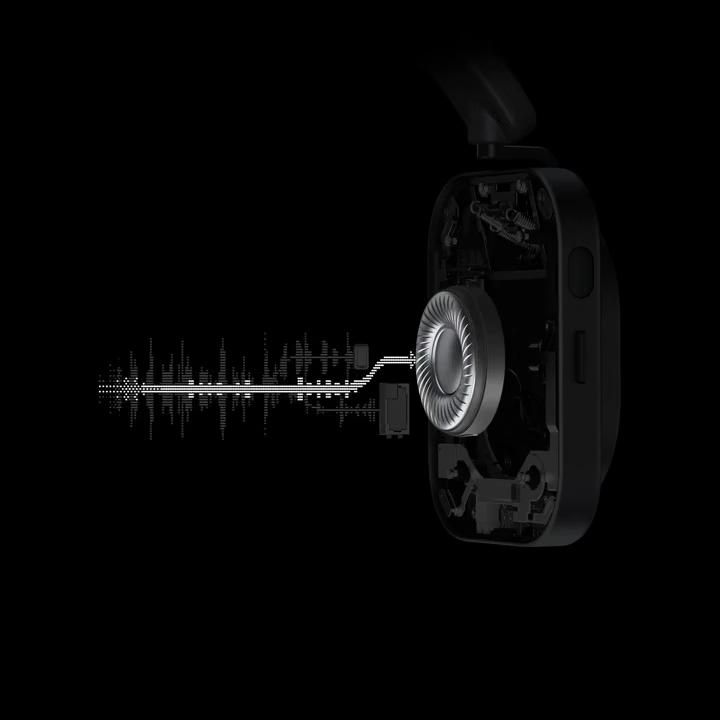
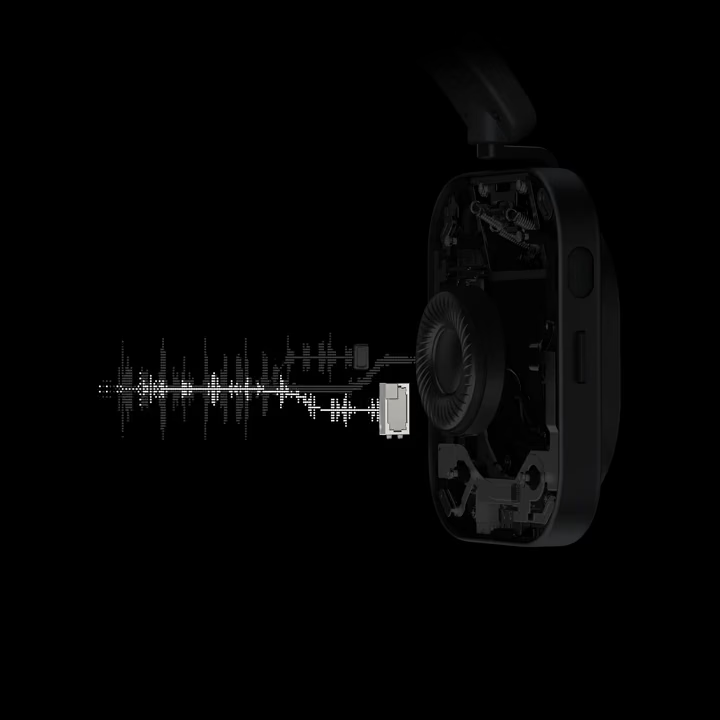
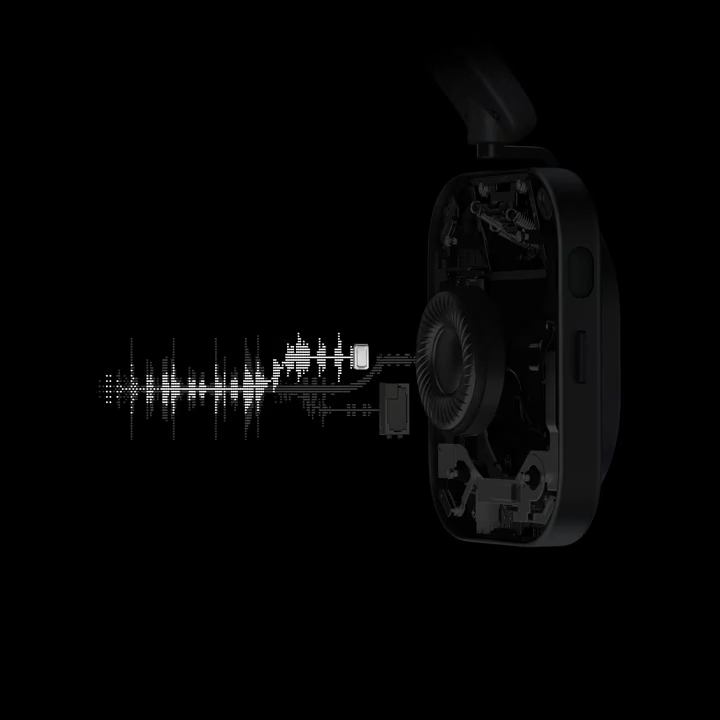
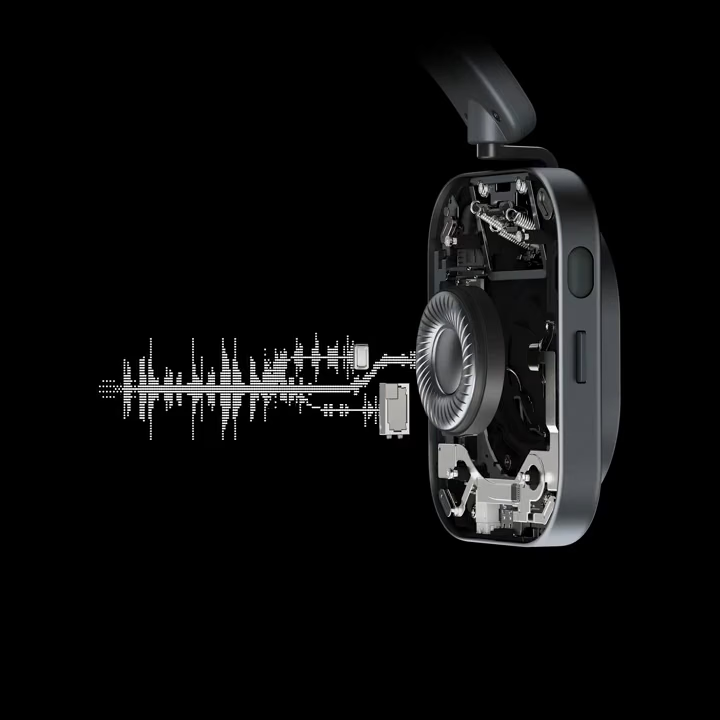
The Pro is certified for both wired and wireless Hi-Res Audio: over USB-C it plays lossless audio at up to 24-bit/192 kHz, and over Bluetooth it supports LDAC, AAC, SBC, and LC3.
Design and materials
The body is carved from a single block of aluminum, with titanium alloy arms and 9H-hardness Panda glass over the earcups, which Nothing presents as scratch-resistant. It weighs 327 grams, two less than the Headphone (1), and the unit is IP52 rated for dust and water resistance.
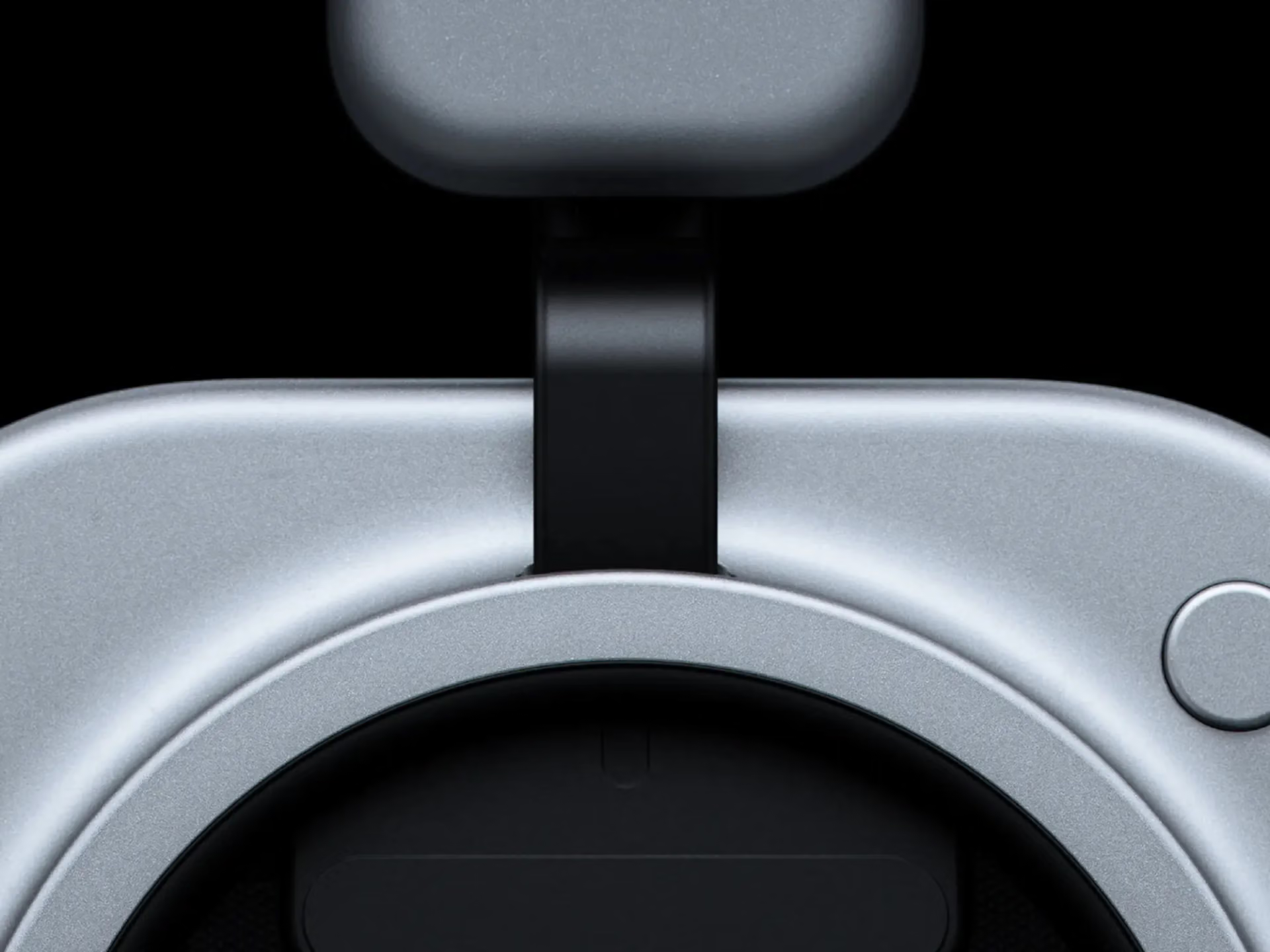
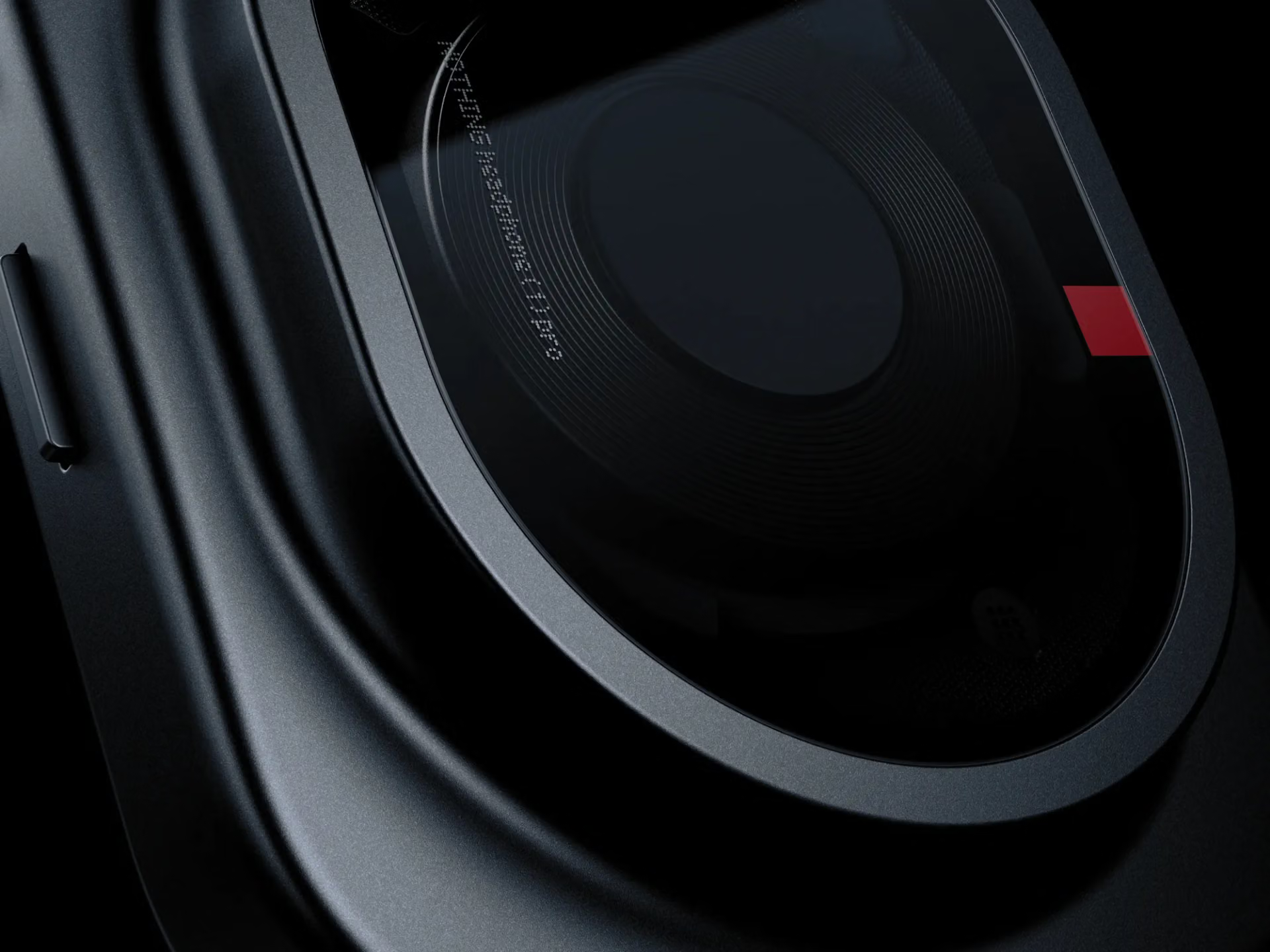
Nothing announced on its official forum a headband that is 2 mm wider, padding that is 1 mm thicker, and foam that is 50% softer than the previous model’s; Gizmodo agrees that the ear cushions are softer.
Controls: wheel, paddle, and button
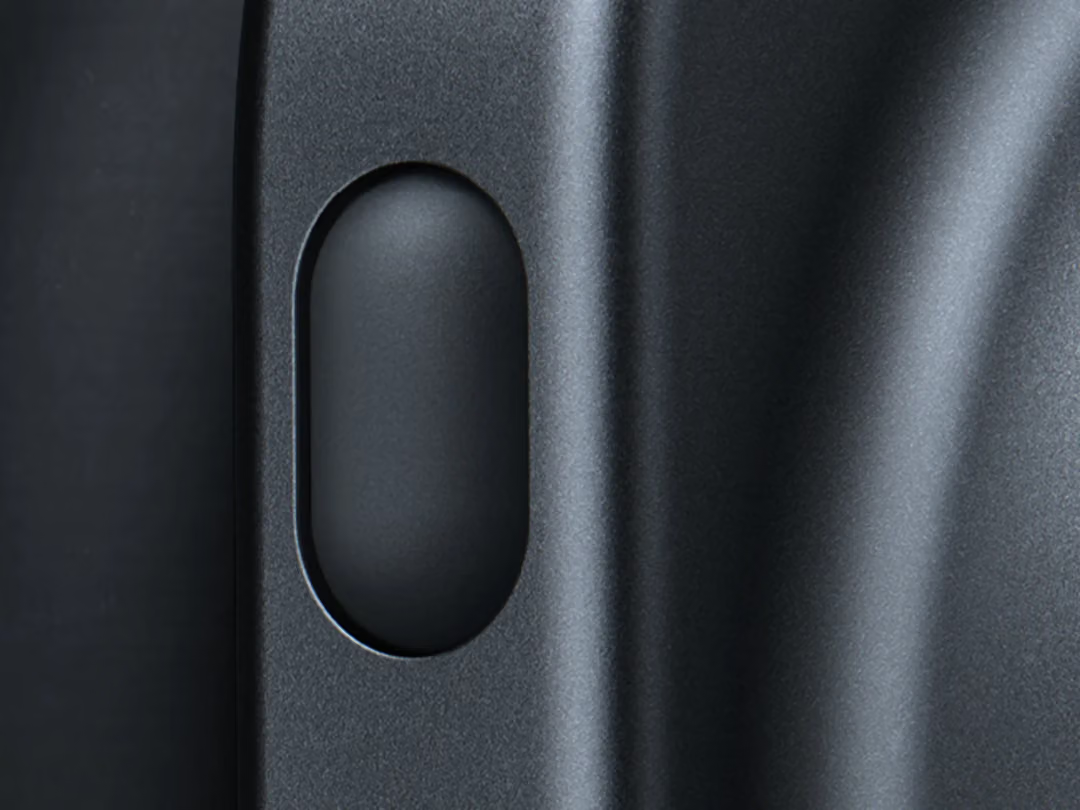
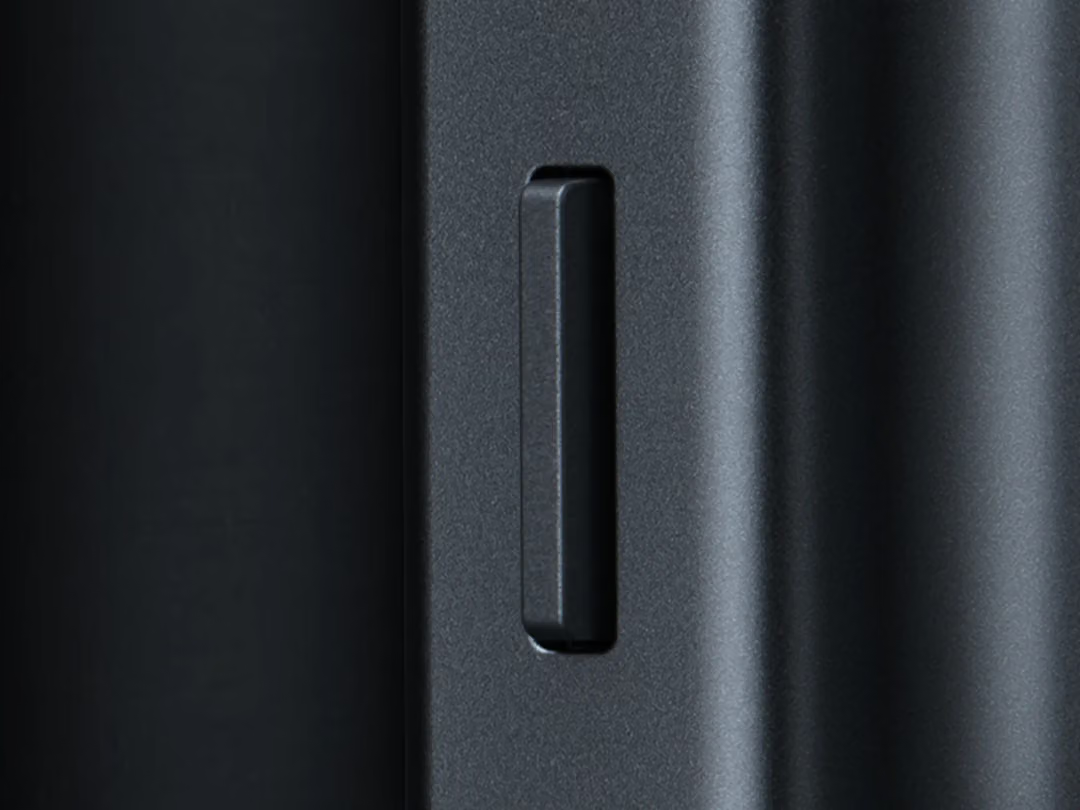
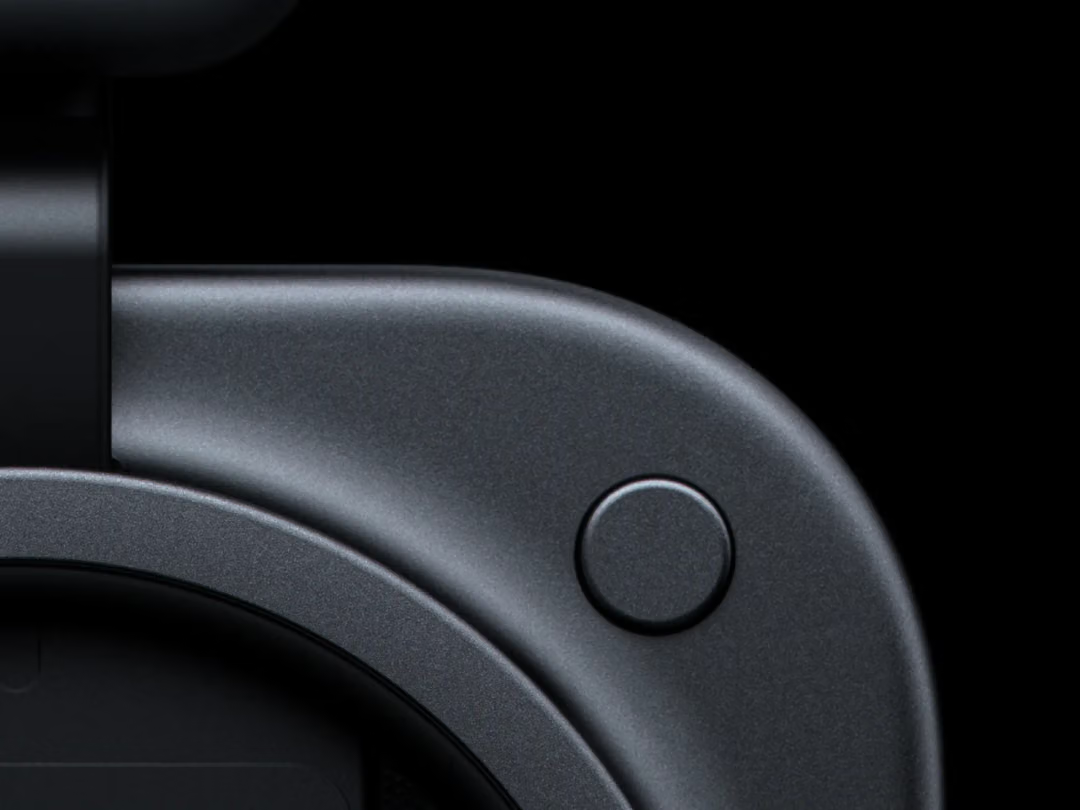
The Pro keeps the wheel, paddle, and button control scheme from the Headphone line. The wheel raises and lowers volume and pauses when pressed; the paddle skips tracks; and the button activates ChatGPT or triggers the phone camera shutter. SlashGear says they are its favorite controls of any headphones it has reviewed.
Sound, Flat EQ, and Studio B
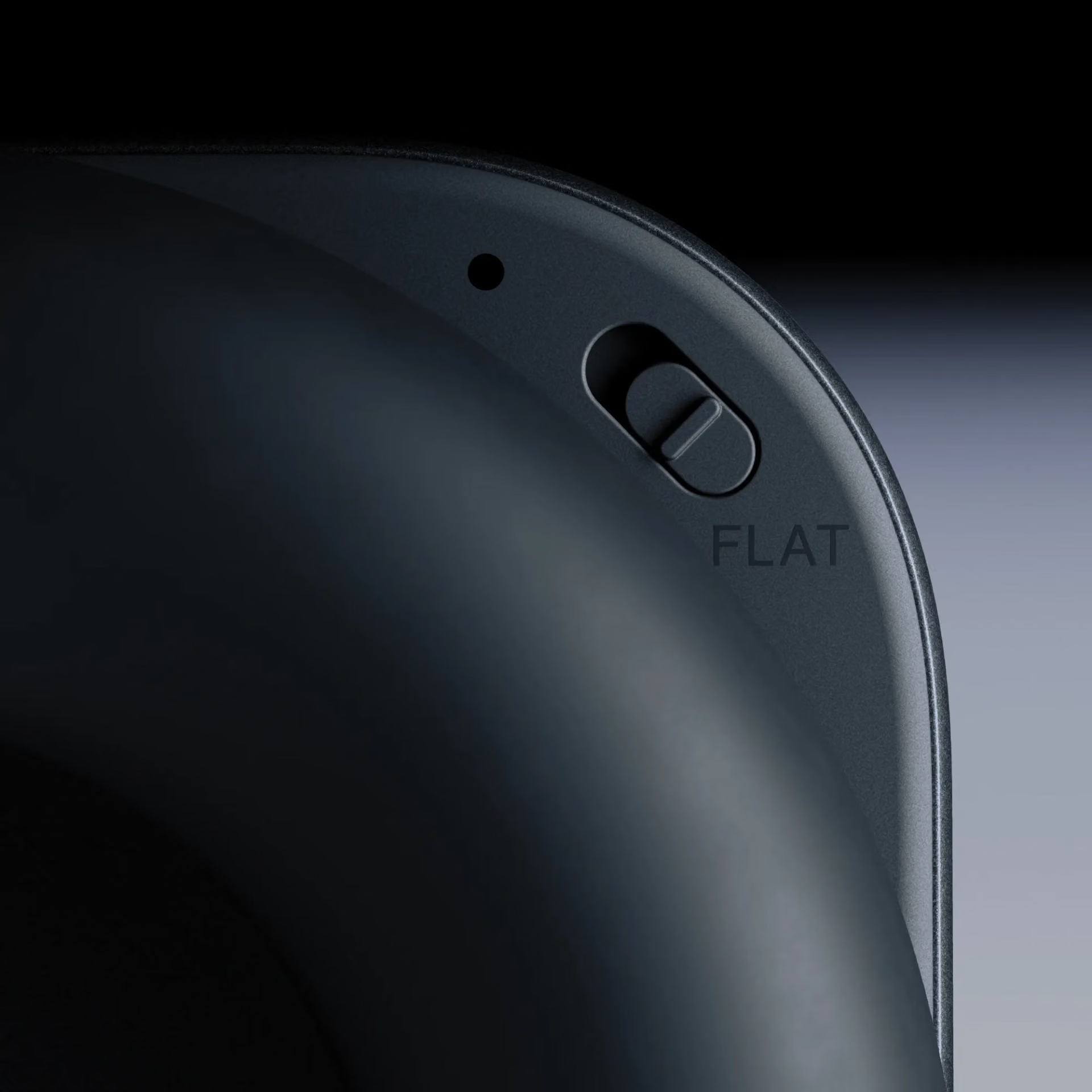
On the left earcup there is a switch that toggles between your equalization and Flat EQ, a neutral profile tuned with Metropolis Studios in London. Creative Bloq considers it genuinely useful for people who work with audio; TechRadar notes that it is hard to locate.
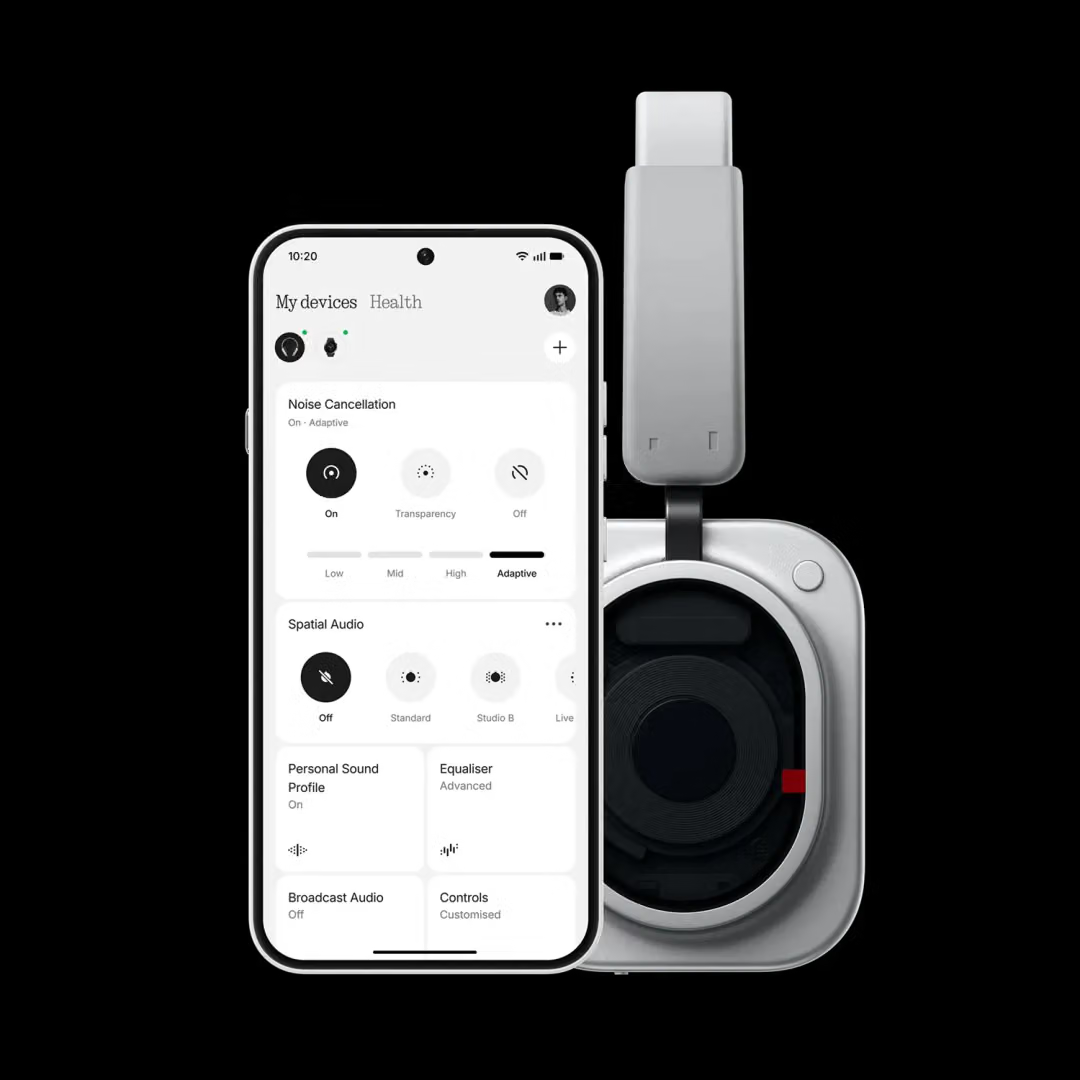
Spatial audio with head tracking has five modes: Standard, Studio B, Club, Concert Hall, and Live House. Studio B aims to reproduce the acoustic character of a Metropolis Studios mixing room.
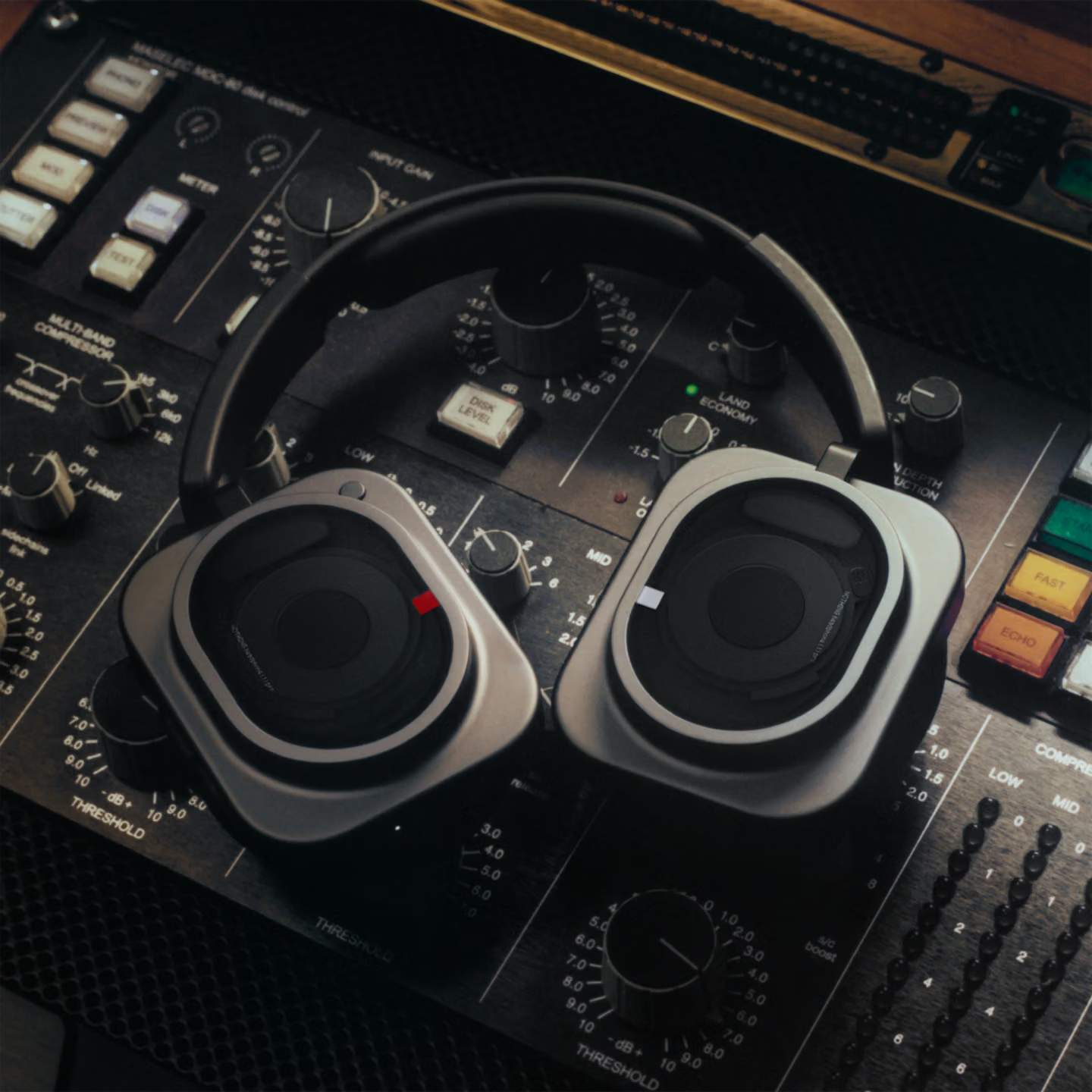
The factory balance does not convince everyone: SlashGear hears boosted mids and less bass, while TechRadar hears natural highs and clean bass, though perhaps too polished. The Nothing X app adjusts it with an advanced per-driver equalizer, five new profiles (Neo-Jazz, British Rock, UK Rap + Grime, Electronic, and Bass), and Personal Sound.
Noise cancellation
There are ten microphones, five per side, for adaptive cancellation that Nothing rates at up to 46 dB under laboratory conditions, with low, medium, and high levels, plus transparency mode. SlashGear considers it excellent but one step below Sony and Bose, and Gizmodo rates it as average compared with the Sony WH-1000XM6 and the second-generation Bose QuietComfort Ultra; it also describes the improvement over the Headphone (1) as subtle.
How it compares
The table brings together the launch price in dollars and the data each brand claims.
Nothing’s battery life figures are stated with AAC; with LDAC they drop to 28 hours on the Pro and 30 on the Headphone (1).
The comparison is not kind to the Pro. The Headphone (a) costs half as much, lasts two and a half times as long as the Pro with noise cancellation, and weighs 17 grams less. The WH-1000XM6 weighs 73 grams less and costs $50 more. Compared with the Sonos Ace Ultra, which costs $449, the Pro is cheaper and has the same ten microphones, but the Sonos lasts five hours longer with cancellation. What the Pro adds is three drivers per side and the Flat EQ switch.
Battery and connectivity
The Pro claims up to 68 hours without cancellation and up to 30 with it, with a 1,060 mAh battery, and five minutes of charging delivers up to four hours of playback. The Headphone (1) reached 80 and 35 hours: Nothing gained drivers and microphones, and lost battery life.
It uses Bluetooth 6.1 with dual connection, Google Fast Pair, and Microsoft Swift Pair, and supports audio broadcasting through Auracast. The box includes a 3.5 mm cable and a USB-C cable.

What reviews point out
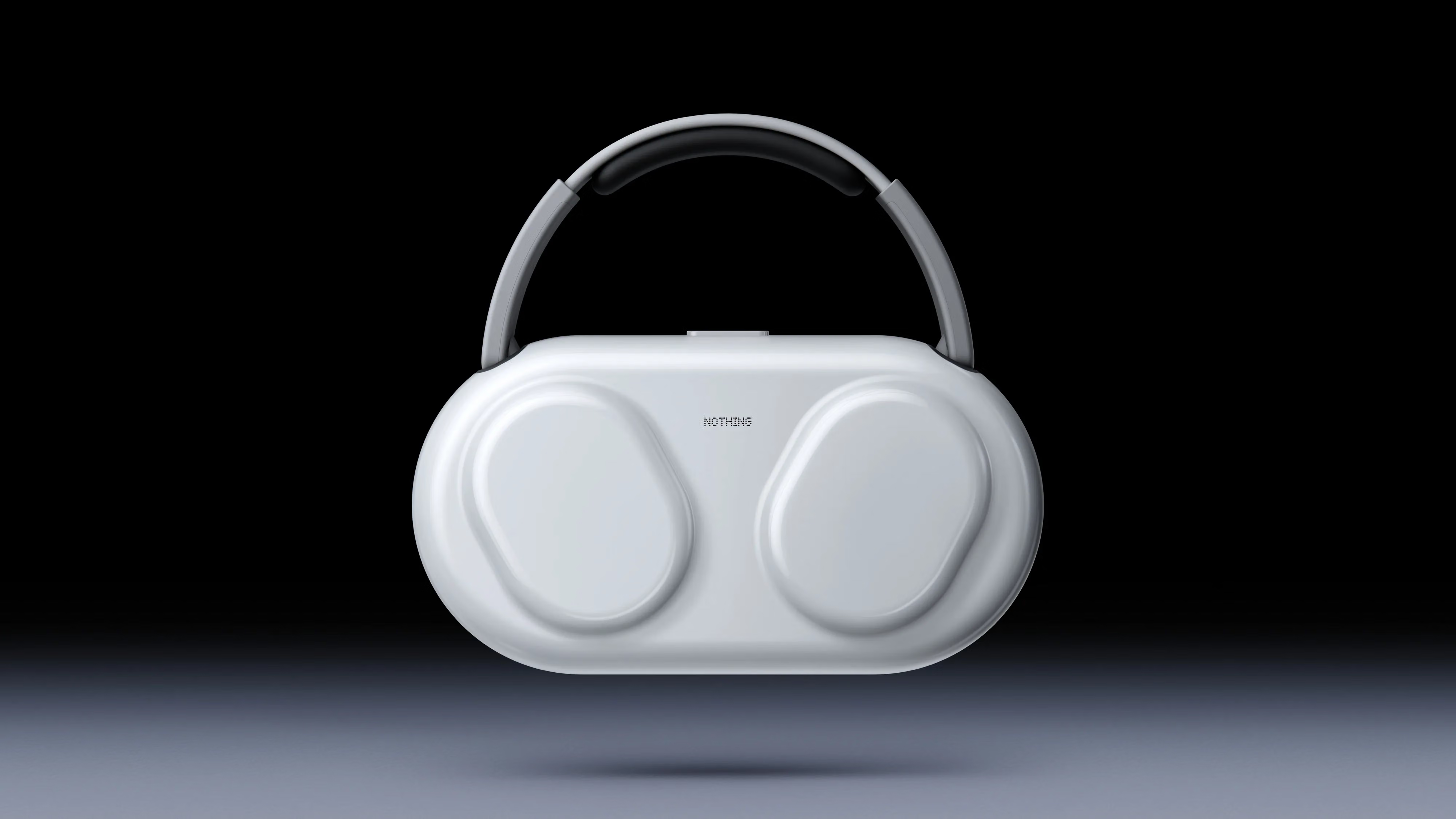
The most repeated criticism is the case. TechRadar, Gizmodo, and T3 agree that it weighs around 384 grams, more than the headphones themselves. SlashGear details the problem: it protects only the earcups and leaves the headband exposed, has no room for the bundled cables, and does not include a strap despite having rings. T3 calls it the most frustrating one it has tested.
The second reservation is the price. T3 does not see enough in the Pro to justify the jump and recommends the original or the Sennheiser Momentum 5. Creative Bloq, which gave it 8 out of 10, sums it up as a clear buy for someone starting from scratch and a tough sell for someone who already owns the Headphone (1). SlashGear recommends it, but warns that the Headphone (a) offers a better price-to-performance ratio.
In scores, Gizmodo gave it 4.5 out of 5 and TechRadar 4 out of 5. T3 describes the sound improvement as noticeable but not massive, and Gizmodo and Creative Bloq point to the shorter battery life.
Conclusion: who it is for and who it is not for
The Headphone (1) Pro is the most complete over-ear model Nothing has made: three drivers, xMEMS tweeter, good noise cancellation, and a Flat EQ switch with studio tuning. Its problems are concrete: it costs $100 more than the original, lasts less on a charge, and its case does not solve what it should.
If you are starting from scratch and want the most polished Nothing, or if you work with audio, the Pro makes sense. If you already have the Headphone (1), the improvement is not enough to upgrade. If you want the best noise cancellation, Sony remains ahead according to Gizmodo and SlashGear. And if price and battery life matter more, the Headphone (a) delivers 75 hours with cancellation for $199.
The Pro’s bet is studio sound, not battery life or the case. If that is what you want, the premium makes sense; if not, Nothing’s better buy is another model.
Frequently asked questions
Is the Headphone (1) Pro worth it if I already have the Headphone (1)?
According to reviews, no. The sound improvement is real but not big, noise cancellation improves only subtly, and in exchange you lose battery life: 30 hours with cancellation versus 35.
Is it better than the Sony WH-1000XM6?
In noise cancellation, no: Gizmodo and SlashGear place it below. The Pro weighs 73 grams more and costs $50 less.
What codecs does it support, and can it be used wired?
The spec sheet lists LDAC, AAC, SBC, and LC3. Over USB-C it plays lossless audio at up to 24-bit/192 kHz, and the box also includes a 3.5 mm cable.
Nothing Headphone (1) Pro
High-end over-ear headphones from Nothing with three drivers per side, a solid-state xMEMS tweeter, active cancellation up to 46 dB, and a physical Flat EQ switch.
Pros
- Triple driver with xMEMS tweeter: better separation in complex tracks.
- Physical wheel, paddle, and button, highly praised by reviews.
- Physical Flat EQ switch with tuning by Metropolis Studios.
- Aluminum, titanium, and 9H glass in the body.
- Wired and wireless Hi-Res, with LDAC and 24-bit/192 kHz USB-C.
Cons
- The case weighs around 384 g, does not cover the headband, and does not store the cables.
- Shorter battery life than the Headphone (1): 30 h with ANC versus 35 h.
- Noise cancellation falls below Sony and Bose, according to Gizmodo and SlashGear.
- The sound improvement over the Headphone (1) is real but not big.
- The Headphone (a) offers 75 h with ANC at half the price.
Author
Alexis PaezAnalysis based on the manufacturer's official specifications. The author did not physically test the product.