Ray-Ban Meta Audio: Meta’s first camera-free glasses cost US$349

Index
Ray-Ban Meta Audio is the first family of AI glasses from Meta and Ray-Ban to completely do away with the camera. It keeps the open speakers, microphones, touch controls, and voice access to AI, but removes the ability to take photos, record video, or ask the assistant to interpret what the user is looking at.
The result feels more like open-ear headphones built into a frame. It starts at US$349, comes in two styles, and promises up to 12 hours of use. Battery life and a discreet design are its main arguments; the price forces a comparison with models that include a camera for only a little more money.
What Ray-Ban Meta Audio is and why it has no camera
Meta introduced Ray-Ban Meta Audio on September 23 during Connect 2026. In its official announcement, the company defines them as its first audio-only glasses and says that listening to music, podcasts, and calls has been the most popular feature in its lineup.
Removing the camera changes the relationship with the product. There is no front lens and no possibility of recording another person with the glasses. For anyone who avoided this format because it put a camera on their face, the proposition is easier to explain: it is for listening, talking, and consulting the assistant.
The trade-off is clear. Meta AI can no longer analyze objects, signs, or scenes, and the user loses hands-free capture. The remaining features depend on the microphones and the paired phone. That cutback defines who they make sense for before even looking at the specifications.
Clubmaster and Burbank: two styles for the same platform
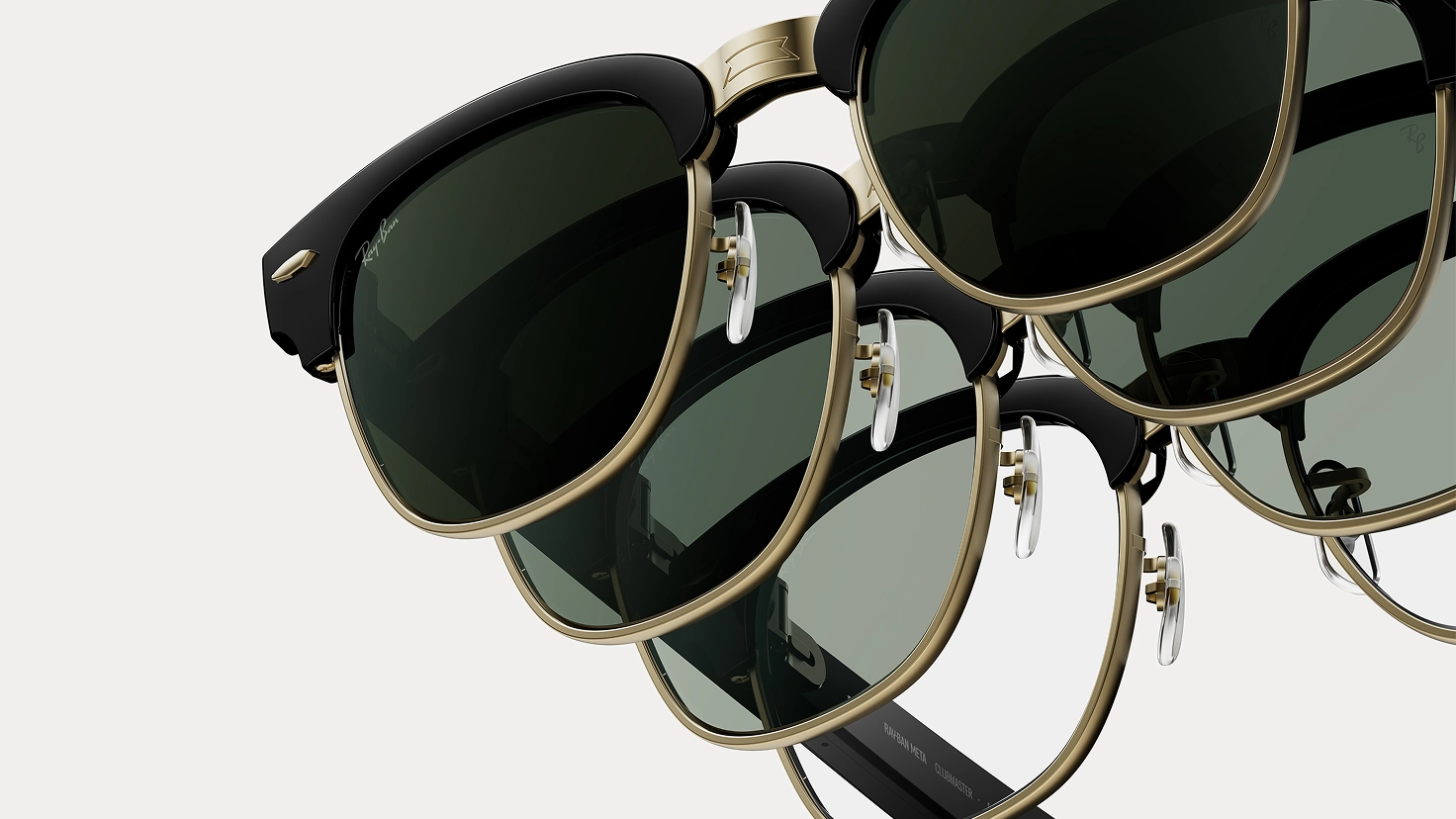
The collection debuts with Clubmaster, the retro silhouette with a pronounced browline, and Burbank, a more understated rectangular frame. Between the two, there are 23 color and lens combinations, with clear, sun, polarized, Transitions, and prescription options. Meta’s product page brings together the available variants.


Both styles weigh 43 grams and share hyperextension hinges. A professional can adjust the temple tips; Clubmaster uses adjustable nose pads, while Burbank uses interchangeable ones. That matters because the weight stays on the nose and ears during longer sessions.
Open speakers, six microphones, and an action button
Each frame includes two open-ear speakers. Sound reaches the user without blocking the environment, an advantage when walking or having a conversation without being isolated. They do not replace noise-canceling headphones: the user will still hear their surroundings and, at high volume, other people may be able to hear the audio.
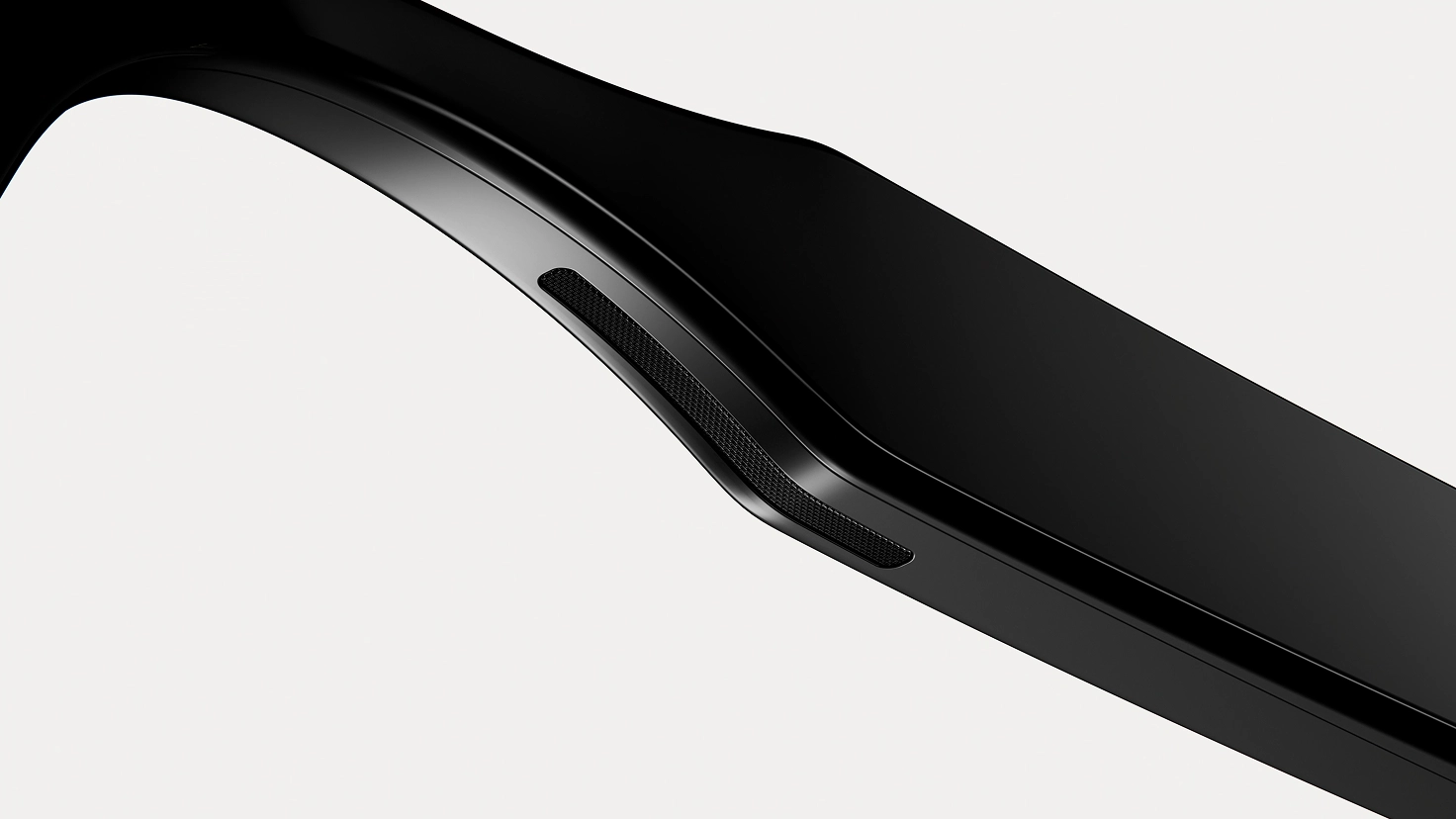
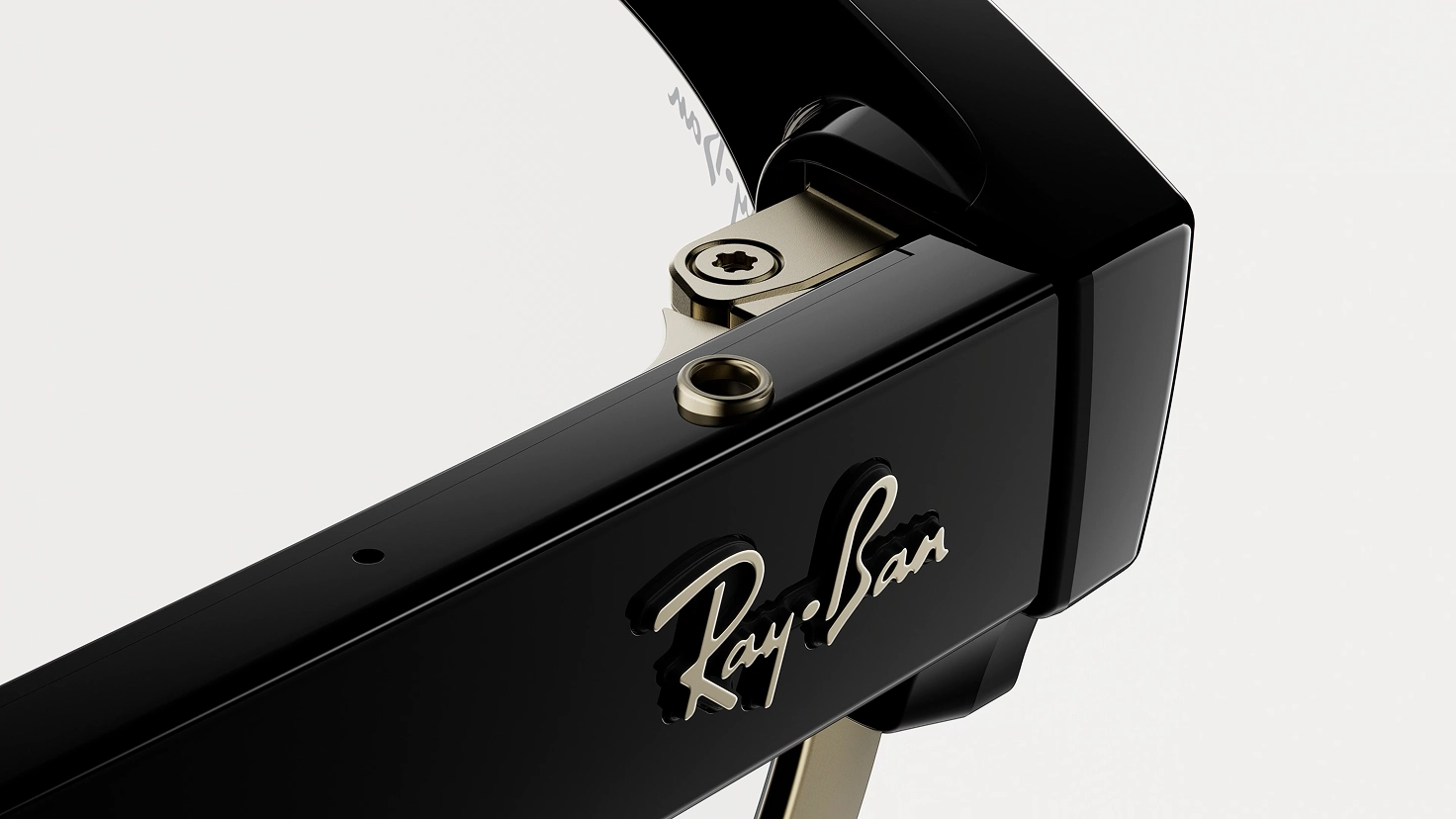
The six-microphone array captures the user’s voice for calls, commands, and translations. The right temple adds a touch surface for volume and playback, plus a configurable action button. “Hey Meta” remains available. In its initial hands-on, Tom’s Guide found sound similar to the camera-equipped Ray-Ban models and a comfortable fit, but questioned the price compared with models that offer more features.
Up to 12 hours of use and 48 hours with the case
Meta promises up to 12 hours on a charge, three more than Ray-Ban Meta Gen 3. The case adds another 48 hours and recharges via USB-C. Volume, calls, and frequent use of Meta AI can reduce those figures, but the difference makes a full day of use realistic.
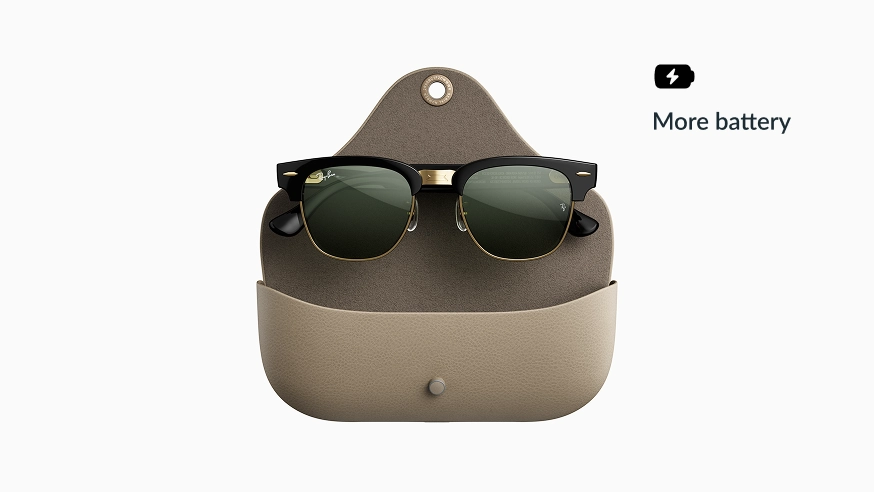
The figure also shows what the design gains by removing the imaging module. Instead of using that capacity for photos and video, Ray-Ban Meta Audio turns it into lower weight, a slimmer profile, and three additional hours of battery life compared with Gen 3.
Meta AI, Muse, calls, and real-time translation
The glasses can play music and podcasts, handle calls, send supported messages, and answer Meta AI queries. They are also part of the expansion of Muse across Meta’s glasses, although the agent’s features and availability will depend on the market, language, and software updates.
Real-time translation captures the conversation with the microphones and delivers the result through the speakers; the transcript remains in the app. Meta cites English, Spanish, French, German, Italian, and Portuguese, as well as downloadable packs for offline use. Meta’s translation guide clarifies that availability varies by country and model.

Without a camera, the assistant retains audio context and any data it receives from the phone, but it cannot “see” the environment. It can answer a general question or start a translation; it cannot identify the building across the street or read a menu with the camera. That boundary avoids promising an experience equivalent to Gen 3.
Price, preorder, and delivery date
Ray-Ban Meta Audio starts at US$349 in the United States. Preorders began after the presentation, and general availability is scheduled for October 13, 2026. The final price varies depending on the frame and lens type; prescription, polarized, or Transitions versions can cost more. The Ray-Ban store shows the configurations and purchase requirements.
The launch is not simultaneous in every country. Before preordering, it is worth checking regional compatibility for Meta AI, languages, and messaging. The product requires a Meta account, a compatible phone, and the Meta AI app.
Ray-Ban Meta Audio vs. Gen 3: which one makes sense
The differences between Ray-Ban Meta Audio and Gen 3 are not limited to US$100. They reflect two different priorities: Audio focuses on discretion and battery life; Gen 3 keeps capture and visual AI.
Audio makes sense for anyone who prioritizes music, calls, translation, and voice queries, or who does not want a camera on their face. Gen 3 justifies its extra US$100 with photos, video, and visual AI. The price complicates the choice versus Gen 2, which starts at US$379: it costs only US$30 more, although it offers less battery life and a heavier frame.
The privacy improvement also limits visual AI
Removing the camera prevents photographing or filming third parties and reduces discomfort in spaces where recording is not appropriate. It does not make the device completely private: the six microphones are still necessary for calls, translation, and commands, and assistant queries may be processed through Meta’s services.
If the camera is unnecessary, Audio offers the lightest and longest-lasting Ray-Ban Meta experience. If capture and visual understanding are the reason to buy, US$349 is hard to defend. Among all the Meta Connect 2026 announcements, this model best expresses the trade-off between battery life, social acceptance, and constant access to an assistant.
Ray-Ban Meta Audio
Audio-only AI glasses that combine two open speakers, six microphones, Meta AI, and up to 12 hours of battery life in camera-free Clubmaster or Burbank frames.
Pros
- Completely removes the camera and the ability to capture images.
- Offers up to 12 hours of use on a charge.
- Weighs 43 grams and keeps touch and voice controls.
- Includes two designs and 23 color and lens combinations.
Cons
- Does not support capture or AI features that require vision.
- Costs only US$30 less than Ray-Ban Meta Gen 2.
- Open audio does not isolate and can leak sound.
- Several features depend on the market, language, and phone.
Author
Alexis PaezReport based on official announcements and verified public sources at the time of publishing.
Comments
Share article
You might also like
Ray-Ban Meta Gen 3: one more hour of battery life and US$70 more
Ray-Ban Meta Gen 3 increases battery life to nine hours, adds six microphones, and starts at US$449. Changes, models, and comparison with Gen 2.
Meta Ray-Ban Display adds Hologram, navigation, and online ordering
Meta Ray-Ban Display adds Hologram, bicycle and public transit navigation, Explore, Dolby Atmos, and online sales in new markets.

Meta Glasses by LISA: two designs, collectible charms, and US$399 price
Meta Glasses by LISA combines Adventurer and Capri with an exclusive case, charms, and photocards. Price, features, and differences in the collection.