Meta Ray-Ban Display adds Hologram, navigation, and online ordering
Index
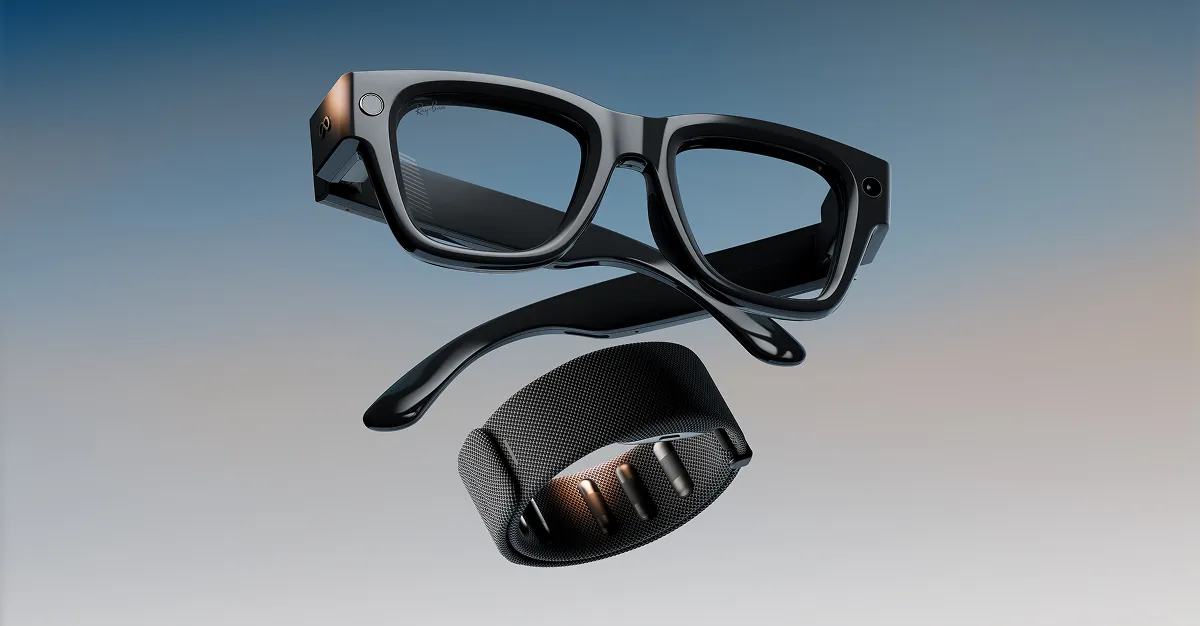
Meta used Connect 2026 to update its display glasses instead of replacing them. Meta Ray-Ban Display keeps the hardware introduced a year earlier, but adds bicycle and public transit navigation, Hologram for video calls, an experience store called Explore, and new communication features.
The update also changes how they can be purchased. The US$799 product adds online ordering and arrives in five additional markets after a limited launch in U.S. stores.
What changes in Meta Ray-Ban Display during 2026
The announcement of the new features focuses on software and availability. There is no second generation and no announced changes to the camera, display, or Meta Neural Band: people who already own the product will get more ways to use it.
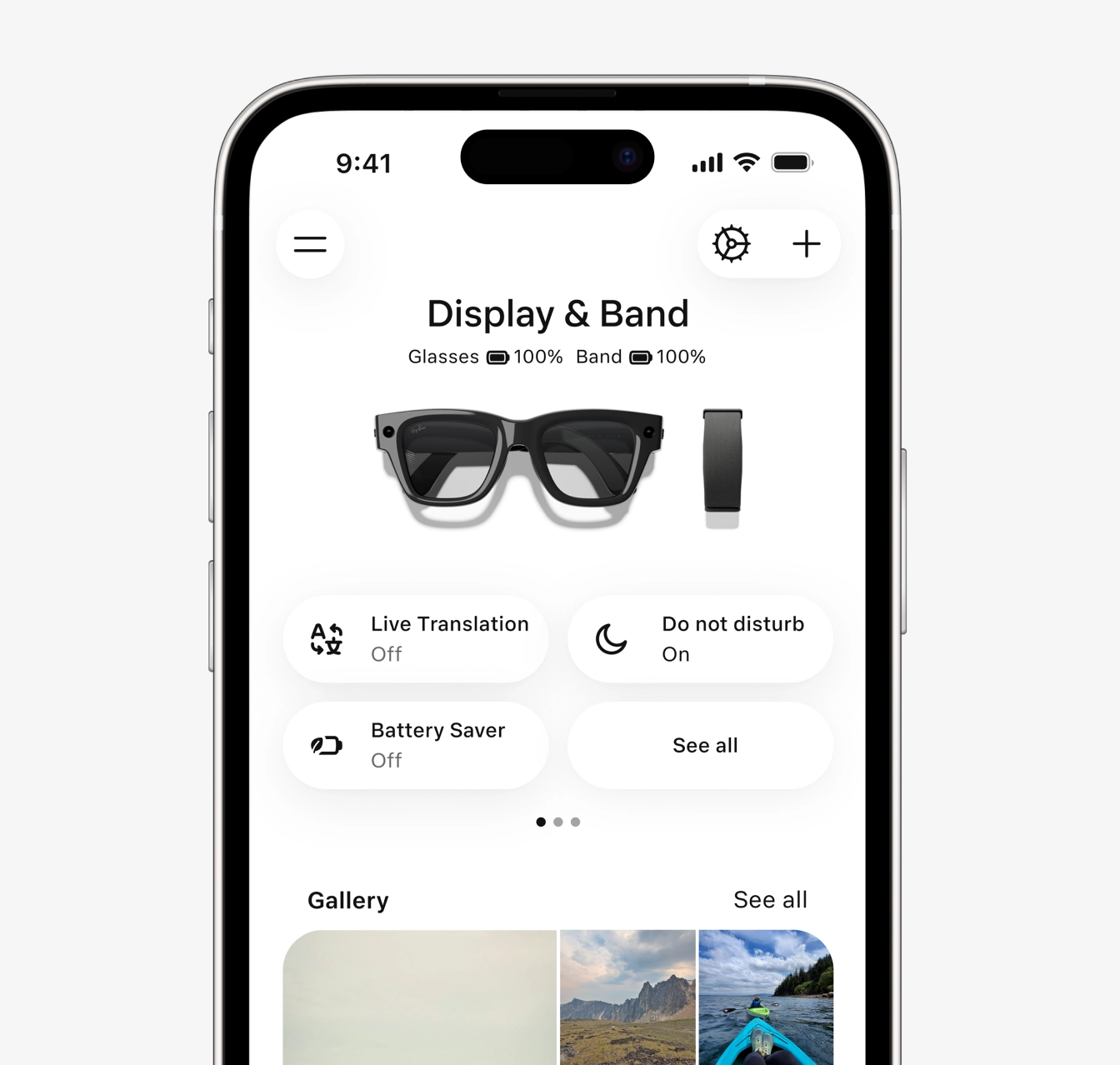
Compared with other launches, such as Ray-Ban Meta Gen 3, Display keeps its technical specifications. The difference is the addition of directions, apps, and alerts that reduce the need to take out the phone.
Navigation for walking, cycling, and using public transit
Meta is expanding navigation with turn-by-turn cycling routes and real-time public transit departures. Both options begin rolling out in the United States and Canada at the end of September.
Walking directions also become more natural. Instead of relying only on a street name, the glasses can use visible elements in the environment and ask, for example, that the user turn next to a yellow house. The idea is for guidance to match what the person has in front of them, rather than a reference that may be difficult to find.
Hologram puts a face on video calls
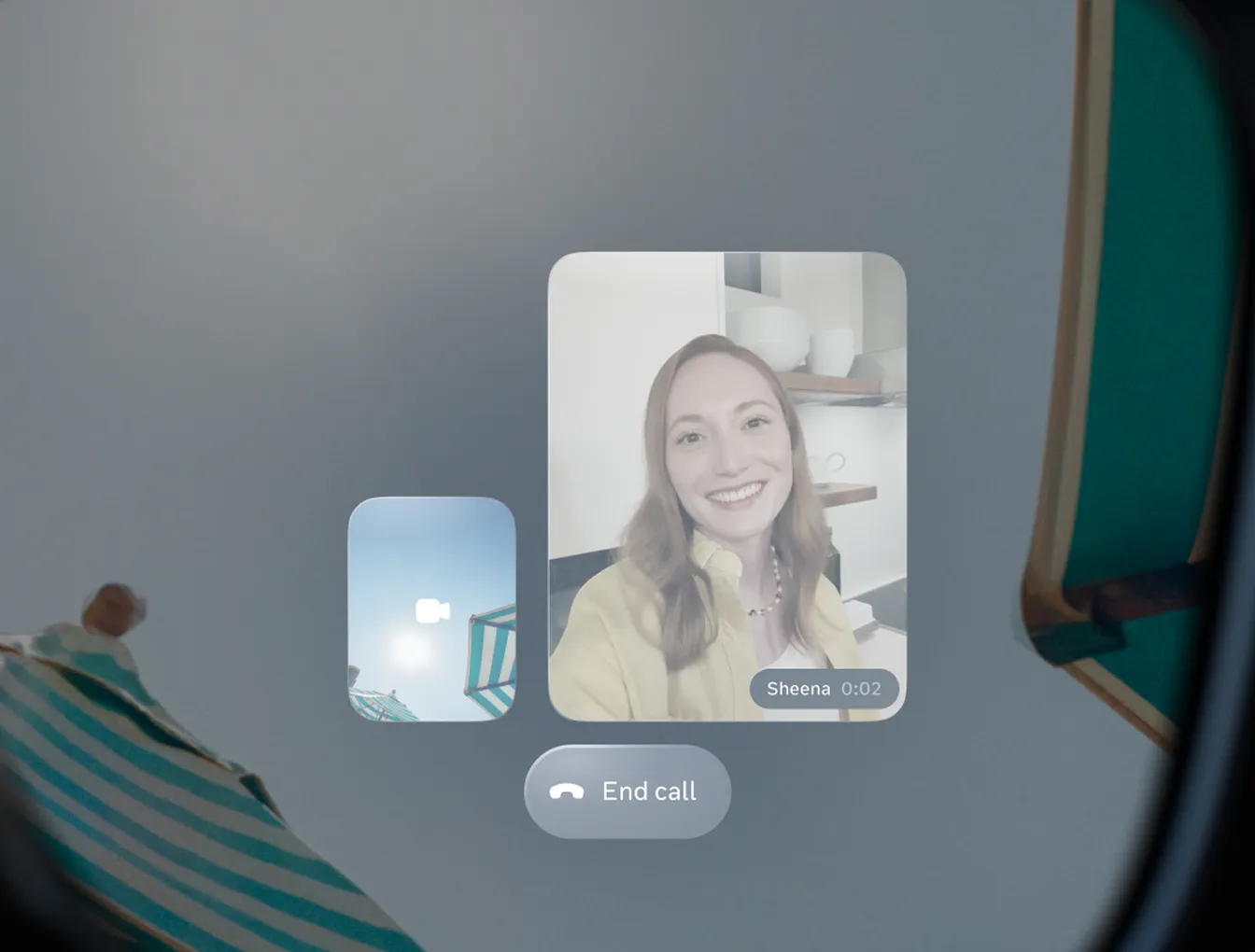
Hologram tries to solve a common limitation of calls from glasses: the other person can see what the camera captures, but not the person wearing them. After a brief facial capture in the Meta AI app, the system creates a photorealistic digital representation to show during the conversation.
The avatar is animated from the voice, and the model interprets what is being said to estimate expressions. Meta will launch it first as early access in WhatsApp for users in the United States during the final quarter of 2026.
Explore aims to expand the experience catalog
Explore will be an app inside the glasses and Meta AI. It will be used to discover experiences focused on learning, exploring places, or playing through the display and wristband gestures.
The addition addresses one of the product's weak points. After nearly a year of use, Android Central noted that the glasses had already received promised features, but still offered few apps and depended on the phone. Explore improves access; its impact will depend on the catalog it manages to bring together.
Calendar, notifications, Threads, and Dolby Atmos
The calendar will show attendees, allow users to accept or decline invitations, and provide access to join. It will debut in English in the United States. Phone notifications will arrive later, and each user will be able to choose which ones appear on the display.
Threads adds community feeds and the ability to repost from the glasses. Capture with Dolby Atmos is also coming, recording and playing back spatial audio natively.
The display and Neural Band remain the foundation
The Ray-Ban purchase page maintains a 600 × 600-pixel color display integrated into the right lens. It is visible only to the person wearing the glasses and is designed for brief interactions: messages, Meta AI responses, maps, translations, camera framing, and short videos.
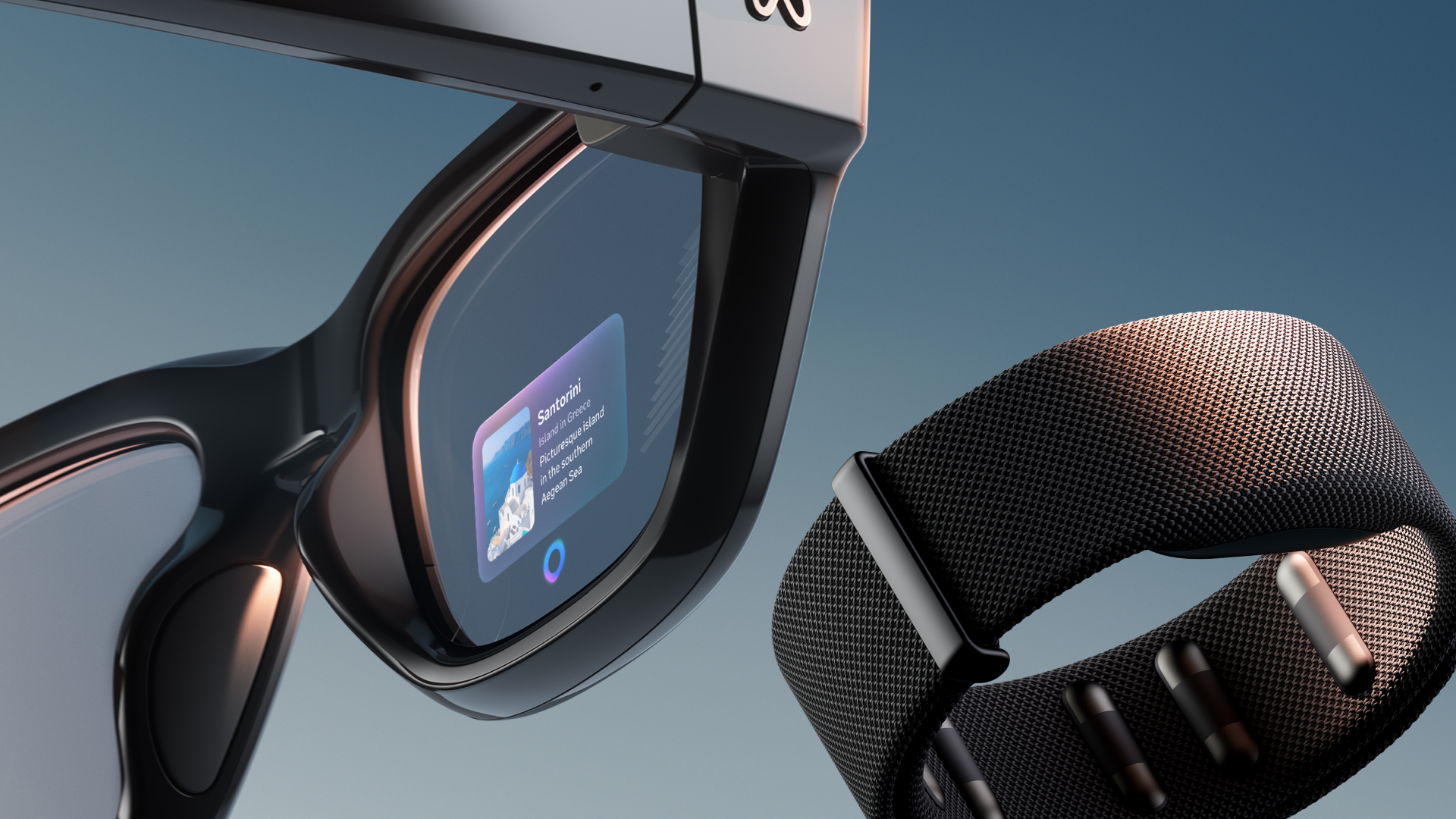
The Meta Neural Band interprets muscle signals using electromyography. It allows users to select, scroll, adjust volume, or type with subtle movements and provides haptic feedback. Its battery lasts up to 18 hours and it has IPX7 resistance; the glasses offer up to six hours, and the case raises the total to 30.
Accessibility and privacy remain decisive
Live captions and translation show on screen what another person is saying. The integration of Muse into Meta glasses will expand AI-based tasks, but it does not replace these accessibility features.
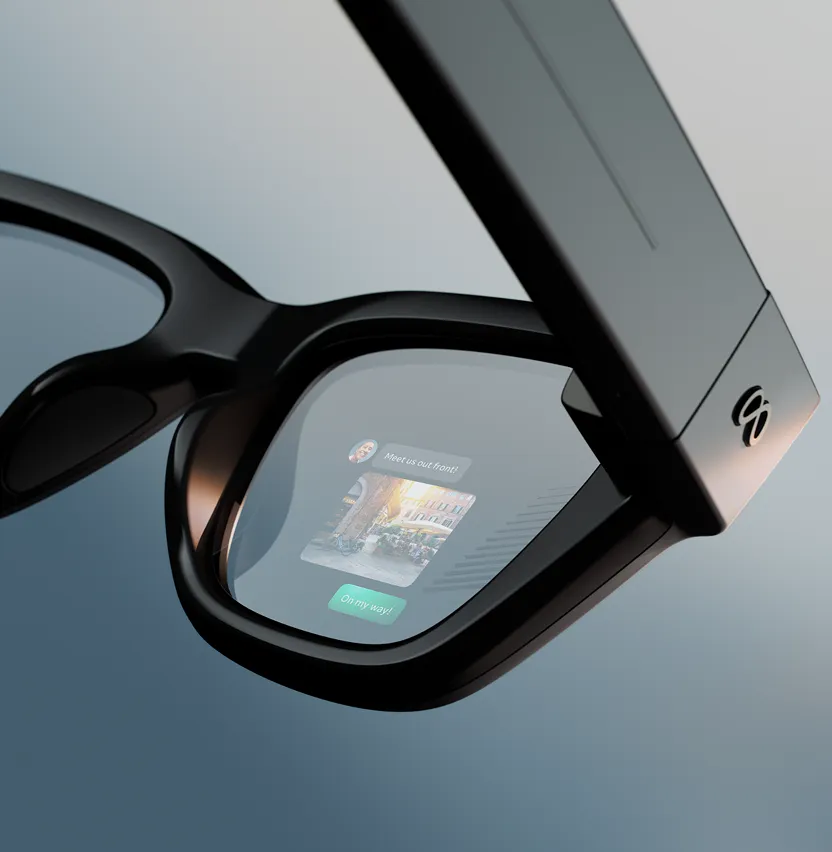

The private display prevents other people from reading its content from the outside. For captures, the glasses retain the front indicator light that signals when the camera is active. Hologram adds another sensitive layer: the digital face is generated from a personal capture and, for now, its limited rollout will make it possible to evaluate how it performs outside a controlled demo.
Price, online orders, and new markets
Meta Ray-Ban Display starts at US$799 and includes the glasses and the Meta Neural Band. The United States adds online ordering starting September 23. Canada and the United Kingdom began that same day with web and retail sales in Vancouver, Toronto, and London.
France, Italy, and Germany opened preorders, with online sales and availability in selected cities starting October 13. Prescription lenses arrive that day in France and Italy, and later in Germany. The official product page brings together demos, optical options, and availability.
What is still missing after one year
The new features address part of the feeling of an unfinished product. Navigation covers more forms of transportation, Explore organizes apps, and Hologram proposes a use case native to the format. However, several new features debut first in the United States and still depend on the phone.
Physical limits also remain: the display is in only one eye, the frames are thicker than conventional glasses, and six hours of battery life requires planning for charging. These are compromises that are hard to ignore in a US$799 product.
Among all the Meta Connect 2026 announcements, this update may matter more to people who already bought the glasses than a hardware change. Display gains more reasons to look at its screen; now it has to prove that Explore, Hologram, and the regional features grow enough to justify the price.
Meta Ray-Ban Display
AI glasses with a private color display controlled via Meta Neural Band, updated in 2026 with expanded navigation, Hologram, Explore, and new communication features.
Pros
- The private display shows messages, maps, translations, and visual responses.
- The Meta Neural Band offers precise and discreet gesture control.
- The new routes and Explore expand the product's everyday uses.
- The 12 MP camera, 3K video, and Dolby Atmos improve hands-free capture.
Cons
- The monocular display may be uncomfortable for extended content.
- Battery life of up to six hours limits use throughout a full day.
- The US$799 price is roughly double that of several glasses without a display.
- Many features start out restricted by country, language, or early access.
Author
Alexis PaezReport based on official announcements and verified public sources at the time of publishing.
Comments
Share article
You might also like

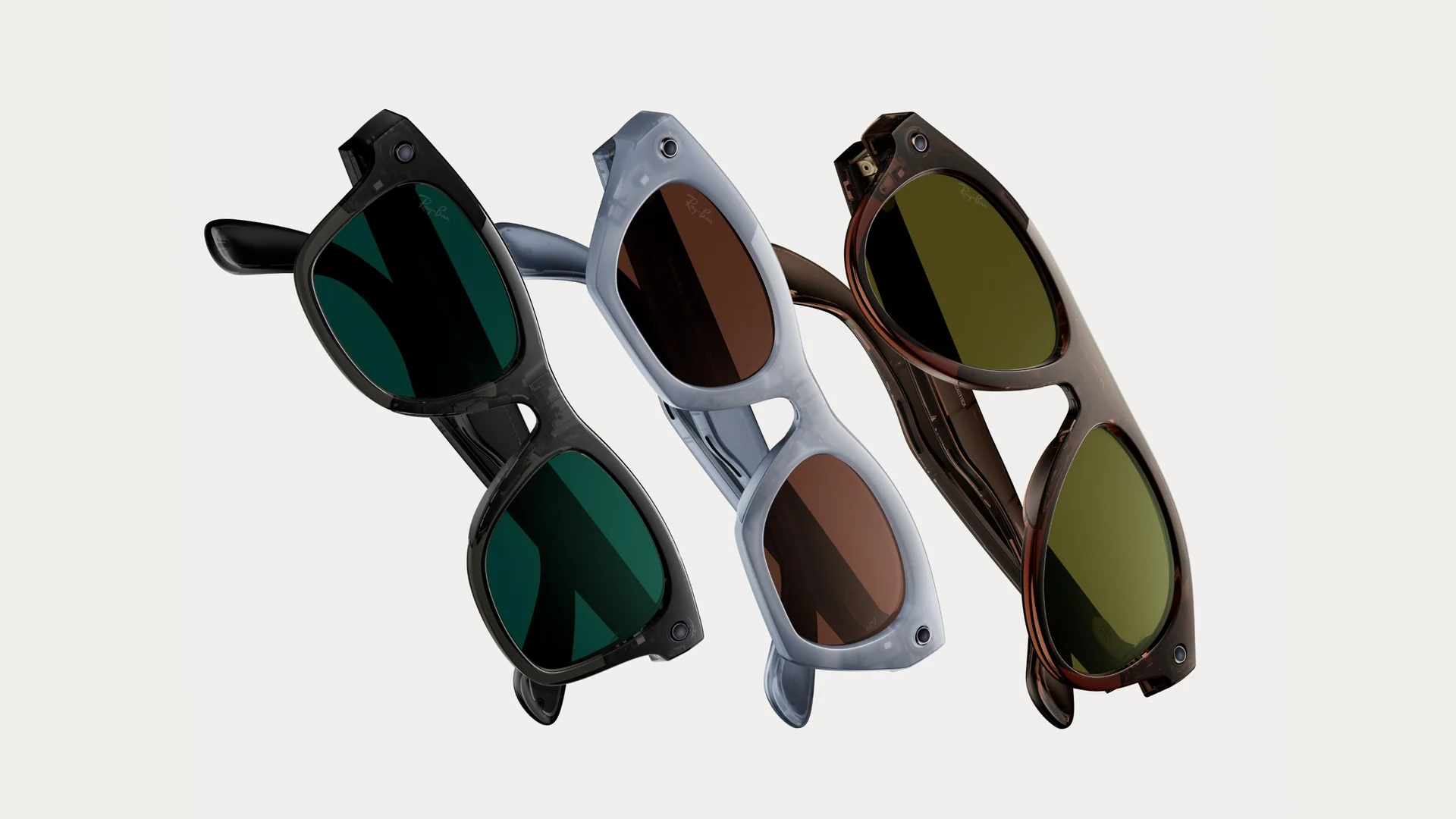
Ray-Ban Meta Gen 3: one more hour of battery life and US$70 more
Ray-Ban Meta Gen 3 increases battery life to nine hours, adds six microphones, and starts at US$449. Changes, models, and comparison with Gen 2.

Ray-Ban Meta Audio: Meta’s first camera-free glasses cost US$349
Ray-Ban Meta Audio removes the camera, weighs 43 grams, and offers up to 12 hours of battery life. Price, features, and differences versus Gen 3.
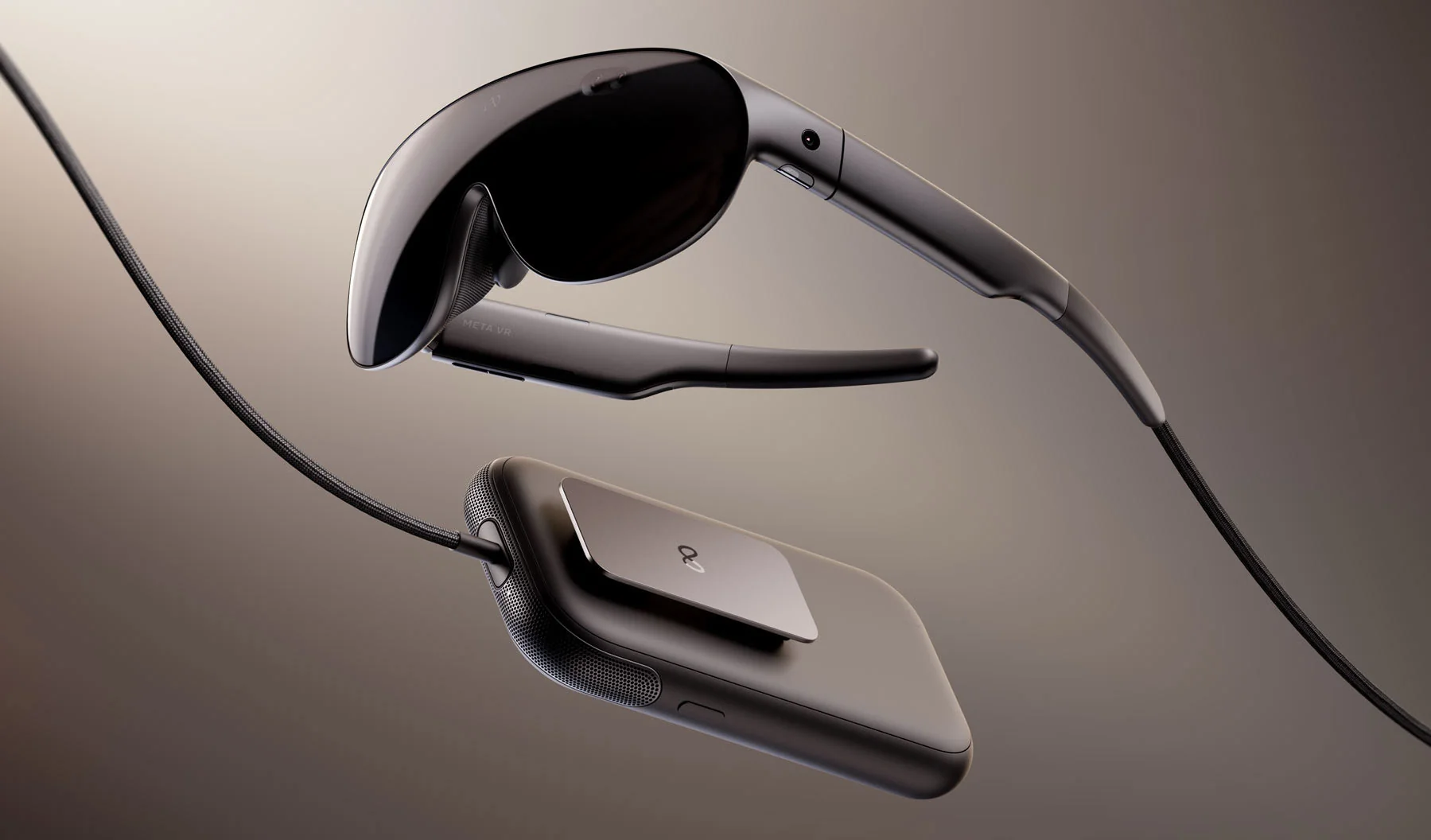
Meta VR Glasses: 100 grams, 5K display, and a puck to take weight off your face
Meta VR Glasses weigh 100 grams, use 5K micro-OLED displays, and move the battery and compute to a puck. Price, date, and trade-offs.