Ray-Ban Meta Gen 3: one more hour of battery life and US$70 more
Index
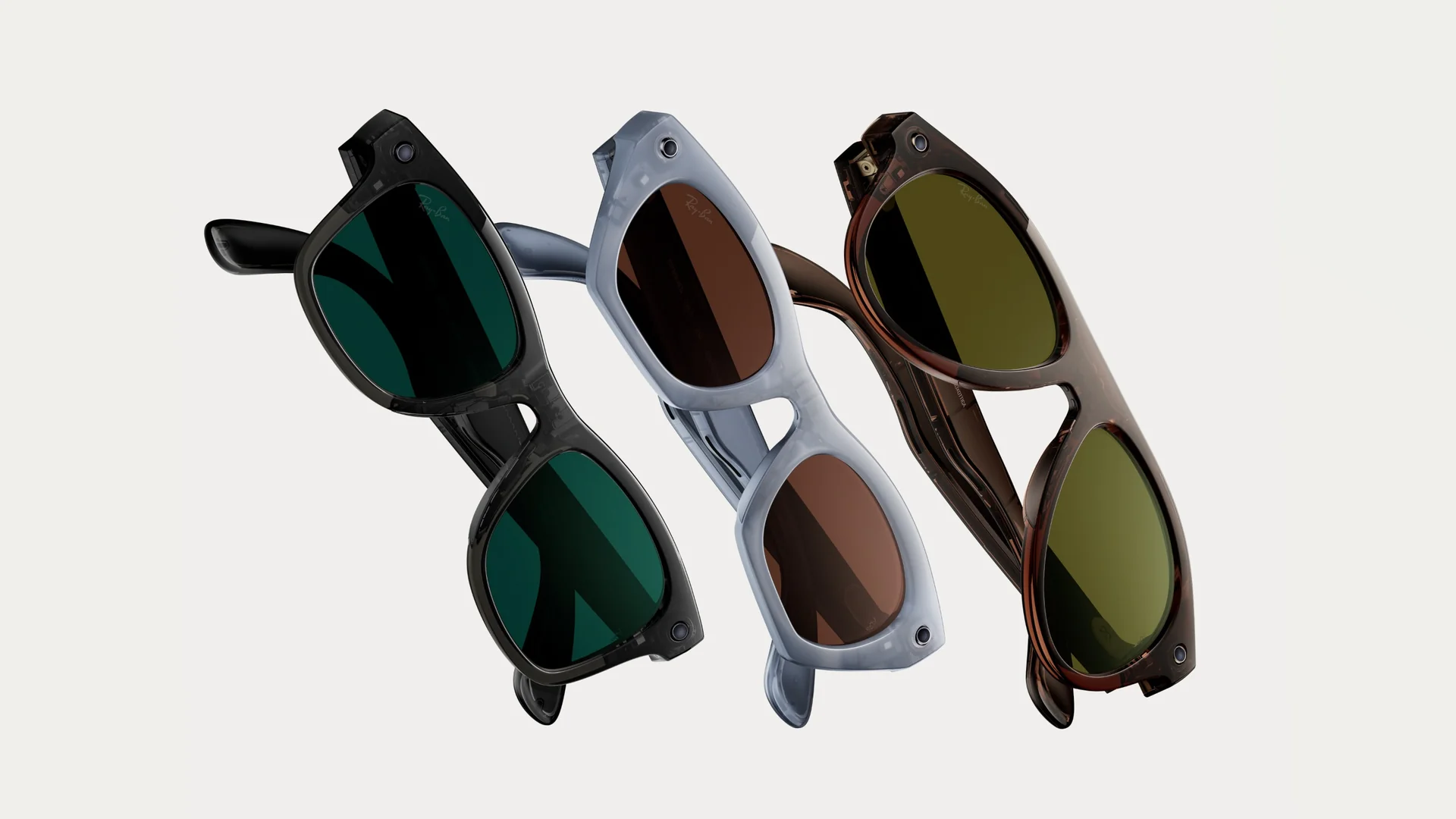
Ray-Ban Meta Gen 3 keeps the formula of glasses with a camera, open-ear speakers, and Meta AI, but brings it to a thinner frame with an extra hour of battery life. It also adds six microphones, a customizable action button, and two new designs alongside Wayfarer.
The update comes with a trade-off: it starts at US$449, US$70 more than Gen 2. The improvements target everyday use and do not change the product’s core capability. That is why the decision depends less on a brand-new feature than on how much each user values battery life, fit, and design.
What changes compared with Ray-Ban Meta Gen 2
Meta introduced Ray-Ban Meta Gen 3 on September 23 at Connect 2026. According to the official announcement, the new generation offers up to nine hours of use, a six-microphone array, and a slimmer, more comfortable body. Gen 2 promises up to eight hours and starts at US$379.
The 12 MP camera, 3K video, open-ear speakers, and voice controls remain. What is new is how those functions are accessed: the action button can open Meta AI or be assigned to a shortcut, while dynamic photos capture a burst so you can choose the best frame. It is not a reinvention; it is a refinement of the everyday experience.
Wayfarer, Aviator, and Zena: three launch designs
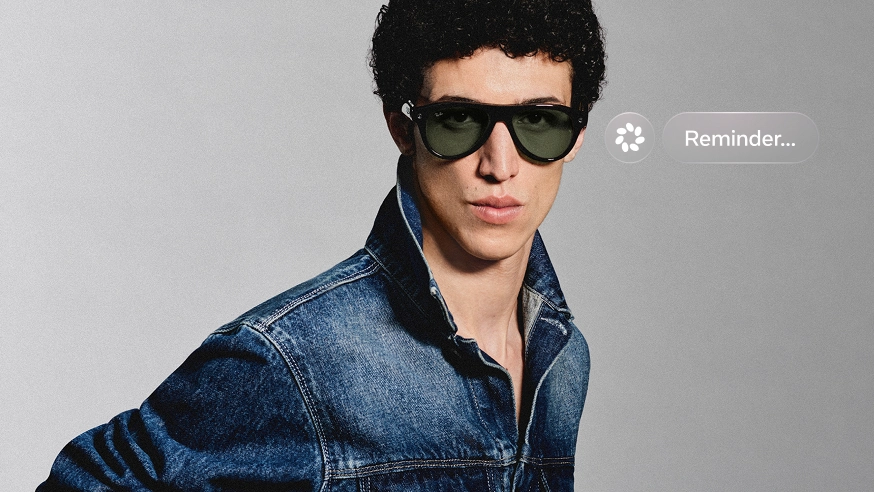
Gen 3 is available in 27 frame and lens combinations. Wayfarer keeps the recognizable square silhouette and adds a large option. Aviator brings the platform to a wide-lens frame, while Zena adopts a more pronounced cat-eye shape. All three are offered in black, Havana, and seasonal colors, with clear, sun, polarized, Transitions, and prescription lenses depending on the configuration.
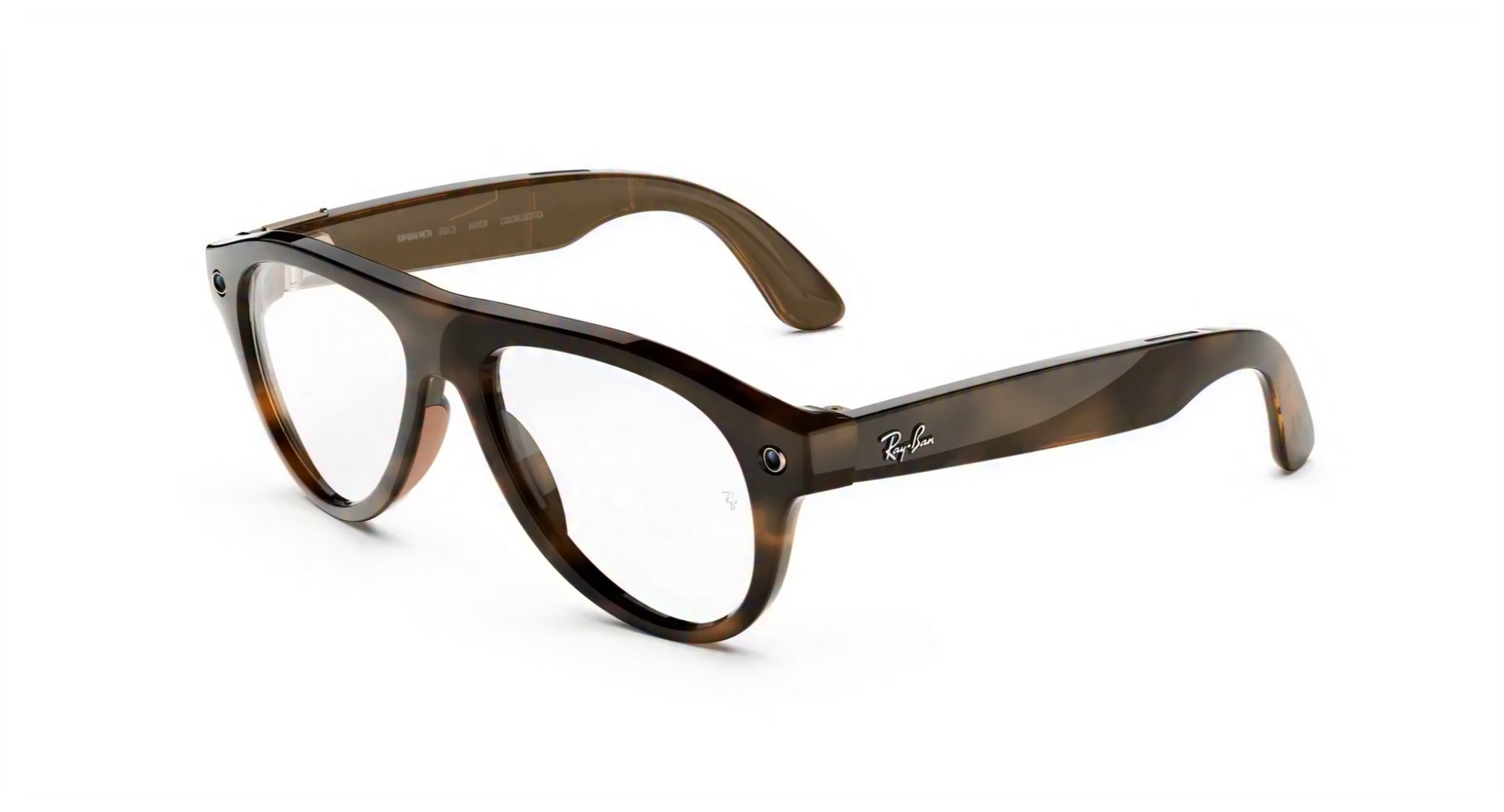
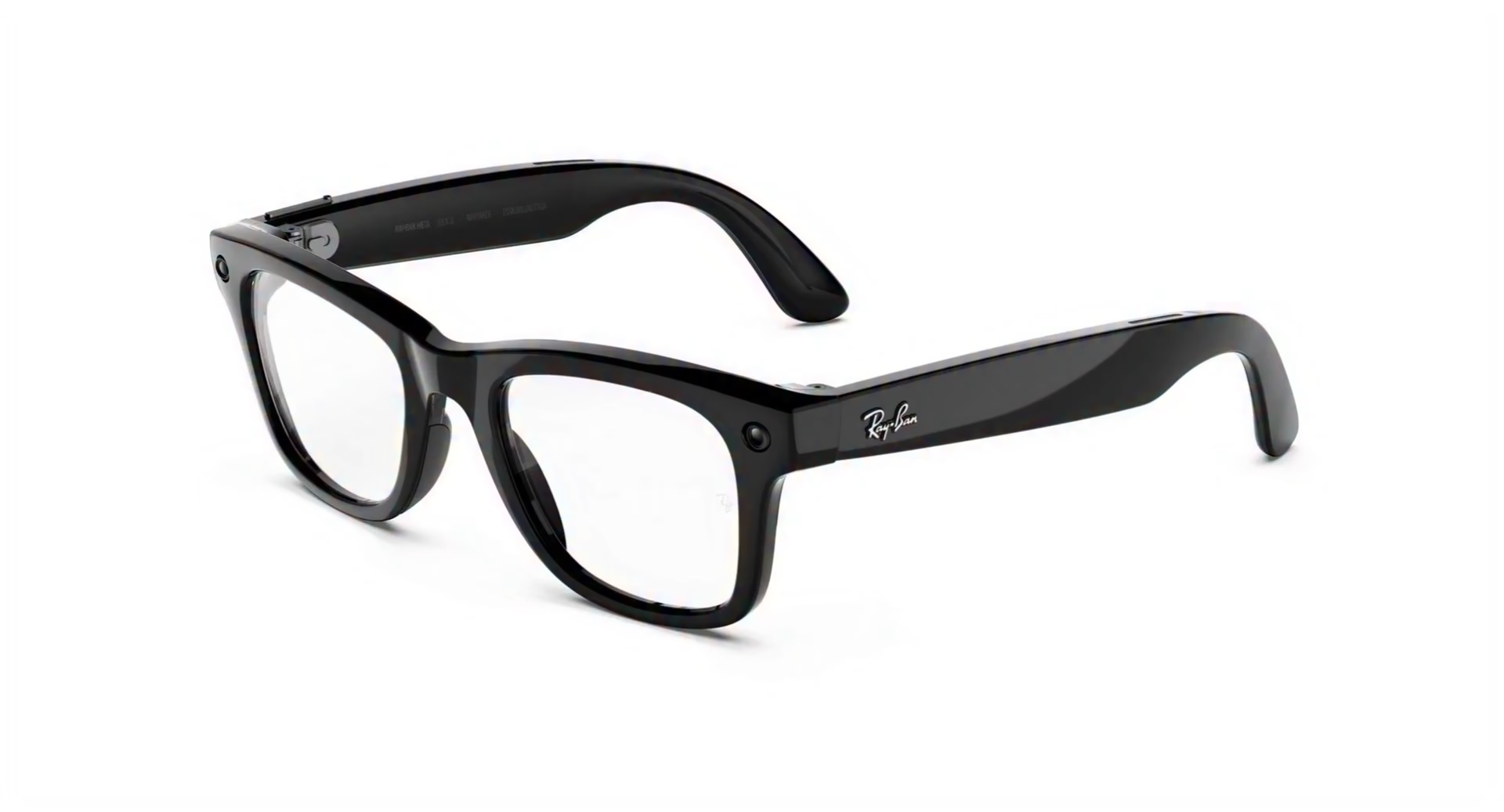
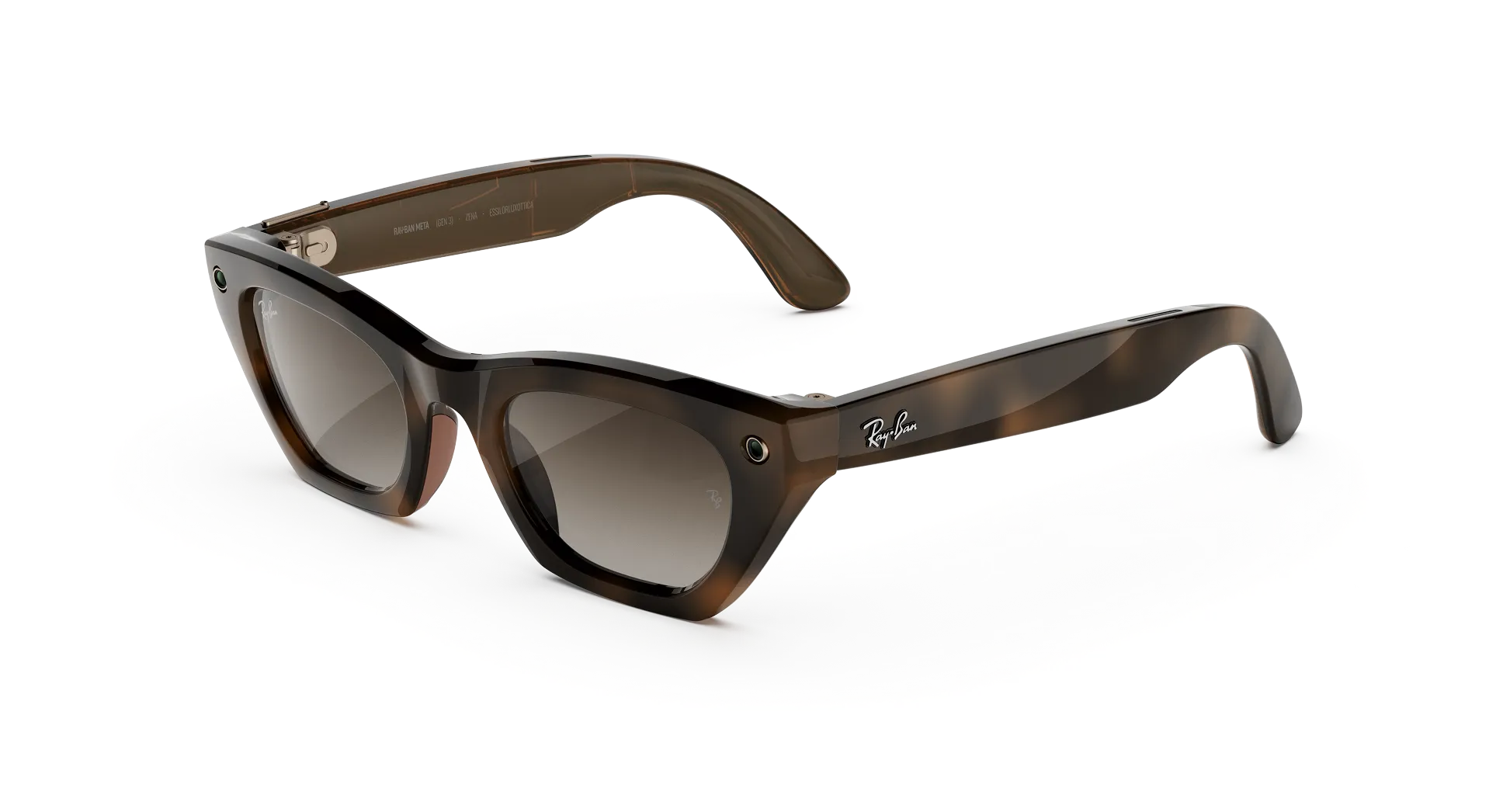
The variety is a real improvement over generations where the technology placed more constraints on the shape. There is also a limited-edition Aviator Connect for the model’s 90th anniversary, in Milky Beige with brown Transitions lenses, starting at US$579. It does not add capabilities: the difference is aesthetic and collectible.
Slimmer fit, adjustable temple tips, and action button
Meta brought temple tips that a professional can adapt to the face across the entire generation. The company warns that they should not be bent at home because an incorrect adjustment can damage the frame or internal components. The service is offered at authorized stores. Unlike other models designed for prescription use, Gen 3 does not add adjustable nose pads.
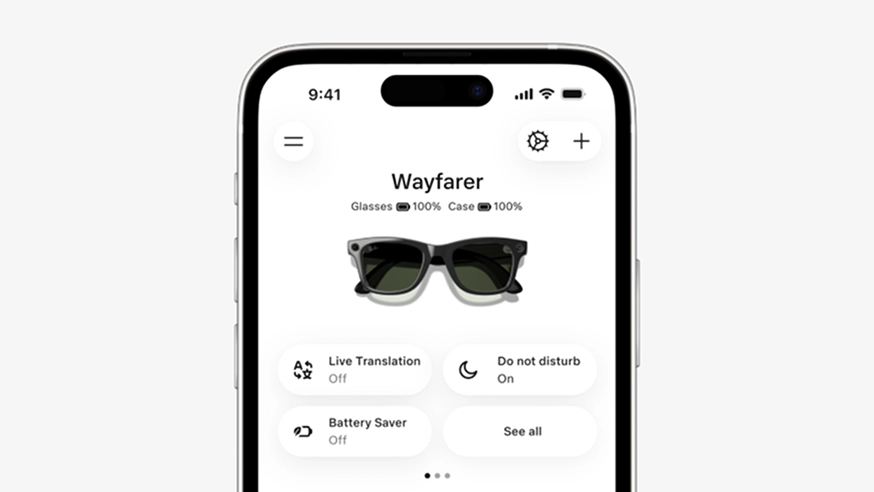
The action button is on the left temple and works as a discreet shortcut to Meta AI, translation, a frequent contact, or another tool configured from the app. On the right, the capture button and touch surface for playback and volume remain. These are small changes, but they reduce the need to repeat “Hey Meta” in public.
12 MP camera, 3K video, and dynamic photos
The ultra-wide-angle camera takes 3024 × 4032-pixel images and records 3K video at 30 frames per second. Its core specifications match Gen 2, although the module is thinner and integrates better into the front. Capture can be started with the physical button or by voice.
Dynamic photos address a common problem with cameras used while moving: they save a sequence and let you select the sharpest frame. The product page also announces slow motion. Internal storage remains 32 GB, with stated capacity for more than 1,000 photos or more than 100 30-second videos.
Six microphones and Dolby Atmos capture
The array moves to six microphones, and Meta says it reduces more than 90% of ambient noise to improve calls and commands on busy streets or in windy conditions. The open-ear speakers continue to play music and responses without completely blocking environmental sounds.


Dolby Atmos is not part of the full initial offering: Meta announced it for later in 2026. The update will enable video capture and playback with 360-degree spatial audio. The result will also depend on the device and app used to watch it, but it expands the value of the microphones beyond calls.
Nine hours of battery life and charging case
Ray-Ban Meta Gen 3 promises up to nine hours on a charge, versus eight on Gen 2. The included case provides up to 50 additional hours and restores 50% of the glasses’ battery in 20 minutes. Each generation uses its own case; compatibility with previous accessories should not be assumed.
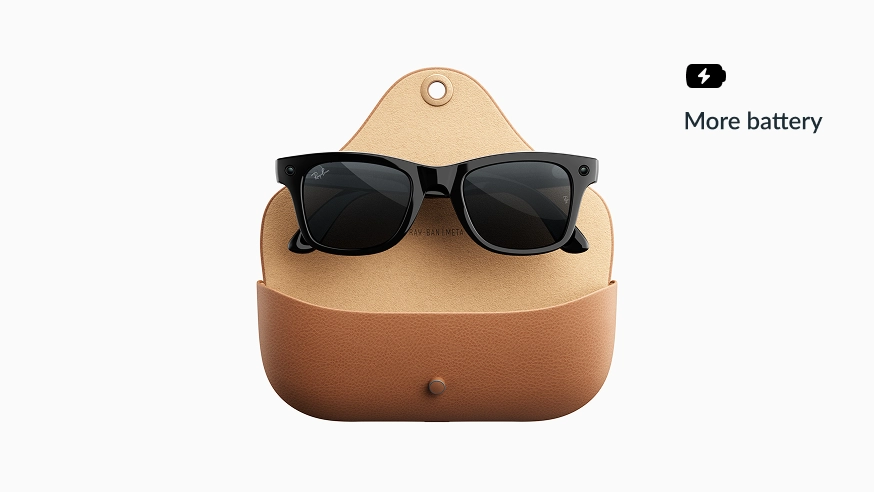
The advertised figure is a maximum and varies with recording, calls, volume, and AI queries. One extra hour does not transform the product, but it can prevent a recharge before the end of the day. Anyone who needs more headroom and can give up the camera gets up to 12 hours with Ray-Ban Meta without a camera.
Price from US$449: US$70 more than Gen 2
Ray-Ban Meta Gen 3 is on sale from US$449 in the United States. The price increases with the style and lens type; prescription, polarized, or Transitions configurations can exceed the base figure. Wayfarer and Zena support a wider prescription range than Aviator, according to the store information.
The most direct comparison is with Gen 2, which Meta keeps at US$379. For an additional US$70, Gen 3 offers one more hour of battery life, 50 hours in the case instead of 48, six microphones, a more integrated camera, the configurable button, and a wider variety of shapes. The baseline capture quality and many software features are similar.
What does not change and how the privacy indicator works
Meta AI continues to answer questions, identify what the camera sees, translate conversations, and create reminders. The Meta AI app is still required to configure the glasses, import content, and manage settings. Muse on AI glasses will expand background work, but its rollout and connectors will depend on the market and future updates.
The visible capture signal also remains unchanged. The front LED turns on when taking photos or recording, and the camera is blocked if the indicator is covered. It is a useful technical safeguard, although it does not replace consent or the rules of each space. The six microphones remain active for voice and calls, so privacy is not only about the camera.
Is it enough to justify upgrading?
For someone who already uses Gen 2, the jump is limited. The same 12 MP camera and 3K video reduce the urgency to switch. Gen 3 makes sense if an additional hour, better voice isolation, the action button, or one of the new designs solves a specific limitation; not because of a completely new capability.
The assessment from Android Central also describes the improvements as modest, while highlighting the variety of styles. For first-generation users or new buyers, the total package is more convincing: better battery life, higher-resolution capture, and a platform that will continue receiving features.
Among all the Meta Connect 2026 announcements, Gen 3 is the most evolutionary product. Its strength lies in refining glasses that already worked, not in changing the category. The increase to US$449 is better justified by design and comfort than by power; those who are satisfied with Gen 2 can wait, while new buyers get the most complete version of the Ray-Ban Meta formula.
Ray-Ban Meta (Gen 3)
Third generation of Ray-Ban glasses with a camera and Meta AI, featuring three designs, six microphones, 3K video, and up to nine hours of battery life.
Pros
- Offers up to nine hours of use and 50 additional hours with the case.
- Expands the collection with Aviator and Zena designs.
- The six-microphone array improves voice pickup in noisy places.
- The action button lets you create a shortcut without using your voice.
Cons
- Costs US$70 more than Ray-Ban Meta Gen 2.
- Keeps the 12 MP camera and 3K video from the previous generation.
- The battery life improvement is limited to one hour.
- Dolby Atmos and several Muse features depend on later updates.
Author
Alexis PaezReport based on official announcements and verified public sources at the time of publishing.
Comments
Share article
You might also like

Ray-Ban Meta Audio: Meta’s first camera-free glasses cost US$349
Ray-Ban Meta Audio removes the camera, weighs 43 grams, and offers up to 12 hours of battery life. Price, features, and differences versus Gen 3.
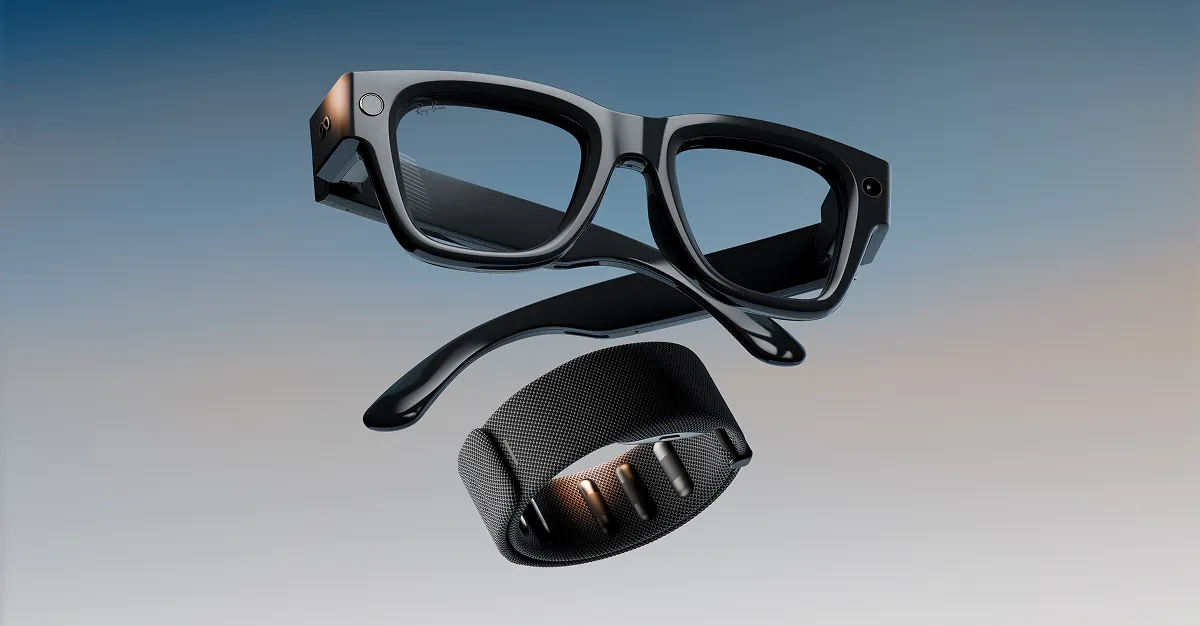
Meta Ray-Ban Display adds Hologram, navigation, and online ordering
Meta Ray-Ban Display adds Hologram, bicycle and public transit navigation, Explore, Dolby Atmos, and online sales in new markets.

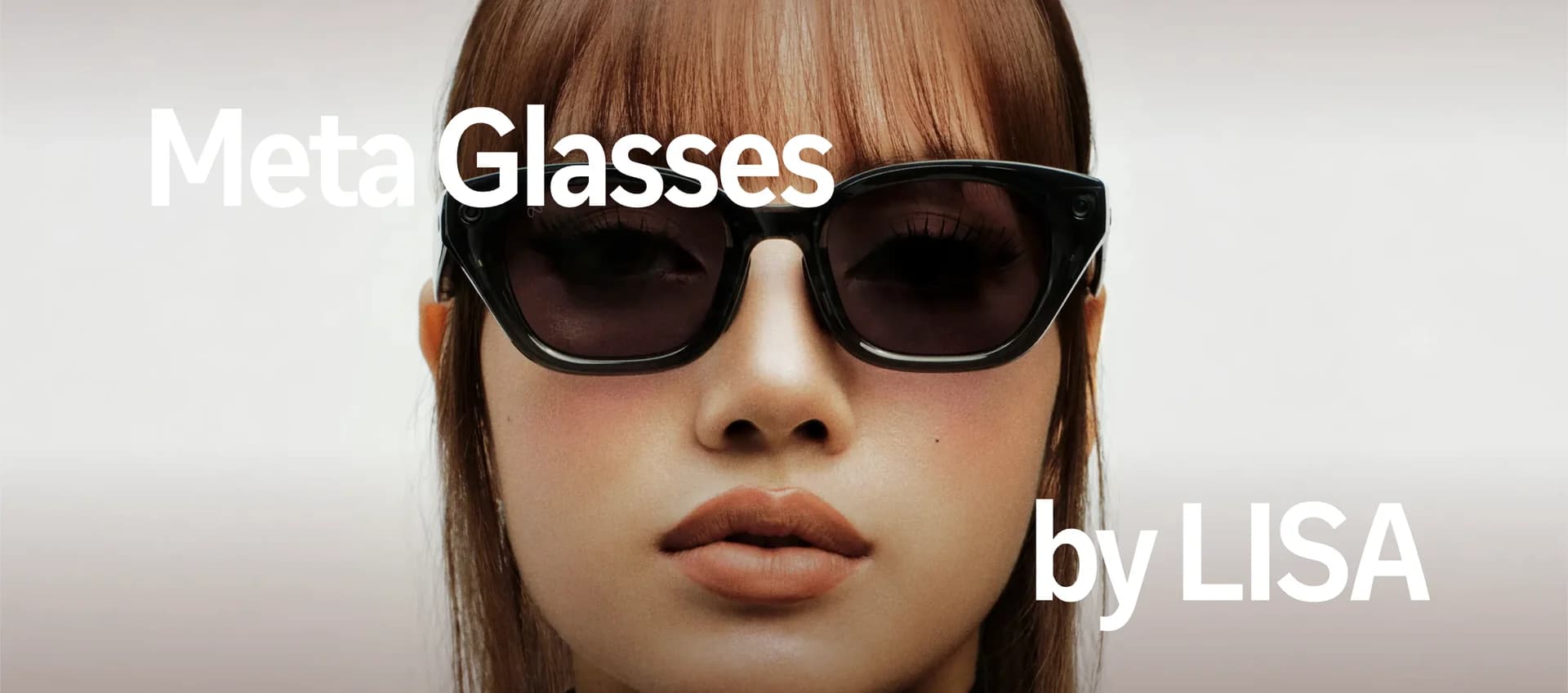
Meta Glasses by LISA: two designs, collectible charms, and US$399 price
Meta Glasses by LISA combines Adventurer and Capri with an exclusive case, charms, and photocards. Price, features, and differences in the collection.