Meta Connect 2026: all the announcements, from Meta VR Glasses to Muse

Index
Meta Connect 2026 took place on September 23 and focused the company’s hardware strategy on three fronts: 100-gram virtual reality glasses, a broader lineup of AI glasses, and the expansion of Muse beyond its app. This overview brings together pricing and dates, while separating new launches from catalog expansions.
The link between the announcements is Muse. Meta wants the agent to accompany users across camera-equipped glasses, audio models, a pocket accessory, and, later on, a virtual reality headset. The ecosystem is becoming more coherent, although several features will remain promises until their updates arrive.
Meta Connect 2026: what the company introduced
The official Meta Connect 2026 recap brought together four main areas: Meta VR Glasses, Ray-Ban Meta Audio, Ray-Ban Meta (Gen 3), and the expansion of Muse to new devices. That was joined by Meta Glasses collections with LISA and Kylie Jenner, new features for Meta Ray-Ban Display, and a major Beat Saber update.
Not all products will arrive at the same time or in the same markets. Ray-Ban Meta Audio and several models in the new lineup have defined pricing and preorders in the United States, while Meta VR Glasses will not launch until spring 2027. Charm, the small device for talking to Muse, still has no price or specific release date.
Meta VR Glasses: virtual reality takes the shape of glasses
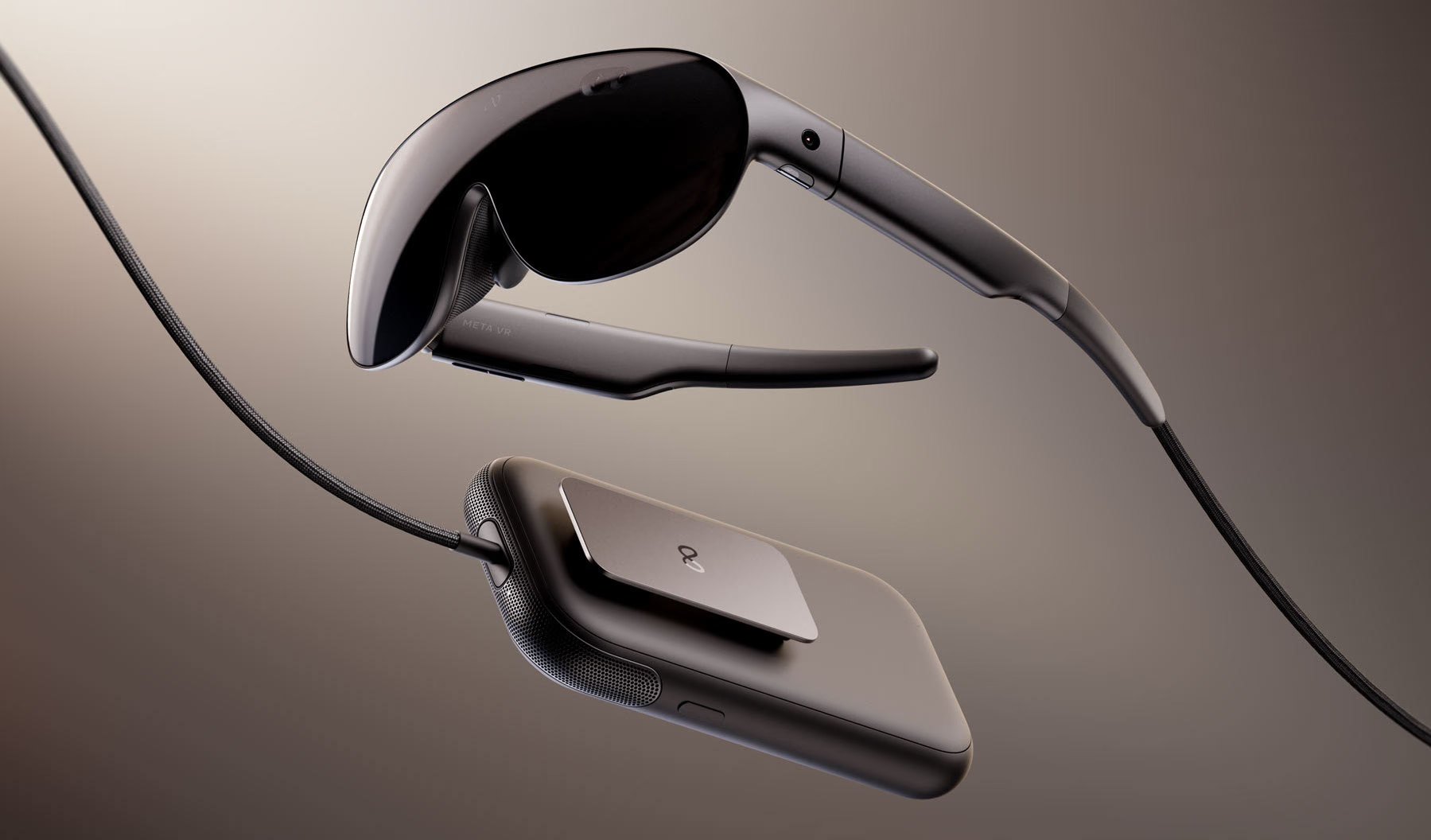
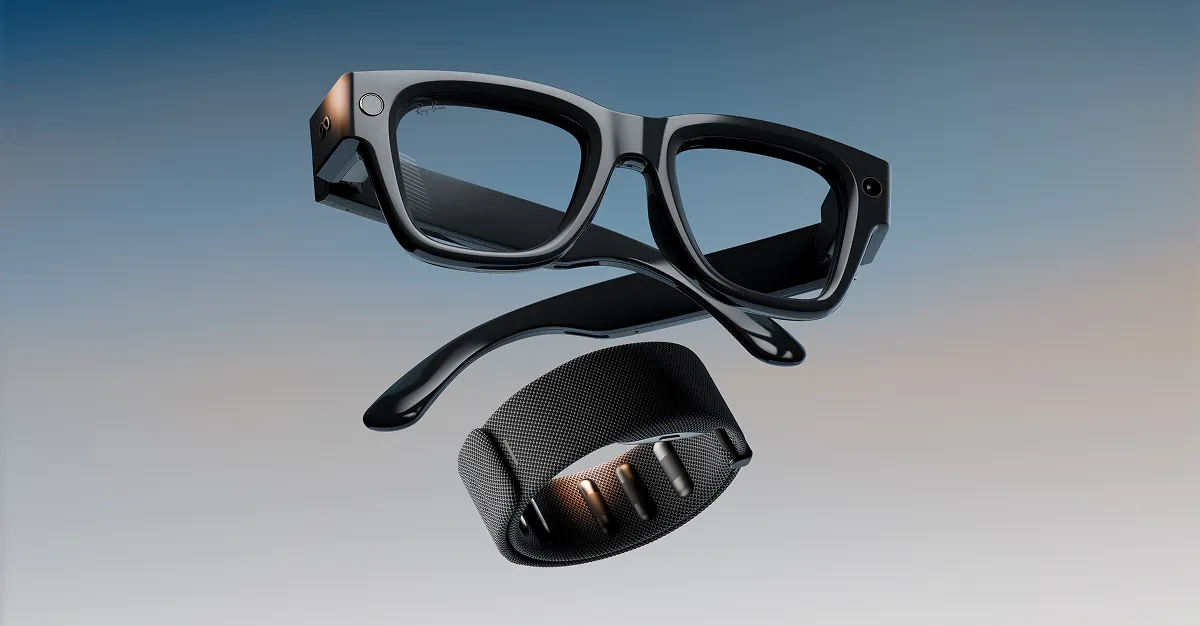
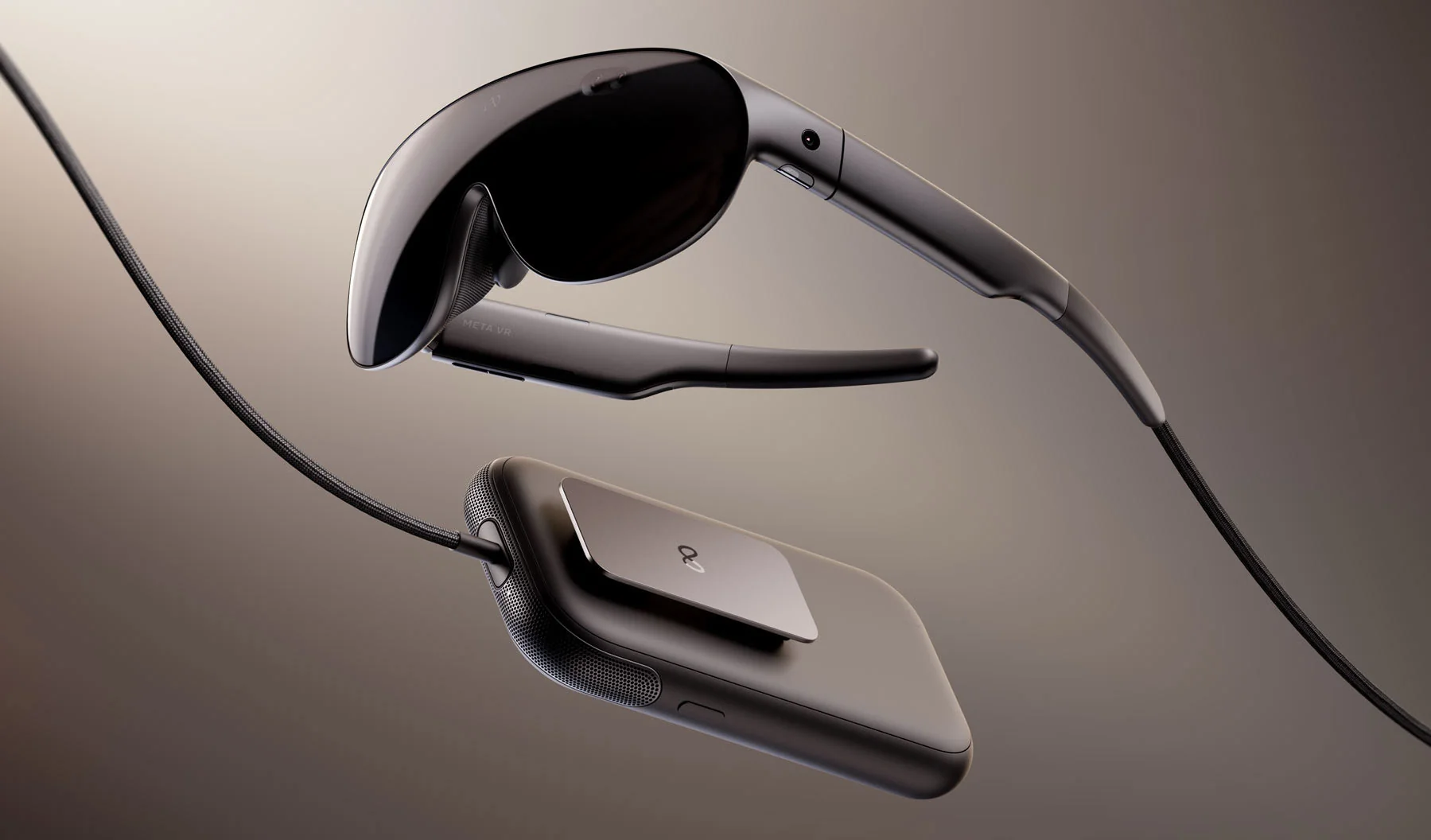
The new Meta VR Glasses are the most ambitious hardware announcement. They weigh around 100 grams and move the battery, processors, and storage to an external module connected by cable. That architecture reduces the weight on the face to about one-fifth that of Quest 3, but requires carrying the so-called puck in a pocket, bag, or on a belt.
Meta promises a 5K Infinite Display with micro-OLED panels, eye and hand controls, and compatibility with Horizon OS and the Quest store. The pitch combines cinema, immersive sports, gaming, and virtual desktops with multiple screens. According to the Meta VR Glasses technical presentation, they will cost US$1,299.99 and launch in spring 2027.
Ray-Ban Meta Audio removes the camera
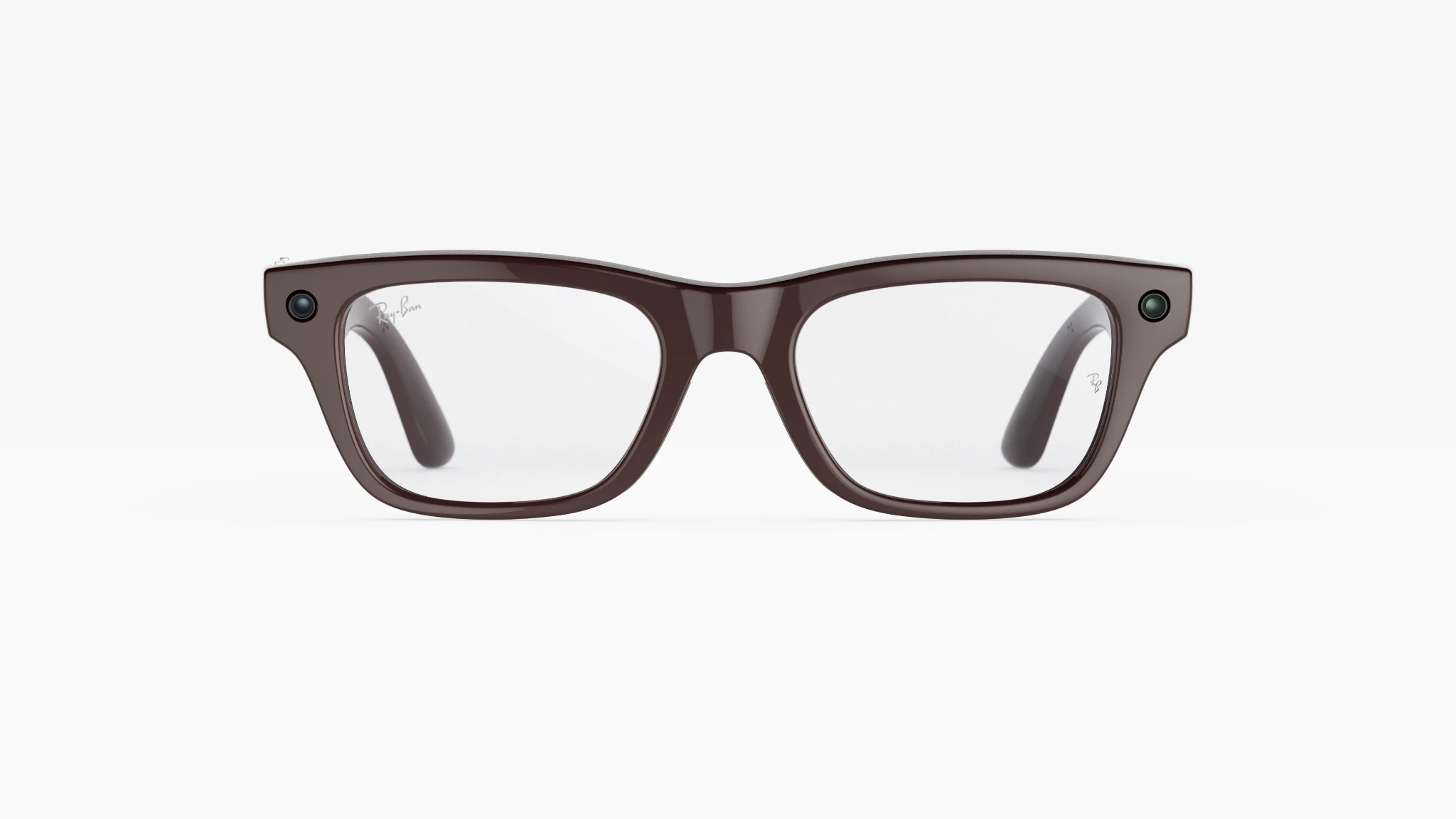
The camera-free Ray-Ban Meta Audio shifts the focus to calls, music, translation, and voice queries. They are the thinnest and lightest glasses in the Ray-Ban Meta family, weigh 43 grams, and are offered in Clubmaster and Burbank styles. They keep open-ear speakers, six microphones, and an action button, but give up both photo and video capture and the AI features that need to see the surrounding environment.

The advertised battery life reaches 12 hours, and the case adds up to 48 additional hours. They can be preordered starting at US$349, with deliveries beginning October 13, 2026. In the context of criticism over discreet capture with smart glasses, the absence of a camera also creates a less invasive option for spaces where recording is not appropriate.
Ray-Ban Meta Gen 3: a more conservative update
The third generation of Ray-Ban Meta refines a familiar formula. The design is slimmer, adds an action button, and introduces adjustable temples, but keeps a 12-megapixel camera with 3K recording. Meta also uses six microphones and promises to cancel more than 90% of background noise during calls and voice interactions.
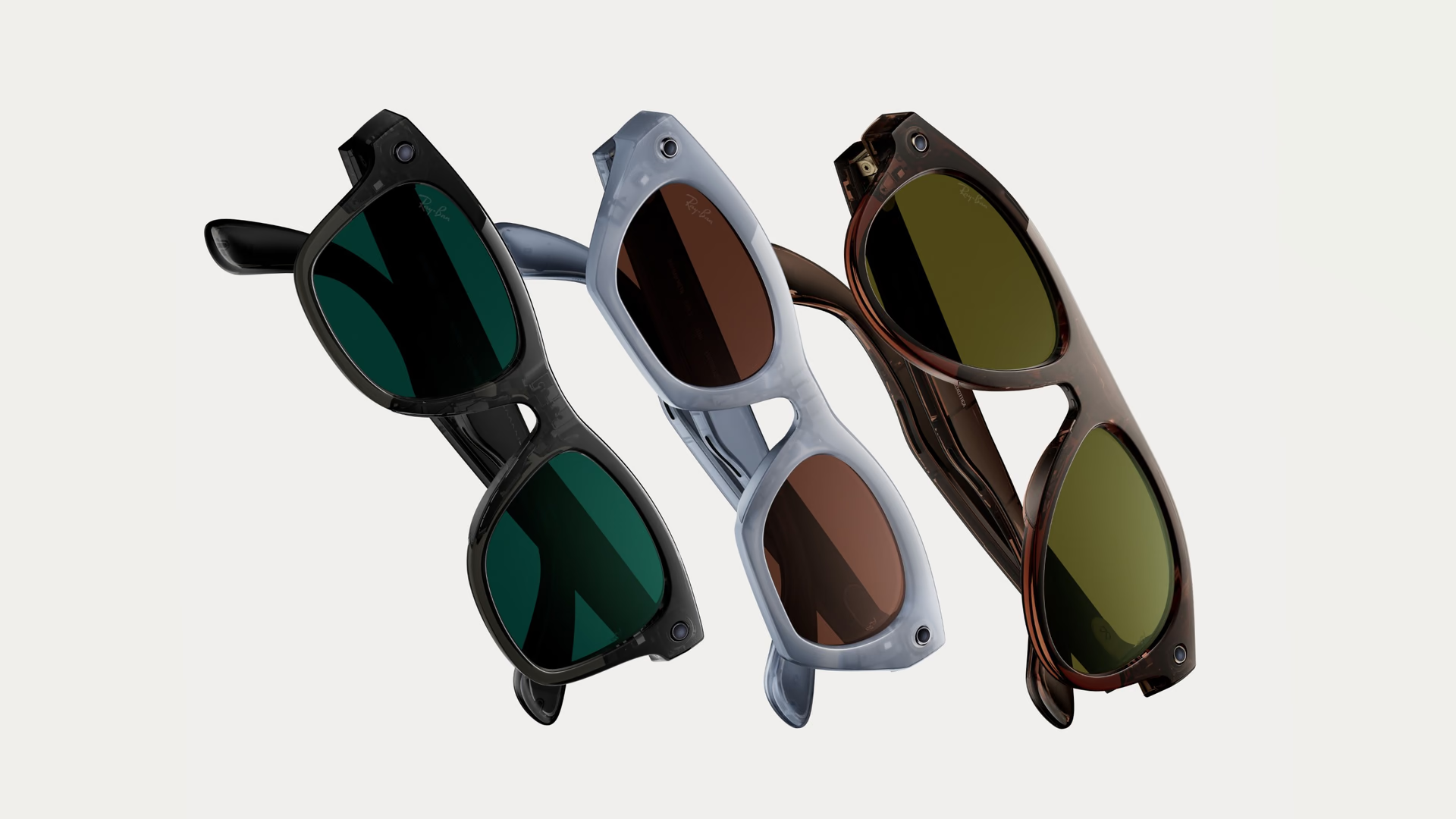
Battery life increases to nine hours, just one more than Gen 2, and pricing starts at US$449. The lineup includes Wayfarer, Aviator, and Zena, a cat-eye-style frame. The US$70 jump over the previous generation makes the upgrade more compelling for those who value improved fit and audio than for those expecting a radical change in camera or display.
Muse leaves the app and comes to glasses and Charm
Muse integration in the glasses will let users summon the agent by name and ask it to act on what the camera sees. Meta showed queries about products, signs, and lists, as well as tasks that continue in the background. Muse will also have its own email address, control apps on Mac with the user’s permission, and expand its connectors for shopping, travel, and work.

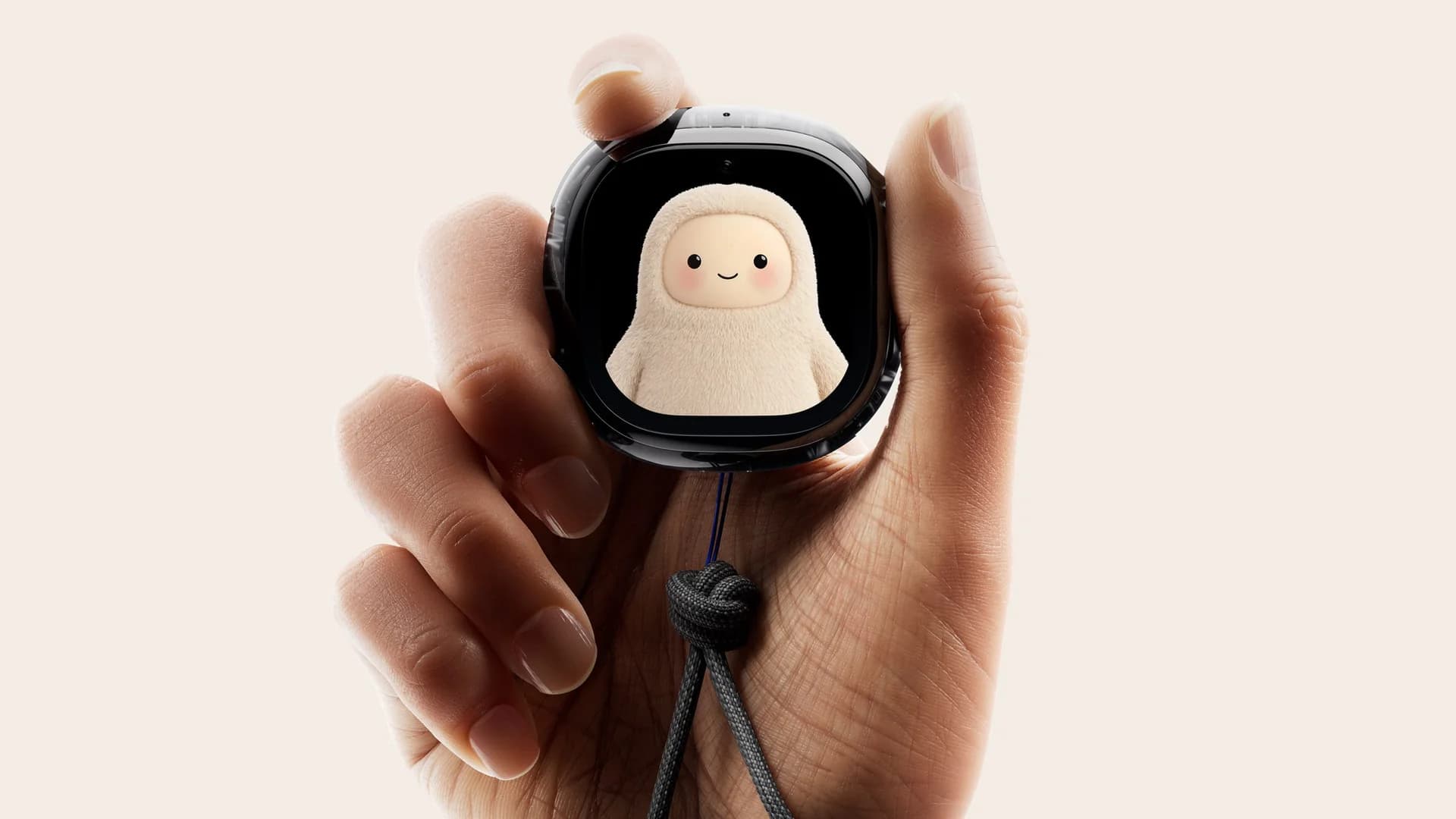
Charm works as another entry point: a small, pocket-oriented device that lets users talk to Muse by voice. The company said more information would arrive by the end of 2026, so basic details such as price, battery life, and markets are still missing. The Muse announcement for AI glasses also leaves an open question: its real usefulness will depend on permissions and how much access each connected service grants.
Meta Glasses grows with LISA and Kylie collections
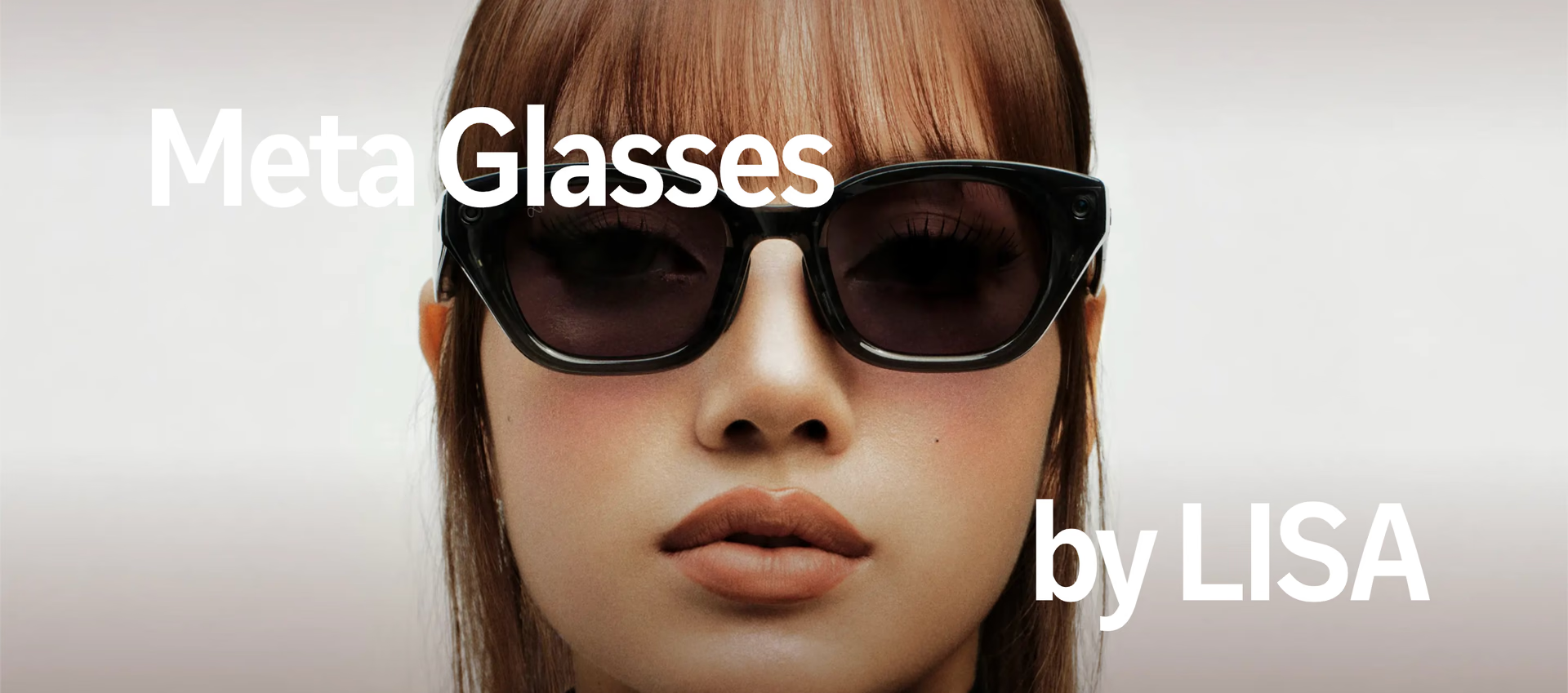
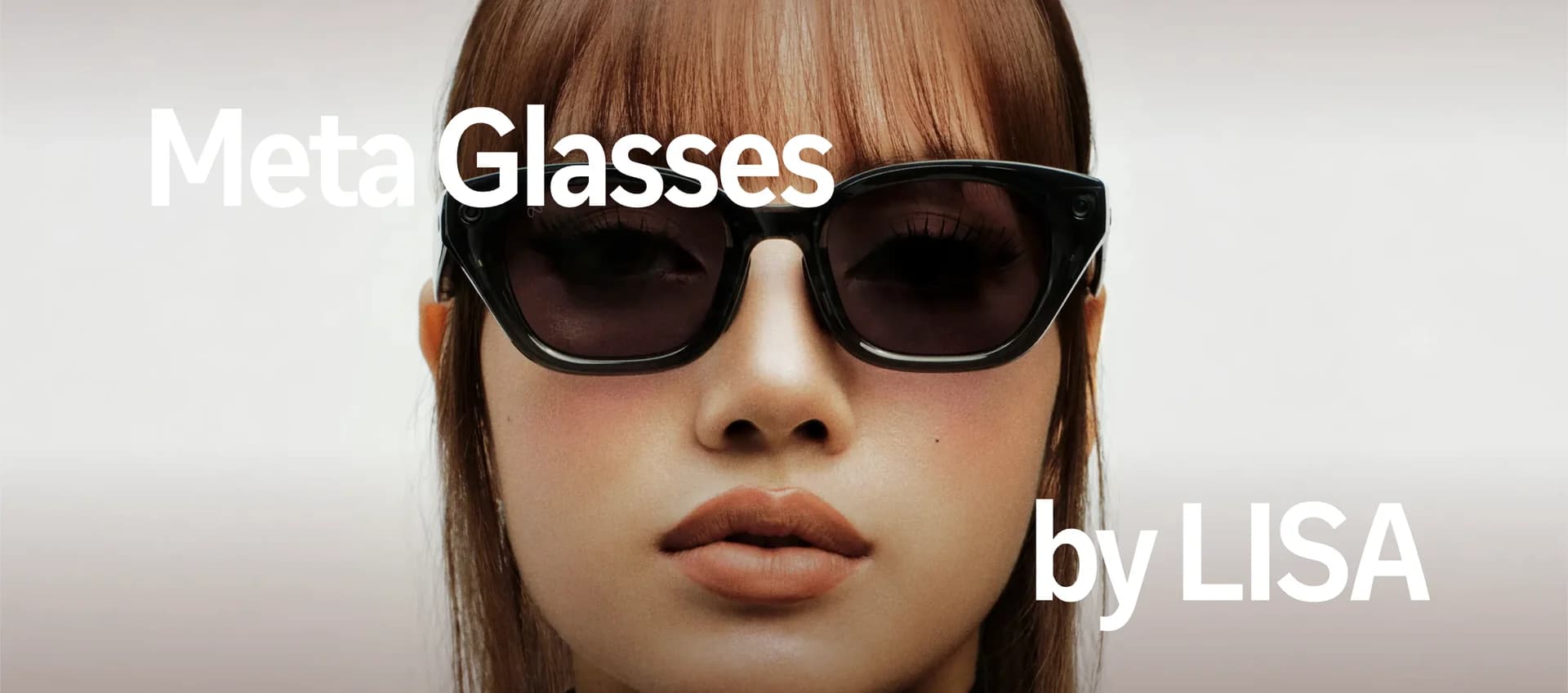
The Meta Glasses by LISA collection combines two designs, Adventurer and Capri, with artist-inspired details, exclusive cases, charms, and digital photocards. It starts at US$399 and uses the same 3K camera platform, open-ear audio, six microphones, and Meta AI as other models from the brand. It is a fashion edition, not a different technical generation.
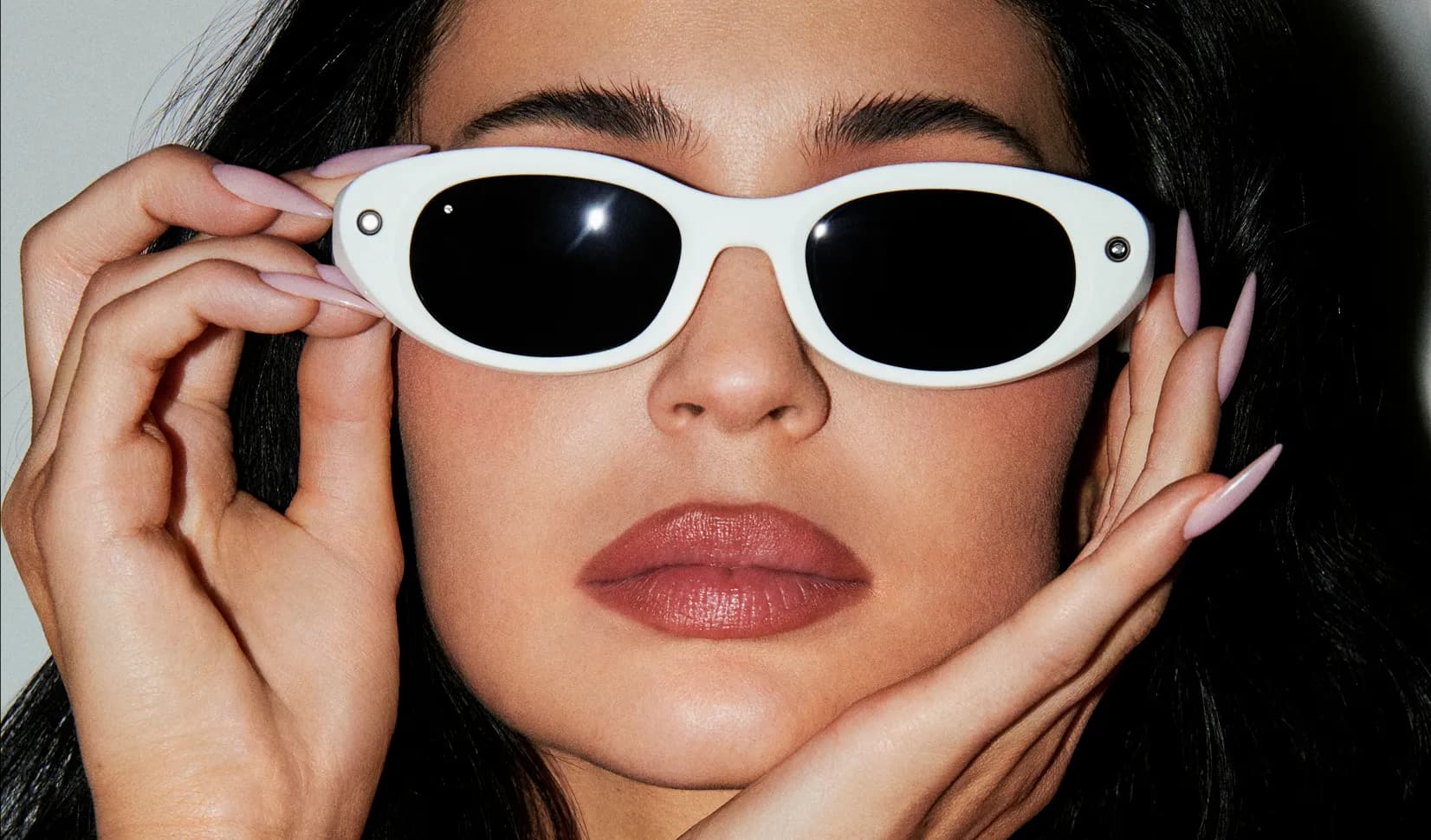
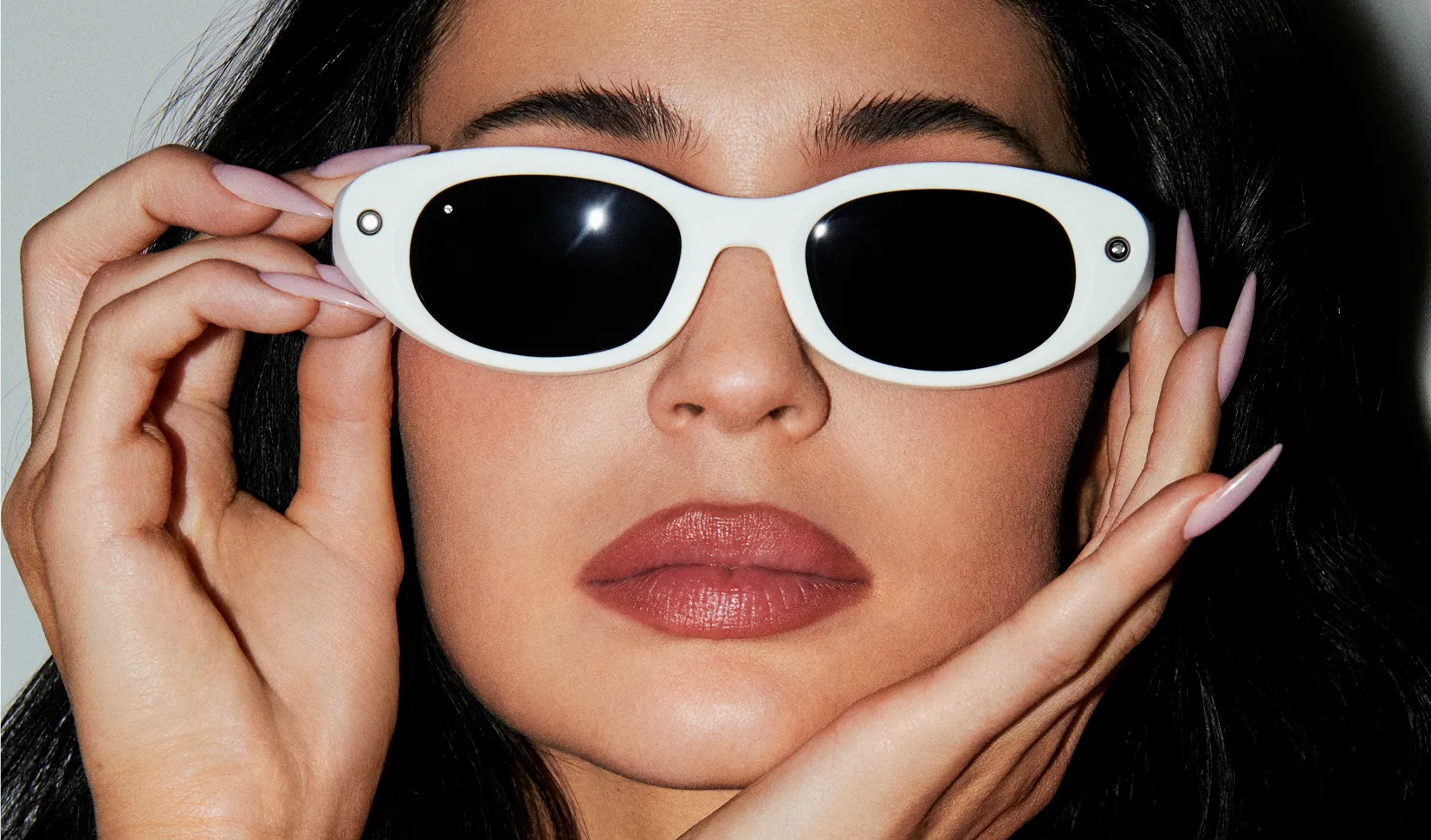
The new Ivory color for Meta Glasses by Kylie expands the Starfire frame introduced in June 2026. It keeps the oval design, camera, audio, and up to eight hours of battery life, with up to 40 additional hours through the case. Its price remains US$399.
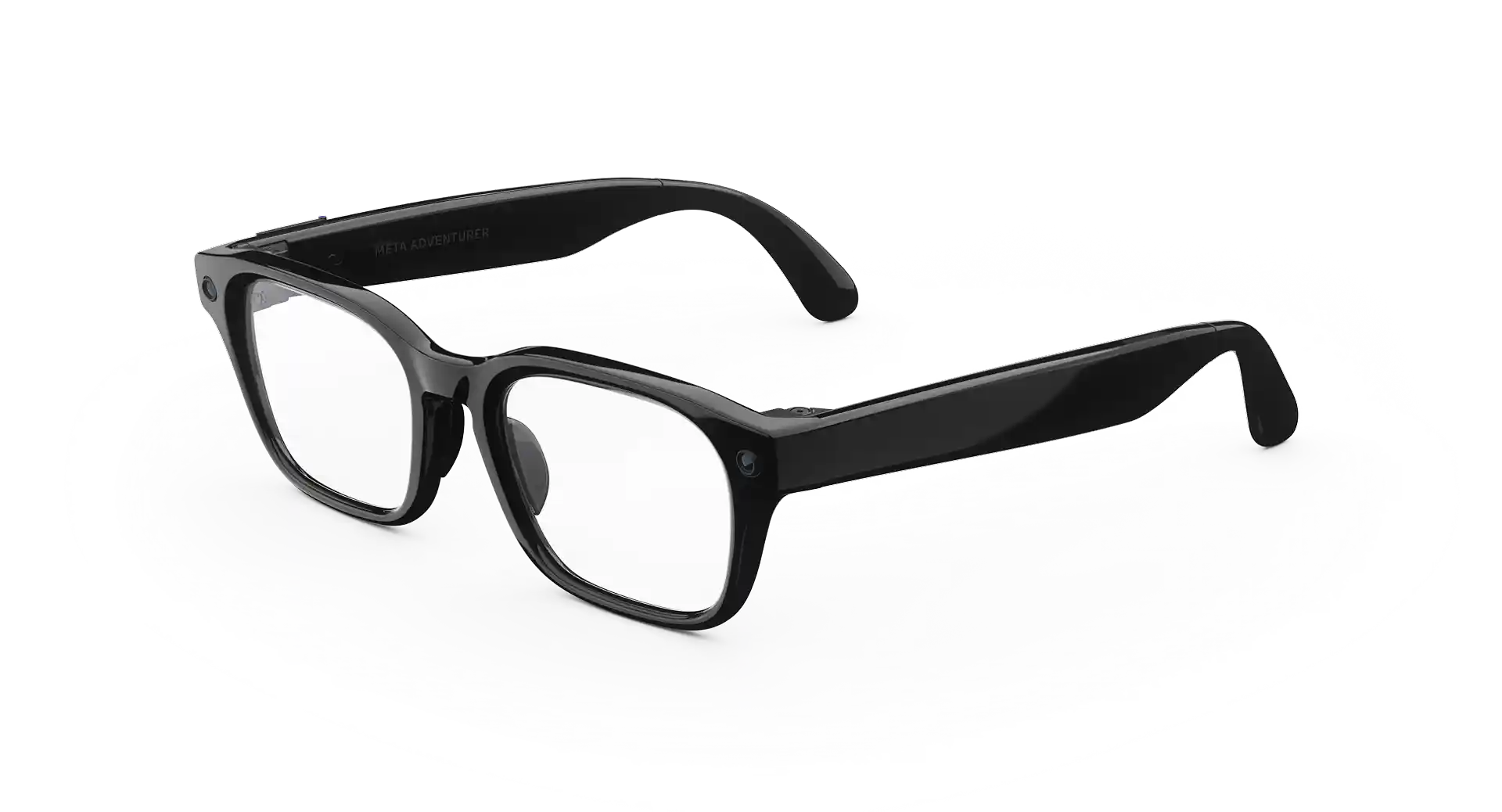
Meta completed the lineup with Adventurer starting at US$249, the new Capri and Nova shapes, a limited-edition Fury, and the Mix & Match program for combining frame, lenses, and case in the United States. The AI glasses lineup presentation points to more than 100 options by the end of 2026.
Meta Ray-Ban Display matures with new software
The Meta Ray-Ban Display update does not replace the hardware launched in 2025. It adds biking and public transit directions in the United States and Canada, landmark-based pedestrian navigation, and early access to Hologram in WhatsApp. Hologram creates a photorealistic representation of the user so the other person can see their face and expressions during a call.
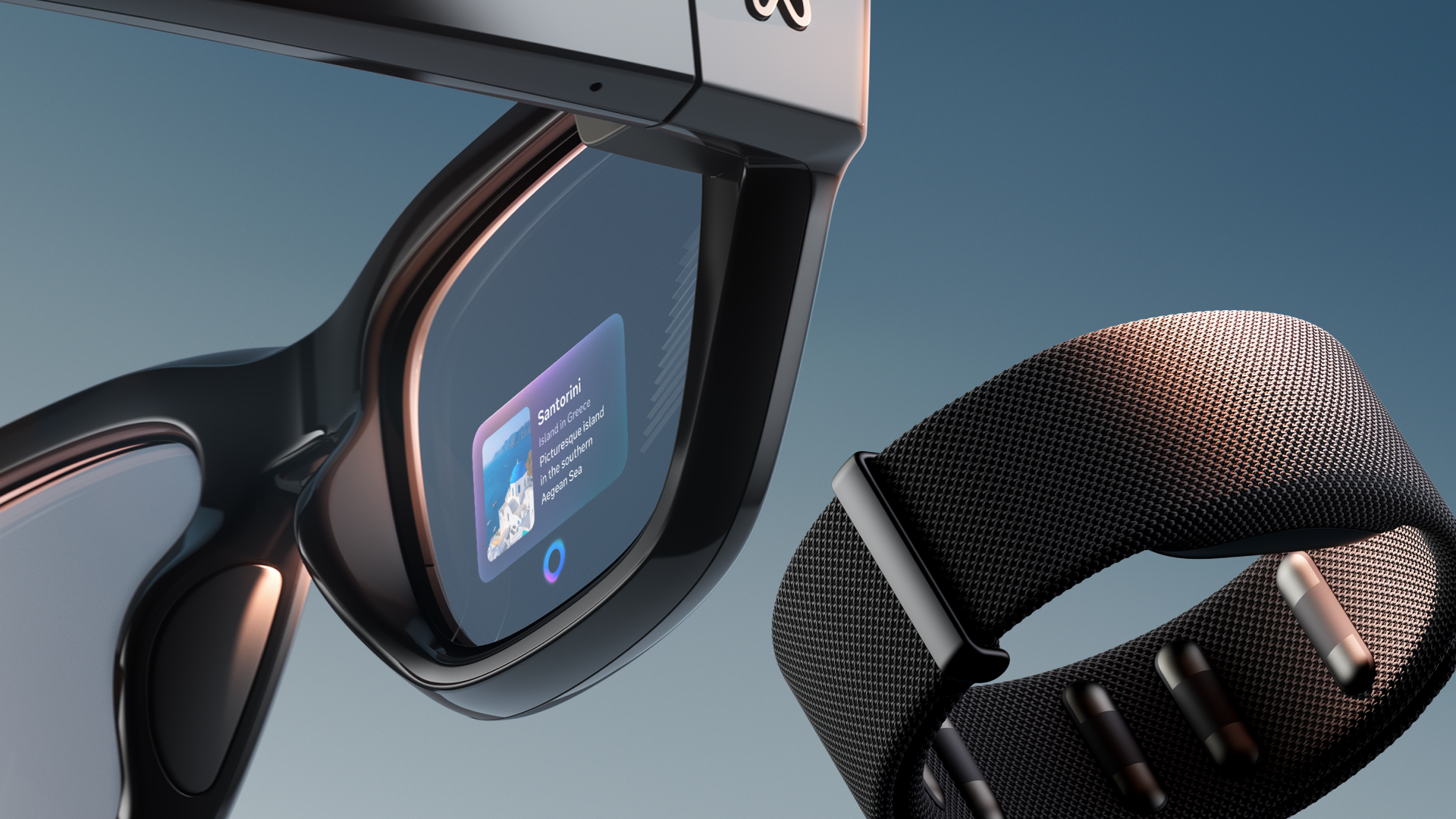
Also arriving are an Explore app, Dolby Atmos capture, calendar, mirrored notifications, and community feeds from Threads. Meta enabled online orders and expanded availability: the glasses went on sale in Canada and the United Kingdom, while France, Italy, and Germany opened preorders for October 13. These are signs of commercial maturation, not the debut of a new generation.
Shared features: hearing, Dolby Atmos, and accessibility
Several new features do not belong to a single model. Hearing Enhancement is an FDA-authorized software feature for adults over 18 who perceive mild or moderate hearing loss. It will launch in the United States at the end of 2026 for US$149.99 or through a Meta One subscription, as long as the glasses are compatible.
There will also be audio balance, mono output, guided workouts for running and cycling, nutrition tracking, shopping assistance, and configurable gestures. Dolby Atmos video capture aims to preserve 360-degree spatial sound with no additional setup. These are improvements that extend existing models and reduce the need to buy new hardware to get useful features.
Games and Beat Saber Flux, in brief
Beat Saber will receive its biggest visual update in nearly a decade in spring 2027. Flux mode uses high-precision hand tracking: hands become weapons and can channel energy to cut notes and build up Jolt Energy. It will come to both Meta VR Glasses and Quest.

The catalog announced for Meta VR Glasses and Quest includes Cardmada, Dice Throne Digital, Dragon Grove, Phoenix Wright: Ace Attorney – Dual Destinies, Supernatural, Tetris Effect: Mixed Realities, and Two Point Hospital. Quest compatibility is key: Meta is trying to make sure the new form factor launches with a library, not as an isolated platform.
What Meta did not introduce at Connect 2026
Connect 2026 did not introduce a new generation of Oakley Meta Vanguard or HSTN. Both models were already part of the catalog. The reference to more than 100 glasses and new markets does not amount to a launch. There was also no price or exact date for Muse Charm, and several software features remained subject to regional rollouts, compatibility, and third-party agreements.
The central announcement, therefore, was not a single pair of glasses, but the organization of cameras, audio, virtual reality, and accessories around Muse. If the agent maintains context across devices, the ecosystem will be the real breakthrough. If not, Connect 2026 will remain an ambitious collection of products that still work better separately.
Author
Alexis PaezReport based on official announcements and verified public sources at the time of publishing.
Comments
Share article
You might also like
Meta Ray-Ban Display adds Hologram, navigation, and online ordering
Meta Ray-Ban Display adds Hologram, bicycle and public transit navigation, Explore, Dolby Atmos, and online sales in new markets.
Muse comes to Meta's glasses and debuts Charm: the agent leaves the screen
Muse will come to Meta's glasses to complete tasks based on what the user sees. How it works, privacy, and what is known about Muse Charm.
Meta Glasses by LISA: two designs, collectible charms, and US$399 price
Meta Glasses by LISA combines Adventurer and Capri with an exclusive case, charms, and photocards. Price, features, and differences in the collection.
Meta VR Glasses: 100 grams, 5K display, and a puck to take weight off your face
Meta VR Glasses weigh 100 grams, use 5K micro-OLED displays, and move the battery and compute to a puck. Price, date, and trade-offs.