HomePod mini 2: price, features, and what changes versus the previous model
Index
HomePod mini 2 expands the role of Apple’s most compact speaker: it adds S10, Sound Glow, a new audio mode for Mac, and surround sound with four units. It costs US$149 and arrives on October 30, 2026. The price jump makes more sense when you take advantage of those connections than when you only want background music.

Apple introduced it as part of the Welcome Home 2026 home refresh. The buying decision depends on which devices you already have, where you plan to use it, and which features are available when you set it up.
HomePod mini 2: what changes versus the previous model
The original HomePod mini debuted in October 2020 with S5 and a US$99 price. It already offered 360-degree sound, stereo pairs, multiroom playback, and home control. The second generation keeps that foundation and adds uses that require checking compatibility.
That is an extra US$50, roughly 50.5% over the original price. The comparison is between launch prices, not current deals. Before replacing a mini that still works, it is worth identifying one of the new features you will actually use.
Design and five colors
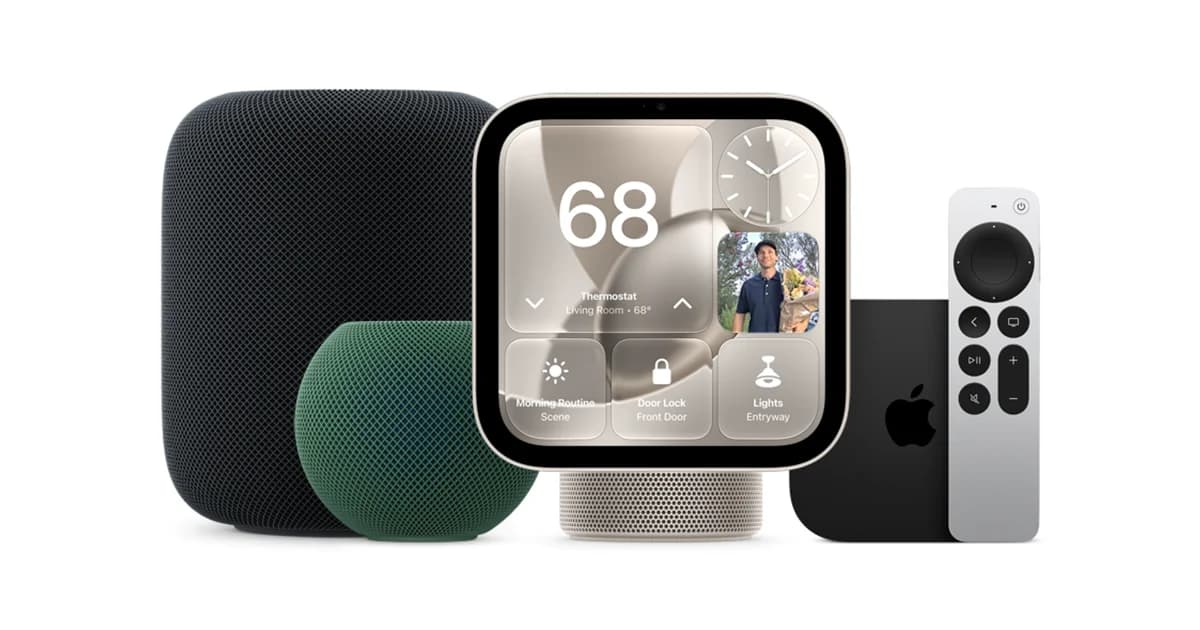
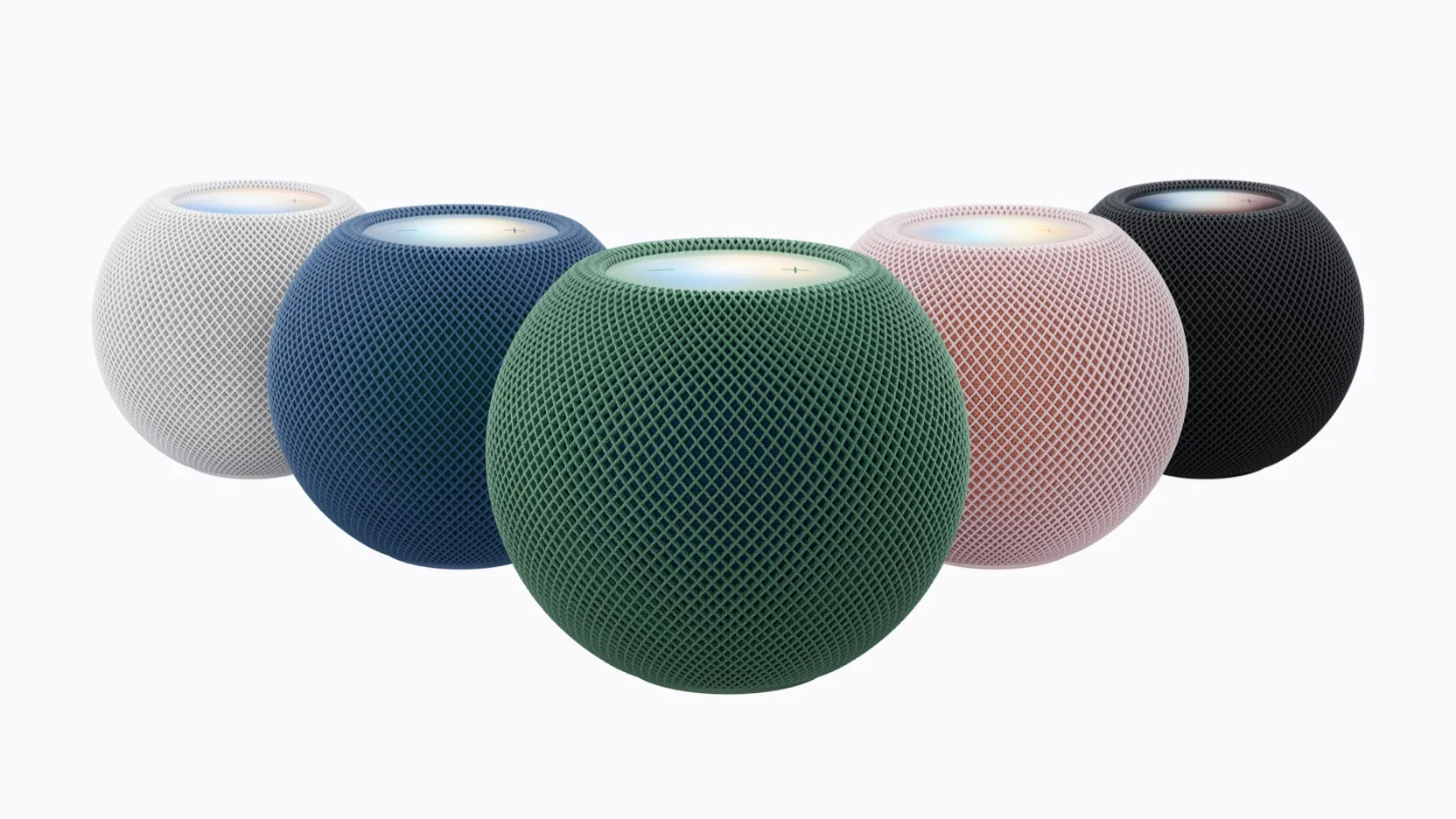
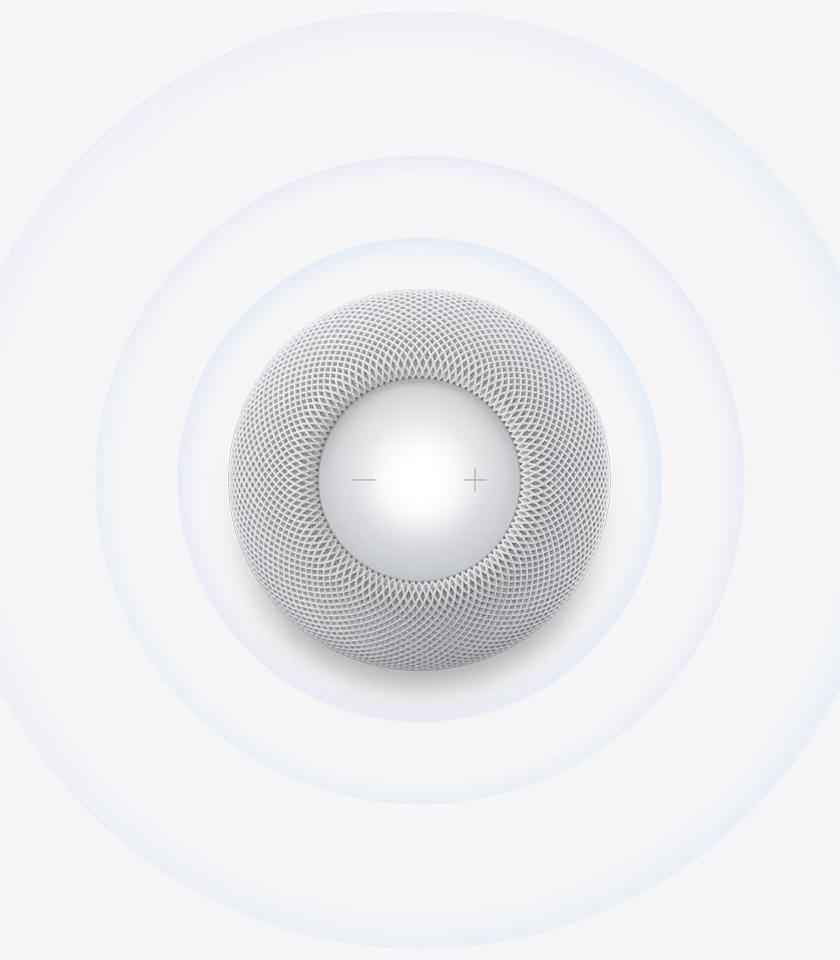
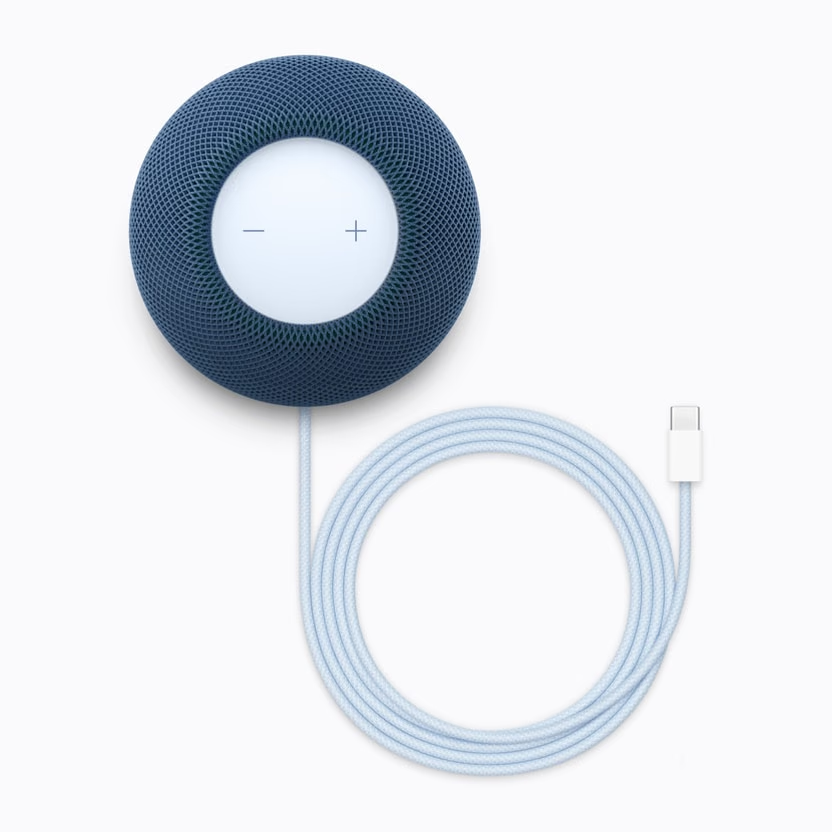
The technical specifications confirm 84.3 mm in height, 97.9 mm in width, and 335 grams. It keeps the compact form factor with a touch surface and acoustic mesh; it comes in white, pink, green, blue, and midnight.
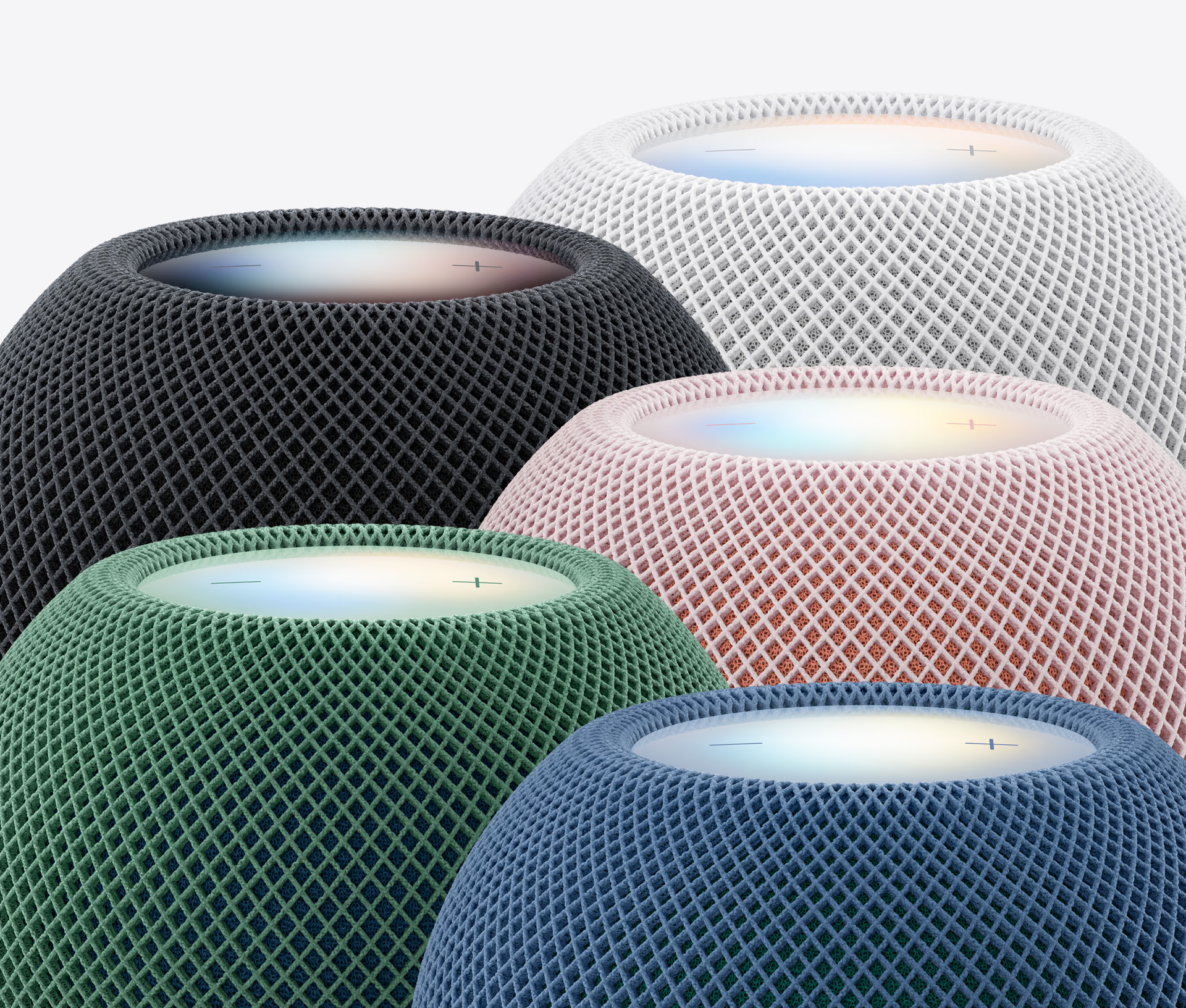
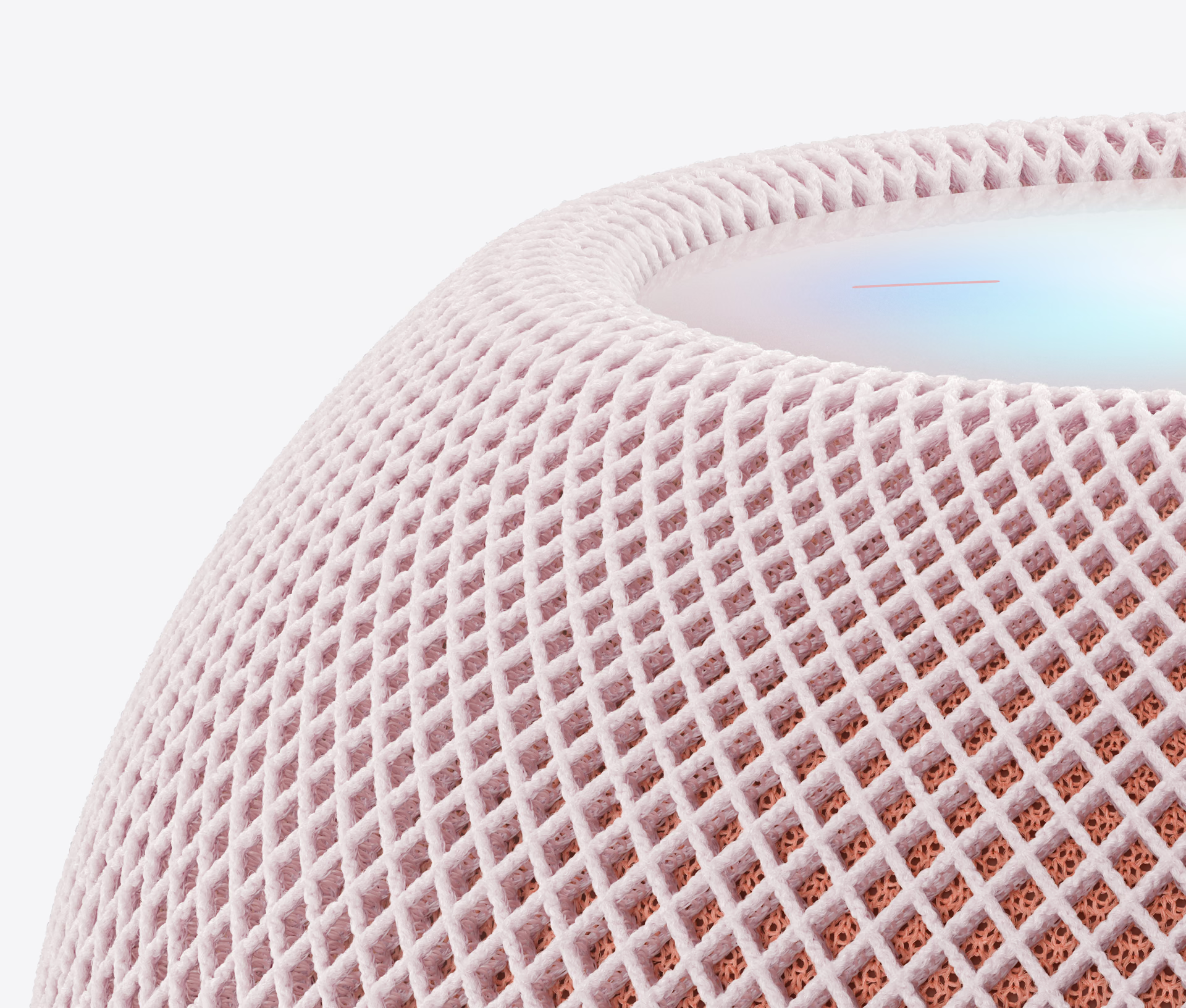
The two-tone mesh and matching cable reinforce its presence as an object on a desk or in a room. That also matters if it will remain visible, although a finish change alone does not solve an audio need.
S10, stereo, and multiroom audio
S10 uses computational audio to adjust music in real time. A full-range driver, two passive radiators, and an acoustic waveguide distribute sound around the speaker. Apple does not publish a sound improvement expressed as a percentage versus the original.
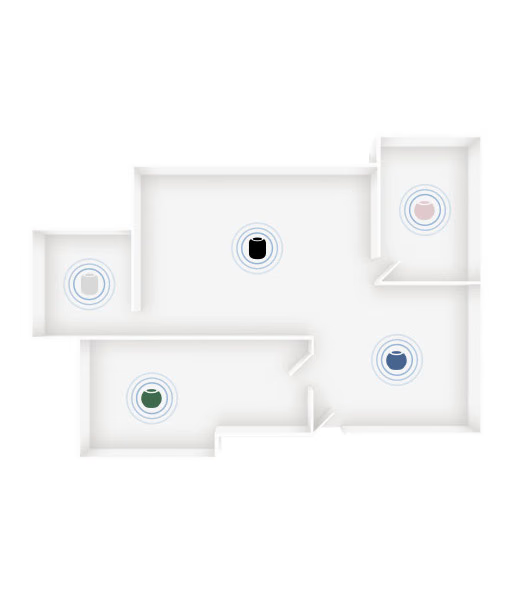
One unit works for one room; two of the same model form a stereo pair. Multiroom audio lets you distribute synchronized music throughout the house. These are different setups: covering more rooms does not automatically mean a better stereo image where you sit down to listen.
Connectivity adds Wi-Fi 6E and Bluetooth 6, along with Thread and ultra wideband. The spec sheet does not turn those connections into a quality promise: to measure bass, usable volume, or clarity against the original, listening tests are needed.
Sound Glow
The top surface generates colors tied to the album artwork and pulses that react to the music. Apple calls the feature Sound Glow in English and Iluminación sonora on its Spanish page. Soundscapes have their own animations.
It is an ambient addition that can help on a desk or nightstand. Voice control requires an iPhone compatible with Apple Intelligence and the latest software. If the speaker will stay out of sight, this new feature matters less in the decision.
Does HomePod mini 2 work as a Mac speaker?
Yes: the new mode supports one unit or a stereo pair as the audio output on Mac computers with Wi-Fi 6E or later. Apple positions it for movies, games, and video calls. Having Apple Silicon does not confirm compatibility on its own; the stated requirement is the Mac’s connectivity.

Two units cost US$298. The setup is more interesting if you also want Siri and Home control on the desk. For audio editing or latency-sensitive games, it is worth waiting for measurements of that connection before replacing speakers that already do the job.
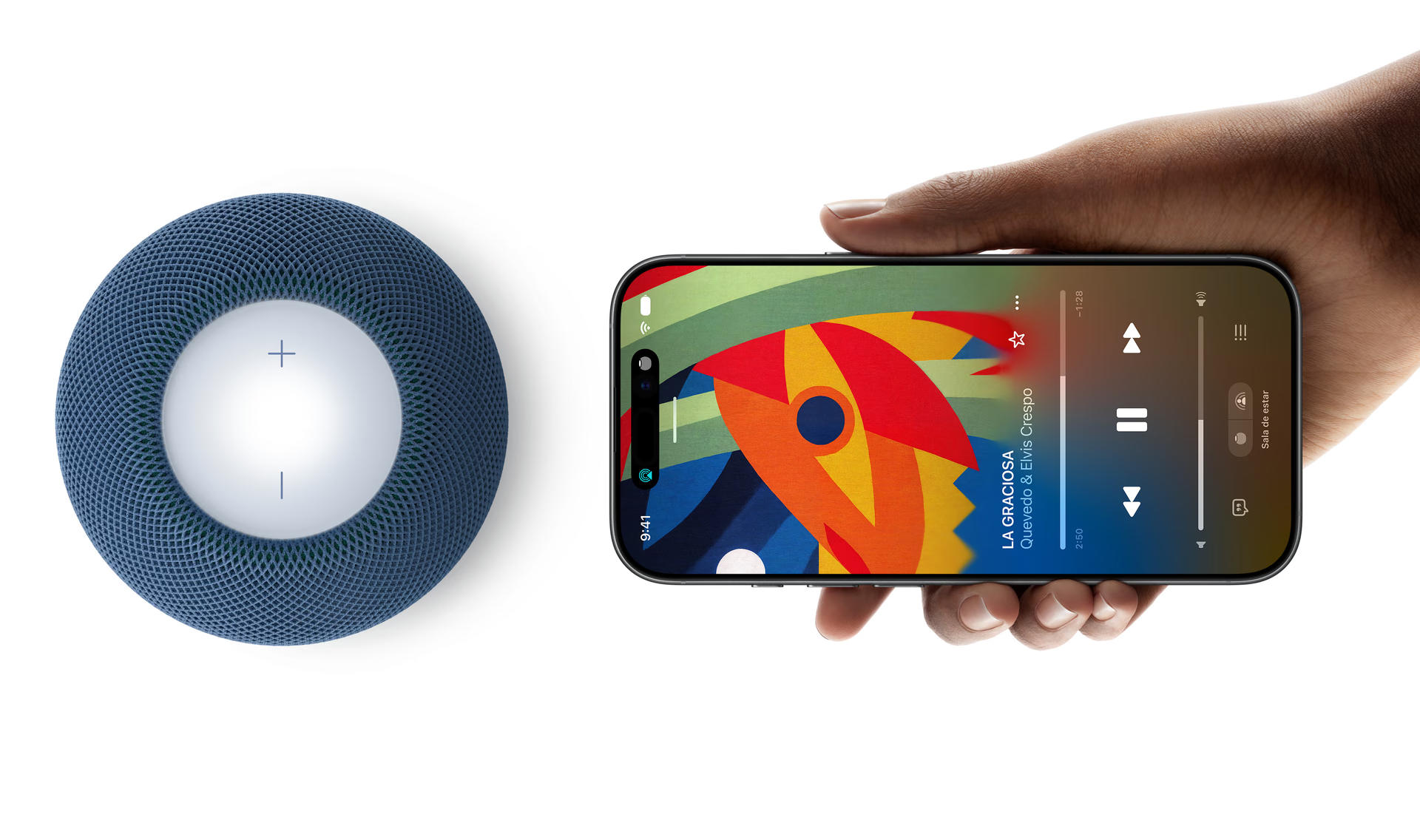
Handoff lets you transfer listening between iPhone and HomePod by bringing the devices close together. The official product walkthrough distinguishes that continuity from the new output mode for Mac: one moves the content; the other integrates the speaker into the desktop.
Four HomePods for surround sound
The new system requires a fourth-generation Apple TV 4K and four HomePod mini 2 or second-generation HomePod speakers. Each front and rear pair must use matching models. You can combine a pair of full-size HomePods in front with mini 2 units in the rear.
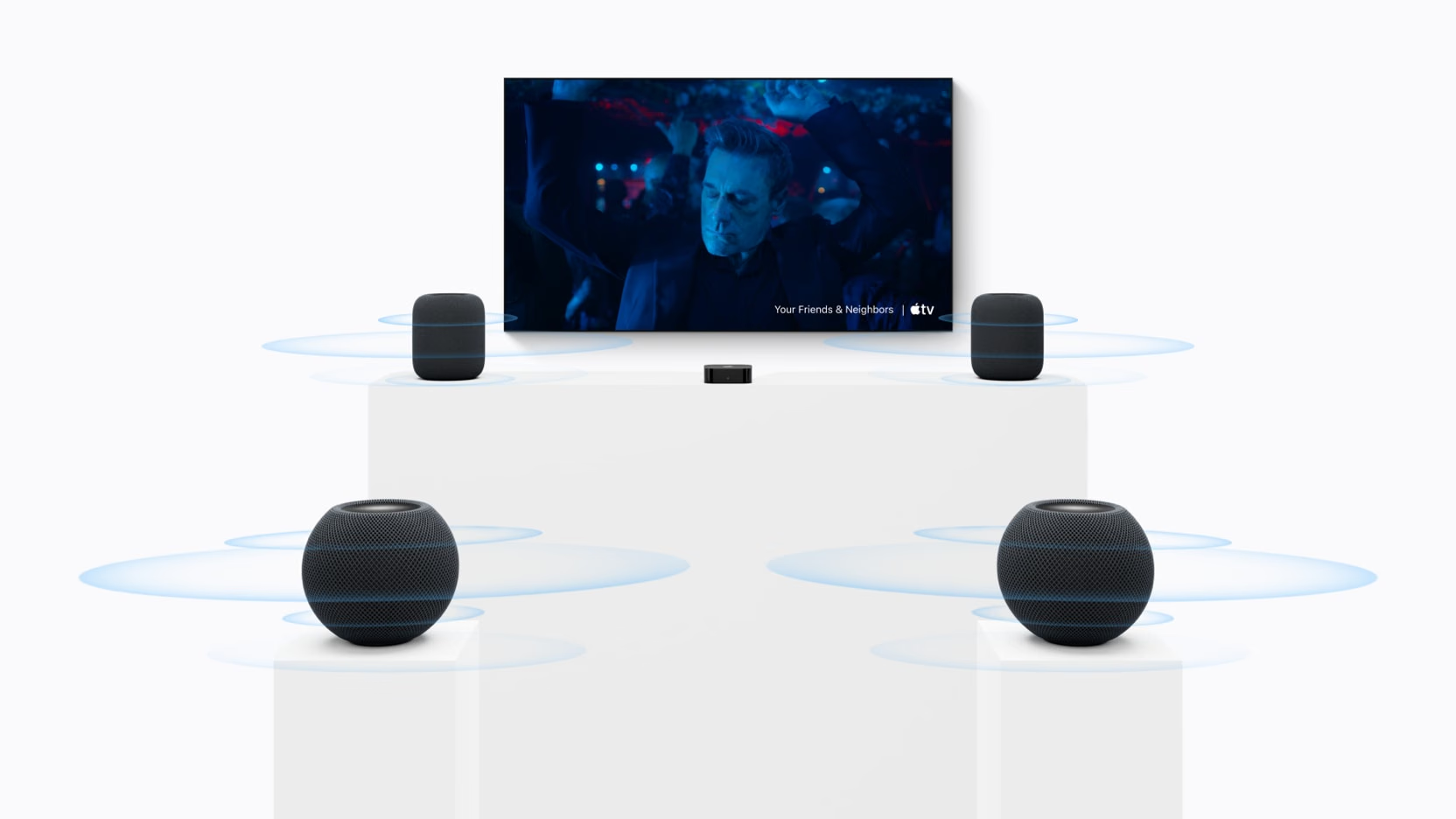
Apple announces automatic level calibration and synchronization based on position in the room. Four mini 2 units add up to US$596; with the US$299 Apple TV, the setup starts at US$895. That is the hardware cost, before taxes or services.
If you already have two second-generation HomePods, reusing them changes the math. If you are starting from scratch, evaluate the space, four power points, and the audio system you could buy for that budget.
Home, sensors, and Sound Recognition
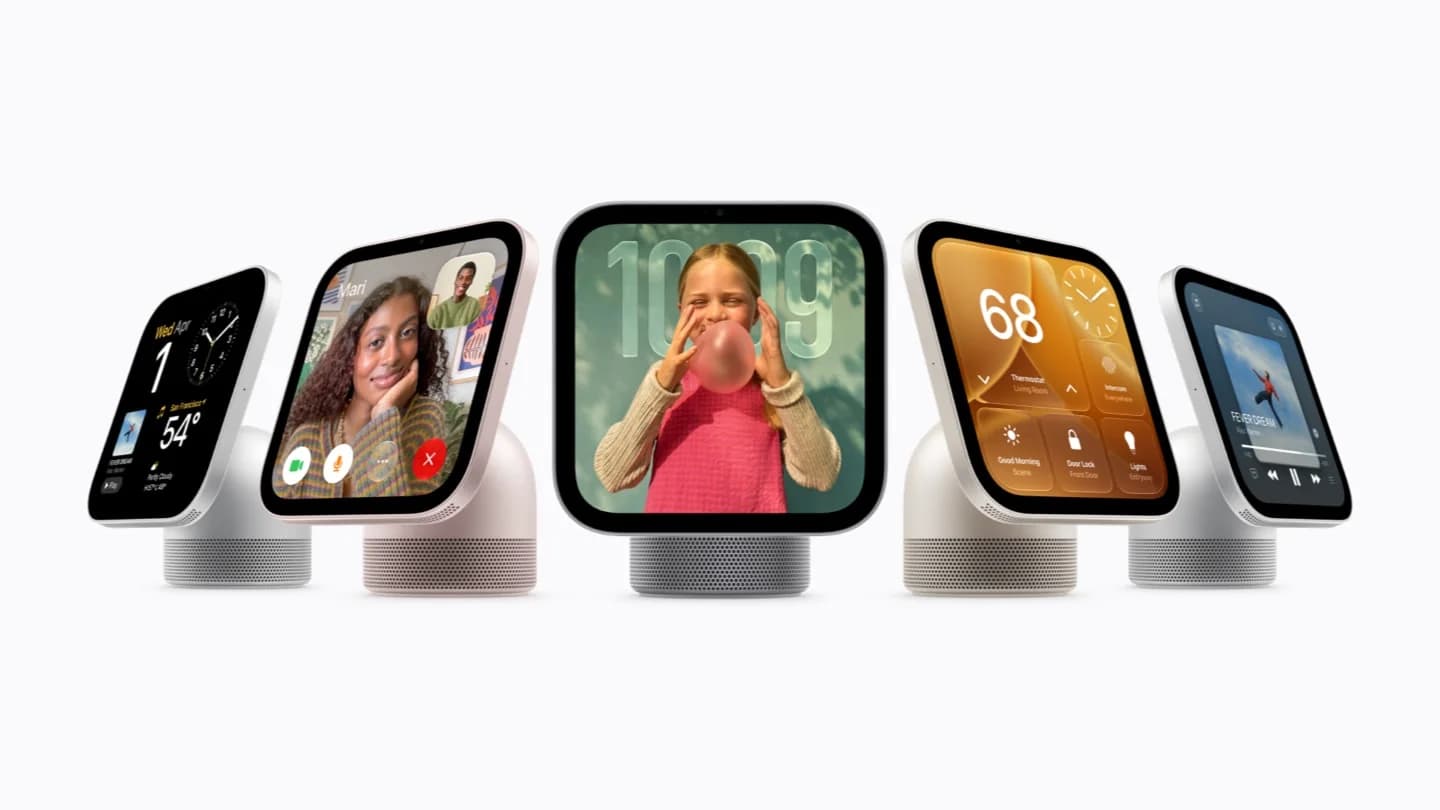
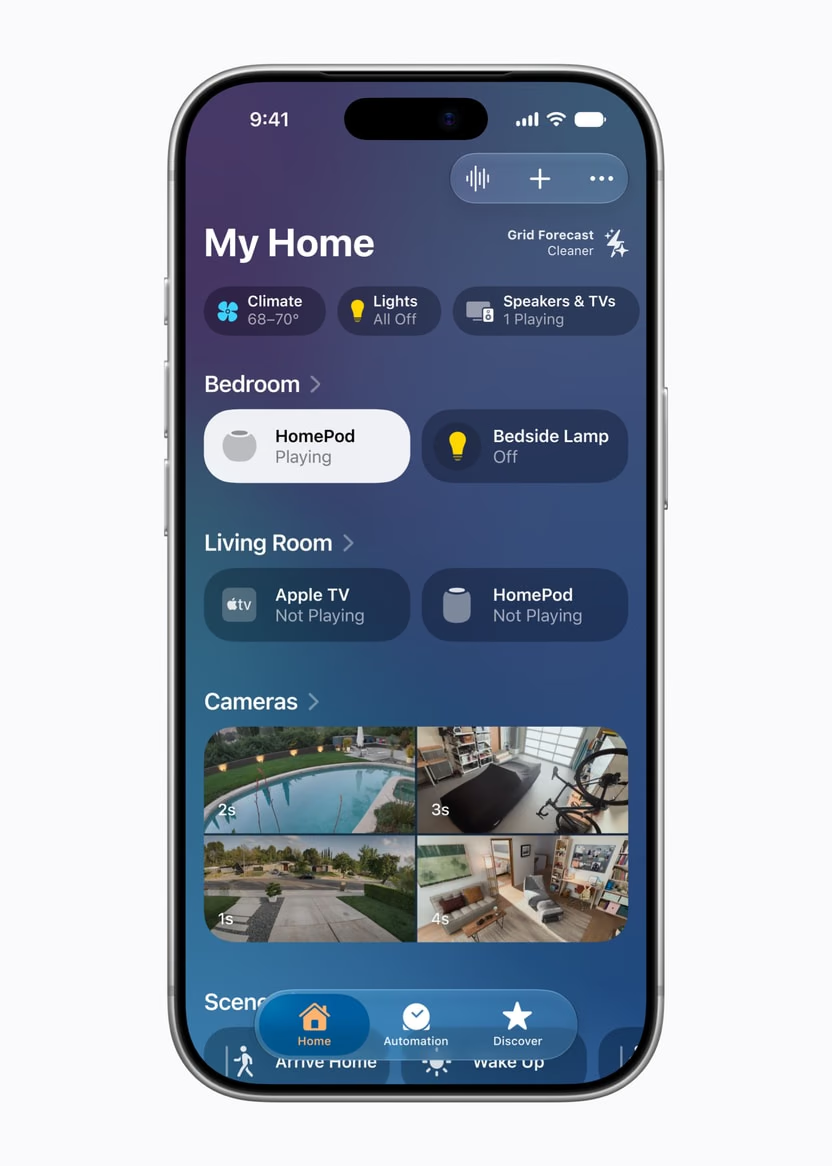
HomePod mini 2 works as a home hub for automations and remote access. Its temperature and humidity sensors provide readings to Home, and Thread allows compatible accessories to connect. The integration does not require replacing devices that already work in your home.
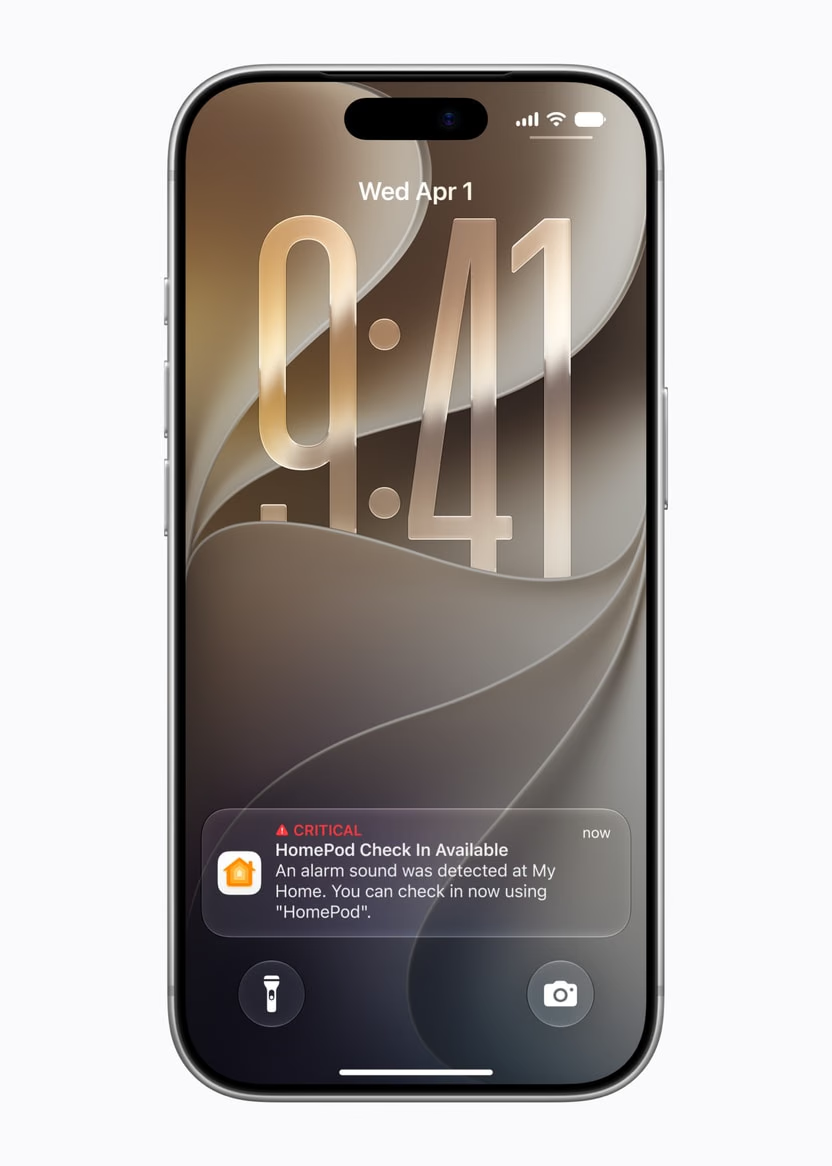
Sound Recognition can notify iPhone, iPad, and Apple Watch when it detects a smoke or carbon monoxide alarm. It complements installed detectors; it does not replace a safety system. It requires the updated Home architecture and devices with compatible software.
Siri AI and availability
Siri AI will arrive through a future update, initially in English in selected markets. The home owner needs an iPhone or iPad compatible with Apple Intelligence to enable it; requests with personal context also depend on a linked compatible device.
The Siri AI features explain what the assistant adds. The HomePod’s language has its own timeline: speaker availability does not ensure that all voice features are ready in the language you use.
According to the Apple announcement, pre-orders began on October 13, 2026, and in-store sales start on October 30. It includes a 20 W adapter and requires power.
Apple states recycled materials in magnets and specific boards, plus fiber-based packaging. Those proportions describe specific components; they do not mean the entire product is recycled.
Who should buy HomePod mini 2
Choose it if you need an Apple Home hub with music, an output for a compatible Mac, or to complete a four-speaker system. Its value increases when it handles two tasks in the same place.
If you already have a mini for music, timers, and lights, keep the device until you identify a concrete improvement. And if the reason to buy is Siri AI, wait to confirm language and requirements: a future feature does not replace a utility you can use from the initial setup.
HomePod mini 2
Compact speaker with S10, Sound Glow, and new audio configurations for Mac and home theater.
Pros
- Combines music and a home hub.
- Supports audio output for compatible Macs.
- Can be part of a four-speaker surround system.
Cons
- Requires external power.
- The new Mac mode requires Wi-Fi 6E or later.
- Siri AI will arrive through an update and will start in English.
Author
Alexis PaezReport based on official announcements and verified public sources at the time of publishing.