Pixel 11: 30x zoom and fast wireless charging come to the base model, but it misses out on HiLight

Index
The Pixel 11 is the entry-level model in the 2026 generation and the one that changes the most compared with its predecessor. It costs $899, starts at 256 GB, and inherits two things Google had previously reserved for the Pro models: the 5x telephoto with 30x Super Zoom and fast wireless charging. What it does not inherit is HiLight, the ring of lights that grabbed all the headlines at the event.
What the Pixel 11 is and where it fits
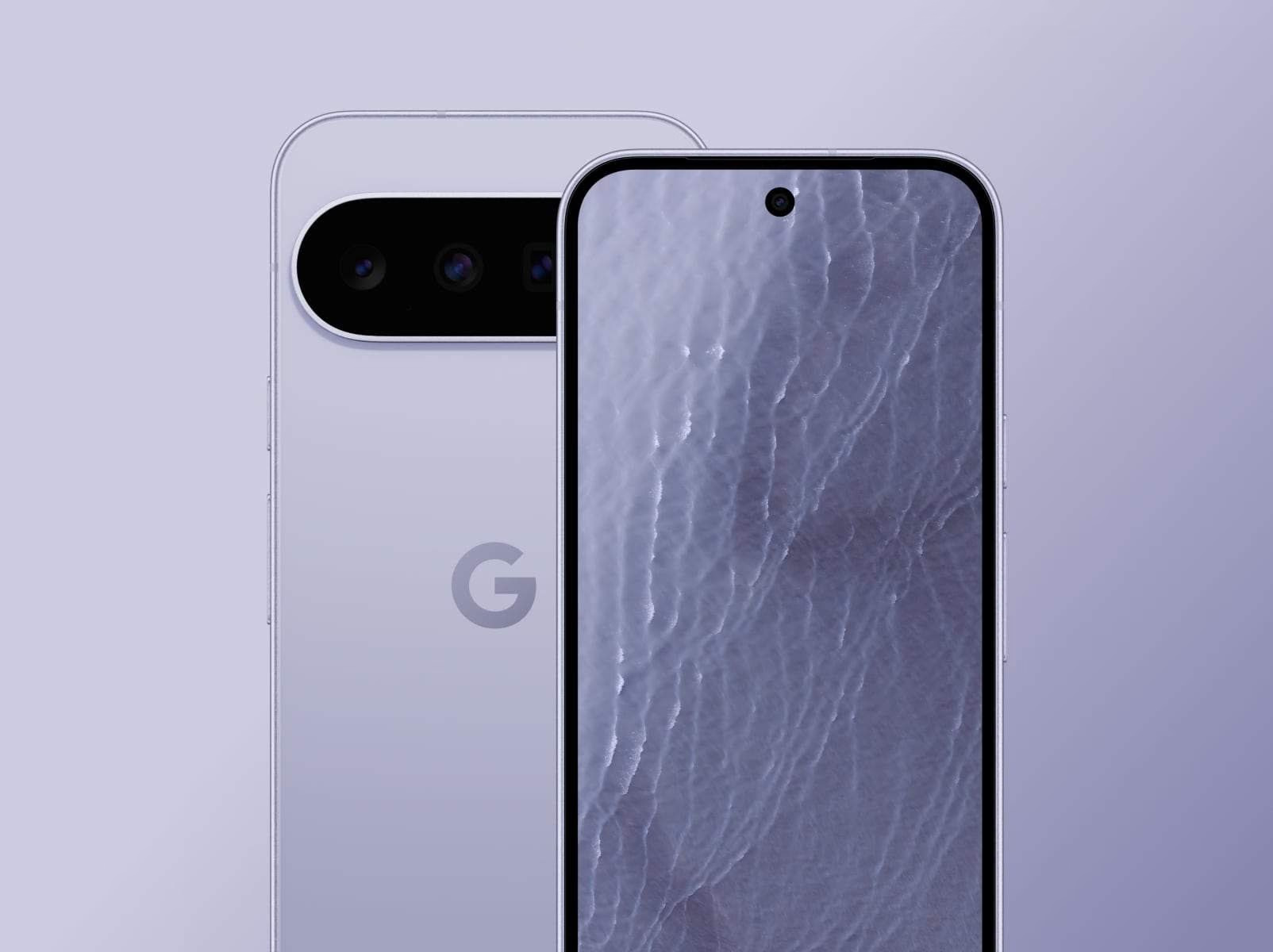
It is the phone that opens the lineup, below the Pixel 11 Pro and Pro XL. It shares the Tensor G6 and the Titan M3 security chip with them, but differs in its camera system, display, and some connectivity and cooling details.
Compared with the Pixel 10, it goes up by $100, although the storage floor moves from 128 to 256 GB and a 512 GB version appears. Measured by gigabyte, the increase is diluted; measured by entry price, it is real.
Design and colors
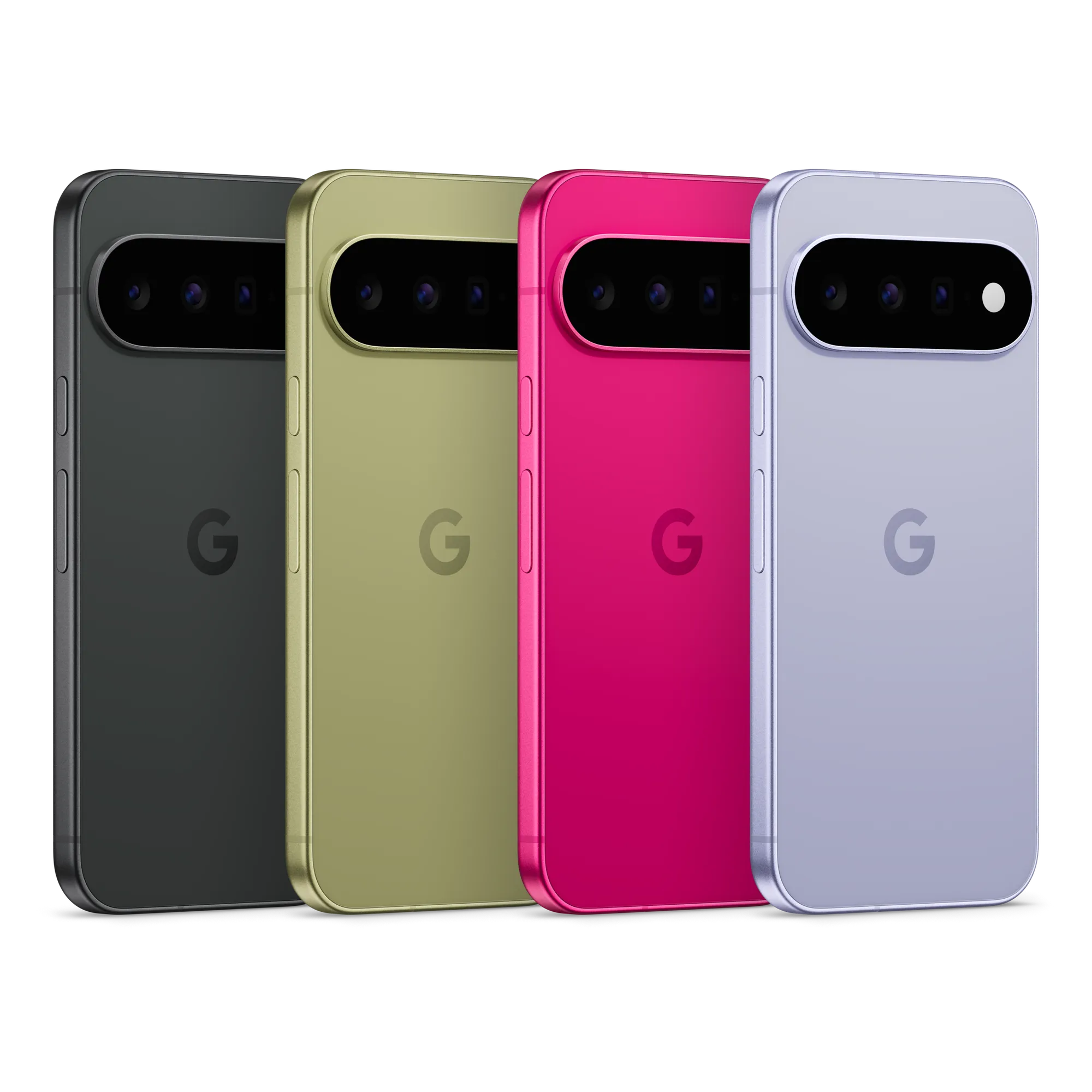
The camera bar is now made entirely of glass, 40% thinner, and has considerably less protrusion than before, enough for the phone to wobble less when resting on a table. The back is polished Gorilla Glass Victus 2 over a satin aluminum frame, with IP68 certification.
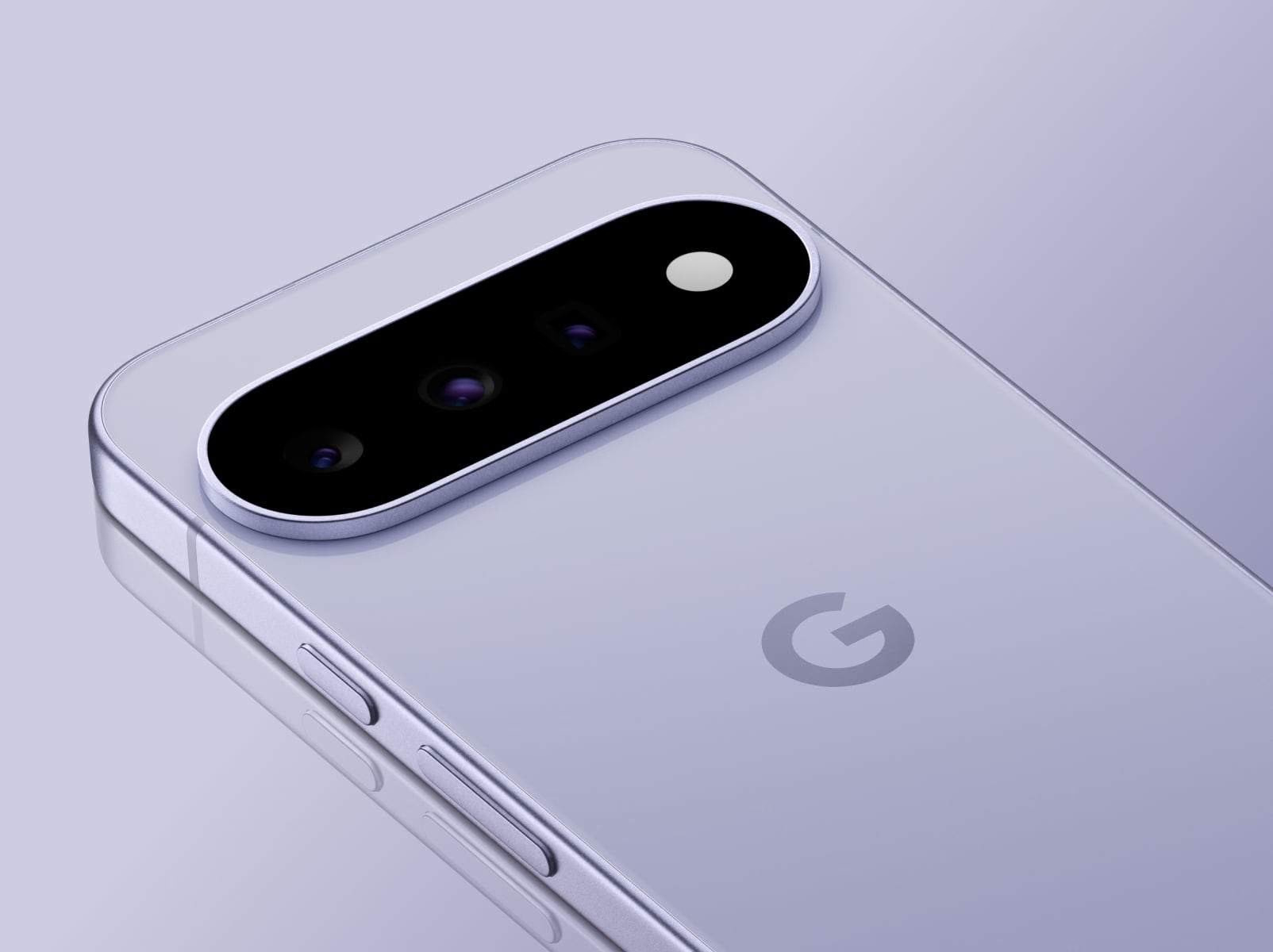
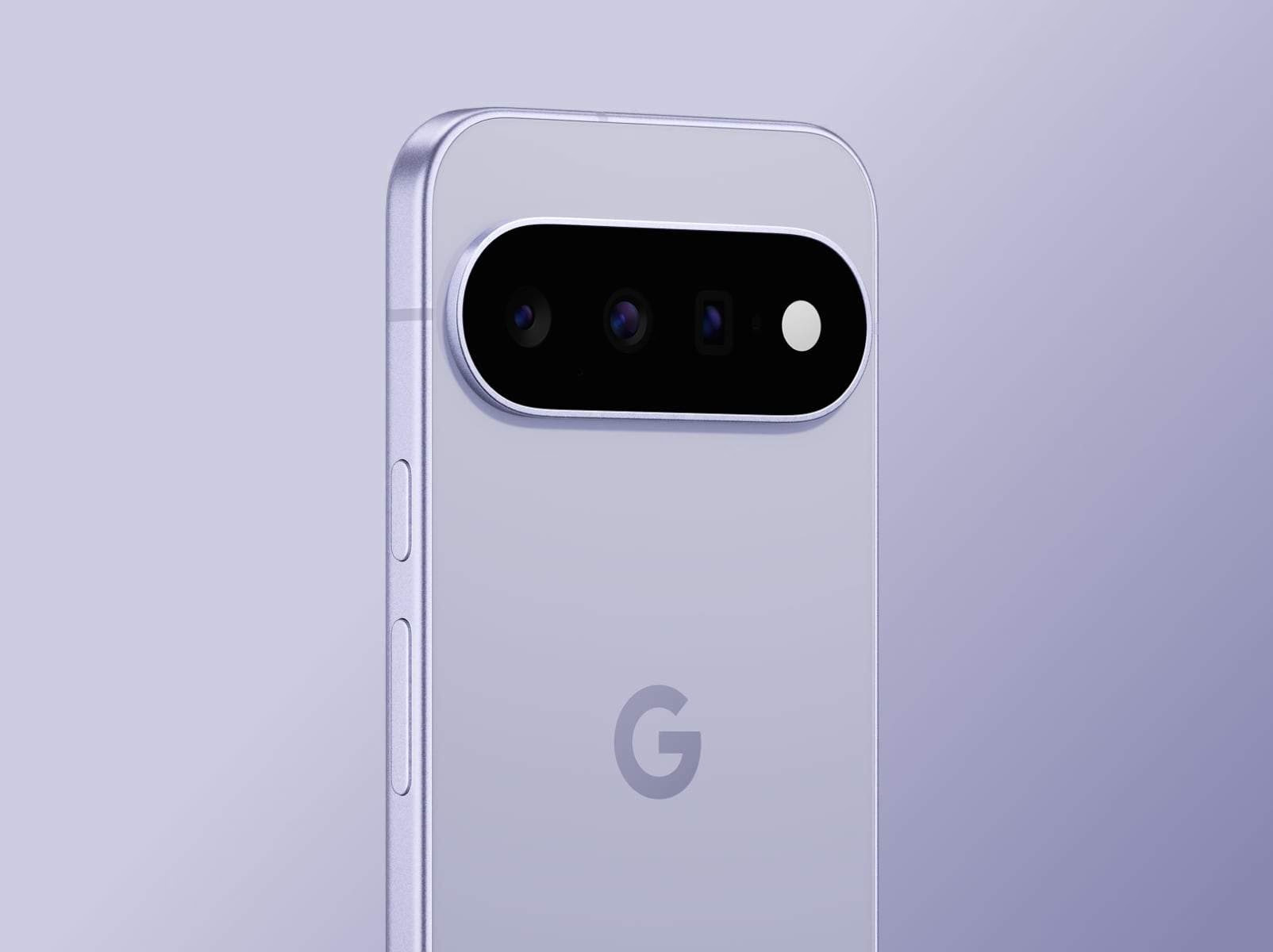
There are four colors: Frost, Obsidian, Hibiscus, and Pistachio. It weighs 197 grams and is 8.6 millimeters thick.
Display
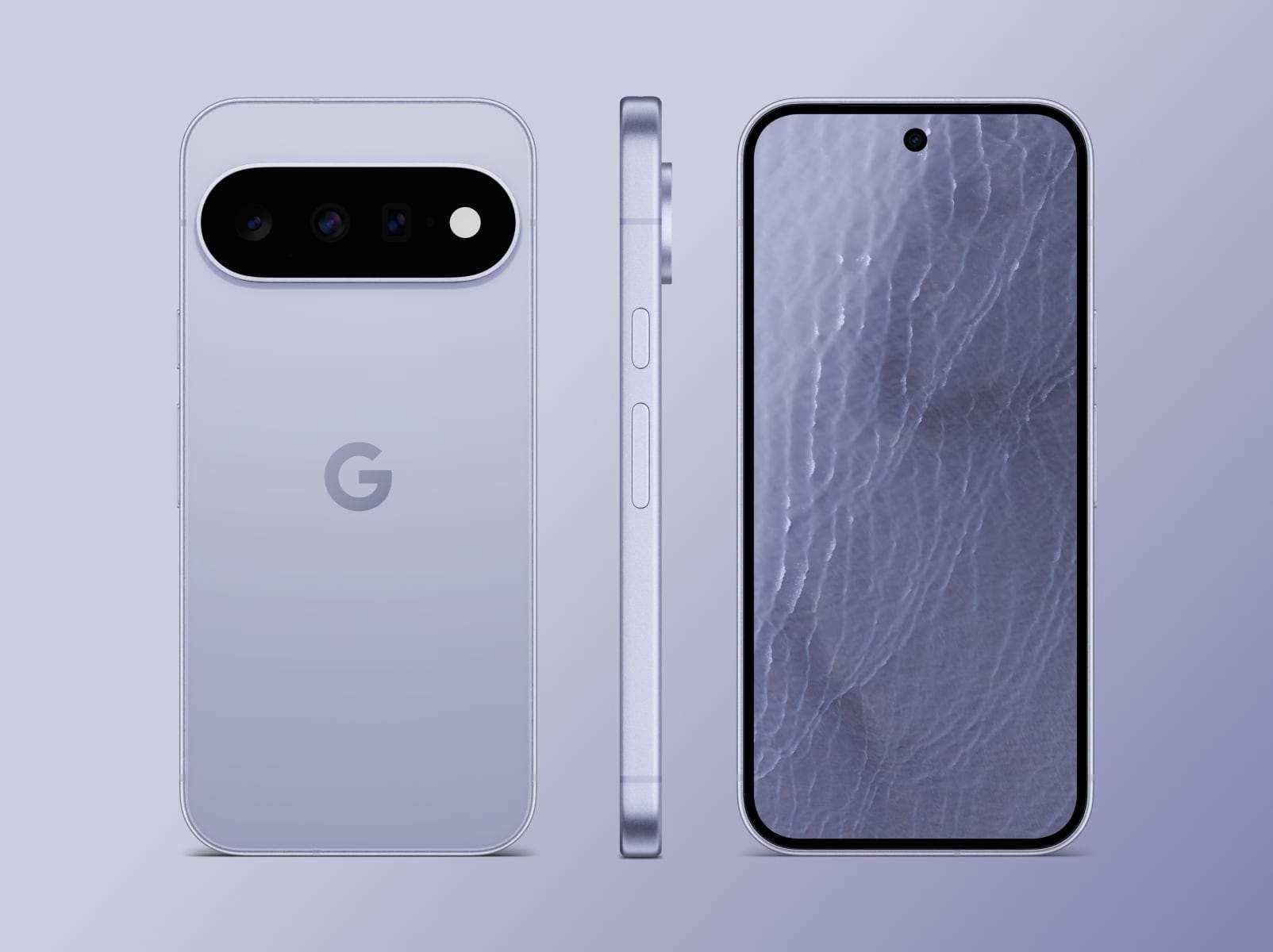
The 6.3-inch Actua OLED reaches 2,000 nits in HDR content and 3,000 nits peak brightness, with Gorilla Glass Victus 2 on top. It is the most manageable size in the lineup: the Pro has the same screen size but weighs seven grams more, while the Pro XL goes up to 6.8 inches.
Cameras: 30x zoom moves down the lineup
This is the news. The 48 MP main sensor is larger and captures 56% more light, and the 10.8 MP telephoto with 5x optical zoom is joined by the 30x Super Zoom that used to be exclusive to the Pro models. The system is completed by a 13 MP ultrawide and a 10.5 MP front camera with autofocus.
There is a detail worth knowing: the ultrawide and telephoto reuse the Pixel 10 hardware. What changed is the processing, which now runs on the Tensor G6. On the software side, Magic Capture arrives, recording video and extracting full-resolution photos from key moments, along with Camera Looks, the color styles that preserve real skin tone.
Tensor G6 and on-device AI
The chip runs Gemini Nano 4 on a TPU with 50% more compute, which Google translates into local AI tasks that are up to 3.5 times faster while using 3.5 times less energy. In everyday use, the figures are more modest: 15% faster app launches and 25% faster browsing. The Titan M3 adds protection against quantum computing attacks.
Battery and charging
The battery is 4,985 mAh, the largest of the three non-foldable phones, with more than 30 hours of claimed battery life. Wired charging reaches 55% in about 30 minutes with a 30W USB-C PPS charger, sold separately.
The real jump is in wireless charging: it goes from 15W to Qi2.2’s 25W, making it 60% faster. It is the same magnetic standard used by the Pixelsnap ecosystem, so docks and stands are shared with the rest of the lineup.
What is the Pixel 11 missing compared with the Pro models?
Four specific things. It does not have HiLight, the LED ring for notifications. It stays on Wi-Fi 6E while the Pro models move up to Wi-Fi 7. It does not include the vapor chamber Google added to the Pro models to dissipate heat. And its ultrawide and telephoto are lower resolution.
The first three matter more than they may seem in a phone sold on its local AI: cooling is what sustains performance when processing runs for longer, and that is exactly what the base model gives up.
Price and availability
It starts at $899 for the 256 GB version, with preorders open from August 12 and store availability on August 20. The purchase includes six months of Google AI Pro. The official spec sheet also confirms the 512 GB variant and seven years of system and security updates.
Conclusion
The Pixel 11 is the model that best sums up the generation: it gains where the average user notices it — zoom, light, wireless charging, storage — and gives up where marketing does not reach. Bringing the 5x telephoto down to the entry-level model matters more than any ring of lights, because it changes what you can photograph.
If you are coming from a Pixel 9 or a mid-range phone, it is the most sensible purchase in the lineup: the $400 difference with the Pro XL buys better cameras and cooling, not a different phone. If you have a Pixel 10, the only strong argument is the zoom, and that is not enough to upgrade after one year.
Pixel 11
The entry-level model of the 2026 generation, with Tensor G6, a 5x telephoto, and 25W wireless charging for $899.
Pros
- It inherits the Pro models’ 5x telephoto and 30x Super Zoom.
- The main sensor captures 56% more light than the previous one.
- Wireless charging increases from 15W to 25W with Qi2.2.
- Seven years of system and security updates.
- Entry-level storage moves up to 256 GB.
Cons
- It costs $100 more than the Pixel 10.
- The ultrawide and telephoto reuse the previous hardware.
- It does not have HiLight or a vapor chamber to dissipate heat.
- It stays on Wi-Fi 6E while the Pro models move up to Wi-Fi 7.
Author
Alexis PaezReport based on official announcements and verified public sources at the time of publishing.
Comments
Share article
You might also like

Which Pixel 11 to buy: which of the four is right for you and which configuration to choose
The Pixel 11, the Pro, the Pro XL, or the foldable: which one makes sense depending on your use, what really changes between them, and which RAM and storage configuration to choose.

Pixel 11 Pro and Pro XL: HiLight, 120x zoom, and the first vapor chamber in a Pixel
The Pixel 11 Pro and Pro XL add HiLight, 120x Pro Zoom, a vapor chamber, and 3,600 nits. Full specs, pricing, and the asterisk around 12 GB of RAM.


Camera Looks, Creator Suite, and Magic Capture: what actually helps people filming with the Pixel 11
Film simulations, teleprompter, project folders, and Magic Capture. What each Pixel 11 camera feature solves and where the asterisks are.