Pixel 11 Pro and Pro XL: HiLight, 120x zoom, and the first vapor chamber in a Pixel

Index
The Pixel 11 Pro and Pro XL cost $1,099 and $1,299, start at 256 GB, and pack the generation’s most visible upgrades: HiLight, 120x zoom, a display with more than twice the scratch resistance, and the first vapor chamber in a Pixel. They also bring the launch’s most debated cutback, which Google did not mention on stage.
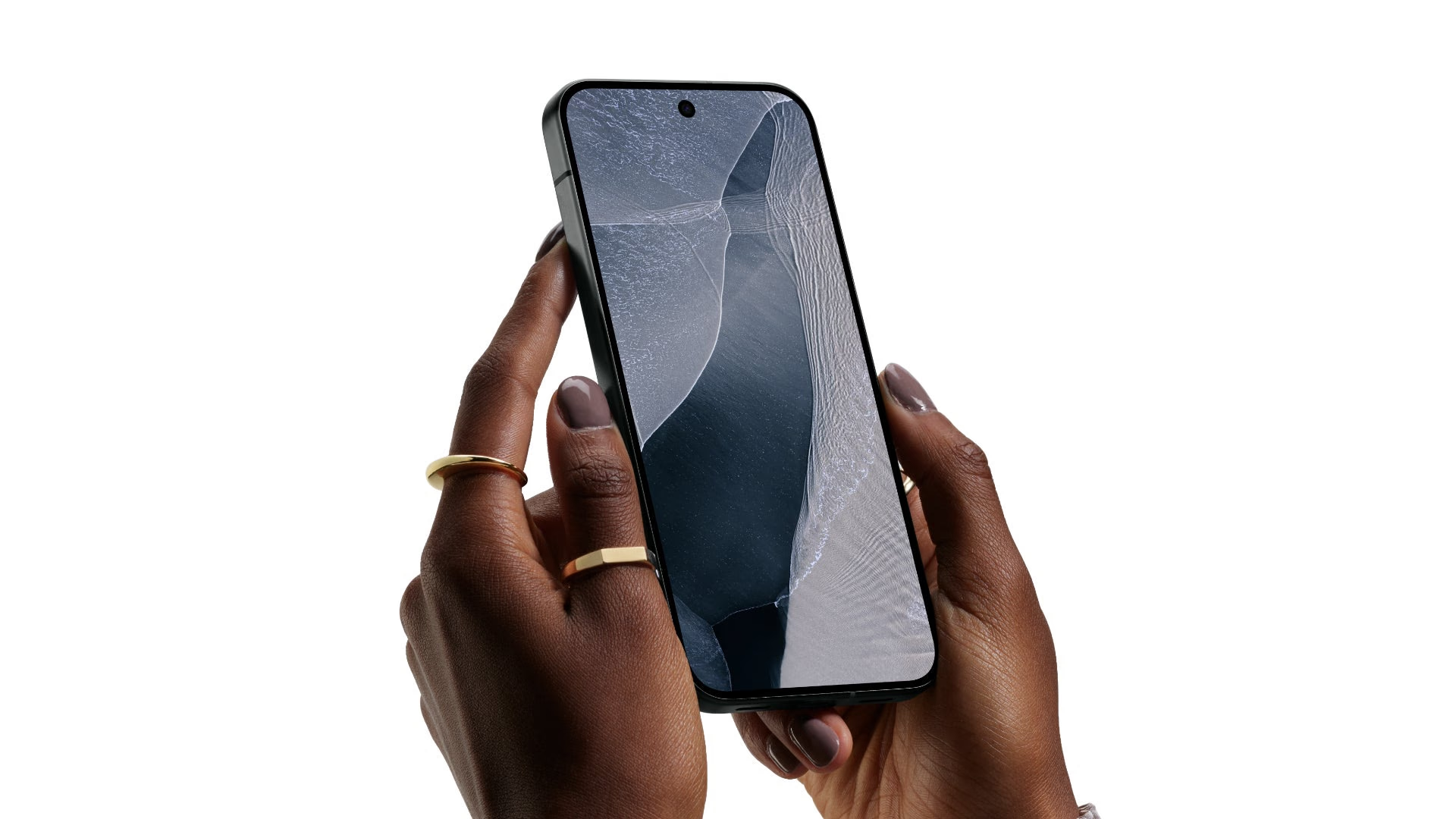
HiLight: the light that replaces the temperature sensor
It is a ring of ambient LEDs around the flash, to the right of the camera bar, in the spot occupied by the temperature sensor on the previous three generations. It only works with the phone face down: it lights up when a favorite contact calls and when you are talking to Gemini. Five colors can be assigned from the Contacts app.
It is worth lowering expectations: those two are the only features available at launch, and for now only with Google’s Phone app and WhatsApp. Google promises more later. It is a hardware feature arriving while it waits for its software, and it is exactly what opened the presentation.
Design, colors, and materials
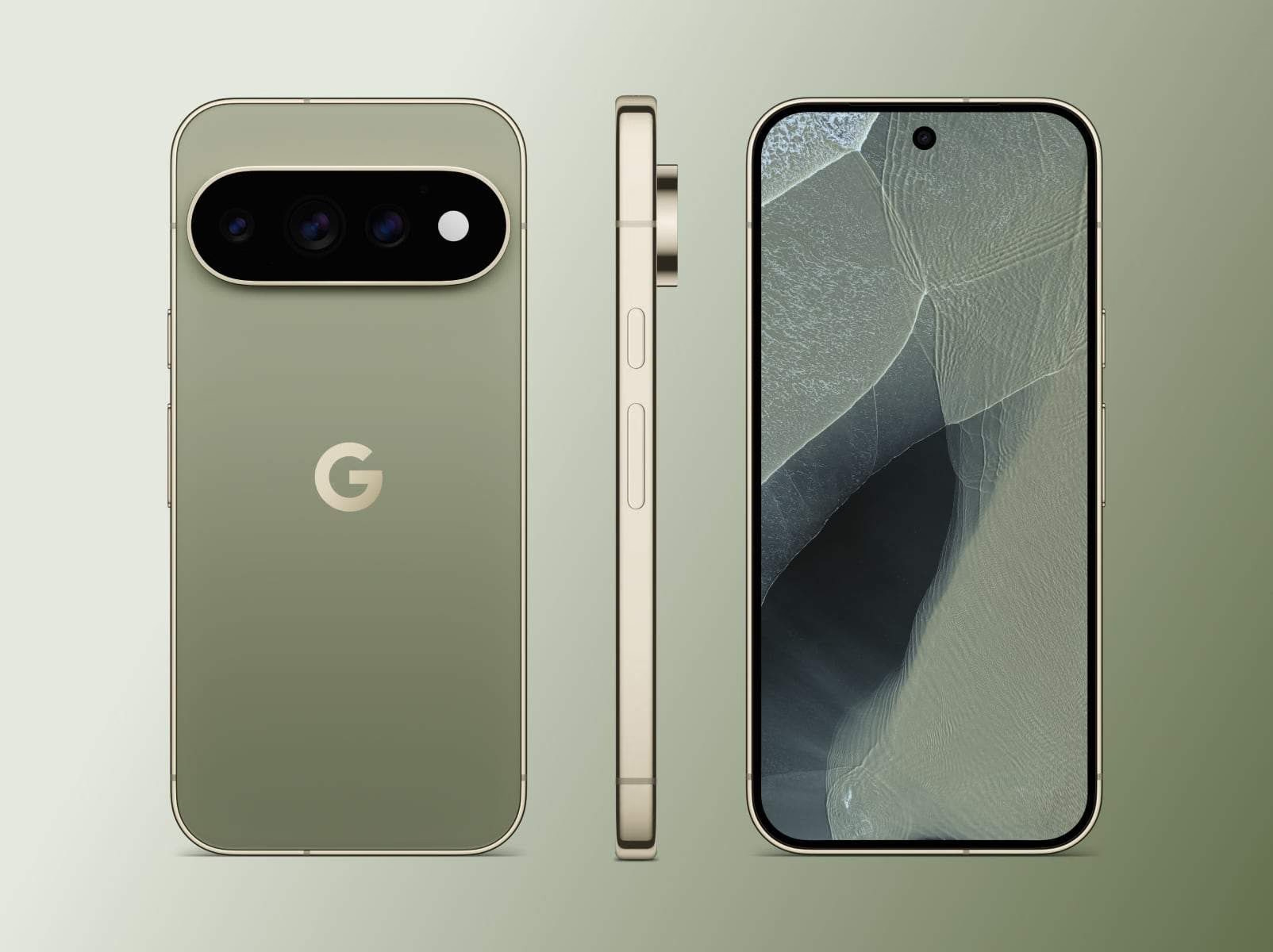
The camera bar has been reworked with edge-to-edge glass that flows into the metal frame. There are four colors: Canyon, Olive, Fog, and Obsidian, which almost completely replace the 2025 lineup. Obsidian is the only one with a matte aluminum frame; the other three use a polished finish.
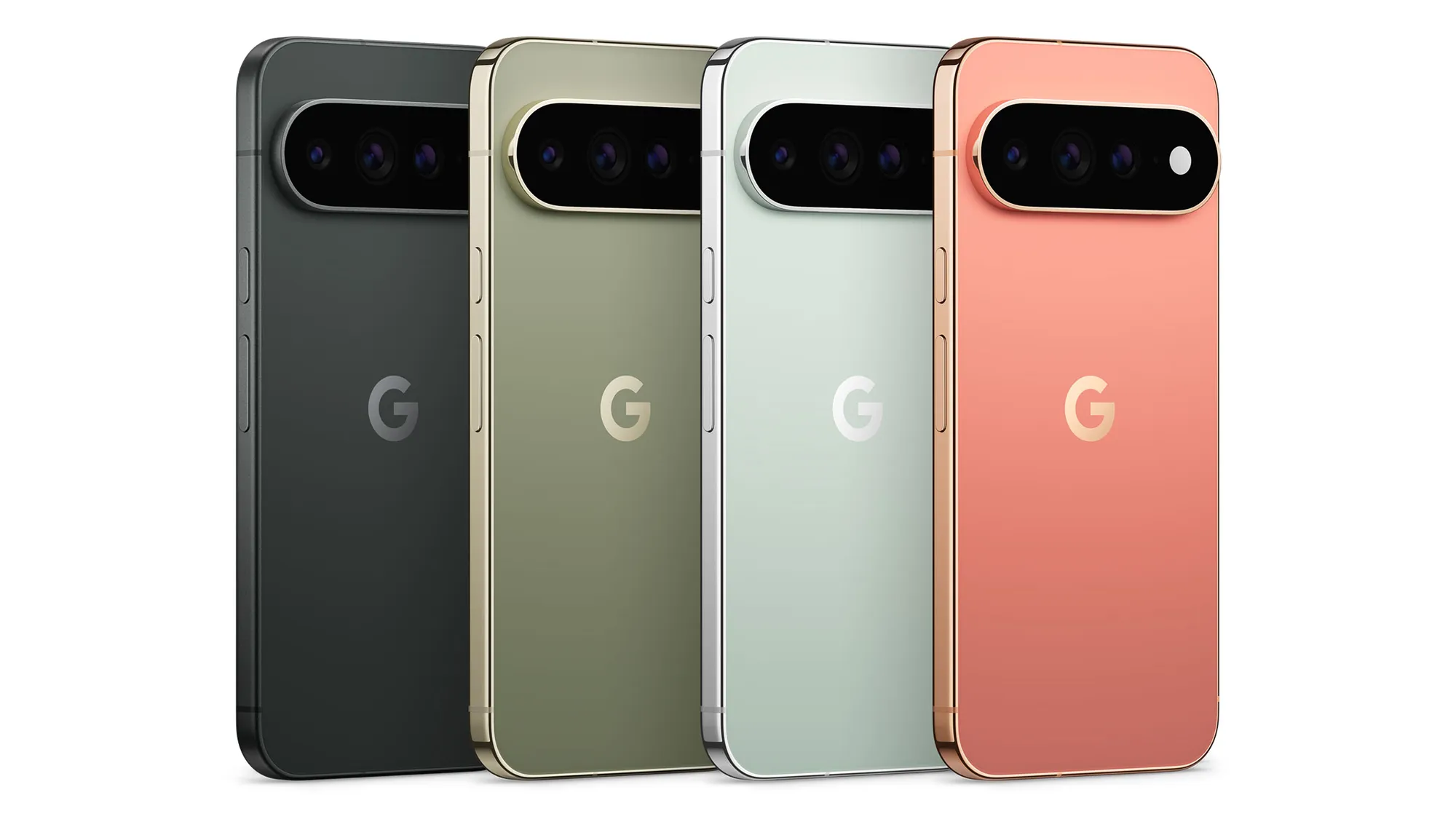
The chassis aluminum is 100% recycled, and the phone uses at least 31% recycled materials by total weight, according to Google: it is its most recycled Pixel to date.
Display and durability
Super Actua climbs to a peak of 3,600 nits, 9% brighter, on a new M16 OLED panel with 120 Hz LTPO. The Pro stays at 6.3 inches, while the Pro XL is 6.8.
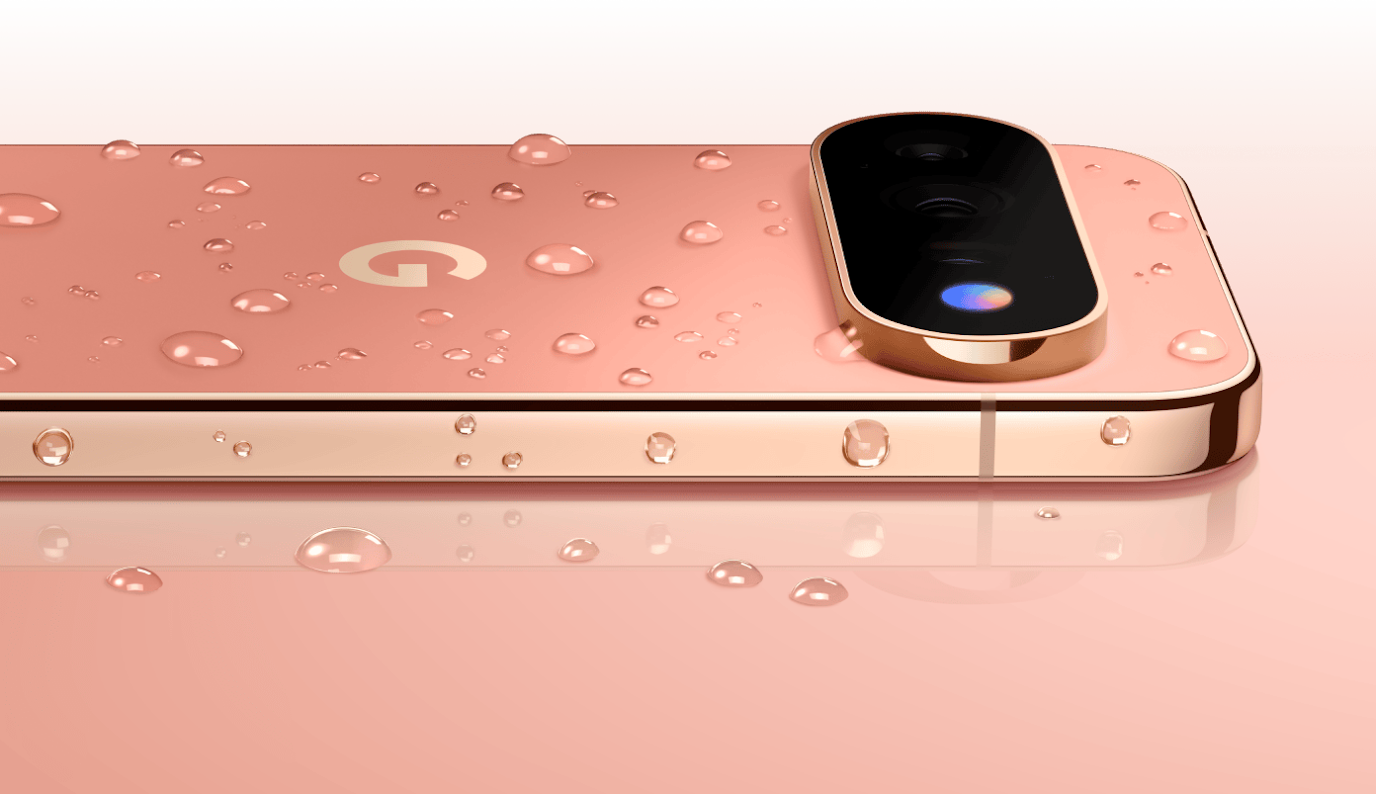
The change with the most practical consequences is the new anti-scratch coating on top of Gorilla Glass Victus 2, which Google rates at more than twice the resistance of the previous generation. It is worth reading that against the recent backdrop: premature scratches were the most repeated complaint about last generation across the industry, not just on Pixel. IP68 certification remains unchanged.
Cameras: new sensor and 120x zoom
The 50 MP wide camera debuts a 1/1.3-inch sensor that maintains optical quality up to 2x and improves detail across the entire 1x to 5x range. The 48 MP telephoto gains 30% sensitivity, enables 5x portraits, and reaches up to 120x with Pro Zoom. The front camera is 42 MP with autofocus.
On the software side, there are manual shutter and ISO controls, Instant Night Sight — which Google rates as 4.5 times faster — Magic Capture, and Camera Looks filters.
Tensor G6 and the first vapor chamber in a Pixel
The Tensor G6 adds 50% more TPU compute and up to 20% better CPU energy efficiency. But the upgrade users will notice most over time is not the chip: it is what surrounds it.
The Pro models debut a vapor chamber, a vacuum-sealed copper circuit with a minimal amount of water inside. Heat from the processor evaporates it, the vapor travels to the cold end, condenses, and returns through capillary action. It is a closed cycle that consumes no energy and moves far more heat than a graphite sheet.
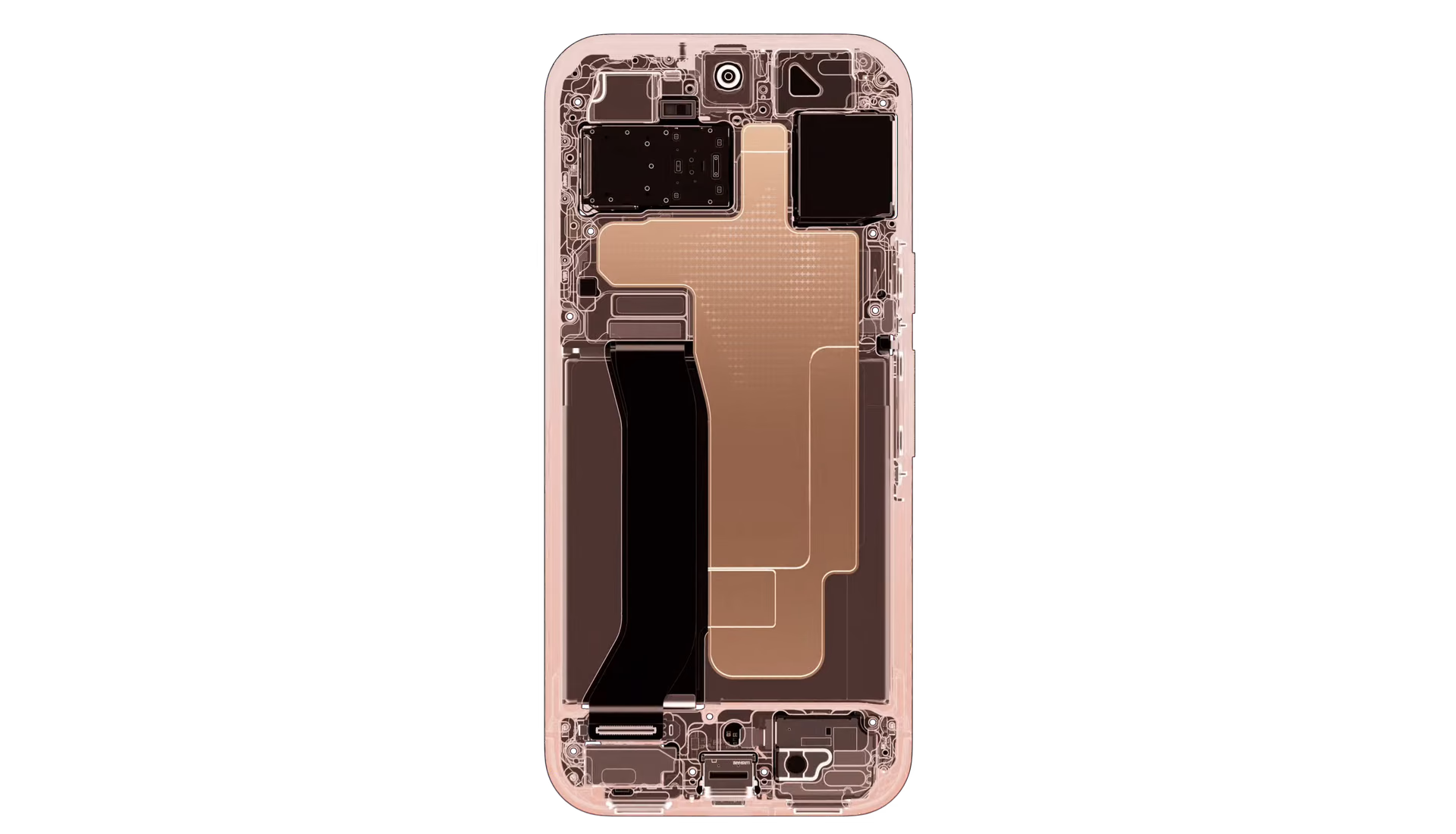
It matters more than it may seem in a phone sold on its local AI: sustained processing generates heat, and heat forces the chip to lower its frequencies. Cooling is what separates a performance spike from sustained performance, and it is one of the real differences versus the Pixel 11.
Battery and charging
The Pro has 4,850 mAh with 30W wired charging, which Google rates at 55% in 30 minutes. The Pro XL moves up to 5,115 mAh and 45W, with 75% in the same half hour. Both add Extreme Charging Mode, which dedicates the phone’s performance to charging faster.
That 75% on the Pro XL improves on the 70% Google claimed in 2025, but the power has not changed: the gain comes from a slightly smaller battery that fills up sooner. Wireless charging does get a real upgrade: 25W with Qi2.2 over Pixelsnap.
What sets the Pro apart from the Pro XL?
Three things. Screen size, 6.3 inches versus 6.8. Battery, 4,850 mAh versus 5,115. And wired charging speed, 30W versus 45W. Chip, memory, cameras, HiLight, materials, and cooling are identical. The price difference is $200.
The asterisk: 12 GB of RAM and half the subscription
The 256 GB version comes with 12 GB of RAM, four less than in 2025. The 16 GB tier is reserved for the 512 GB and 1 TB versions. Google attributes it to software optimization, but the cut arrives precisely on phones whose central pitch is running Gemini locally, where memory is the most common bottleneck.
The second asterisk is the subscription: the purchase includes six months of Google AI Pro, half of the twelve Google gave away with the previous generation. Added to the $100 price increase, the real cost of ownership rises more than the list price.
Price and availability
The Pro costs $1,099 and the Pro XL $1,299, both starting at 256 GB. Preorders opened on August 12, and they arrive in stores on August 20, with Android 17 and seven years of system and security updates.
Conclusion
This generation’s Pro models are an engineering exercise more than a marketing one: the vapor chamber, anti-scratch coating, and new sensor are improvements you feel over time, not on a store display table. The irony is that Google chose to open the presentation with HiLight, which is the opposite: it is immediately visible and still does almost nothing.
If you are coming from a Pixel 9 Pro or older, the jump in display, cameras, and cooling justifies the increase. If you have a Pixel 10 Pro, there is no case for it: 120x zoom and a notification light are not worth $1,099. And between the Pro and the Pro XL, the decision is the same as always — size and battery life — unless fast wired charging really matters to you: there, the extra $200 buys fifteen percentage points of battery in half an hour.
Pixel 11 Pro
The compact Pro of the 2026 generation: 6.3 inches, triple camera with 120x zoom, and a vapor chamber for $1,099.
Pros
- The display climbs to 3,600 nits and more than doubles scratch resistance.
- The vapor chamber sustains performance during extended use.
- The 1/1.3-inch main sensor maintains optical quality up to 2x.
- Six-and-a-half-ish inches in hand: the most compact flagship on the market.
- Seven years of system and security updates.
Cons
- The 256 GB version drops from 16 to 12 GB of RAM.
- HiLight arrives with only two available functions.
- It costs $100 more than the Pixel 10 Pro.
- The Google AI Pro subscription goes from twelve months to six.
Pixel 11 Pro XL
The larger Pro version: 6.8 inches, 5,115 mAh, and 45W charging for $1,299, with the rest of the specs identical.
Pros
- 45W charging reaches 75% in half an hour.
- The 5,115 mAh battery is the largest among non-foldables.
- 6.8-inch display with the same 3,600 nits as the Pro.
- It shares cameras, chip, and cooling with the Pro.
Cons
- It weighs 226 grams, twenty-two more than the Pro.
- The 256 GB version also stays at 12 GB of RAM.
- It costs $200 more than the Pro for differences in size and charging.
- The charging improvement comes from a smaller battery, not more power.
Author
Alexis PaezReport based on official announcements and verified public sources at the time of publishing.
Comments
Share article
You might also like

Which Pixel 11 to buy: which of the four is right for you and which configuration to choose
The Pixel 11, the Pro, the Pro XL, or the foldable: which one makes sense depending on your use, what really changes between them, and which RAM and storage configuration to choose.

Pixel 11: 30x zoom and fast wireless charging come to the base model, but it misses out on HiLight
The Pixel 11 inherits the Pro models’ 5x telephoto and 30x Super Zoom for $899. Full specs, price, sale date, and what it gives up versus the Pro models.

Pixel 11 Pro XL, Galaxy S26 Ultra, and iPhone 17 Pro Max: the three have converged, and something else decides the winner
All three come with 12 GB of RAM, a vapor chamber, and 5,000 mAh. We compare zoom, charging, and display—and why timing in the sales cycle matters more than the spec sheet.