Surprise and Shine: Apple confirmed September 9 for the iPhone 18 Pro and the foldable iPhone Ultra

Index
Apple confirmed its September event. It is called "Surprise and Shine," it takes place on Wednesday, September 9, and six products will be unveiled there, including the iPhone 18 Pro, the Pro Max, and the iPhone Ultra, the first foldable in the company’s history.
The invitation does not reveal anything concrete: an illuminated Apple logo on a blue background. But the name and the time of year leave little room for doubt about what will take the stage.
When the event is and how to watch it
The event is on Wednesday, September 9 at 10 a.m. in California: 2 p.m. in Buenos Aires, noon in Bogotá, and 11 a.m. in Mexico City. It will be streamed live and free from Apple’s website, the Apple TV app, and the company’s YouTube channel, with no registration required.
iPhone 18 Pro and Pro Max
Both are the expected update, not a redesign. They keep the aluminum chassis and screen sizes of the 17 Pro, and debut the A20 Pro, the first iPhone chip manufactured at 2 nanometers. The expected jump is 10 to 15% in performance with up to 30% lower power consumption.
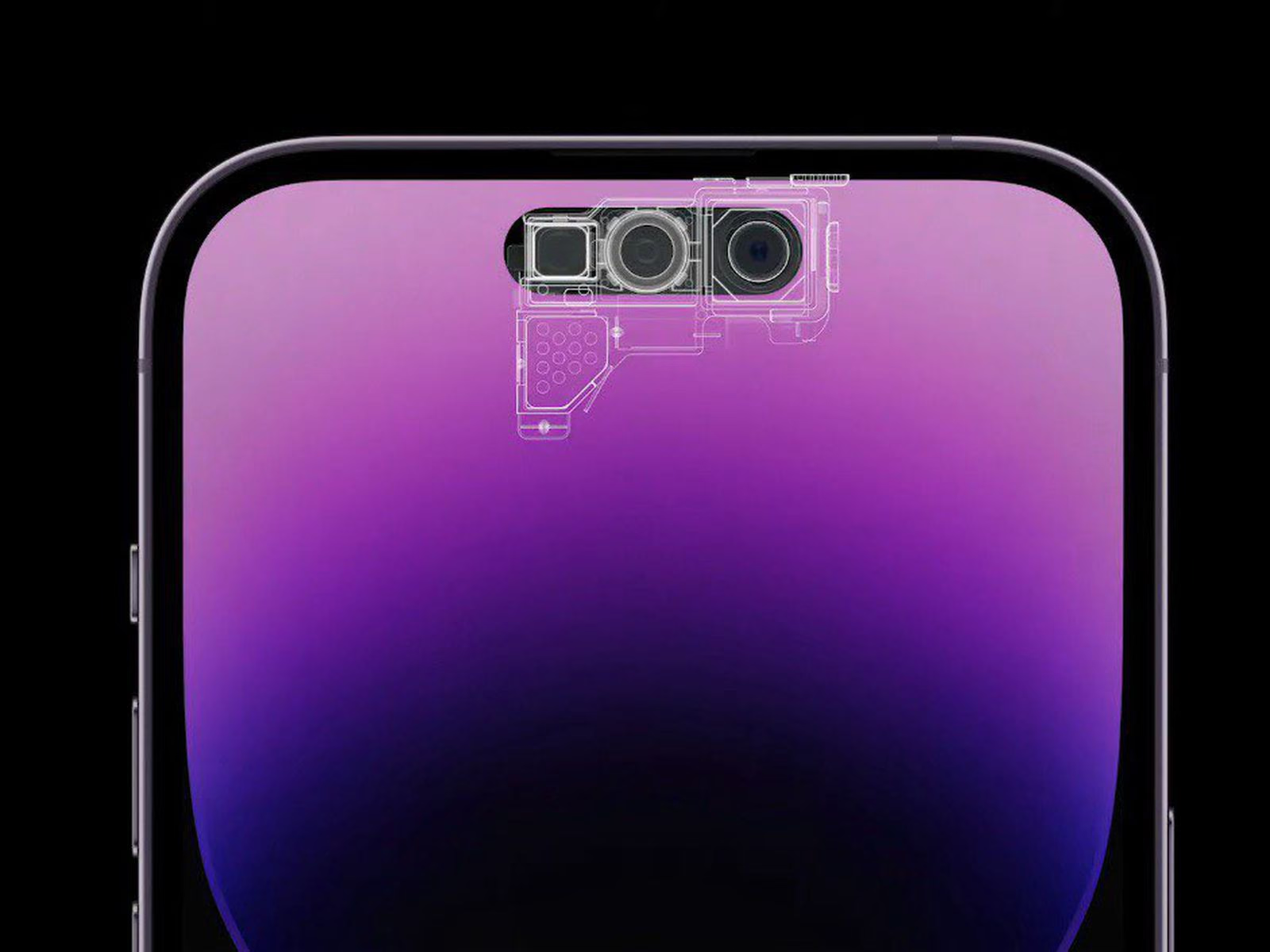
The visible change would be the Dynamic Island: it would shrink noticeably because Face ID would move under the display. It is worth taking that with a grain of salt. The same rumor circulated heavily before the 17 Pro and did not materialize, so it is the weakest part of the whole package.
The Pro Max would get the camera highlight: variable aperture on the main wide-angle lens, allowing depth of field to be controlled optically instead of through software. It would be exclusive to the larger model, and that would come with a body that is only slightly thicker due to a larger battery.
On the modem side, there is a regional split confirmed by leaked files: Qualcomm with mmWave for the United States and Apple’s own C2 for the rest of the world. The colors most frequently mentioned are Dark Cherry, light blue, silver, and dark gray.
As for price, estimates point to an increase of between US$200 and US$300, driven by the cost of manufacturing at 2 nanometers and TSMC’s price hikes.
iPhone Ultra: Apple’s first foldable
It is the product of the event and the reason this presentation matters more than the 2025 one.
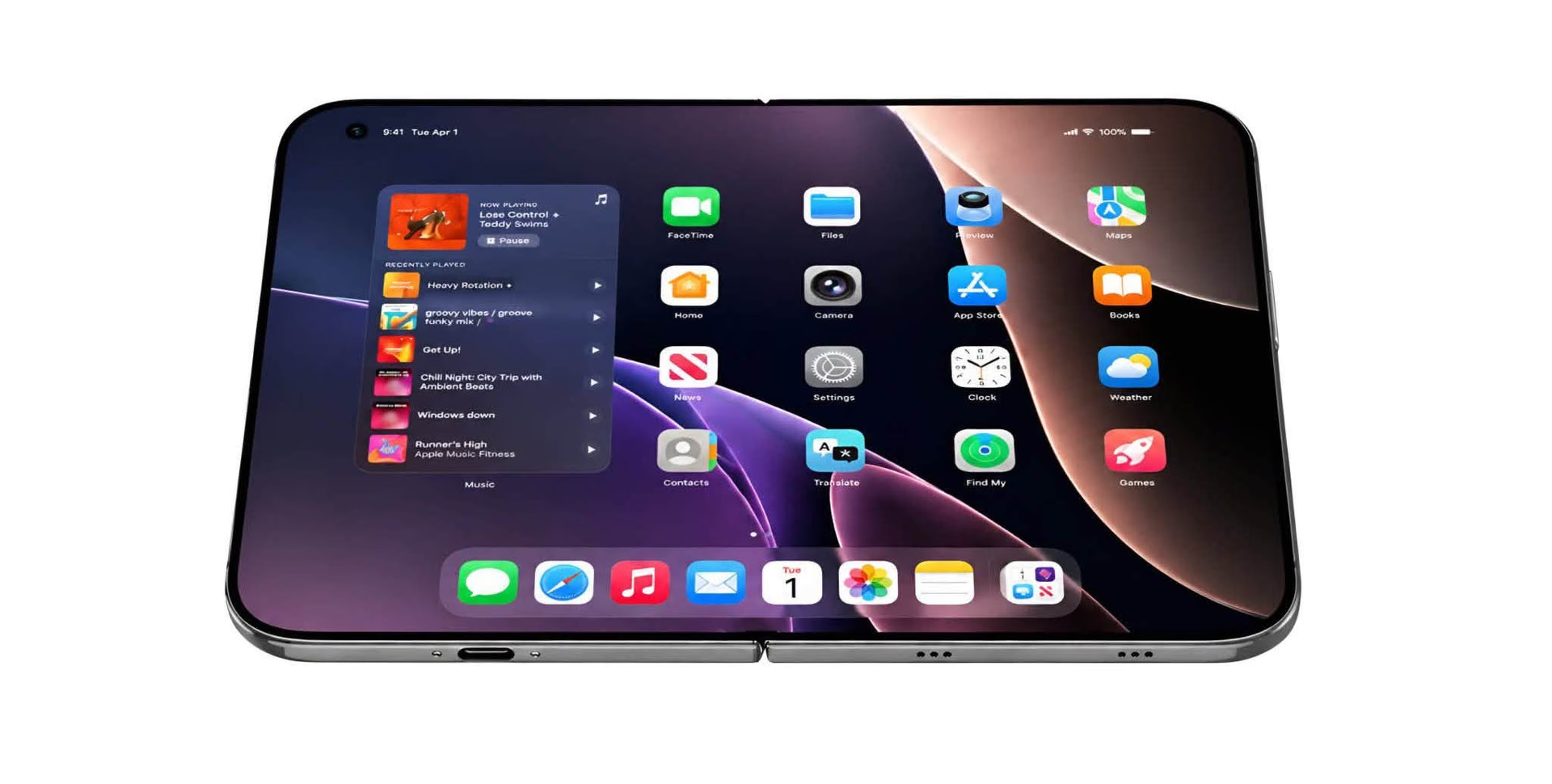
It folds like a book: an external display for use when closed and an internal one with an aspect ratio close to an iPad when opened. Here it is important to be honest about the sources, because they do not agree: MacRumors mentions 7.7 inches for the internal display and 5.3 inches for the external one, while other reports give 7.8 inches open and around 5.5 inches closed. The difference is small, but nobody has the final number.
What does repeat across all leaks is the rest. The hinge would use liquid metal, and the frame would combine titanium in stress areas with aluminum to dissipate heat. There would be no Face ID: the TrueDepth module does not fit in such a thin body, so unlocking would rely on Touch ID in the side button, as on the iPad Air.
The rear cameras would be two 48 MP units, wide-angle and ultra-wide-angle. There is no telephoto lens, and that absence in a phone at this price is the design’s first serious compromise. The battery would be between 5,400 and 5,800 mAh, the largest Apple has ever put in an iPhone, and the device would be around 4.5 millimeters thick when open.
Price is where estimates diverge the most: Ming-Chi Kuo places it between US$2,000 and US$2,500, UBS lower, and IDC speaks of an average of US$2,500. It would be announced on September 9 but reach stores in October, with limited stock due to manufacturing complexity.
Apple Watch Series 12 and Ultra 4
Here, expectations are low, and it is worth saying so. Mark Gurman reported that neither model would have major design changes: a faster processor, activity-tracking improvements, and little else.
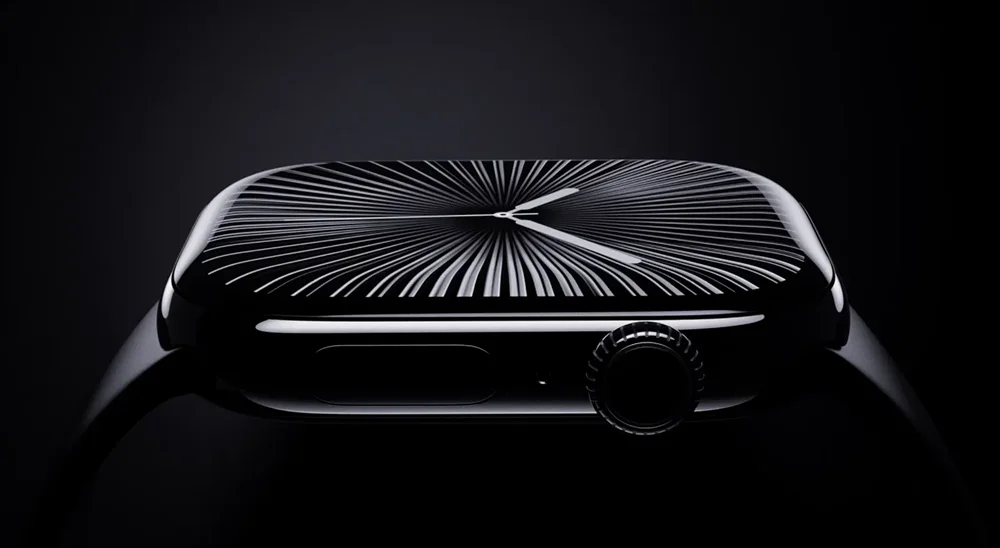
What has been ruled out is as informative as what is coming. There would be no Touch ID, no health sensors integrated into the bands, and no new Apple Watch SE in 2026. The Series 12 would add a ceramic case option, which would be the only noticeable change when looking at it from the front.
The Ultra models do gain something concrete: additional satellite features, including Apple Maps via satellite and sending photos through Messages without coverage. It is the kind of feature you never use until the day it matters.
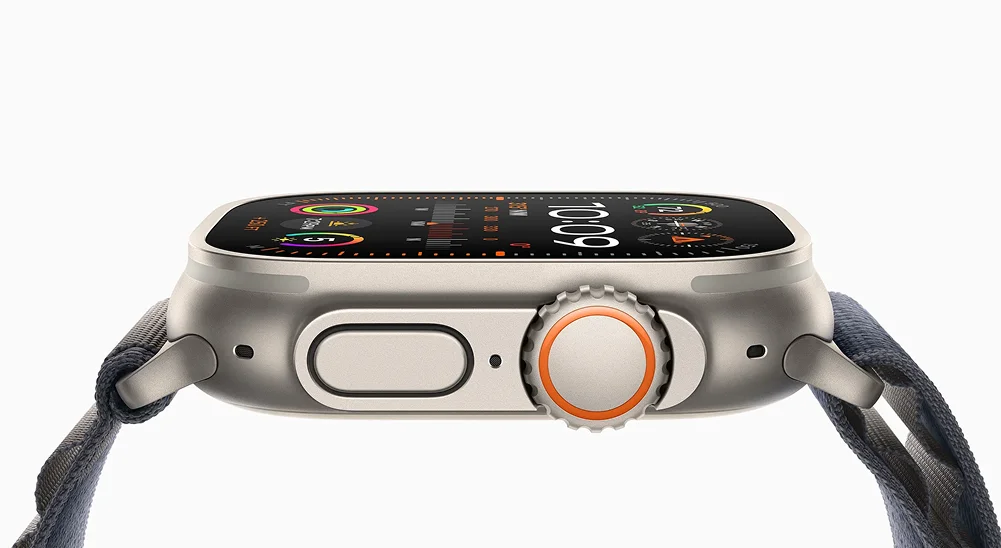
If you have a Series 11 or an Ultra 3, this generation is not for you. The major redesign is projected for one or two years from now.
AirPods 5
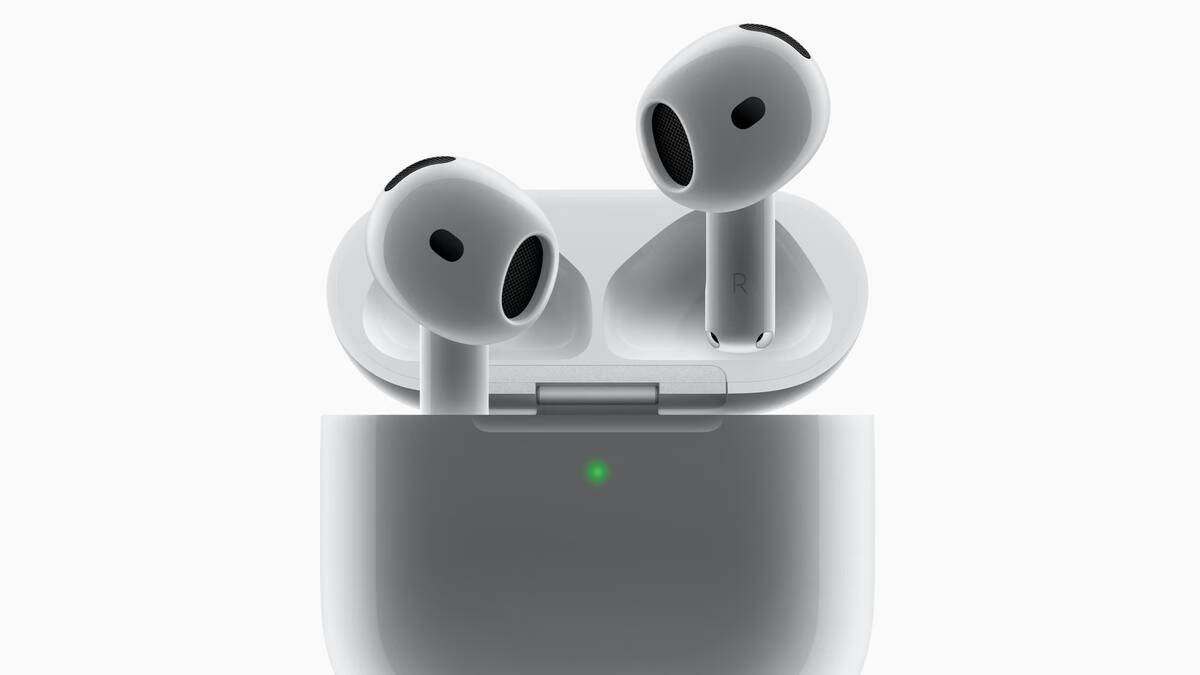
Gurman reported that Apple is preparing two AirPods 5 models, one with active noise cancellation and one without, repeating the AirPods 4 strategy. References to the headphones also appeared inside the code of a macOS version, the kind of trace that usually confirms an imminent launch.
What is not arriving is AirPods with cameras. That project is still targeting 2027 and is not part of this presentation, even if it appears in every rumor roundup.
What will NOT be unveiled on September 9
This is the part that causes the most confusion, because rumor lists mix everything together. The six products at the event are the ones above. The rest of the catalog Apple has in the pipeline arrives later, in separate presentations or directly by press release.
The Home Hub is the one most worth watching among the products left out: it would be a six- to seven-inch square display with FaceTime, in a tabletop version with a speaker base and a wall-mounted version. It is Apple’s first product designed around the new Siri.
iOS 27 and the rest of the systems
The event also sets the software calendar. The final version of iOS 27, iPadOS 27, watchOS 27, and macOS 27 Golden Gate will be released a few days after the presentation, alongside the first devices.
The caveat remains the same as throughout the year: the AI-powered Siri arrives separately and in English first, not with the initial version of the systems.
Conclusion
If you are coming from an iPhone 17 Pro, there is nothing here that justifies upgrading: the same design, the same screen size, a better chip, and a variable-aperture camera that only the Pro Max would have. With a price increase of up to US$300 on top, the argument falls apart on its own.
If you are coming from an iPhone 15 Pro or earlier, the jump is real, and it is worth waiting to confirm whether under-display Face ID actually exists before deciding between the Pro and the Pro Max.
And the foldable is another category. At US$2,000 or more, with limited stock and no telephoto lens, it is a first-generation product with everything that implies. The interesting question is not whether you should buy it —you should not— but that after years of watching Samsung, Huawei, and Google get the format wrong, Apple is finally going to show what it learned from those mistakes.
Author
Alexis PaezReport based on official announcements and verified public sources at the time of publishing.
Comments
Share article
You might also like
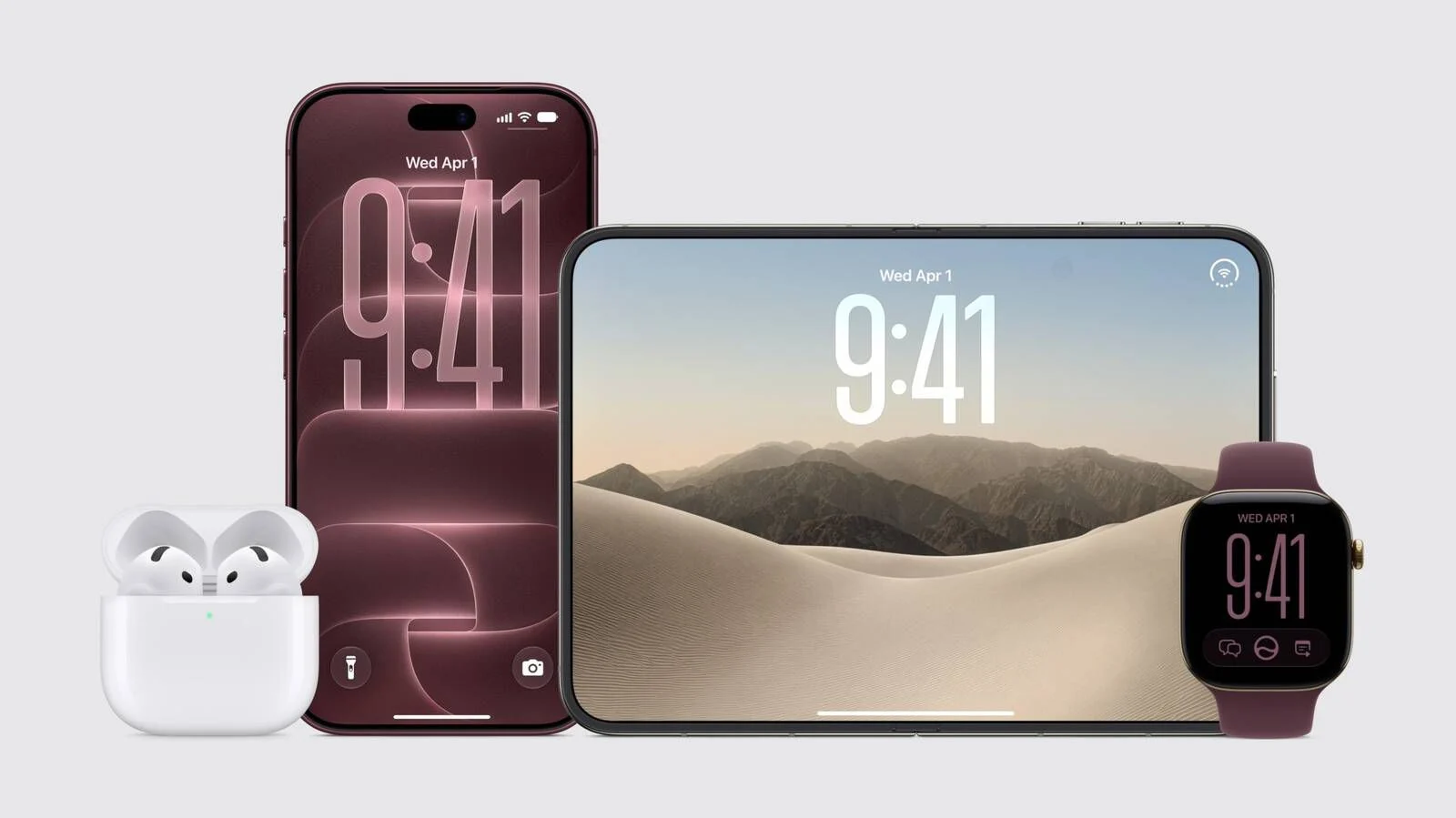

iPhone 18 Pro and Pro Max: what changes, what doesn't, and why there's no iPhone 18 in 2026
The iPhone 18 Pro and Pro Max arrive in September without an iPhone 18 alongside them. What really changes, what stays the same, and why the Pro Max gets everything.
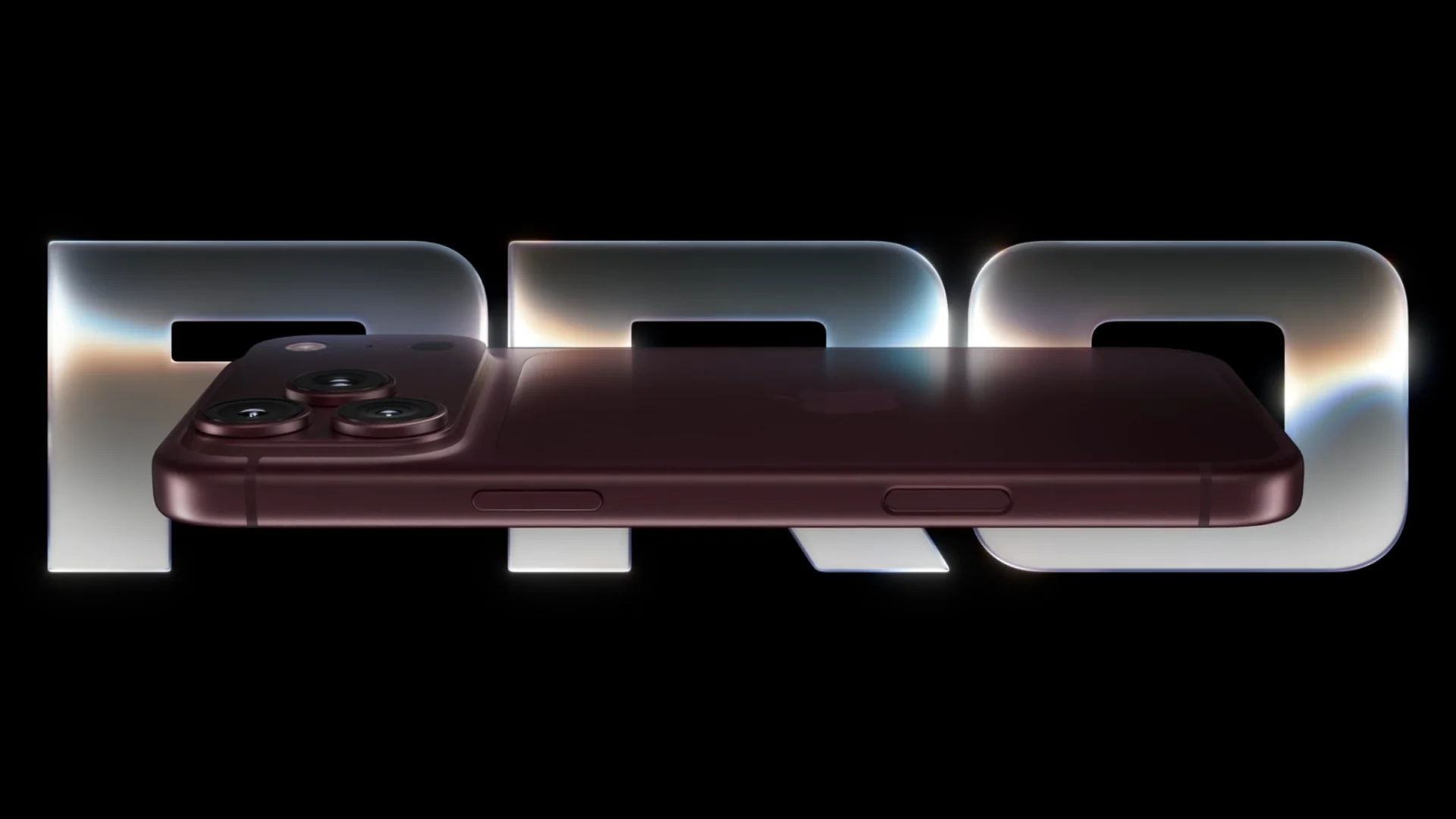
iPhone 18 Pro and Pro Max: variable aperture, A20 Pro, and the longest battery life in an iPhone
The iPhone 18 Pro debuts a four-step variable aperture, the A20 Pro chip, and the longest battery life in the lineup. Price, specs, and why Apple lists two different battery figures.