iPhone 18 Pro and Pro Max: what changes, what doesn't, and why there's no iPhone 18 in 2026

Index
Apple has its next event scheduled for September, and there is one absence on the product list that is hard to overlook: the plain iPhone 18 is not arriving in this cycle. Taking the stage will be the iPhone 18 Pro, the iPhone 18 Pro Max, and the brand's first foldable, while the base model, the 18e, and the second-generation iPhone Air are being pushed to early 2027.
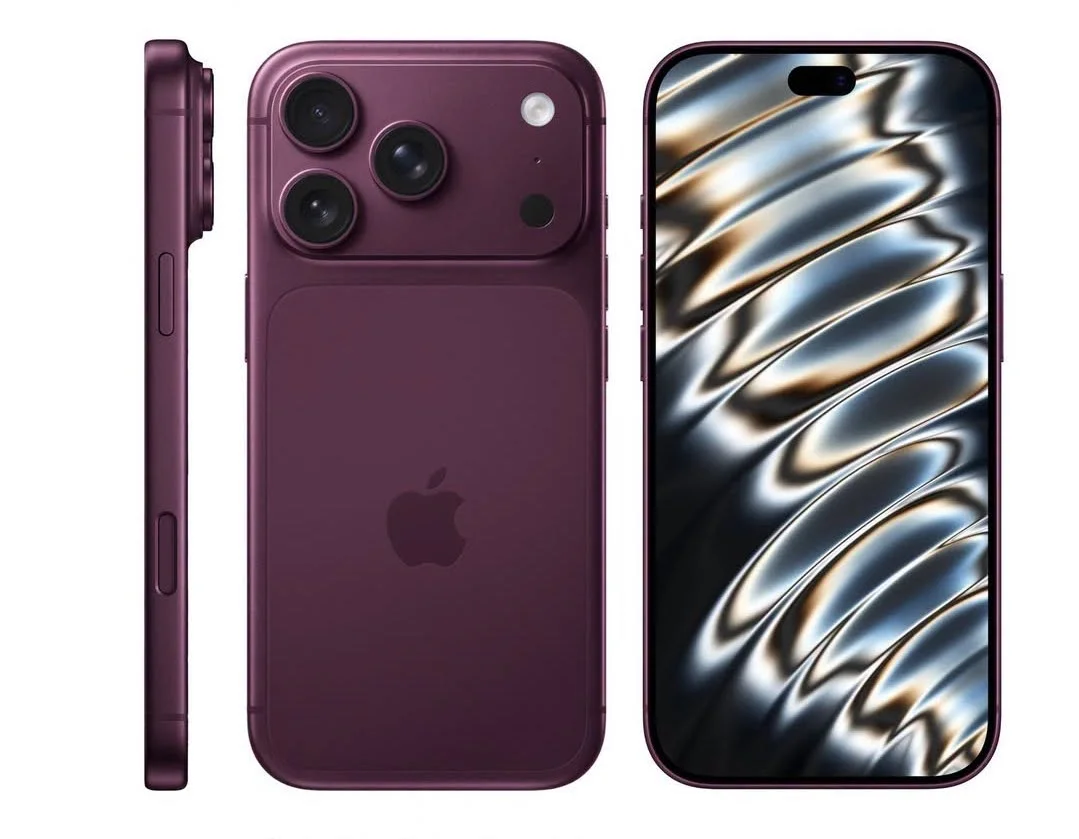
From the outside, the two Pro models look a lot like the iPhone 17 Pro. Inside, two changes should be read together: the Pro Max gets almost all of the generation's real upgrades, and both models could cost significantly more. None of this has been confirmed by Apple. What follows comes from regulatory certifications, supply-chain leaks, and analyst notes.
When the iPhone 18 Pro will be announced
Apple has not announced the date yet. Mark Gurman points to September 8 or 9, while David Phelan argues it will be Wednesday the 9th, because the company has never held an iPhone keynote the day after a holiday, and U.S. Labor Day falls on Monday the 7th. Under that schedule, preorders would start on Friday the 11th, with sales beginning on the 18th.
The bigger change is that Apple is splitting its iPhone calendar in two. With six annual models across the two Pro phones, the base model, the 18e, the Air, and the foldable, putting all of them into a single event would overcrowd the stage and steal attention from the product that is launching a new category. Moving the more affordable models to early 2027 also gives Apple room for component costs to ease, and it puts a new phone closer to buyers whose carrier contracts end early in the year.
Price: the increase no one is ruling out anymore
Estimates have moved quickly, and always upward. IDC talked about as much as $200 more over the iPhone 17 Pro. Then GF Securities analyst Jeff Pu stretched the estimate to between $250 and $300, which would put the iPhone 18 Pro starting at around $1,399 and the Pro Max at about $1,499 in the United States.
It is worth noting how the consensus shifted, because that is part of the story: Ming-Chi Kuo had argued that Apple would absorb the extra cost to gain market share, and Pu himself had spoken of an aggressive pricing strategy before reversing his forecast. There are three causes: the 2-nanometer chip, which costs Apple about $35 more per unit than a 3-nanometer chip, and the prices of LPDDR5X memory and NAND storage, which according to that same report have tripled. Apple has already raised prices on the Mac, iPad, Apple TV, HomePod, and Vision Pro for the same reason, and Tim Cook said on the latest earnings call that memory prices will continue to rise beyond September.
A20 Pro, C2 modem, and satellite 5G
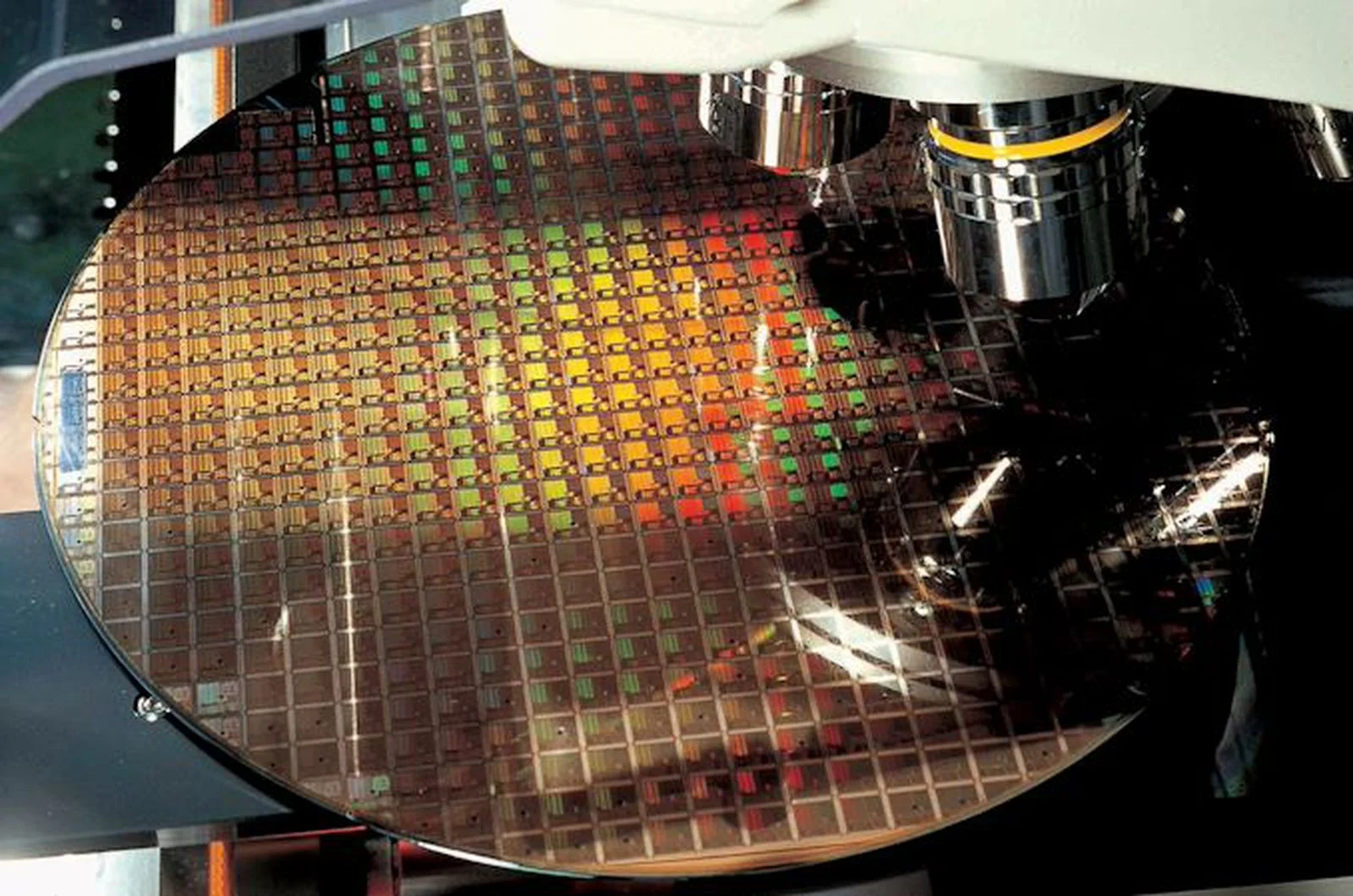
The A20 Pro would be Apple's first chip manufactured on TSMC's 2-nanometer process, versus the A19 Pro's 3-nanometer process. Rumors point to up to 15% higher performance and 30% better efficiency, plus new packaging that integrates the memory on the same wafer as the CPU, GPU, and Neural Engine instead of placing it beside them. That frees up internal space and shortens the data path. There is some noise around the name: some reports describe a single A20, while others refer to an A20 and A20 Pro pair.
Apple's in-house modem would take its third step with the C2, after the C1 and C1X. Apple says the C1X is up to twice as fast as the C1 and the most efficient modem it has put in an iPhone. But here is the detail almost nobody is watching: according to files stolen from Tata Electronics and analyzed by AppleInsider, U.S. units would continue to use a Qualcomm modem, while the rest of the world would get the C2. The reason is that the C2 does not support mmWave, the ultra-high-frequency band sold by Verizon and AT&T. John Gruber put it bluntly: mmWave is a carrier marketing argument, not a practical benefit. And because Apple's modems are more efficient, iPhones sold outside the United States could end up with better battery life than those sold there.
The C2 would also enable 5G internet over satellite through the NR-NTN standard, with access for third-party apps, as well as a privacy tweak that limits the precision of the location seen by the mobile network.
Battery: the Pro Max gets everything
Certifications from China's 3C agency, spotted by leaker Digital Chat Station, revealed all four capacities. The difference between columns is the SIM tray: Apple removed it from U.S. iPhones and uses that space for a slightly larger cell. Units sold in this region keep the tray, so the applicable figure is the one on the left.
That is the data point that frames the entire generation. The Pro Max adds roughly 500 mAh, while the Pro does not even reach 1%, with the same chip, the same camera, and the same display on both. Choosing between Pro and Pro Max is no longer just a size decision.
Design: thicker, heavier, and the same aluminum
Ice Universe estimates a thickness of about 9 mm and a weight of around 240 grams for the Pro Max, compared with 8.75 mm and 233 grams for the 17 Pro Max. The causes would be the larger battery and a stainless-steel vapor chamber. The number should be taken with caution: that same leaker had said months earlier that thickness would not change, and another report mentioned 8.8 mm. The direction is consistent across sources; the exact figure is not.
Leaked dummies also show a camera plateau that would go from 11.23 to 11.54 mm, with the lens area growing from 12.92 to 13.77 mm. The rear cover would drop the two-tone effect of the 17 Pro to unify the color of the glass with the frame, and the colors would be four: Dark Cherry, Light Blue, Dark Gray, and Silver, according to the Pantone codes published by Macworld.
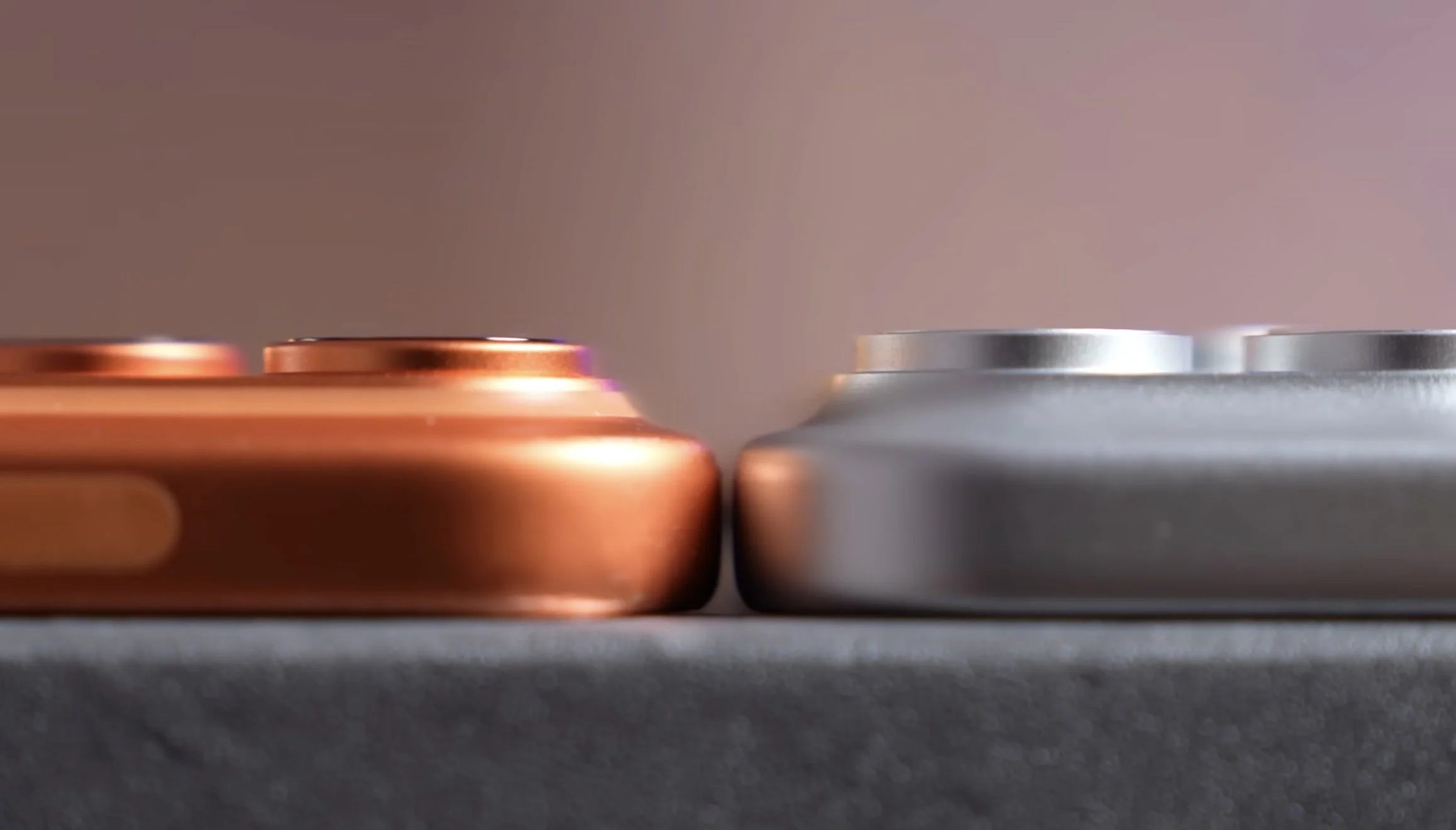
There is a thread here worth following. Anodized aluminum remains despite complaints about the durability of the 17 Pro. JerryRigEverything's scratch test found that the chassis holds up well to everyday use except at one specific point: the raised, non-chamfered edge of the camera plateau, where it flakes and scratches easily. Leaker Fixed Focus Digital adds that Apple classifies that wear as a characteristic of the alloy and does not cover it under warranty.
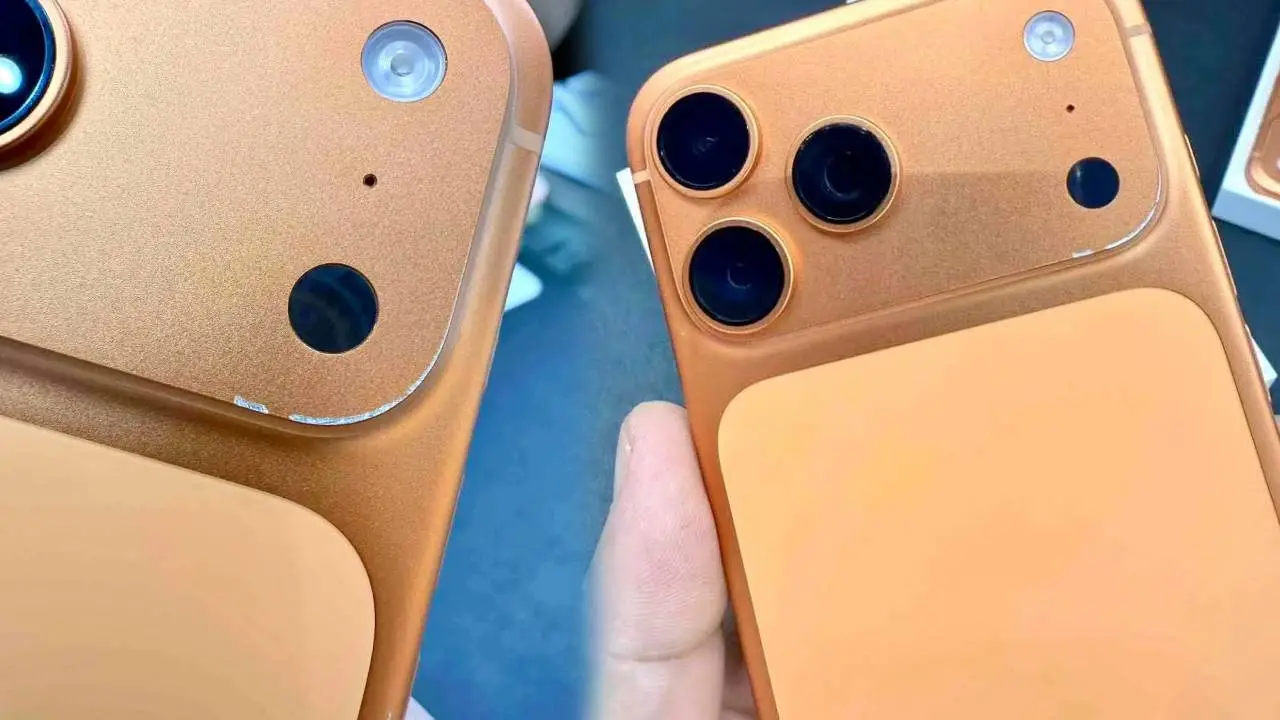
In other words: the part already identified as the weak point gets larger on the Pro Max, using the same material and the same warranty policy. If you plan to keep the unit for three or four years, that matters more than the color choice.
Camera: variable aperture and a simpler button
The 48 MP main camera would add variable aperture, allowing control over how much light enters and some play with depth of field. There is also talk of a three-layer stacked sensor made by Samsung and a brighter telephoto lens. Honestly: on a sensor the size of a phone's, how much the depth of field actually changes is debatable, and MacRumors itself points that out.
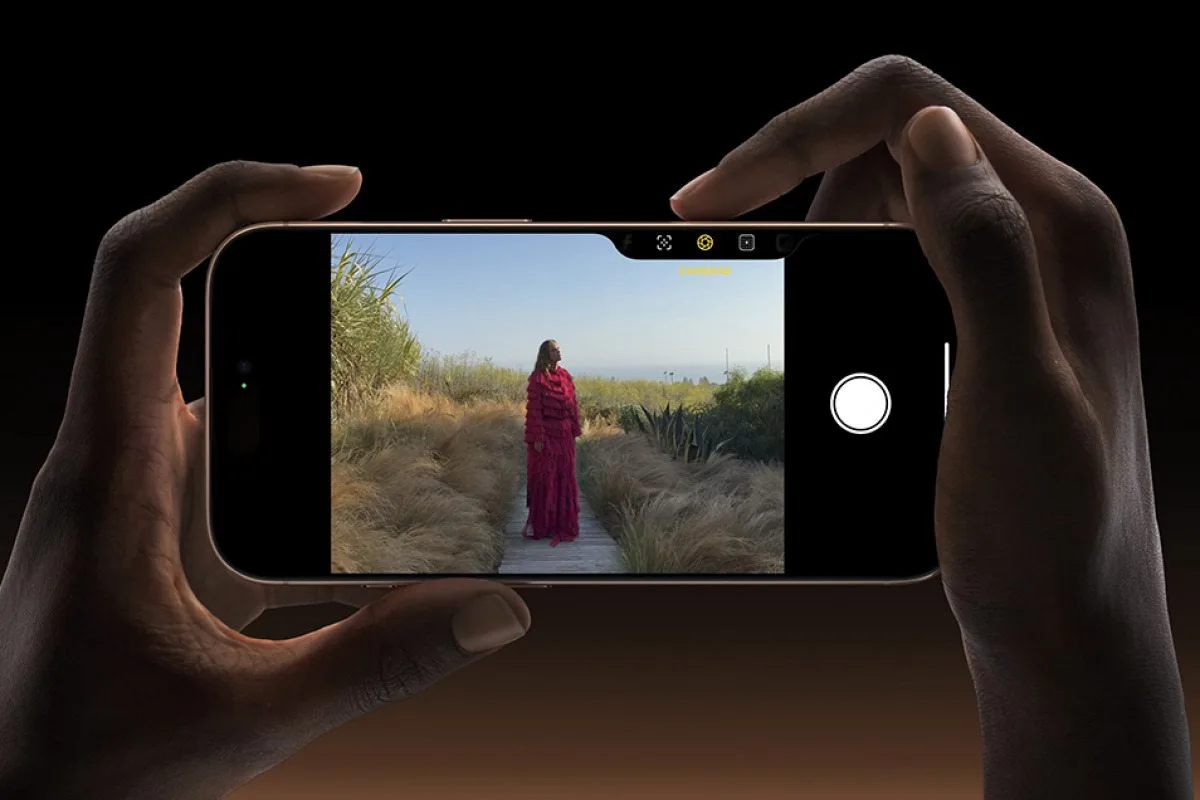
The more interesting change is Camera Control. According to Instant Digital, Apple would remove the capacitive layer and keep only the pressure sensor, and the stated reason is not design but cost: the dual module is expensive to manufacture and generates after-sales claims. It makes sense. A side button with a capacitive layer, haptic motor, and sapphire cover is a lot of potential failure surface for a control that most people use as a shutter and little else. Fewer sensors means fewer things that can break. The Information's report confirms the change for the base iPhone 18 but not for the Pro models, so this remains a reasonable inference rather than a settled fact.
Dynamic Island: even the measurements do not agree
It is the most visible change and also the worst documented. Ice Universe talks about a 35% reduction, from 20.76 to 13.49 mm. Vadim Yuryev measured the dummies and got 20.06 to 14.98 mm, or 25%. Digital Chat Station says there will be no reduction until the iPhone 19, and The Information even reported that the island would disappear entirely in favor of a hole in the upper-left corner.
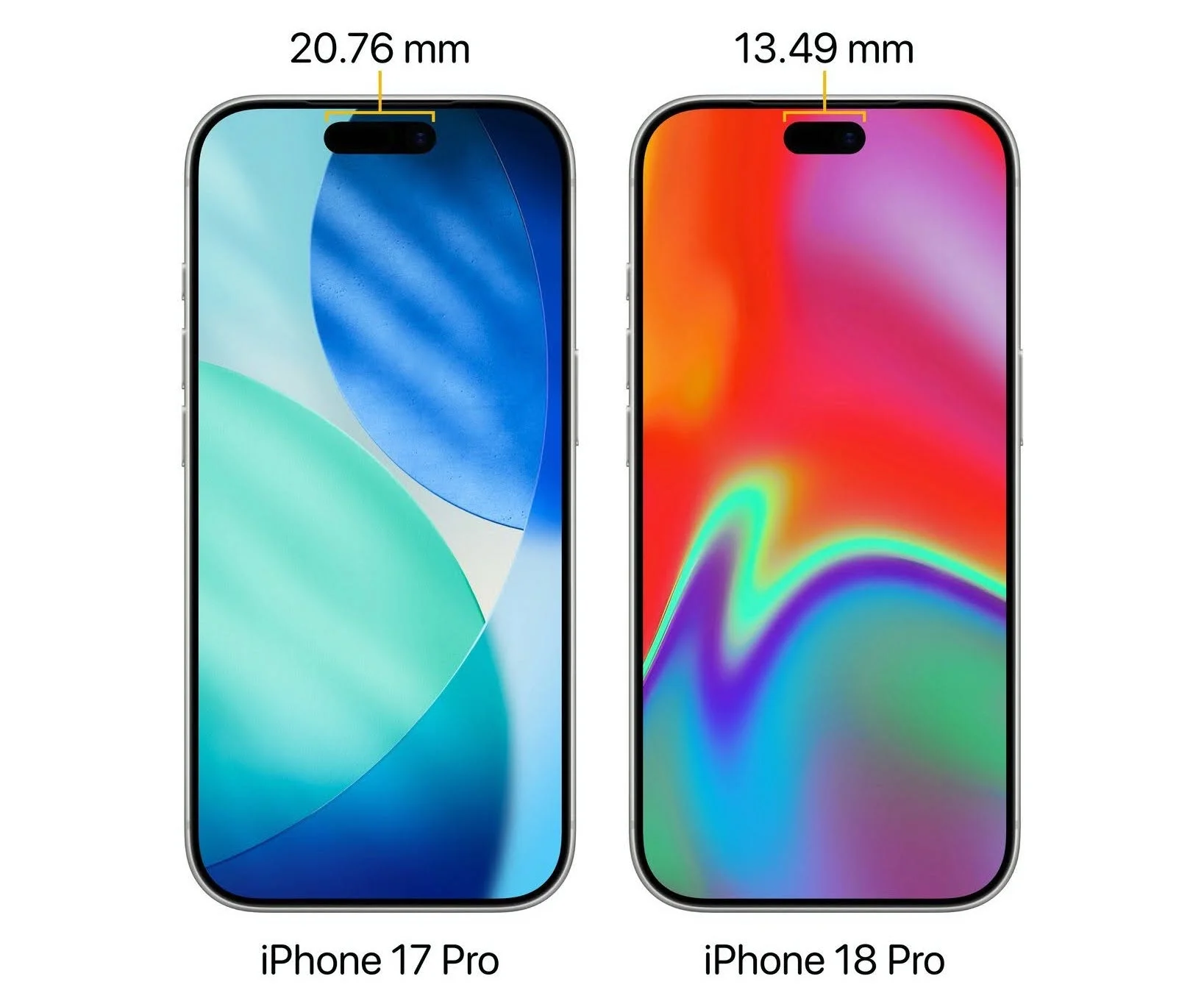
The point where almost everyone agrees is that under-display Face ID is not ready for this generation. What would move under the panel is one of the infrared sensors, and that frees up the horizontal space that explains the cutout reduction.

Is it worth waiting for the iPhone 18 Pro?
It depends on which model you have and which of the two Pro models you are considering. If you are coming from an iPhone 17 Pro, no: the design is the same, sizes do not change, and the visible improvement does not justify paying the increase. If you have an iPhone 15 Pro or older and are aiming for the Pro Max, then yes, there is substance to this generation thanks to the battery, the new cooling system, and the chip.
The smaller Pro is the one left in an awkward position. It pays the same price increase for less than 1% extra battery, the same body, and the same camera as its larger sibling, and it has always been the choice for people who do not want a huge phone. In this generation, that decision costs more in terms of what you give up.
The bigger read is that the 18 Pro is a refinement year being sold at generational-leap pricing, and that the truly new September product is the one that folds. If you are curious enough, wait for the event anyway: the foldable will determine whether this is a boring season or the most interesting one in a long time.
Frequently asked questions
Why is there no iPhone 18 in 2026?
Apple has reportedly decided to split its calendar in two. In September it will introduce the expensive models —iPhone 18 Pro, Pro Max, and the foldable— and leave the base iPhone 18, the 18e, and the second-generation iPhone Air for early 2027. The idea is to avoid an event with six phones and give the foldable its own stage.
How much will the iPhone 18 Pro cost?
Apple has not announced prices. Estimates range from a $200 increase over the iPhone 17 Pro, according to IDC, to $250 or $300 according to analyst Jeff Pu, which would put the Pro near $1,399 and the Pro Max around $1,499 in the United States. The reasons are the 2-nanometer chip and rising memory and storage prices.
Will the iPhone 18 Pro have under-display Face ID?
Everything points to no for this generation. The most recent reports agree that the technology is not ready and that Apple would limit itself to moving one of the infrared sensors under the panel, allowing the Dynamic Island to shrink without eliminating it. How much it shrinks is exactly where the sources disagree.
iPhone 18 Pro
6.3-inch Pro model expected in September 2026. It repeats the iPhone 17 Pro body and debuts the A20 Pro chip, but its battery barely grows compared with the previous generation.
iPhone 18 Pro Max
6.9-inch Pro Max model expected in September 2026. It concentrates the generation's real improvements: around 500 mAh more battery, new cooling, and a slightly thicker and heavier body.
Author
Alexis PaezArtículo basado en filtraciones, certificaciones regulatorias y reportes de cadena de suministro verificados al momento de su publicación. Apple no anunció ni confirmó ninguno de estos productos.
Comments
Share article
You might also like

Surprise and Shine: Apple confirmed September 9 for the iPhone 18 Pro and the foldable iPhone Ultra
Apple confirmed its Surprise and Shine event for September 9. iPhone 18 Pro, Pro Max, the first foldable, Apple Watch, and AirPods 5: what arrives that day and what comes later.
iPhone 18 Pro and Pro Max: variable aperture, A20 Pro, and the longest battery life in an iPhone
The iPhone 18 Pro debuts a four-step variable aperture, the A20 Pro chip, and the longest battery life in the lineup. Price, specs, and why Apple lists two different battery figures.

iPhone 18 Pro: four colors leak and Apple is already producing the variable-aperture camera
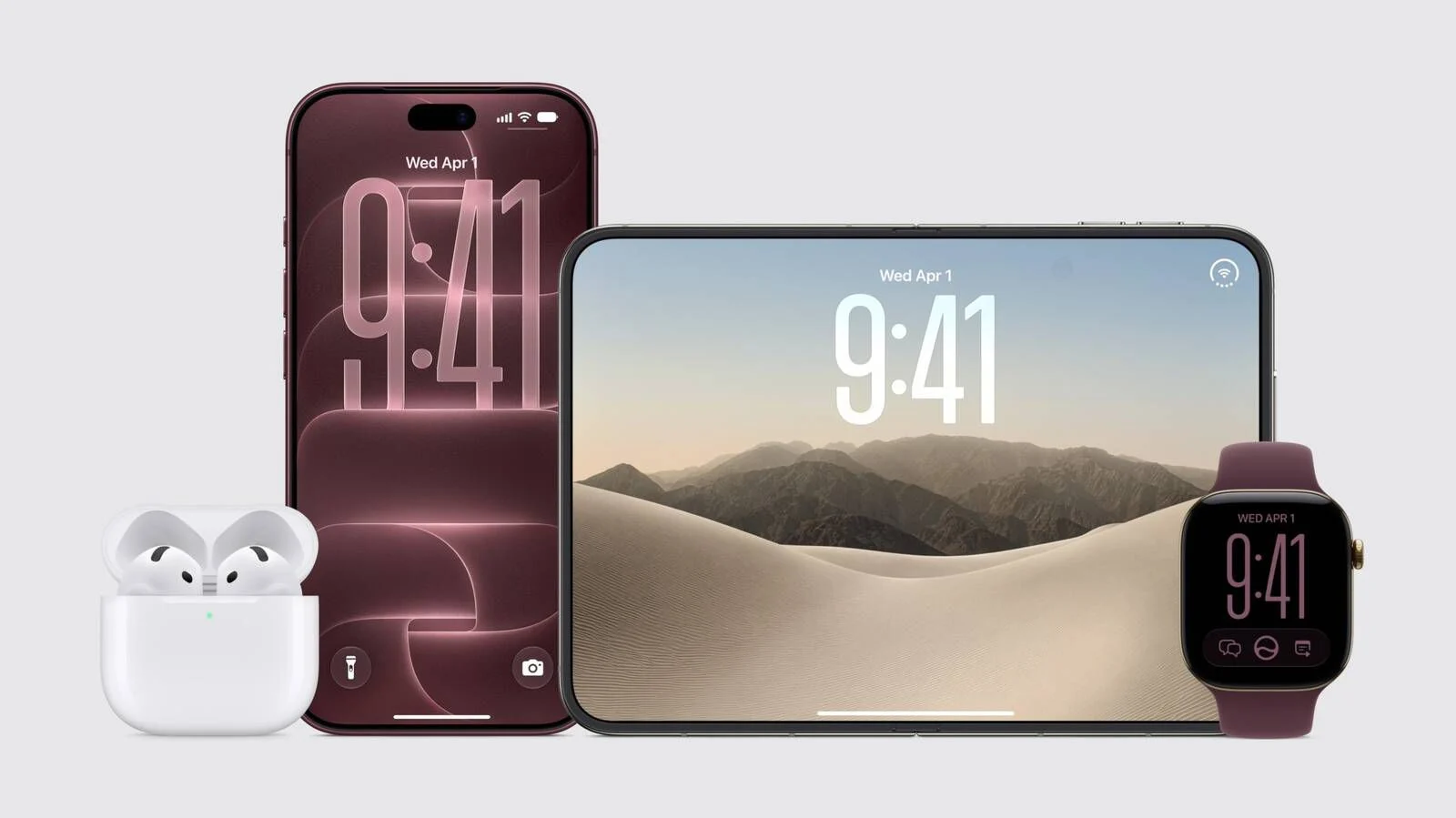
Apple has already started production of the iPhone 18 Pro’s variable-aperture camera, and its four colors have leaked, with Dark Cherry leading the lineup.