Pixel 11 Pro Fold vs Galaxy Z Fold 8: same price, and only one is sealed against dust

Index
The Pixel 11 Pro Fold and the Galaxy Z Fold 8 cost the same: $1,899. The most important difference between them is not on the spec sheet, but in two digits of a certification.
The Pixel is the only one of the two sealed against dust, and that defines how many years it lasts. The Galaxy wins in almost everything you notice on day one.
Durability: IP68 vs IP48
Google certifies the Pro Fold with IP68 and Samsung certifies the Z Fold 8 with IP48. The second digit is the same: both can withstand immersion in water. The first one changes everything. The Pixel’s 6 means dust-tight. The Galaxy’s 4 means it only blocks objects one millimeter or larger, and street dust is much smaller than that.
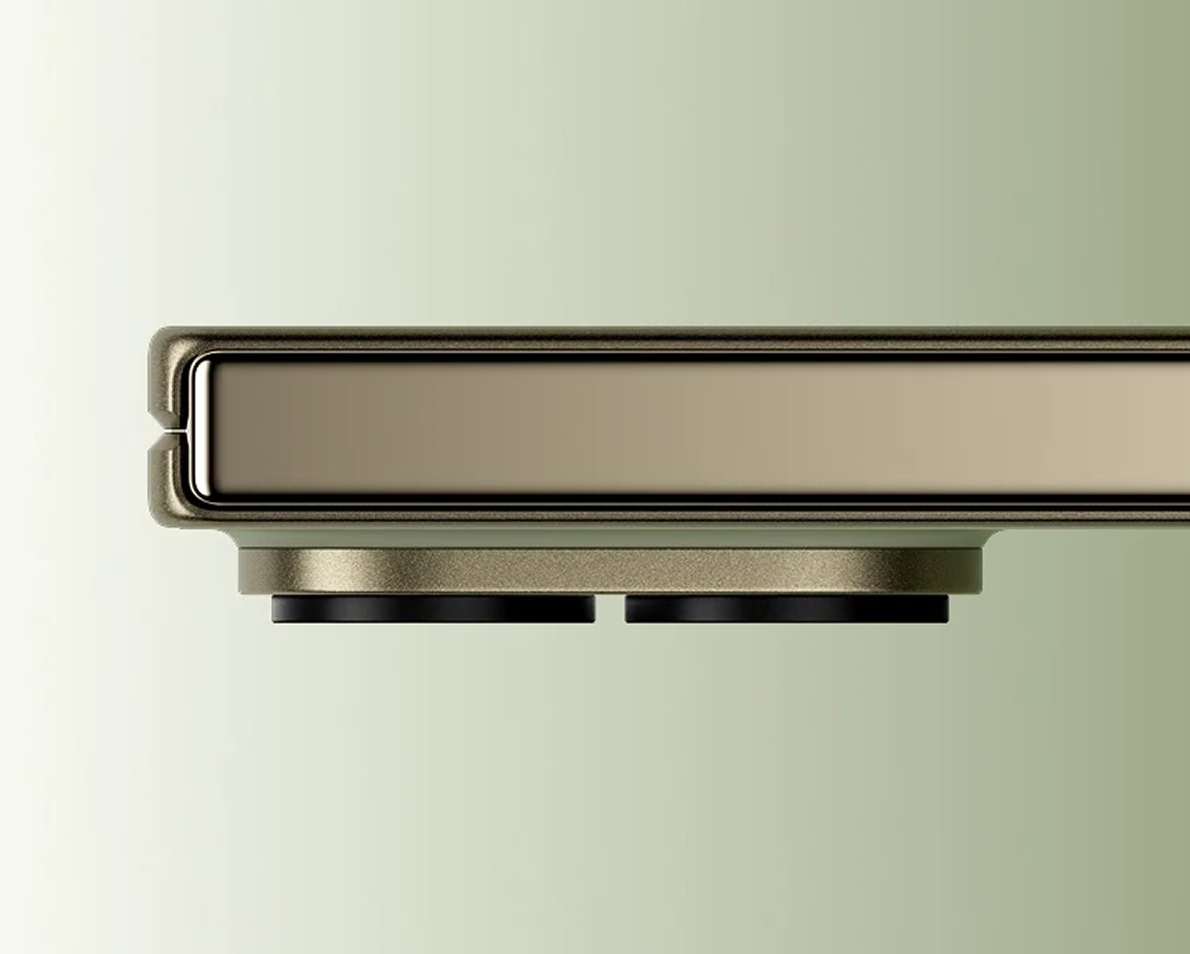
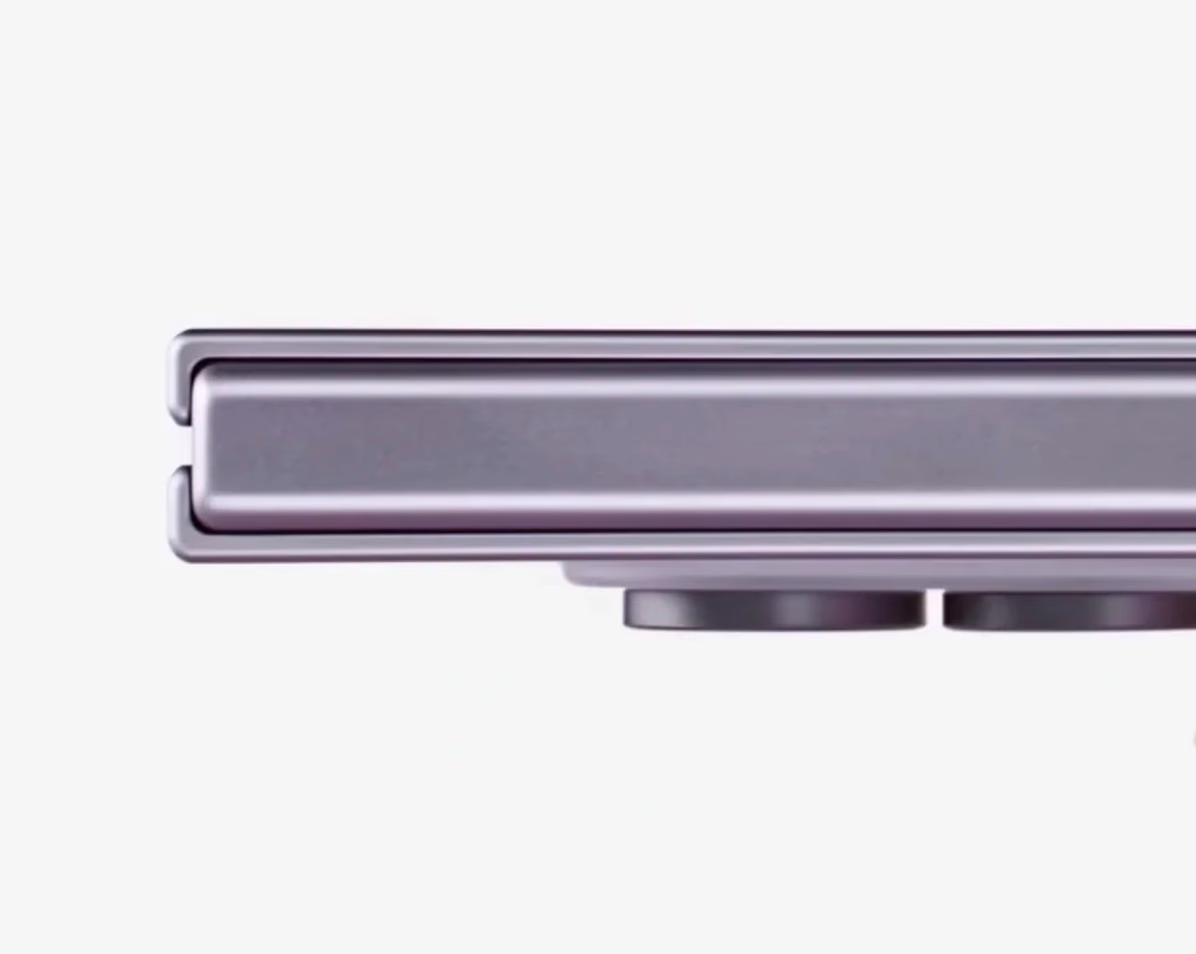
This is not theory. iFixit put 0.04-millimeter ultraviolet-reactive dust into the Z Fold 8’s hinge: when opening and closing it, the hinge began making grinding noises and the phone stopped opening normally. Samsung itself asks users to keep dust and sand away from the hinge.
The same teardown gave it a 4 out of 10 for repairability: replacing the hinge or inner display requires emptying the entire device and sacrificing both battery cells. It is not a limited repair; it becomes a bill close to the value of the phone.
On the other side, we have to be fair. The Pixel’s IP68 is a lab certification, not a field test: nobody has run that test yet on Google’s gearless hinge.
Form factor: two ideas of a foldable
Samsung redesigned its device. The Z Fold 8 is wider and shorter than any previous Fold, with a 5.5-inch outer display in a 10:16 ratio that can be used with one hand. It weighs 201 grams and measures 9.7 millimeters when folded.
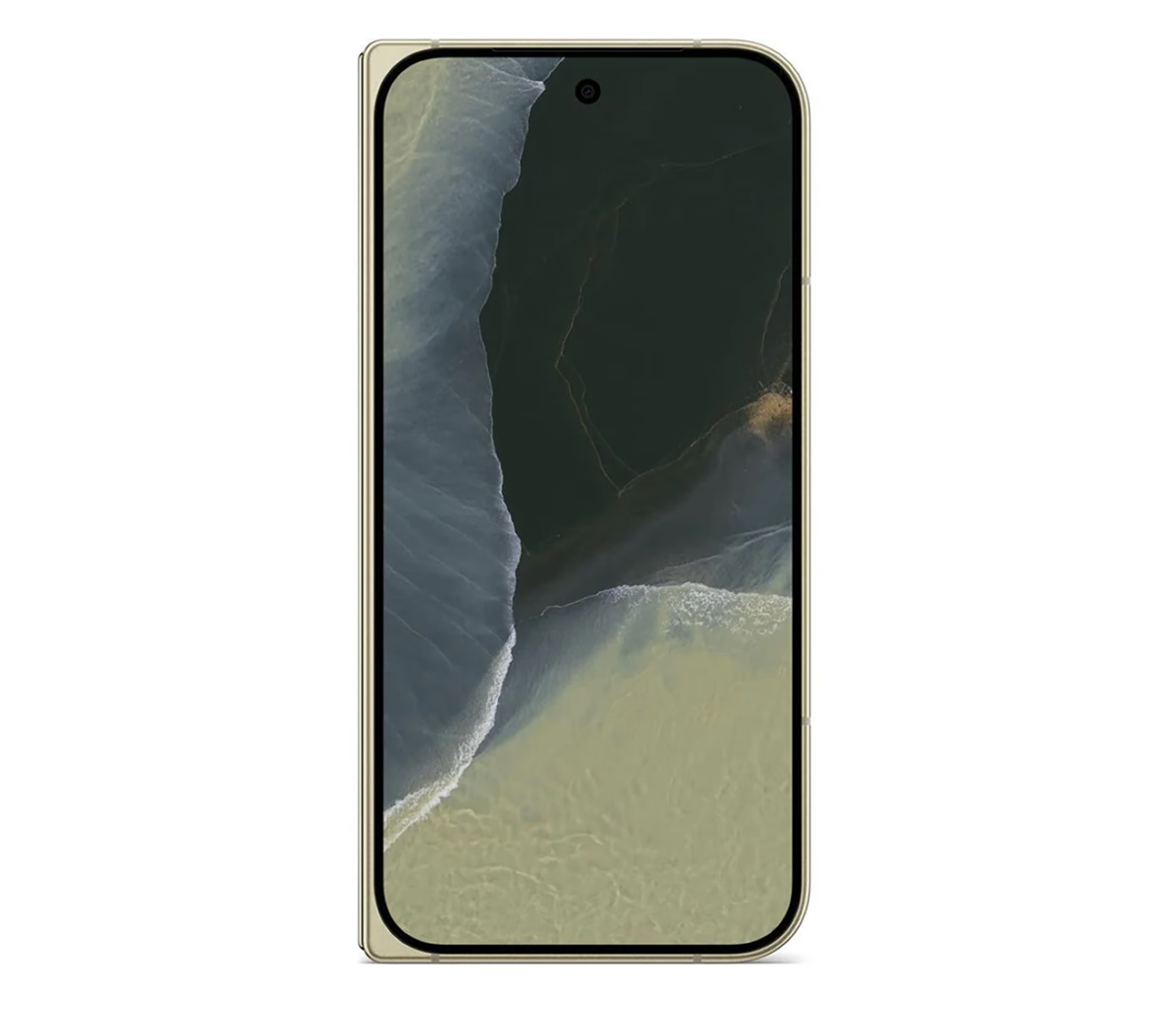
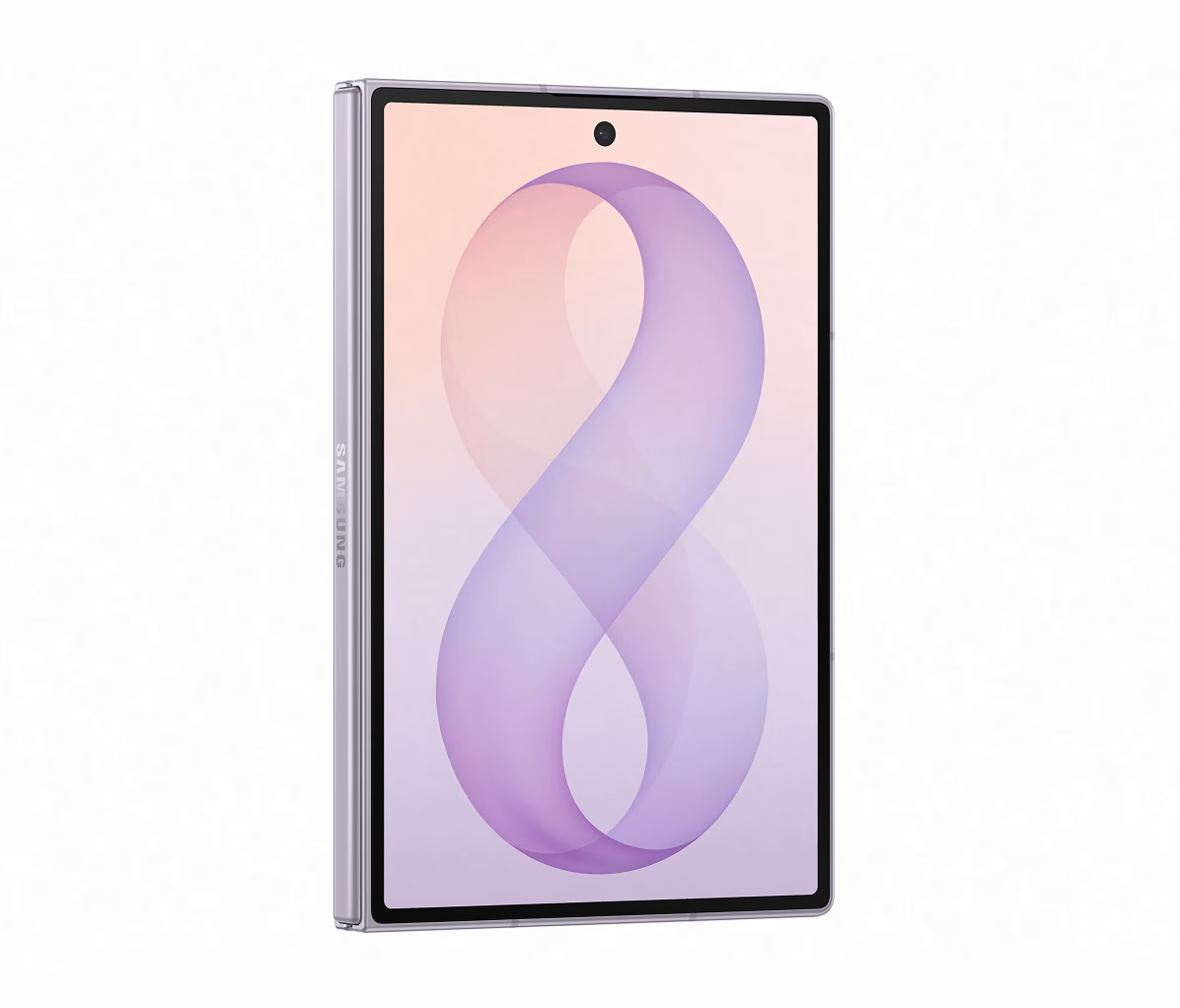
The Pixel goes the other way: a 6.5-inch outer display with a classic phone aspect ratio, 239 grams, and 10.1 millimeters. That is 38 grams more, and on a device you hold open with one hand, you feel it.
The Samsung is designed so you almost never need to open it. The Google is designed so the outer display is a complete phone and the inner one is a real leap.
Inner display and the crease
The Pixel wins on numbers: 8 inches versus 7.6, and 3,600 nits versus 3,000. The outer display also wins, with ceramic glass and the same brightness.
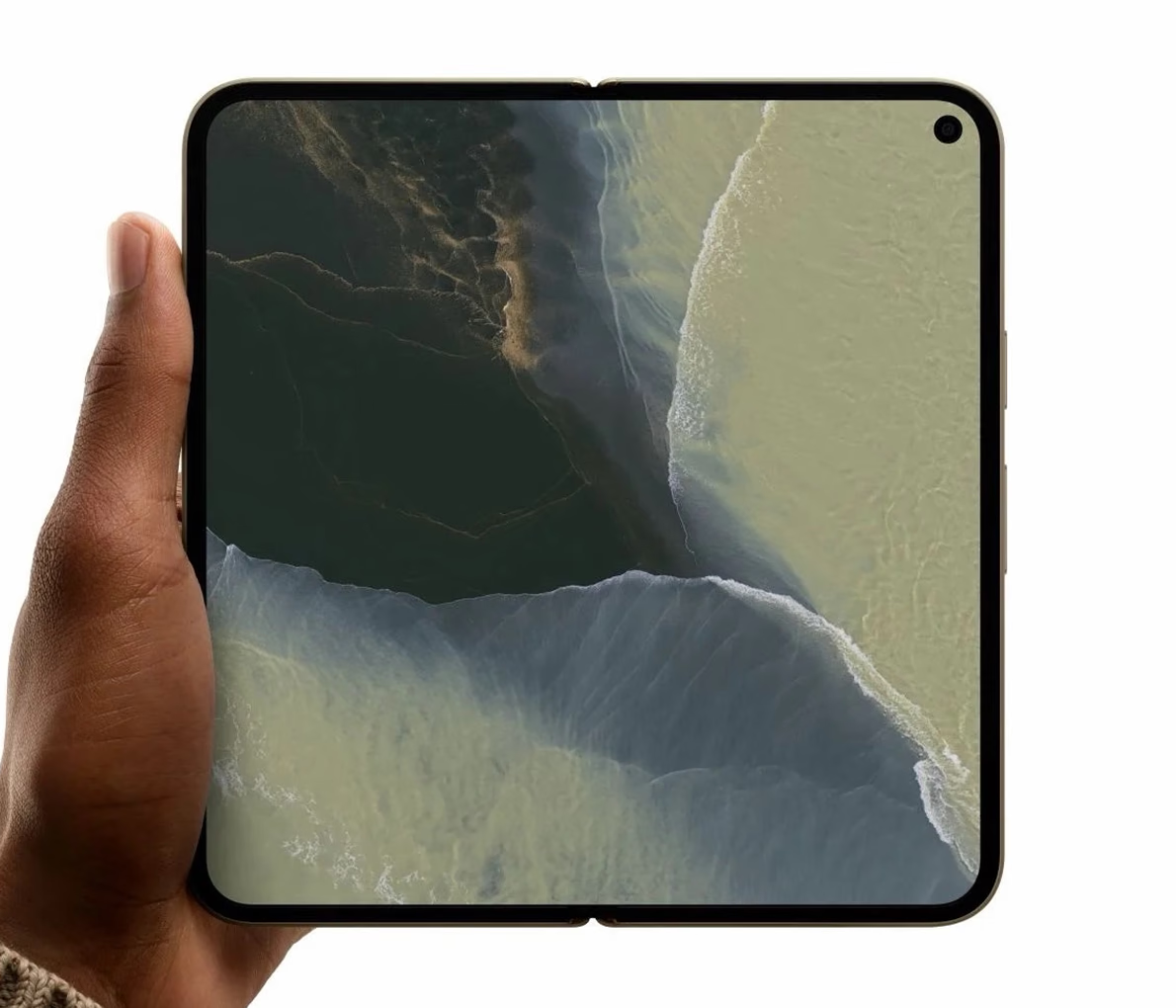
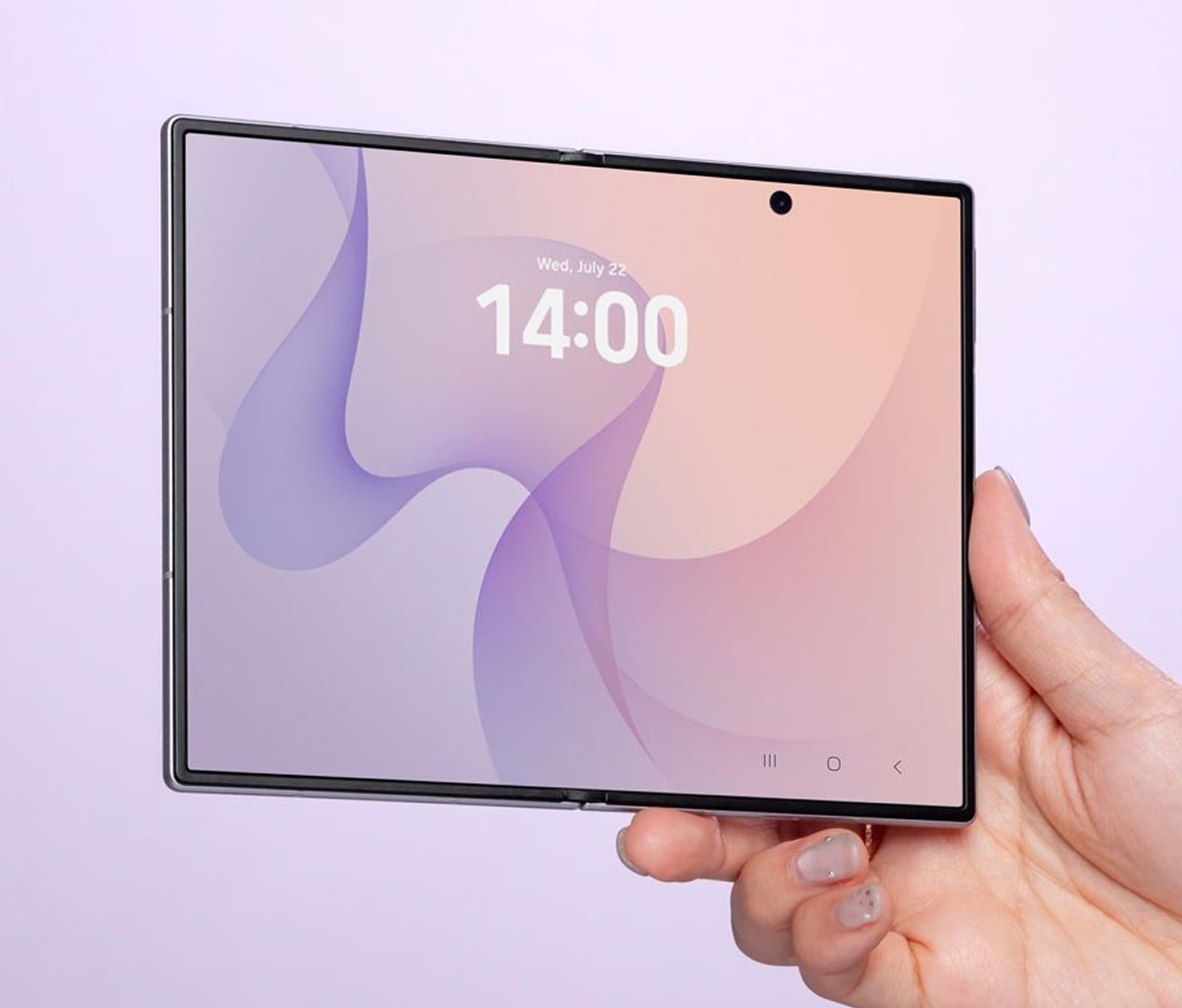
The crease is the other story. The Z Fold 8’s Flex Titanium panel almost makes the central mark disappear, according to Android Police after ten days of use. Google improved only slightly: thicker ultra-thin glass and a larger folding radius, but the crease is still there.
Google focused its effort on what breaks once. Samsung focused on what you look at every time you open the phone.
Cameras: the telephoto decides
The Pro Fold has a real 10.8 MP telephoto camera with 5x optical zoom, reaching 30x. The Z Fold 8 has no telephoto camera: its 2x comes from cropping the 50 MP main sensor. The 3x optical zoom and 200 MP camera are reserved for the Fold 8 Ultra, which costs $200 more.
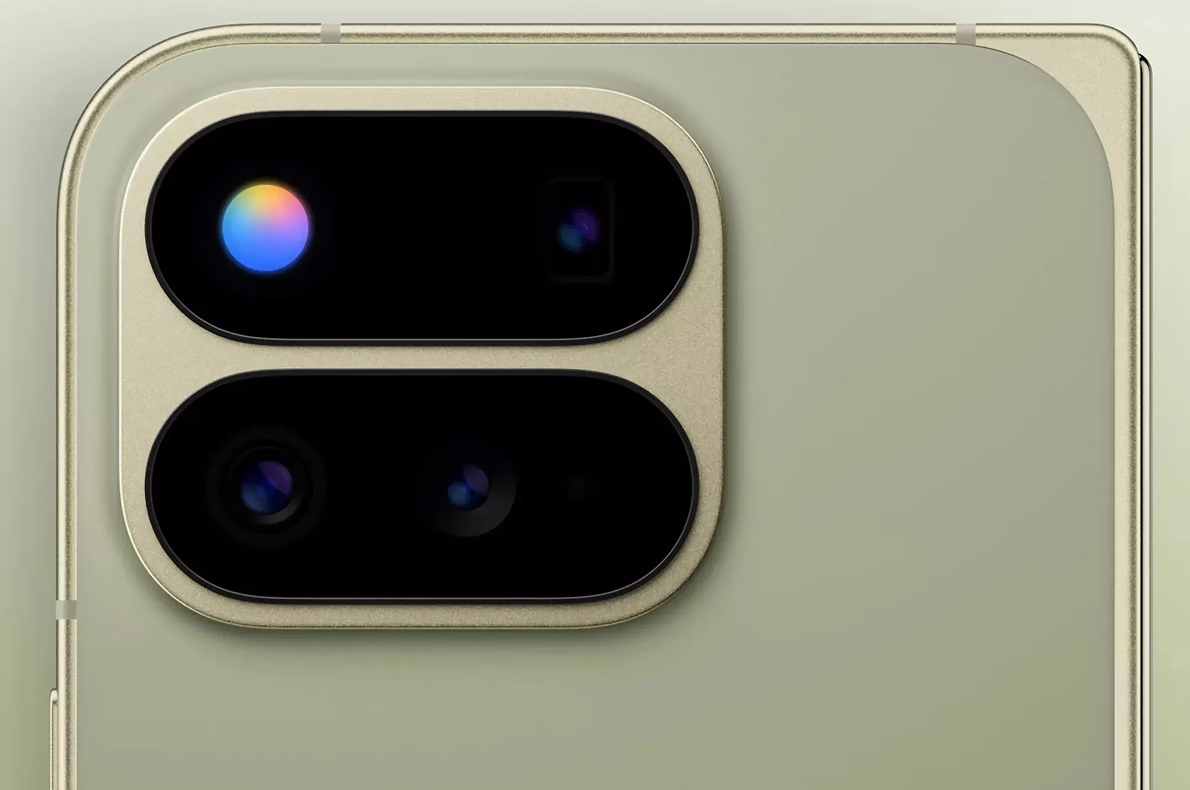
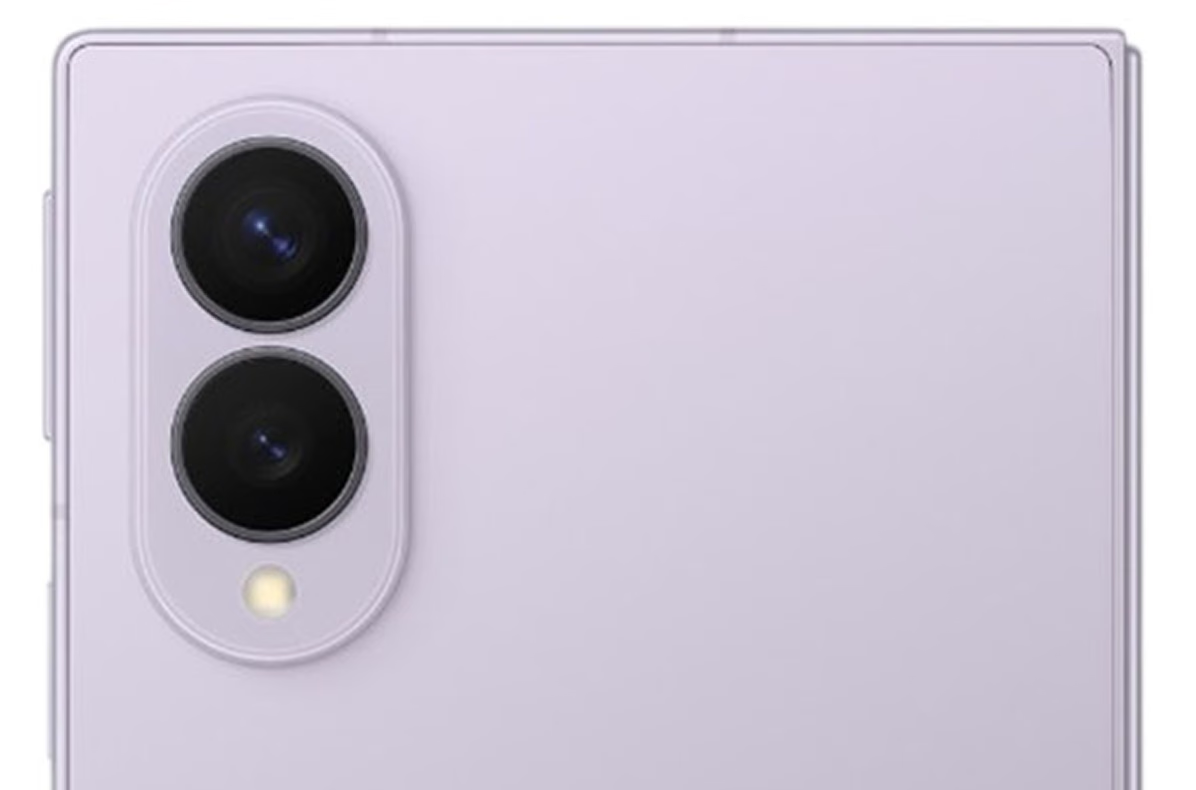
Samsung wins on resolution: 50 MP on the main camera and another 50 on the ultra-wide, versus 48 and 10.5 on the Pixel. Google wins on reach. Neither one is the best camera phone from its own brand: the Pro Fold is one generation behind the Pixel 11 Pro models, and the Fold 8 sits below the Ultra.
Battery and charging
Samsung lists a 4,800 mAh silicon-carbon battery and 45W wired charging. Google has not published the Pro Fold’s capacity: press materials mention between 4,750 and 4,806 mAh, and the brand only promises more than 24 hours. Wired charging stays at 30W, with 50% in half an hour.
Wireless flips the result: 25W with Qi2.2 versus 20W. That is little compared with the 15W advantage Samsung gets over cable.
The fact that Google does not publish the capacity on a device at this price says something, especially when the previous generation listed 5,015 mAh and this one goes lower.
Software and support
A tie where many expected Google to have an advantage: both promise seven years of OS and security updates. Buying either one means buying support through 2033.
The difference is flavor. The Pixel runs pure Android 17 with integrated Gemini and receives versions on day one. The Galaxy runs One UI 9, with multi-window refined by years of large-screen iteration.
There is a concrete asymmetry in memory: the Pro Fold has 16 GB in every version. The Z Fold 8 starts at 12 GB, though it offers a 1 TB configuration that Google does not have.
Head-to-head
Both start at the same price, so the table compares priorities, not value.
The Galaxy wins in everything you notice quickly. The Pixel wins in the two lines that define how long the device lasts: sealing and memory.
Which one is right for you
If you plan to use it for three or four years, choose the Pixel 11 Pro Fold. IP68 is the difference between the hinge surviving everyday dust or starting to scrape after a year and a half, with a repair that is never cheap on a foldable. Add 16 GB of RAM in the entry version and the real telephoto camera.
If you upgrade every two years and care about how it feels today, choose the Galaxy Z Fold 8. It is lighter, thinner, charges faster, has the cleanest crease on the market, and its outer format handles most use without opening it. In two years, dust does not have time to become a problem.
If you are serious about photography, neither one: the Fold 8 Ultra has the 3x telephoto and 200 MP camera, and the Pixel 11 Pro models have Google’s best sensors.
Frequently asked questions
What is the difference between IP68 and IP48 on a foldable?
The second digit is the same: both resist immersion in water. The first one changes everything. IP68 means dust-tight; IP48 only blocks objects one millimeter or larger, so fine dust gets into the hinge. On a foldable, that is the most common cause of failure.
Which has the better camera, the Pixel 11 Pro Fold or the Galaxy Z Fold 8?
It depends on the use case. The Pixel has a real telephoto camera with 5x optical zoom that reaches 30x; the Galaxy has no telephoto camera and its 2x comes from cropping the main sensor. Samsung wins on ultra-wide resolution, with 50 MP versus 10.5.
Which one has the less visible crease?
The Galaxy Z Fold 8. Its Flex Titanium panel almost makes the central mark disappear according to the first independent reviews. Google improved only slightly in this generation, and the crease on its inner display is still noticeable.
How many years of updates does each one get?
Seven years of OS and security updates in both cases. It is the same commitment from Google and Samsung, so support is not a criterion for choosing between them.
Pixel 11 Pro Fold
Google’s 2026 foldable, built around durability: IP68, a gearless hinge, and a composite back.
Pros
- It is the only mass-market foldable with IP68 sealing against dust.
- It has 16 GB of RAM in every version.
- It has a real 5x optical telephoto camera that reaches 30x.
- Both displays reach 3,600 nits.
Cons
- It weighs 239 grams, thirty-eight more than the Galaxy.
- The crease on the inner display is still visible.
- It charges at 30W over cable, fifteen less than its rival.
- Google did not publish the battery capacity.
Galaxy Z Fold 8
The lightest foldable on the market, with a new form factor, an almost invisible crease, and the weak point of partial dust sealing.
Pros
- At 201 grams, it is the lightest book-style foldable on the market.
- The Flex Titanium panel almost makes the crease disappear.
- 45W wired charging is 50% faster than the Pixel’s.
- The 10:16 outer display can be used with one hand like a regular phone.
Cons
- The IP48 certification does not protect against fine dust that enters through the hinge.
- It has no telephoto camera: the 2x comes from cropping the main sensor.
- The iFixit teardown gave it a 4 out of 10 for repairability.
- The 45W charger is not included in the box.
Author
Alexis PaezComparativa basada en especificaciones oficiales de ambos fabricantes, en el desarmado de iFixit y en reviews independientes del Galaxy Z Fold 8. El autor no realizó una prueba física de ninguno de los dos equipos, y el Pixel 11 Pro Fold todavía no cuenta con desarmados ni pruebas de durabilidad de terceros.
Comments
Share article
You might also like

Pixel 11 Pro Fold: an almost unbreakable back cover and a new hinge, but the crease is still there
The Pixel 11 Pro Fold weighs 239 grams and adds a gearless hinge, a fiberglass back cover, and IP68 for $1,899. Full specs and what really improved.

Galaxy Z Fold 8: the world's lightest foldable debuts a new form factor and drops the telephoto camera
Samsung introduced the Galaxy Z Fold 8 with a wide form factor, 201 grams, and a 10:16 cover display. Price, full specs, and why it does not replace the Fold 7.

Galaxy Z Fold 8 vs Fold 8 Ultra: which one makes sense and why the name is confusing
Form factor, cameras, battery, and price: all the differences between the Galaxy Z Fold 8 and the Fold 8 Ultra, and which one makes sense depending on how you use your phone.

Which Pixel 11 to buy: which of the four is right for you and which configuration to choose
The Pixel 11, the Pro, the Pro XL, or the foldable: which one makes sense depending on your use, what really changes between them, and which RAM and storage configuration to choose.