Pixel 11 Pro Fold: an almost unbreakable back cover and a new hinge, but the crease is still there

Index
The Pixel 11 Pro Fold costs $1,899, weighs 239 grams, and arrives with the most aggressive durability pitch Google has ever given a foldable: a fiberglass-composite back cover, a gearless hinge, and ceramic glass on the outer display. Three times more durable than the previous model, the company says. What barely changed is the inner display.
Durability: an unbreakable back cover and a gearless hinge
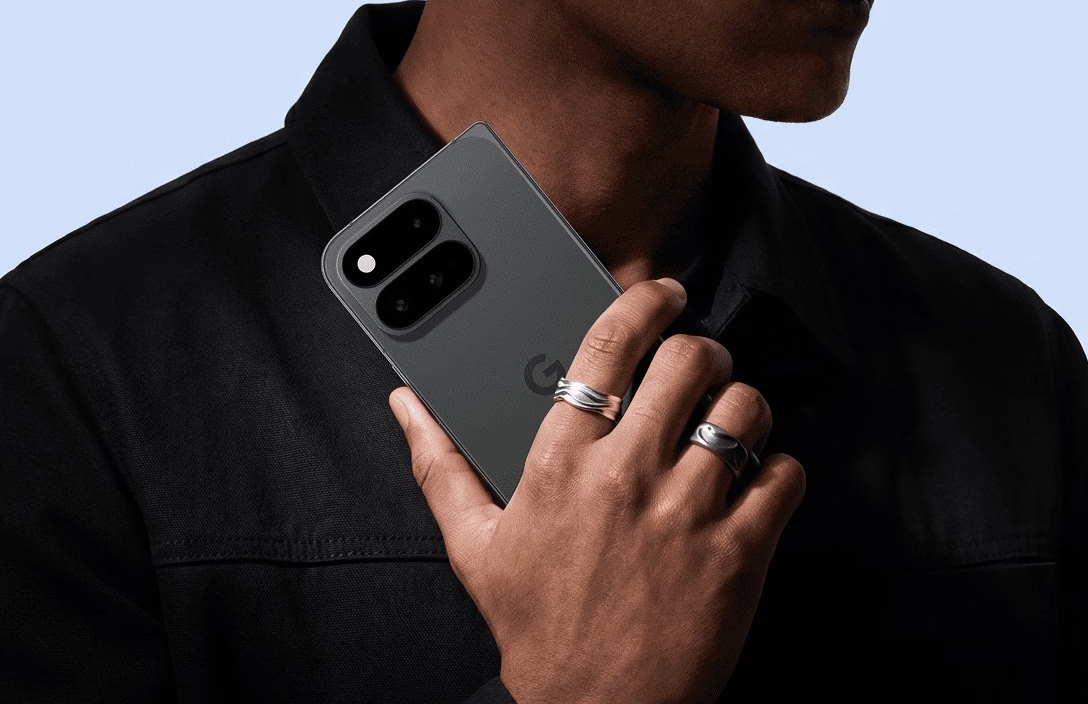
The rear cover swapped glass for a fiberglass composite that Google describes as almost impossible to break. In 9to5Google's hands-on, a Google employee said that during the bend test, the cover wrapped around the machine that was supposed to snap it instead of cracking.
The hinge is new and has no gears. It is designed to absorb impacts around the crease area, which is where a drop often ends up ruining the inner display.
The detail that gets repeated the least is the most important one for the device's lifespan: it keeps IP68 certification, which no other mass-market foldable offers today. The real enemy of a foldable is not a drop but dust, which enters through the hinge, gets between the layers, and ruins the panel from the inside. A foldable sealed against dust lasts years longer than one that is not, and that matters more than any bend test.
Design and materials
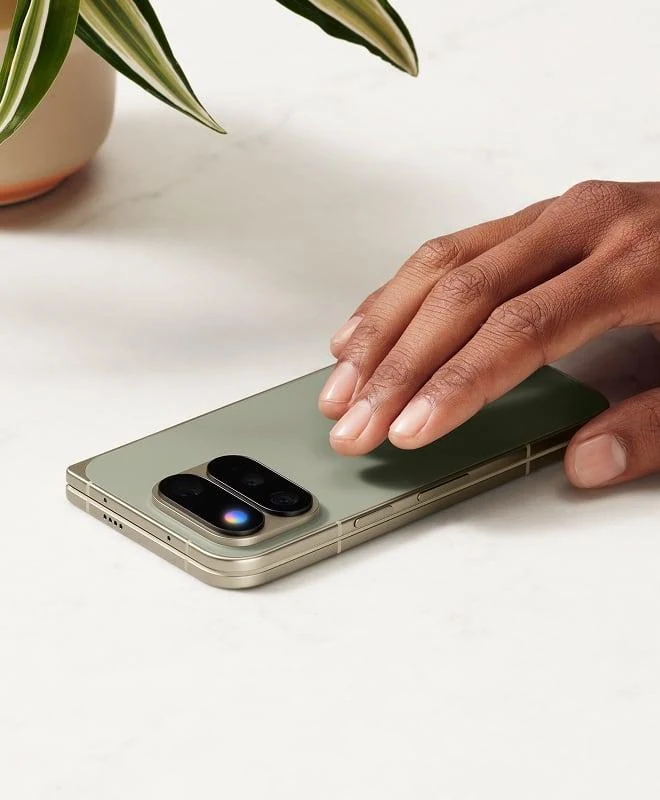
It weighs 239 grams, almost twenty less than the previous generation, and measures 10.1 millimeters folded versus 10.8 on the prior model. Open, it is 5 millimeters thick. The display bezels are thinner.
In the hand, the change is more noticeable than the number suggests: twenty grams in a device you hold open with one hand is the difference between using it like a tablet for a long stretch or not.
The displays: the outer one takes a leap, the inner one not so much
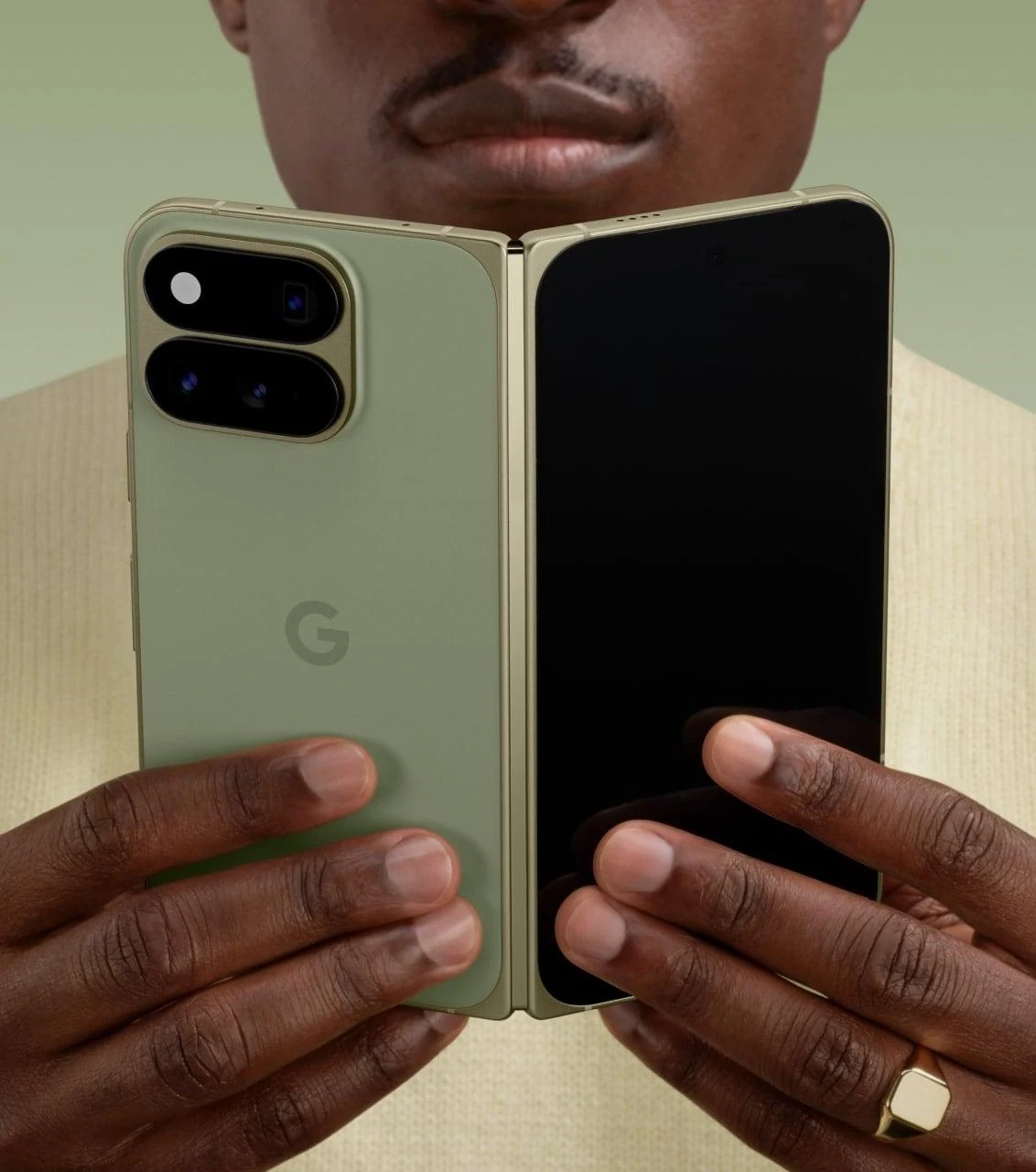
Both go up to 3,600 nits, 20% more brightness. The outer display is 6.5 inches and debuts a ceramic glass that Google rates as three times more durable. The inner display is an 8-inch Super Actua Flex.
Here is this generation's asterisk. The inner display received far more modest upgrades: thicker ultra-thin glass and a larger folding radius to help hide the mark. In early press impressions, the crease looks only slightly better than before and remains behind what Samsung and Oppo have already achieved. Google put the effort into what breaks, not into what you see every day.
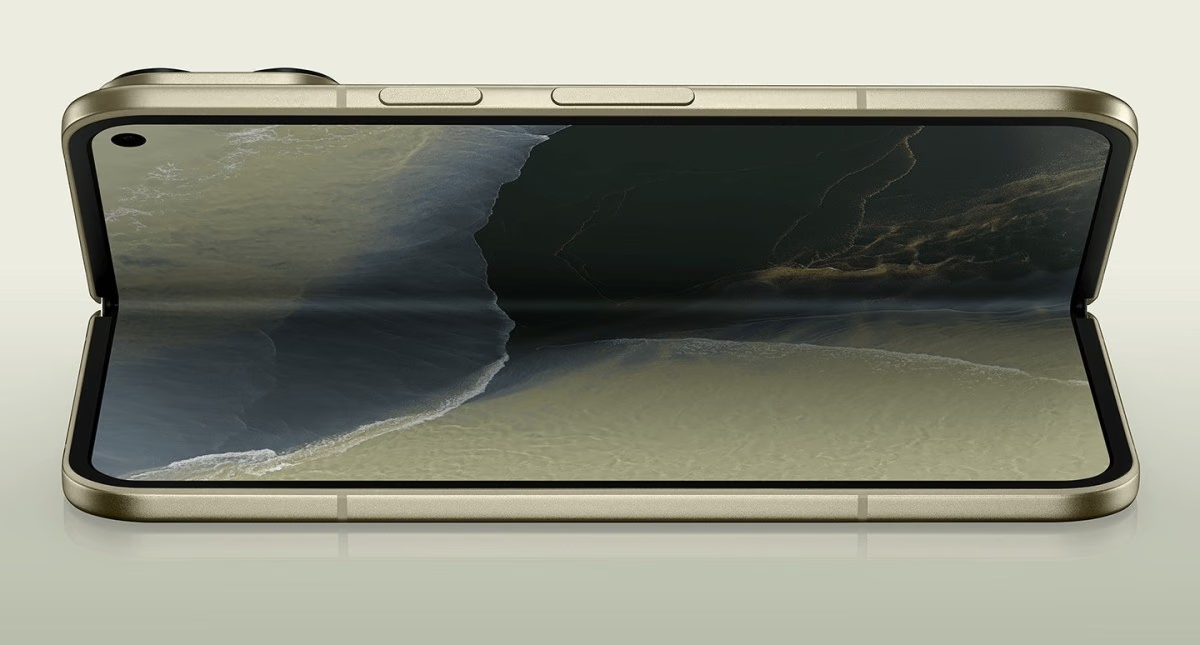
Cameras and HiLight
The system includes a 48 MP main camera, a 10.5 MP ultra-wide, and a 10.8 MP telephoto with 5x optical zoom, reaching 30x with Super Zoom. There are two 10 MP front cameras, one on each display. This is where the Fold clearly falls below the Pro models, which debuted new sensors.
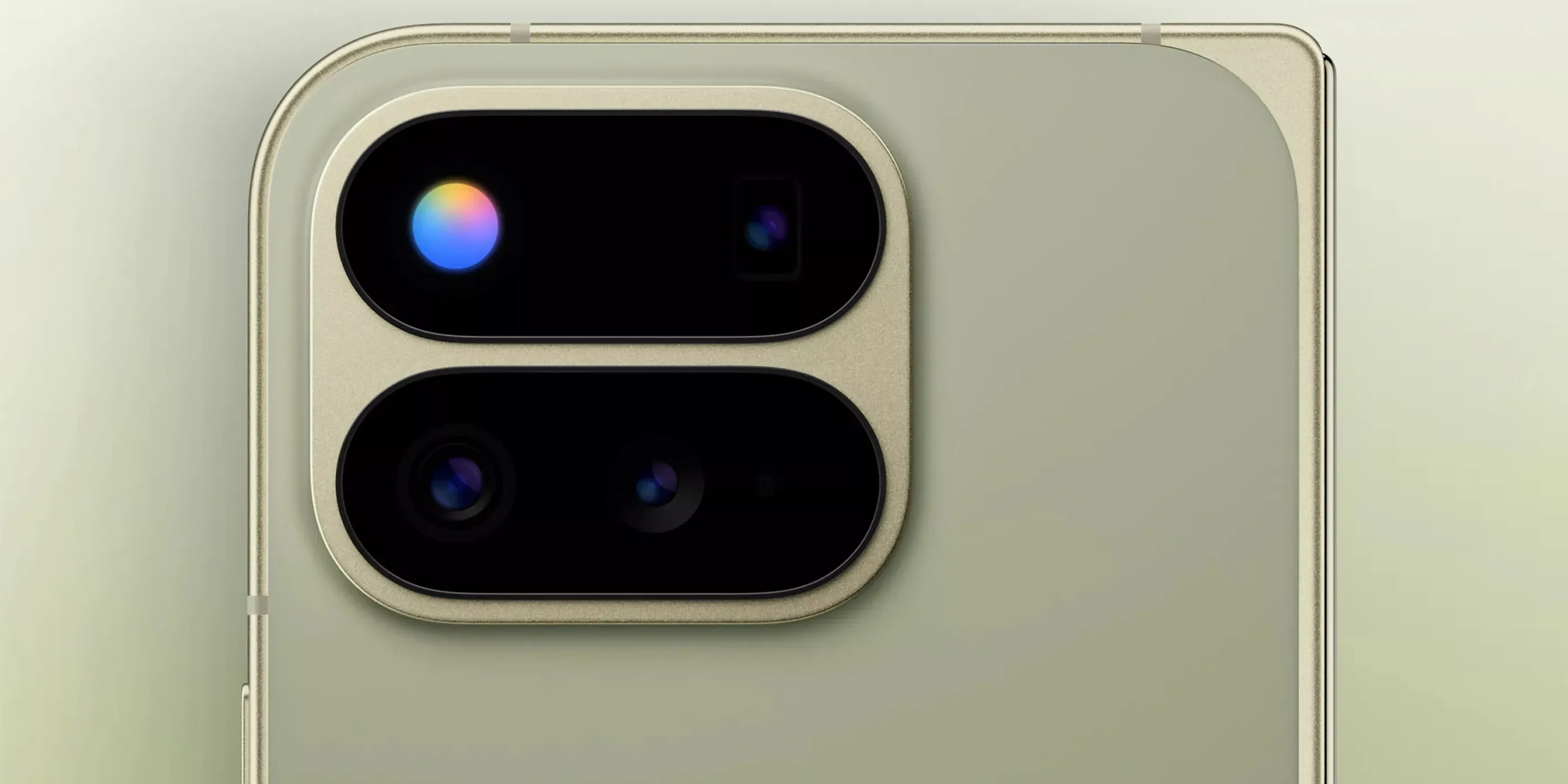
HiLight is here too, although it is positioned in the upper-left corner instead of to one side of the bar. It works the same way: it alerts you to calls from favorite contacts and Gemini status when the phone is face down.
Software: two screens for what a regular phone cannot do
The format enables things that make no sense on a closed phone. The most interesting is Live Transcribe with sign language in Gboard: the camera interprets signs and turns them into text. With both screens on, each person in a conversation sees their own side.
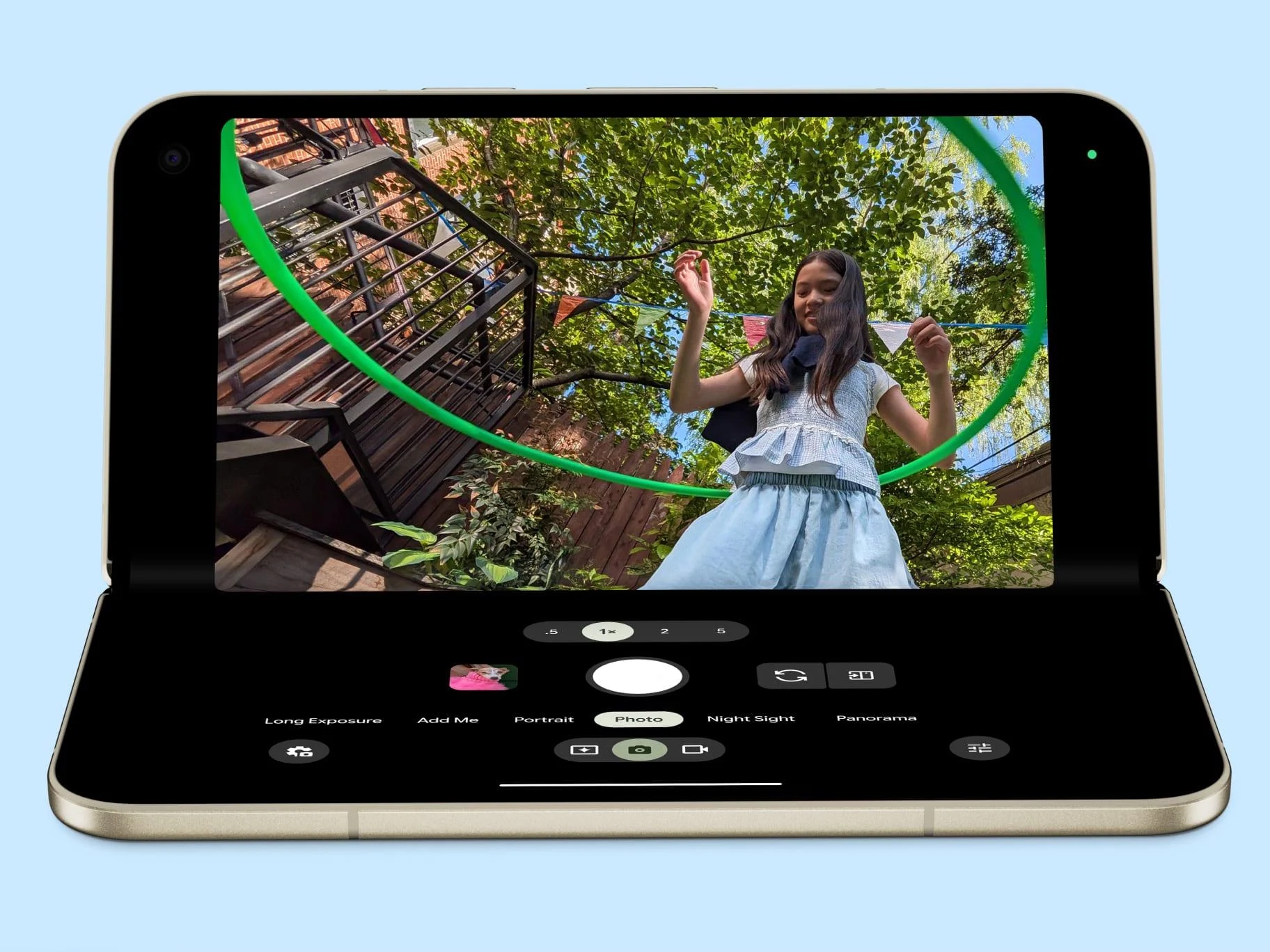
Android 17 also adds the Bubble Bar and App Handles, designed to manage several apps at once on the large display, while tabletop mode lets the device stand on its own for recording or video calls.
Tensor G6, memory, and battery
It has the Tensor G6 with 16 GB of RAM in every version, unlike the Pro and Pro XL, which start at 12 GB. In terms of memory, it is the best-equipped Pixel of the generation.
The battery is down from the previous model's 5,015 mAh — press spec sheets list figures between 4,750 and 4,806 mAh, and Google did not publish the capacity — although the brand claims more than 24 hours of battery life thanks to the efficiency of the new chip. It is a questionable decision in a device at this price. Wired charging reaches 50% in half an hour with 30W, and wireless charging rises to 25W with Qi2.2.
Price and availability
It costs $1,899 in the 256 GB version, $100 more than the previous model. Preorders opened on August 12 and it reaches stores on August 20, alongside the rest of the lineup. Google is also adding its own case that covers the hinge.
Conclusion
Google chose well where to spend the money: the back cover, the hinge, and the dust sealing are exactly what make a foldable survive three years instead of one. It is the right read on why this category creates distrust, and no other brand executes it as completely as this device's IP68.
What it did not solve is what the user sees every time they open the phone. The crease is still there, and the cameras are a generation behind its own Pro models. If you care about a foldable holding up, this is the most sensible one on the market. If you want the best camera or the cleanest inner panel, there are better options for less money.
Pixel 11 Pro Fold
Google's foldable for 2026: 239 grams, gearless hinge, composite back cover, and IP68 for $1,899.
Pros
- Keeps IP68 certification, which no other mass-market foldable offers.
- The fiberglass-composite back cover survived the bend test without cracking.
- It weighs 239 grams, almost twenty less than the previous generation.
- It has 16 GB of RAM in every version, more than the Pro and Pro XL.
- Both displays reach 3,600 nits, 20% more brightness.
Cons
- The inner display crease is only slightly improved over the previous model.
- The cameras are a generation behind those on the Pixel 11 Pro.
- The battery is down from the previous model's 5,015 mAh.
- It costs $100 more than the Pixel 10 Pro Fold.
Author
Alexis PaezReport based on official announcements and verified public sources at the time of publishing.
Comments
Share article
You might also like

Pixel 11 Pro Fold vs Galaxy Z Fold 8: same price, and only one is sealed against dust
Both cost $1,899. We compare sealing, crease, cameras, and charging, and why the Pixel’s IP68 rating defines more years of useful life than any spec sheet number.

Which Pixel 11 to buy: which of the four is right for you and which configuration to choose
The Pixel 11, the Pro, the Pro XL, or the foldable: which one makes sense depending on your use, what really changes between them, and which RAM and storage configuration to choose.

Pixel 11: 30x zoom and fast wireless charging come to the base model, but it misses out on HiLight
The Pixel 11 inherits the Pro models’ 5x telephoto and 30x Super Zoom for $899. Full specs, price, sale date, and what it gives up versus the Pro models.

Pixel 11 Pro and Pro XL: HiLight, 120x zoom, and the first vapor chamber in a Pixel
The Pixel 11 Pro and Pro XL add HiLight, 120x Pro Zoom, a vapor chamber, and 3,600 nits. Full specs, pricing, and the asterisk around 12 GB of RAM.