Xiaomi 18 Fold: the first foldable with an in-house chip arrives two days before Apple’s
Index
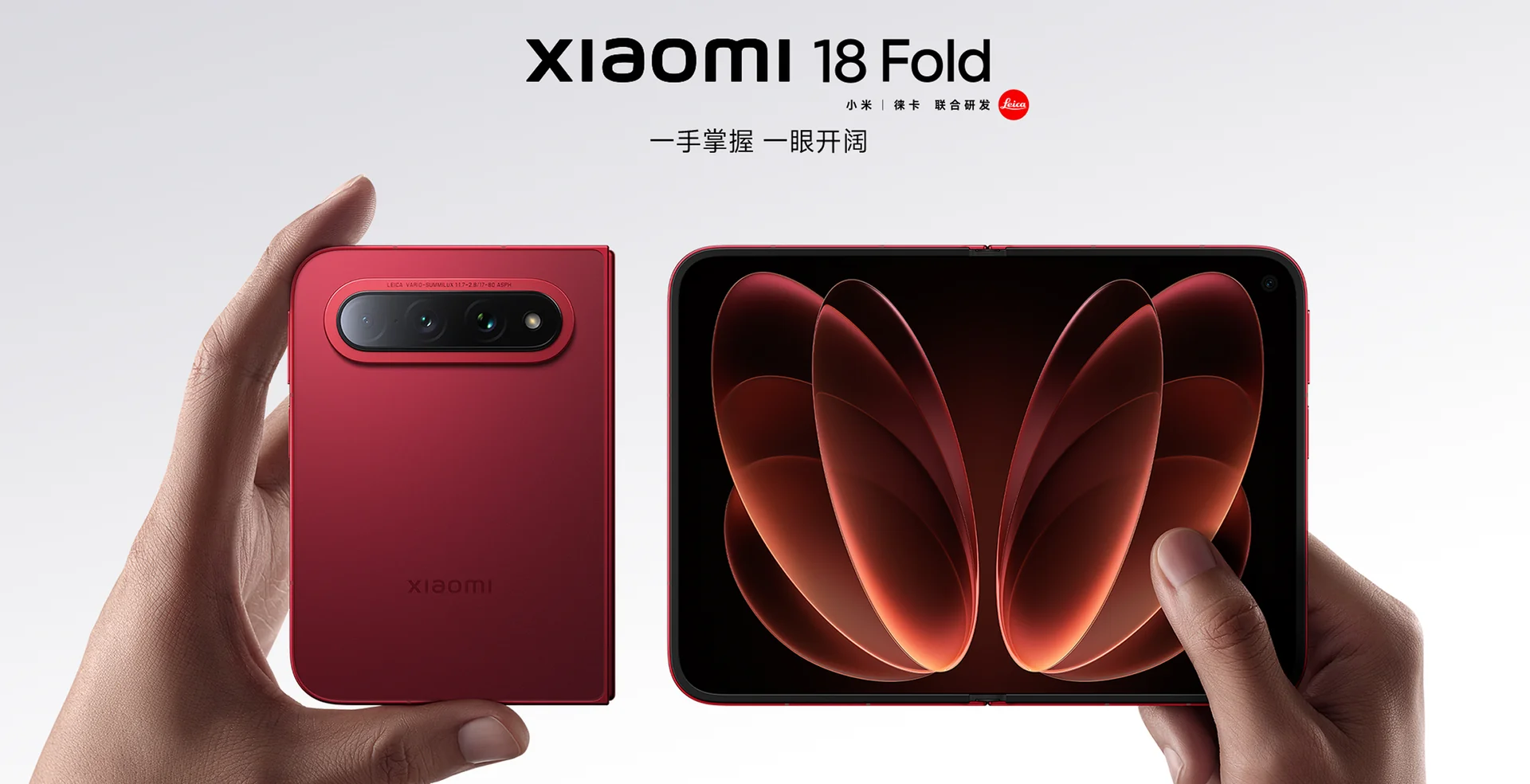
Xiaomi introduced the Xiaomi 18 Fold at its September 7 fall event, and Lei Jun described it as the most expensive phone the brand has ever made: twenty months of development and an entry price of 10,999 yuan, about $1,638. It is a wide-format foldable that measures 5.02 millimeters when open, weighs 219 grams, and goes on sale in China on September 10.
The shape is not the important part. The chip is: the XRING O3 is Xiaomi’s first in-house processor inside a foldable, the first on the market to support LPDDR6 memory, and it arrives two days before Apple presents its own foldable.
What a mid-fold is and why the wide format is no longer surprising
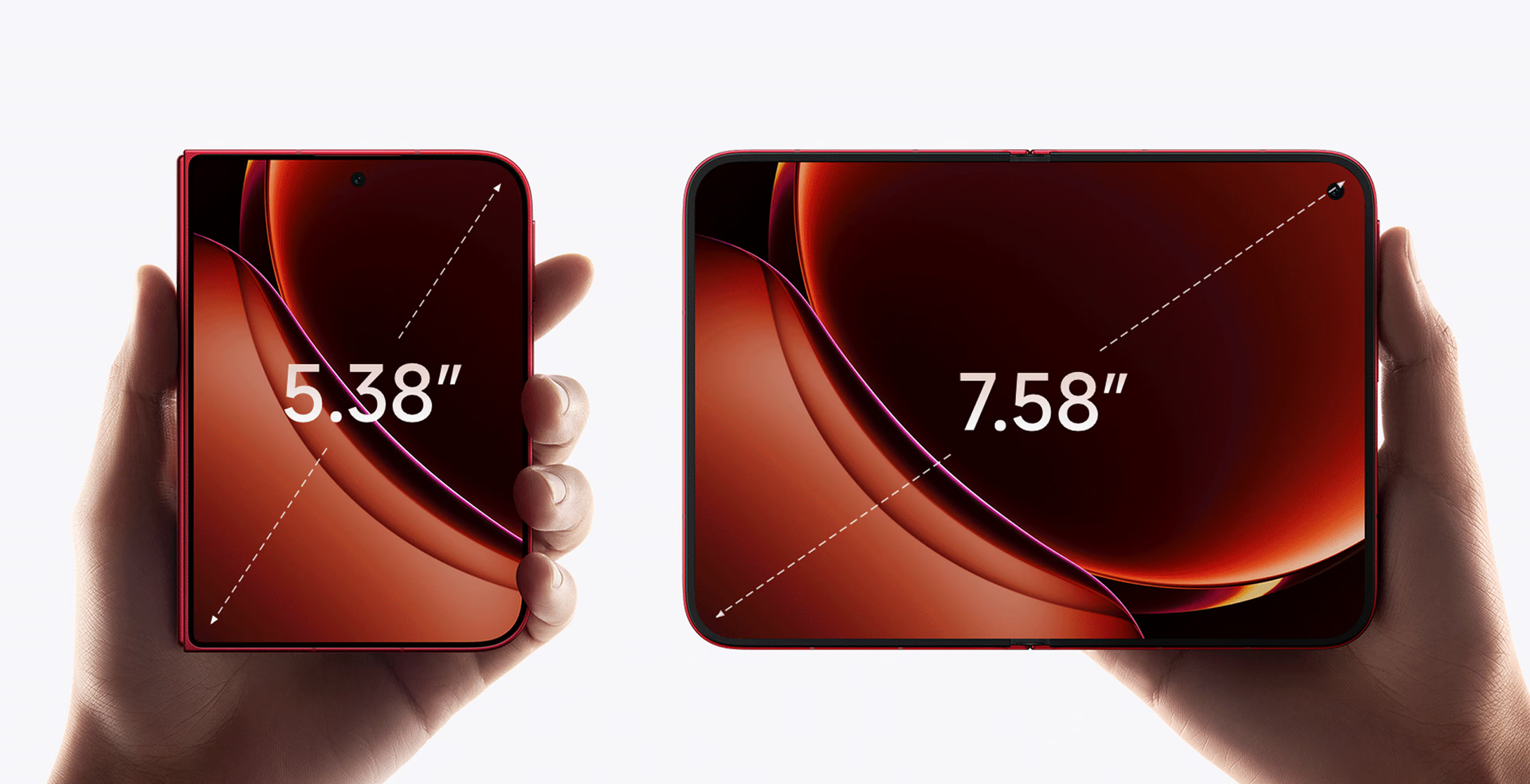
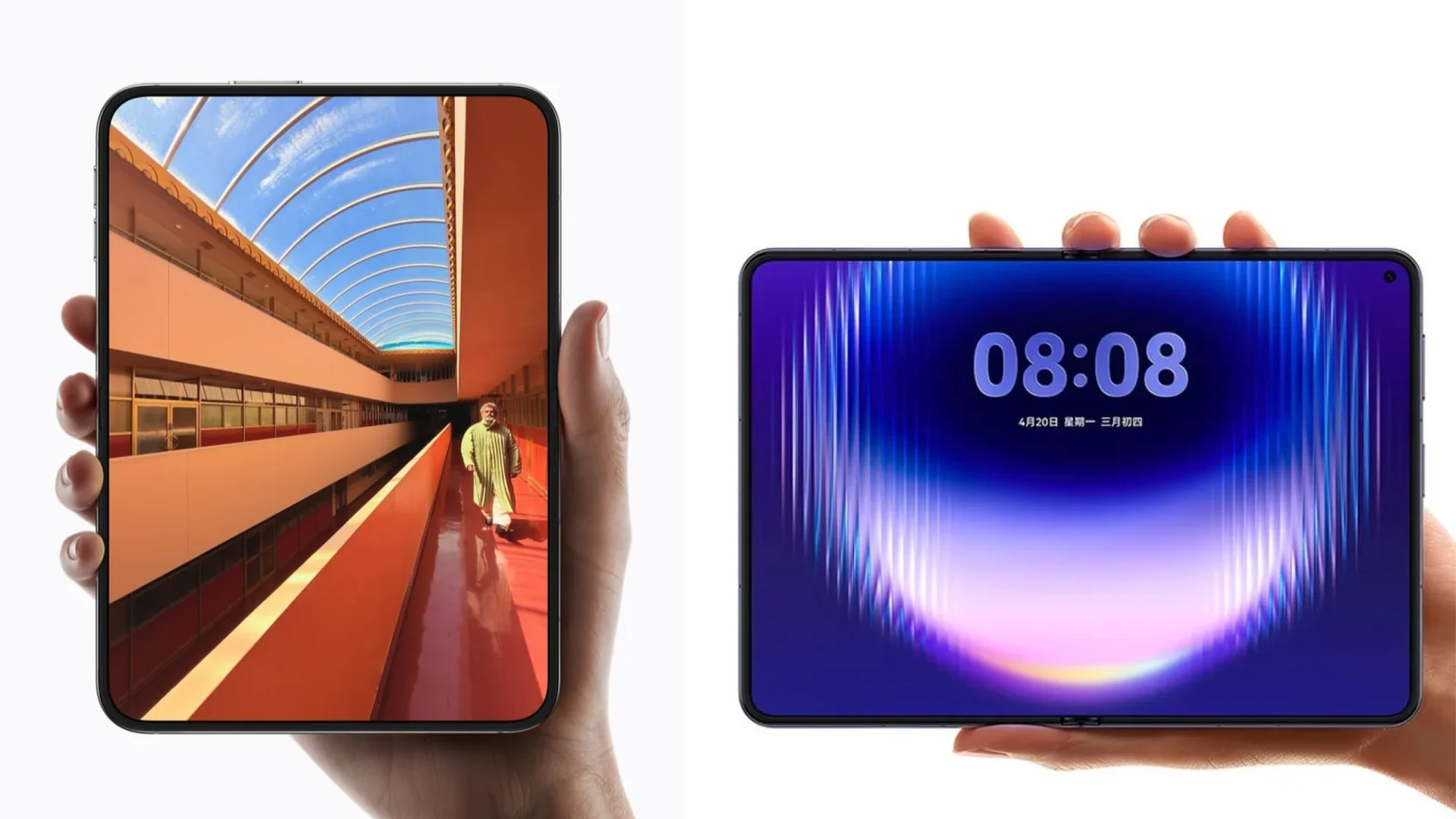
Xiaomi calls it a "mid-fold": a device that folds like a book, but horizontally. Closed, it becomes a short, wide 117.8 × 83.6 millimeter rectangle, similar to a passport; opened, it turns into a landscape-oriented display. The outer screen measures 5.38 inches and the inner one 7.58 inches, both with an aspect ratio close to 2:1 that Xiaomi associates with the dimensions of a sheet of paper.
The argument in favor of the format is specific: a video, a document, or two apps side by side fit completely without black bars, and the cover screen can be used one-handed like a regular phone. The counterargument is just as clear: vertical social media content is wasted on the large display.
What is worth saying is that Xiaomi is the fourth company to arrive at this shape. Huawei debuted the wide format in April with the Pura X Max, Samsung adopted it in July and gave up the telephoto lens to achieve it, Motorola has already shown sketches of its own, and Apple presents its model on September 9. In five months, the wide foldable went from oddity to industry standard, so the novelty of the Xiaomi 18 Fold has to be found inside.
Design: series 7 aluminum, four finishes, and a ceramic edition
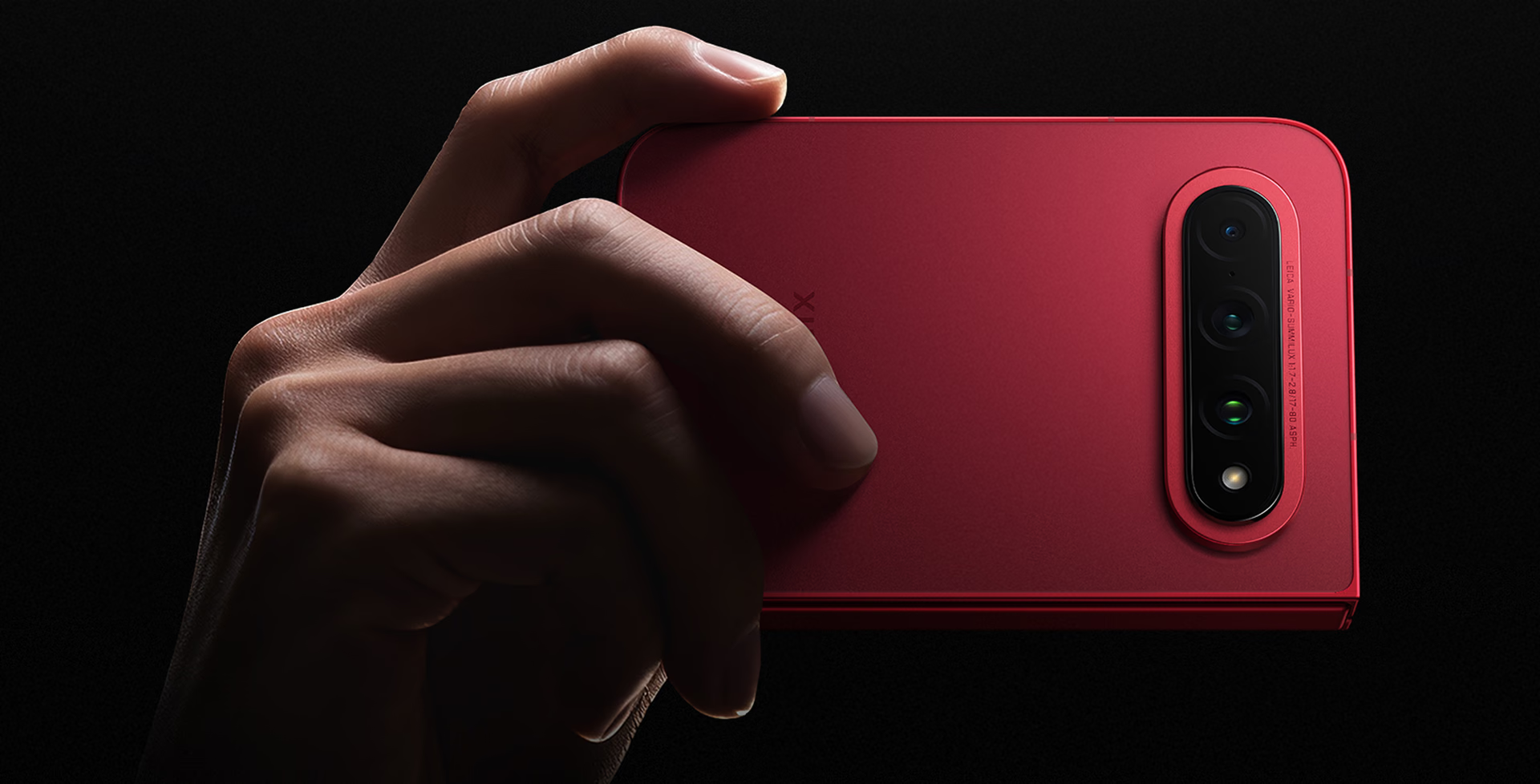
The frame is flat and wraps around the edges, with rounded corners and a camera module shaped like a running track. The structure combines a series 7 aluminum frame with Shield Glass 3.0 on the cover, and Xiaomi certifies drop resistance of up to 1.2 meters.
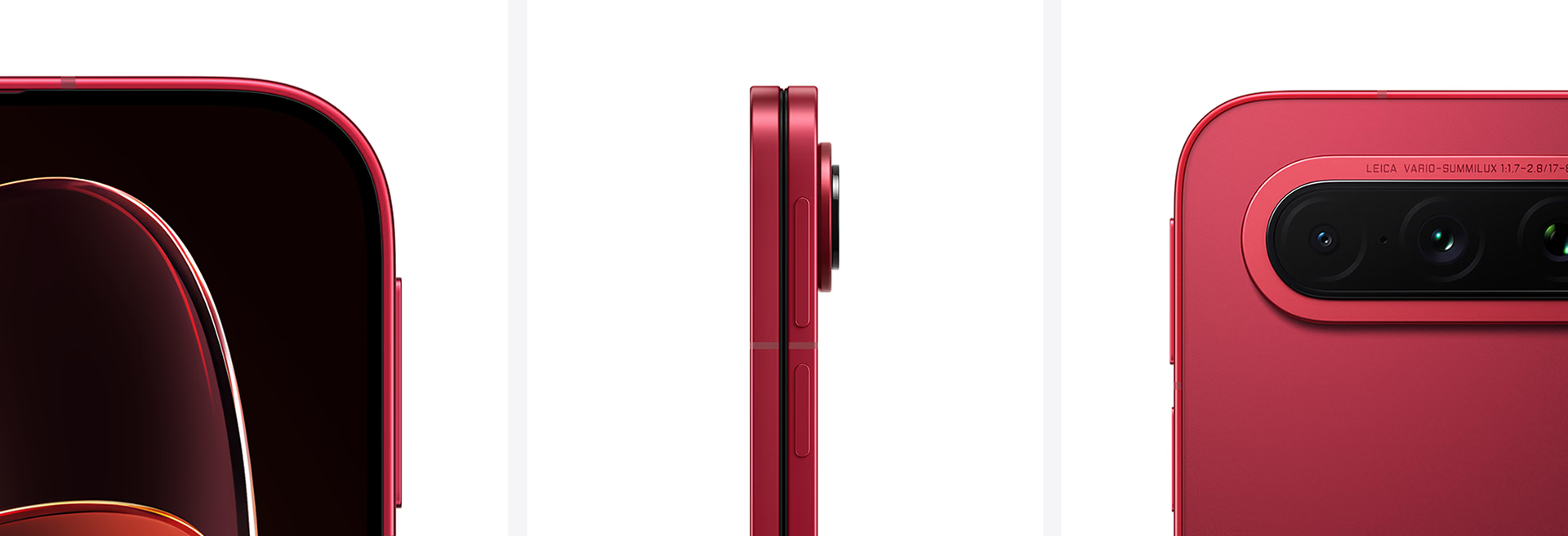
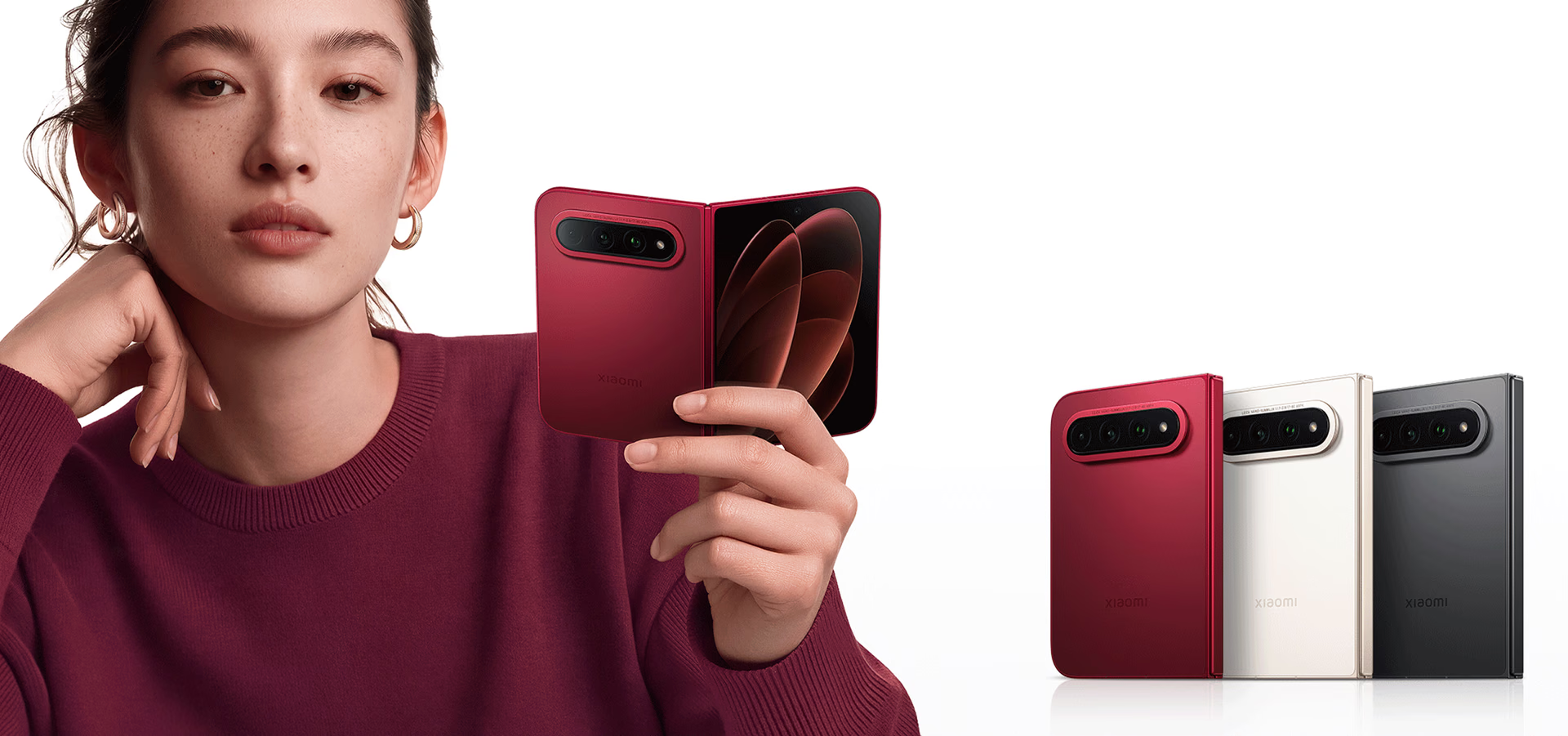
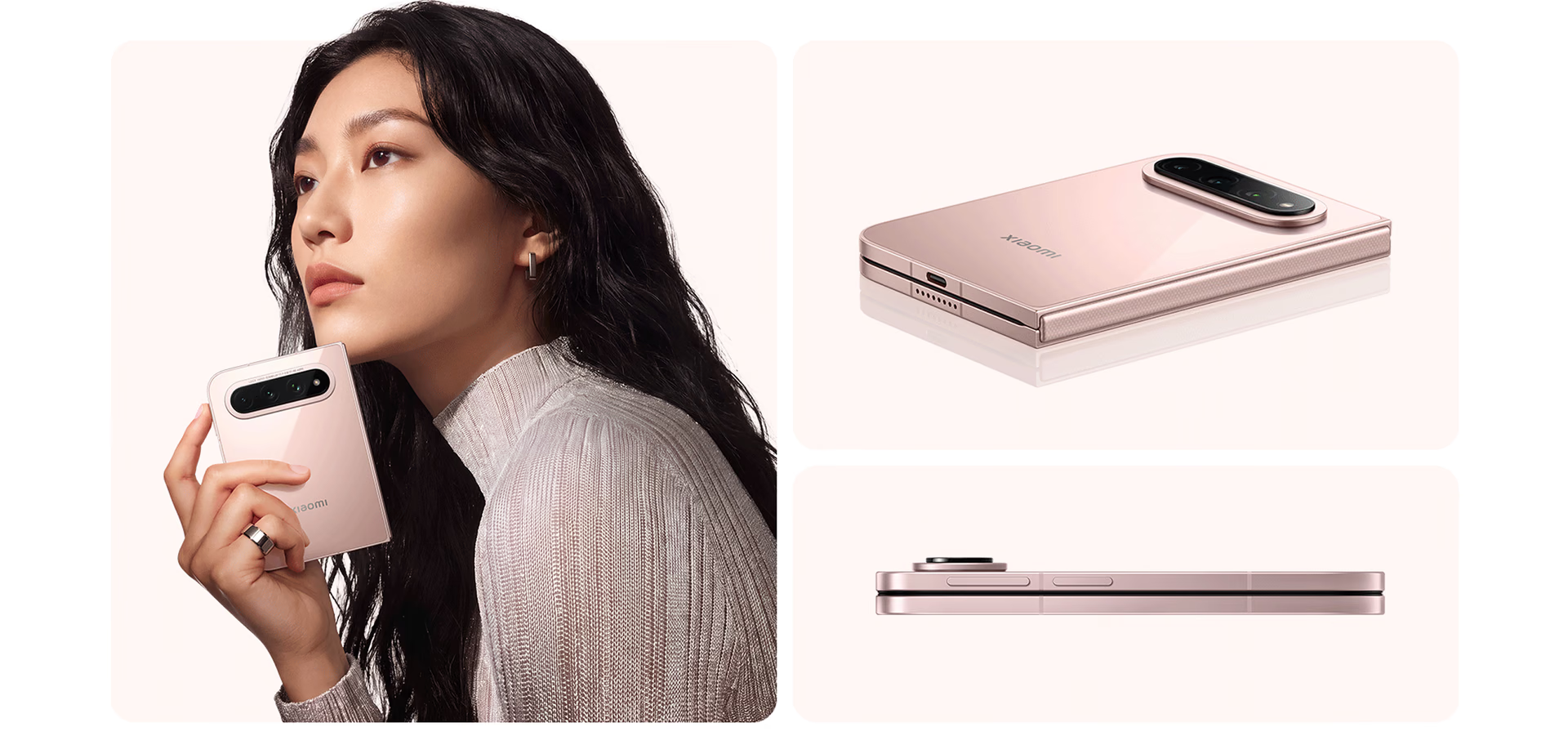
There are four finishes: black, red, Warm Gold, and a special ceramic edition sold only in the 16 GB with 1 TB configuration. Cherry red is the campaign color, and the overlap with what is rumored for Apple’s foldable is hard to read as a coincidence.
Displays: 4,000 nits and a dual layer of ultra-thin glass
Both displays are 120 Hz AMOLED panels with P3 color gamut and 4,000 nits of peak brightness. The outer screen has a resolution of 1,712 × 1,168 pixels and the inner one 2,364 × 1,672, so density remains consistent between closed and open states, something earlier generations of foldables did not achieve.
The interesting part is the glass. The flexible display uses two layers of UTG instead of one: the outer layer is 50 microns and the inner layer is 30. Xiaomi says the outer layer improves reliability by 178% and the inner layer improves impact resistance by 29%, figures measured in its own lab and still without independent verification.
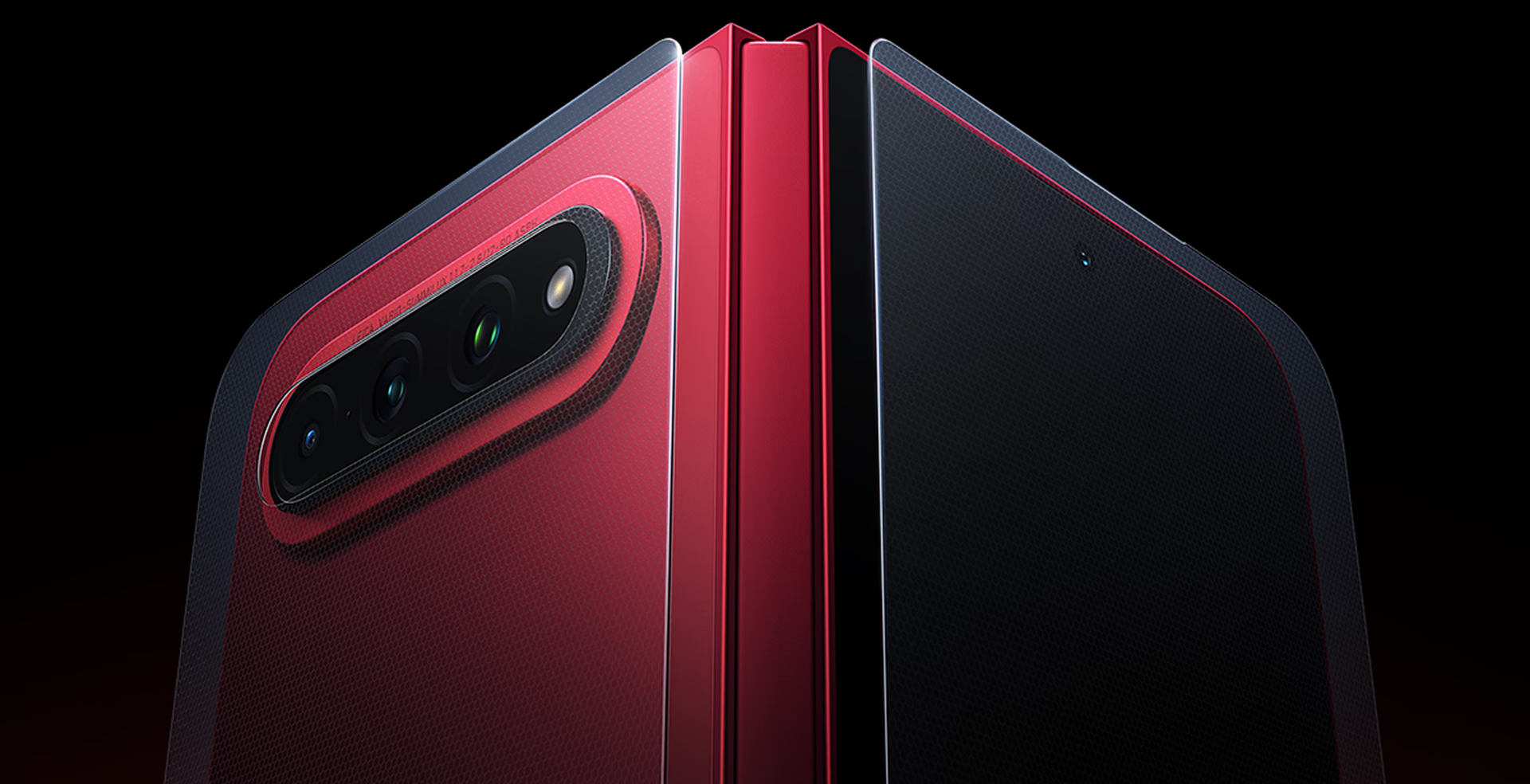
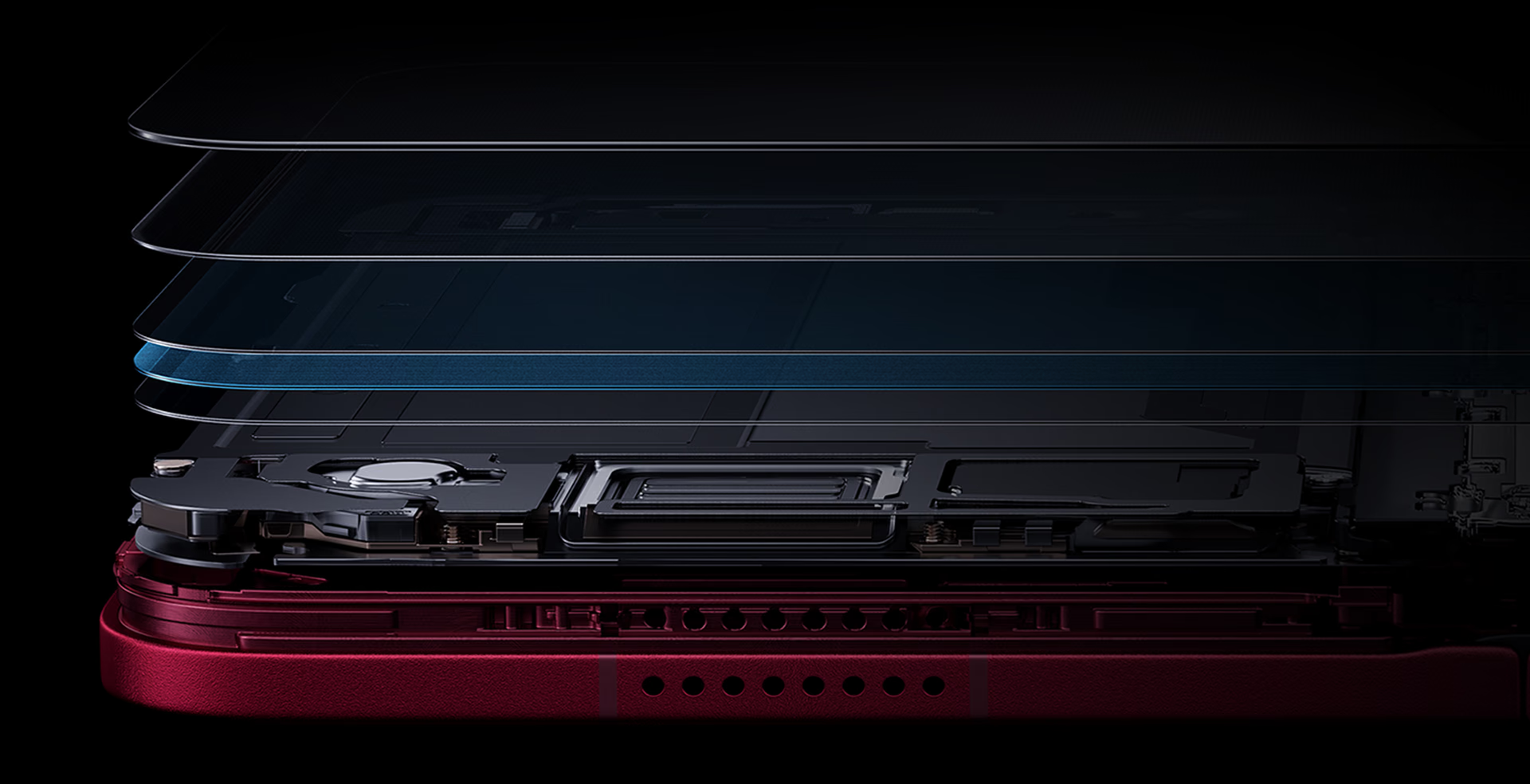
At the service counter, that decision has a consequence that does not appear on the spec sheet: a foldable panel with dual UTG is a more expensive assembly to replace than a single-layer one. It absorbs impact better, but when it fails, there is no partial repair possible.
Dragon Bone hinge and IP59 sealing
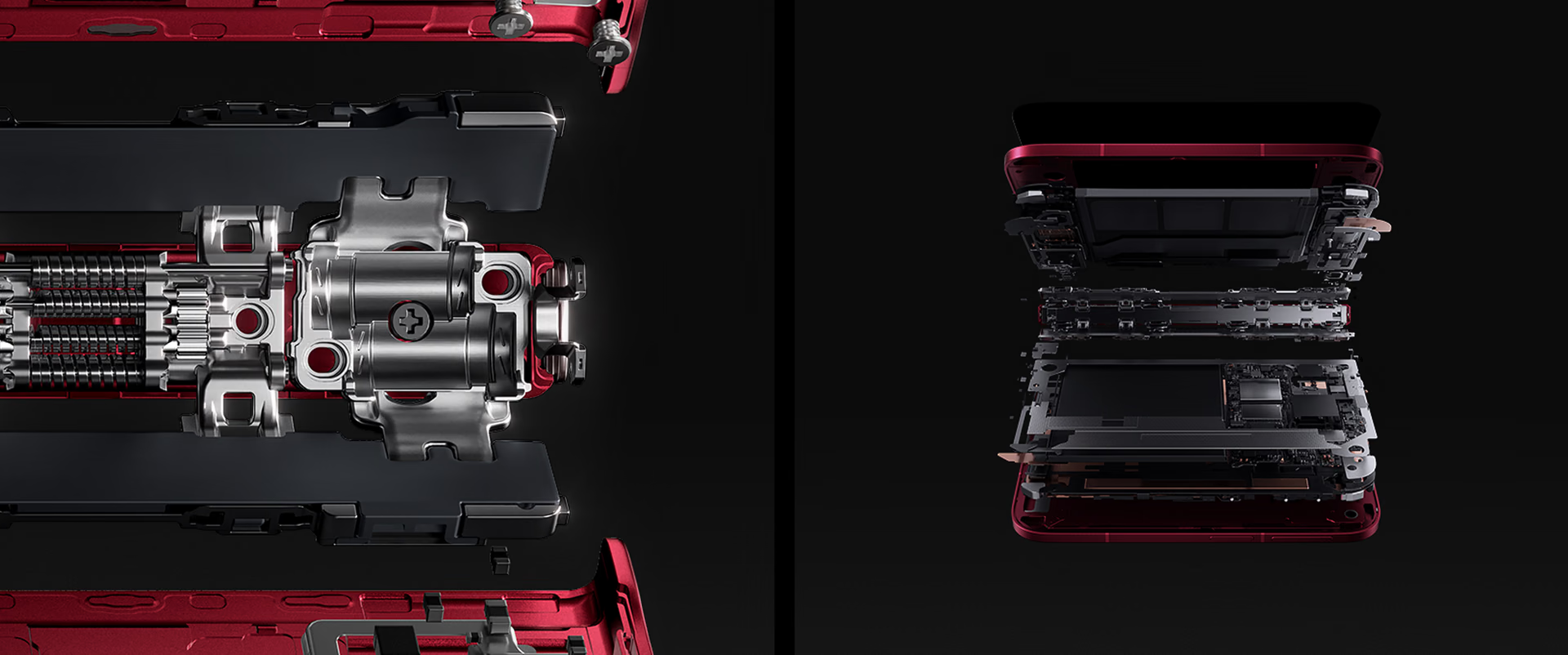
The hinge is a new version of Xiaomi’s Dragon Bone, with a three-stage connection structure that distributes folding stress instead of concentrating it on a single axis. It is the part that defines how many years a foldable lasts, and also the one that creates the most work when dirt gets in.
That is where the most underrated detail of the launch appears: the device is IP59 certified, adding protection against high-pressure water jets and sealing against dust. Samsung’s wide foldable stays at IP48, a certification that only blocks particles larger than one millimeter. In a device with a hinge, that is not brochure filler: fine dust that gets between the mechanism and the panel is the most common failure seen in a foldable after two years of use, and it explains many of the vertical lines that appear around the crease. The Pixel 11 Pro Fold is the other one that arrives sealed, with IP68.
XRING O3: ten big cores and no efficiency cores
The XRING O3 is manufactured on TSMC’s N3P node and packs 24 billion transistors into 133 square millimeters. The CPU has ten cores and none of them are efficiency cores: two C1-Ultra cores up to 4.35 GHz, four C1-Premium cores at 3.68, and four C1-Pro cores at 3.15. Every other high-end chip on the market, including the Snapdragon 8 Elite Gen 5 and the A19 Pro, mixes big cores with a smaller cluster for background tasks. Xiaomi removed that cluster.
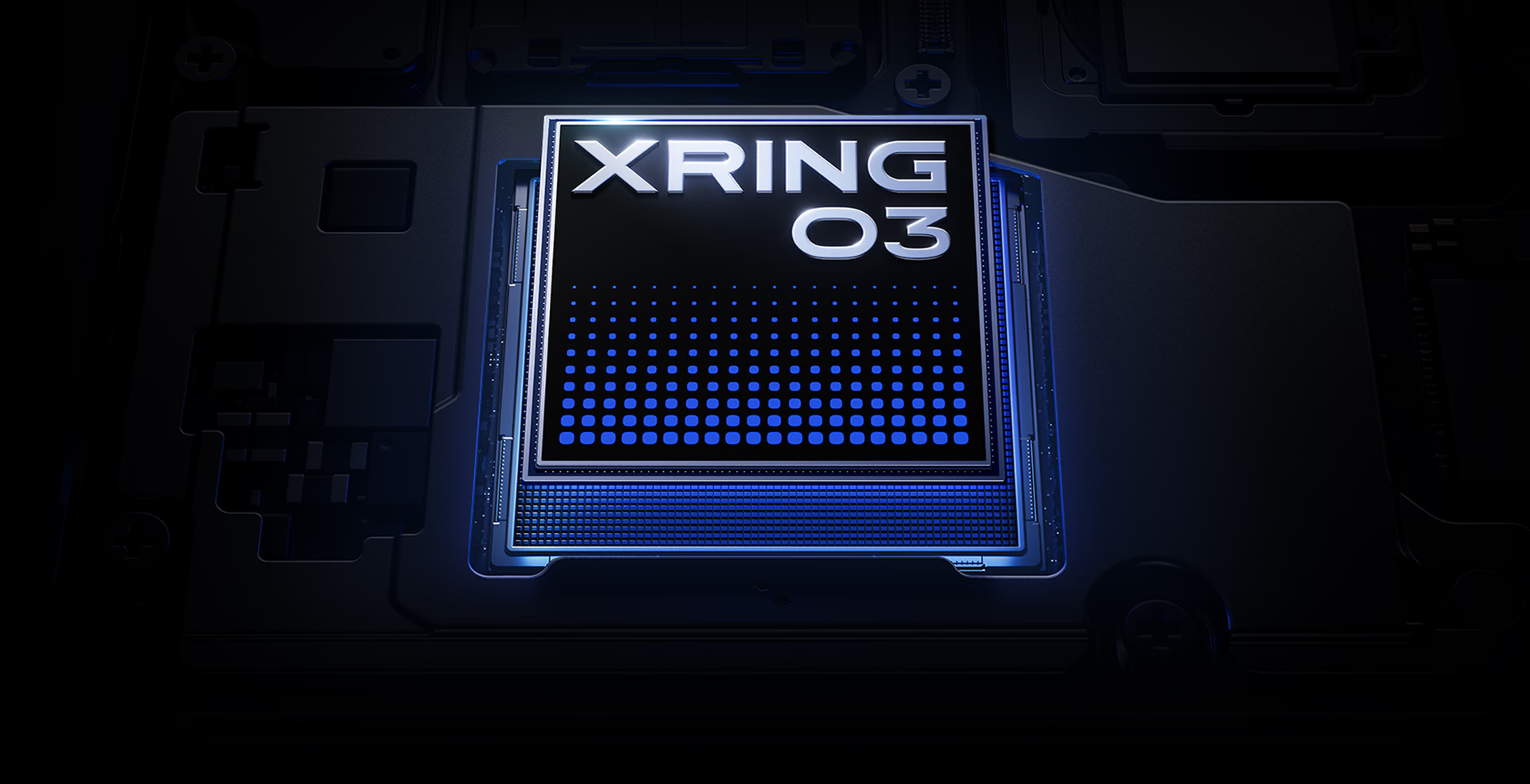
Xiaomi’s numbers support the decision at peak performance: 60% higher multi-core performance than the XRING O1, 85% higher GPU performance with 64% lower power consumption, 182% higher ray tracing performance, and a 200 TOPS NPU. In AnTuTu v11, the chip scored 5,228,014 points, the first to exceed five million, and in Geekbench 6.5 it reached 3,945 single-core and 15,221 multi-core: it loses to the A19 Pro in single-threaded performance and clearly beats it in multi-threaded workloads. The spec sheet is completed by the 16-core Arm G2-Ultra NX GPU, LPDDR6 memory at 113.8 GB/s in the 16 GB versions, LPDDR5X in the 12 GB versions, and UFS 4.1 storage across the board.
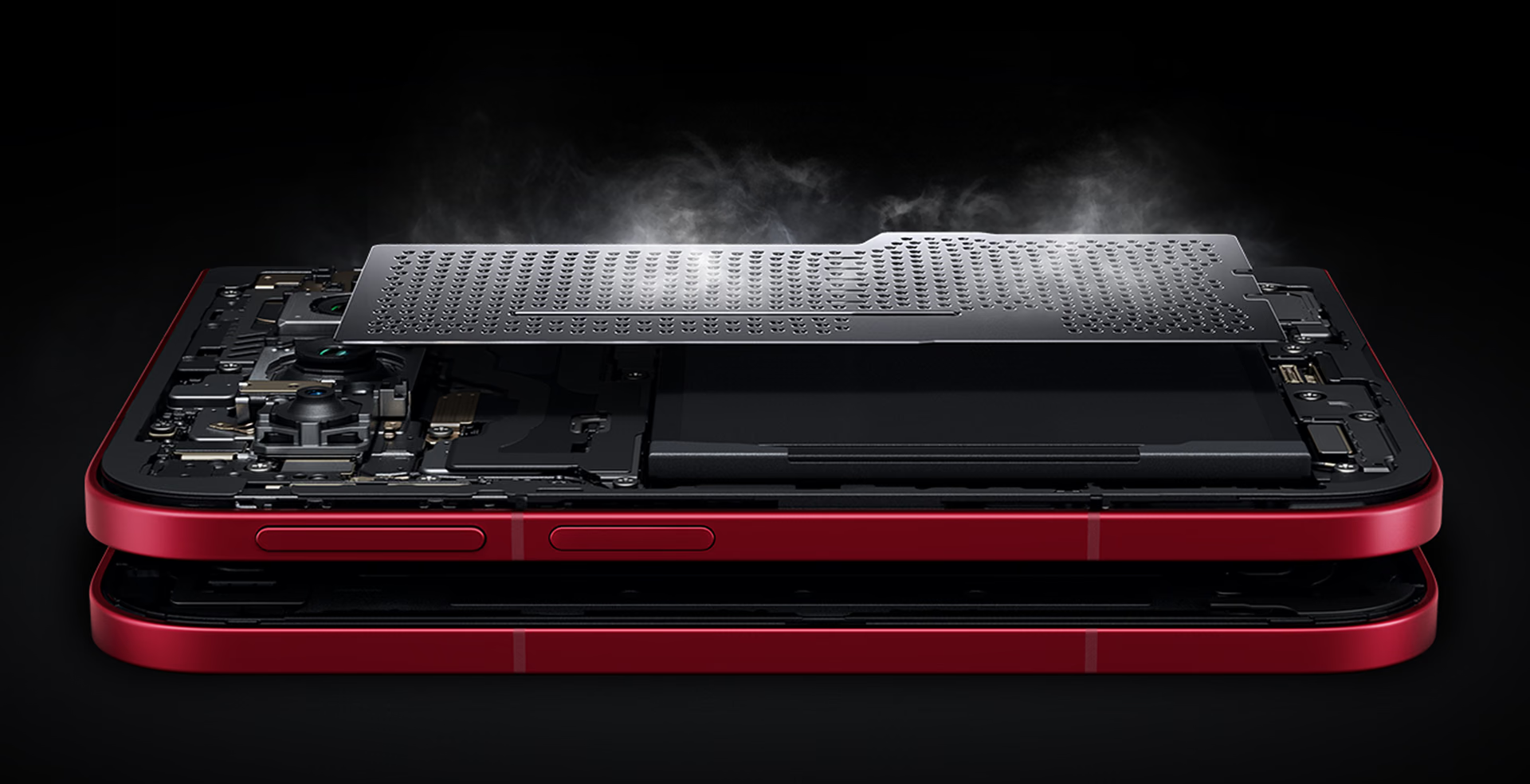
The question no coverage is asking is thermal. A CPU without small cores pushes light tasks onto cores that consume more power, and it does so inside the thinnest chassis Xiaomi has ever made, split into two halves by a hinge that interrupts any continuous dissipation plane. Cooling is handled by a 3D annular cold pump, and until third-party sustained-load tests appear, the AnTuTu peak says much less than it seems.
Battery: 6,000 mAh in 5.02 millimeters
The battery is 6,000 mAh, with Jinshajiang technology, a stacked structure, and around 20% silicon content, which is what allows that capacity to fit inside a 5.02 millimeter body. Claimed density reaches 920 Wh/L. It charges at 67 W wired and 50 W wirelessly.
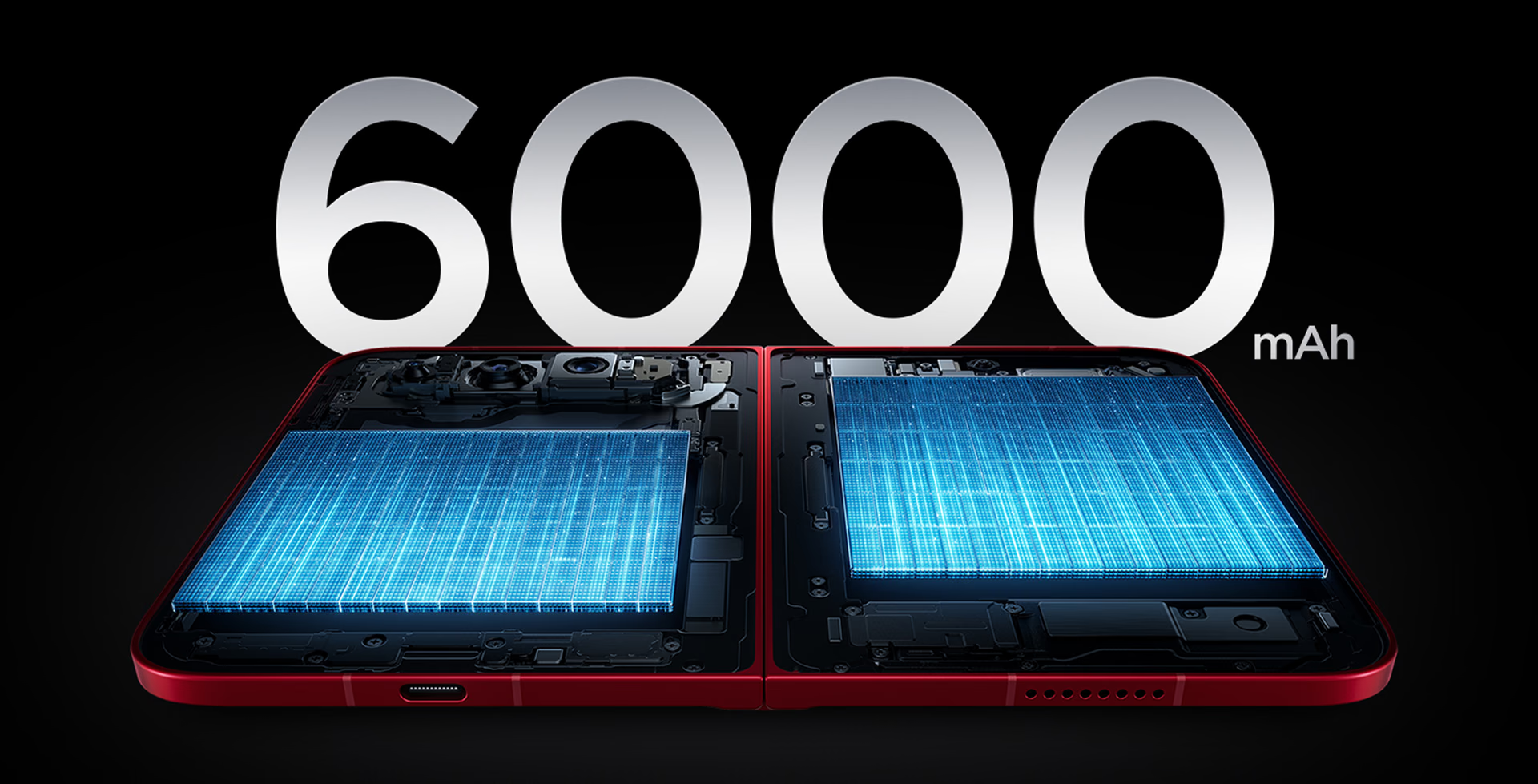
It is the highest capacity in the category by a wide margin: 1,200 mAh more than Samsung’s wide foldable and 700 more than the Pura X Max, with wired charging that nearly doubles the former.
Leica cameras: 200 MP and an 80 millimeter periscope
The rear system is Leica Vario-Summilux and has three lenses. The main camera is 200 MP with a 1/1.56-inch Samsung ISOCELL HP5 sensor and an f/1.7 aperture. The periscope is 50 MP with an 80 millimeter focal length, providing 3.5x optical magnification, and reaches 7x through sensor crop. The ultra-wide is also 50 MP. On the front, there is a 16 MP camera on each display, with a 90-degree angle.
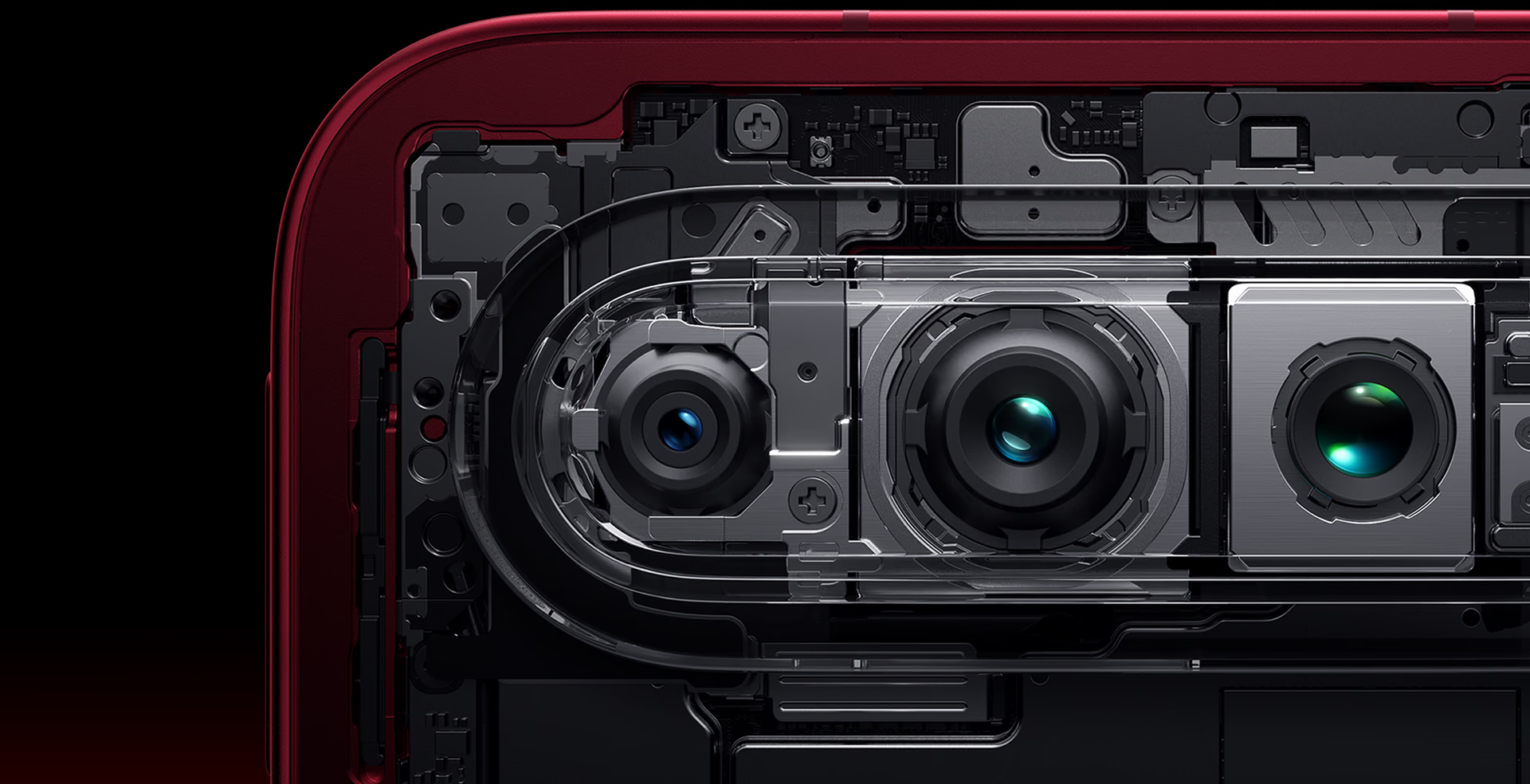
For video, it records 4K at 60 frames per second and 8K at 24. It is the most complete camera system of any wide foldable: Samsung’s device launched without a telephoto lens, and Google’s has a 10.8 MP one.
Prices and configurations
There are five versions and all are priced in yuan, because the device is not leaving China.
- 12 GB + 256 GB: 10,999 yuan, about $1,638
- 12 GB + 512 GB: 11,999 yuan
- 16 GB + 512 GB: 12,999 yuan
- 16 GB + 1 TB with LPDDR6: 14,999 yuan
- Ceramic edition, 16 GB + 1 TB: 15,999 yuan, about $2,383
LPDDR6 memory appears only from 16 GB upward, so the two 12 GB configurations remain on LPDDR5X. That is a real bandwidth difference within the same family.
How it compares with the other wide foldables
The four direct competitors already exist or are about to, and the differences are not where the marketing puts them. Data for Apple’s foldable comes from leaks and is marked as such.
The table organizes a debate that usually happens backward. In thickness and weight, all five are tied within a margin of less than one millimeter and thirty grams, so nothing is decided there anymore. Where they truly diverge is battery life, charging speed, and sealing, and those are exactly the three columns no campaign puts up front. In Apple’s case, moreover, estimates place it above $2,000, which would make the 18 Fold the cheapest in the group despite being the best equipped in battery and camera.
Is the Xiaomi 18 Fold sold outside China?
No. Xiaomi confirmed that the 18 Fold is exclusive to the Chinese market and has no plans for international sales. An imported unit works with incomplete 5G band support depending on the country, without official warranty, and with a regional ROM that requires Google services to be installed manually. For the rest of the world, the comparable wide foldable is Samsung’s.
Conclusion
The Xiaomi 18 Fold does not win because of its shape, because everyone has that shape now. It wins on the spec sheet: it is the wide foldable with the biggest battery, the fastest charging, the strongest camera system, and the best sealing in the group, and on top of that the cheapest of the five if the estimates about Apple are confirmed.
For someone living in China who wants the most complete foldable money can buy, there is no debate. For everyone else, it is more a demonstration of where the category is going than a product that can be evaluated: with no units outside China, there are no independent tests of the only doubt that matters, which is how a processor with ten big cores behaves in a five millimeter chassis after twenty minutes of sustained load. That answer will come from the first teardown, not the event.
Xiaomi 18 Fold
Xiaomi’s first wide-format foldable and the first on the market with its in-house XRING O3 processor. It adds 6,000 mAh in a 5.02 millimeter body, a 200 MP Leica triple camera, and IP59 certification.
Pros
- It is the wide-format foldable with the largest battery on the market: 6,000 mAh in 5.02 millimeters.
- It debuts the XRING O3, the first mobile processor with LPDDR6 memory support.
- IP59 certification seals against dust, something its direct Samsung rival does not do.
- Triple Leica camera with an 80 millimeter periscope and a 200 MP main sensor.
- 67 W wired charging and 50 W wireless charging.
Cons
- It is not sold outside China, and Xiaomi has not announced plans to export it.
- The processor without efficiency cores leaves sustained performance as an open question.
- LPDDR6 memory is reserved for the 16 GB configurations.
- The wide format wastes vertical social media content.
- It is the most expensive phone the brand has ever launched.
Author
Alexis PaezReport based on official announcements and verified public sources at the time of publishing.
Comments
Share article
You might also like

Galaxy Z Fold 8: the world's lightest foldable debuts a new form factor and drops the telephoto camera
Samsung introduced the Galaxy Z Fold 8 with a wide form factor, 201 grams, and a 10:16 cover display. Price, full specs, and why it does not replace the Fold 7.

Huawei Pura X Max: the market’s first wide foldable arrives April 20
The Huawei Pura X Max debuts on April 20 as the market’s first wide foldable. Date, colors, specs, and how it beats Samsung and Apple.

Galaxy Z Fold 8 Ultra: Samsung’s first Ultra foldable arrives with 200 MP, telephoto and 5,000 mAh in 4.1 millimeters
Samsung introduced the Galaxy Z Fold 8 Ultra: 4.1 mm, 200 MP camera with telephoto and a 5,000 mAh silicon-carbon battery. Price and full specs.

Samsung Galaxy Unpacked July 2026: the Fold lineup splits in two, the first foldable Ultra, and glasses with Gemini
Fold 8 in a passport-style format, the first foldable Ultra, watches with the same chip, and glasses with Gemini: everything from Galaxy Unpacked July 2026, prices, and dates.

Recent articles
Huawei Pura X Max vs iPhone Duo: what changes beyond the foldable screen
Huawei Pura X Max vs iPhone Duo: size, multitasking, cameras, styluses, and charging. What changes in use and which one better fits your priorities.