iPhone Duo: Apple enters foldables with two screens and US$1,999
Index
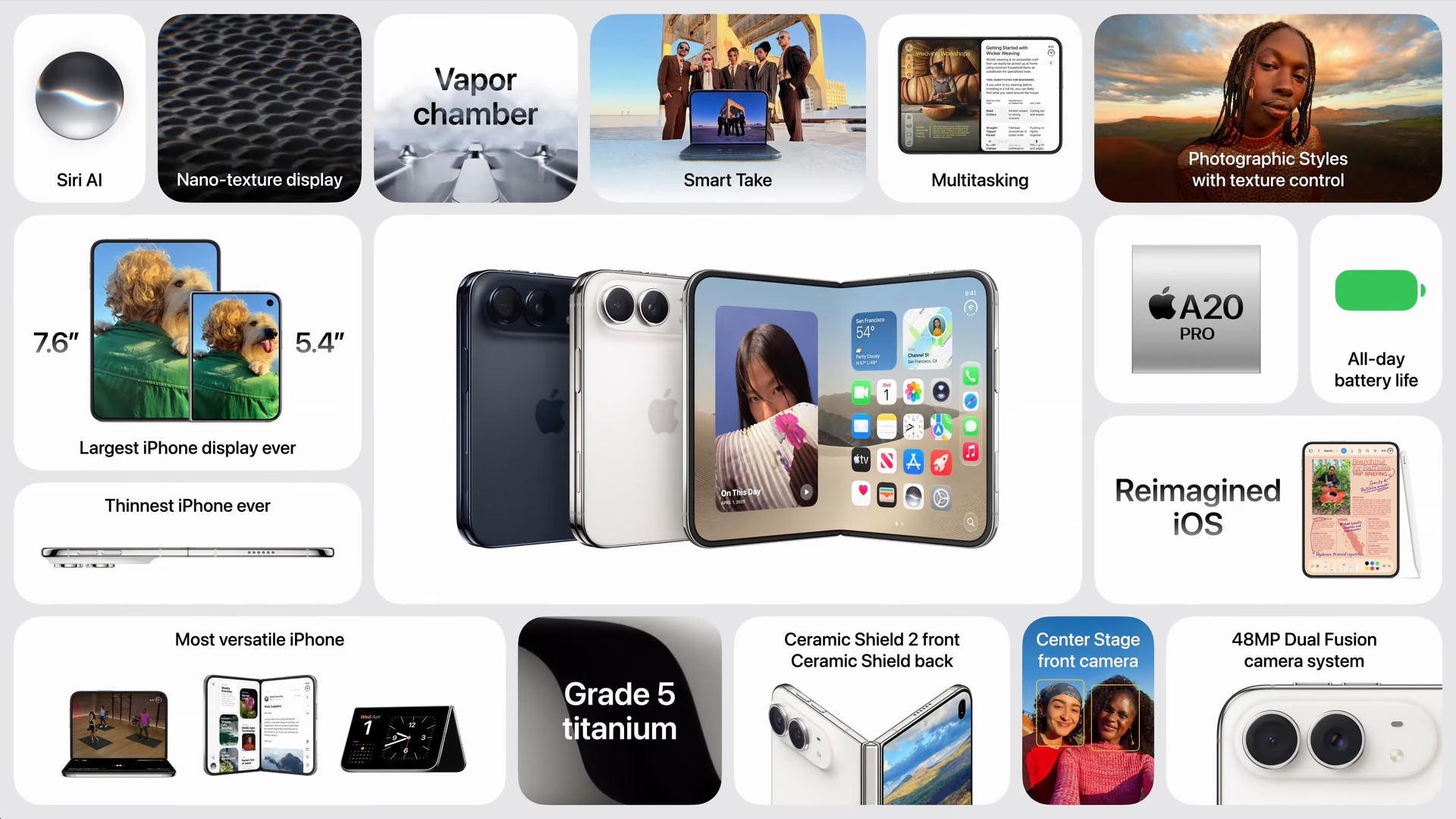
Apple introduced the iPhone Duo, its first foldable, with a 7.6-inch inner display, a grade 5 titanium body, and a US$1,999 price. When open, it measures 5.2 mm thick, making it the thinnest iPhone the company has ever made. It closed out an event that also brought the iPhone 18 Pro, two new watches, and the AirPods 5.
What the iPhone Duo is
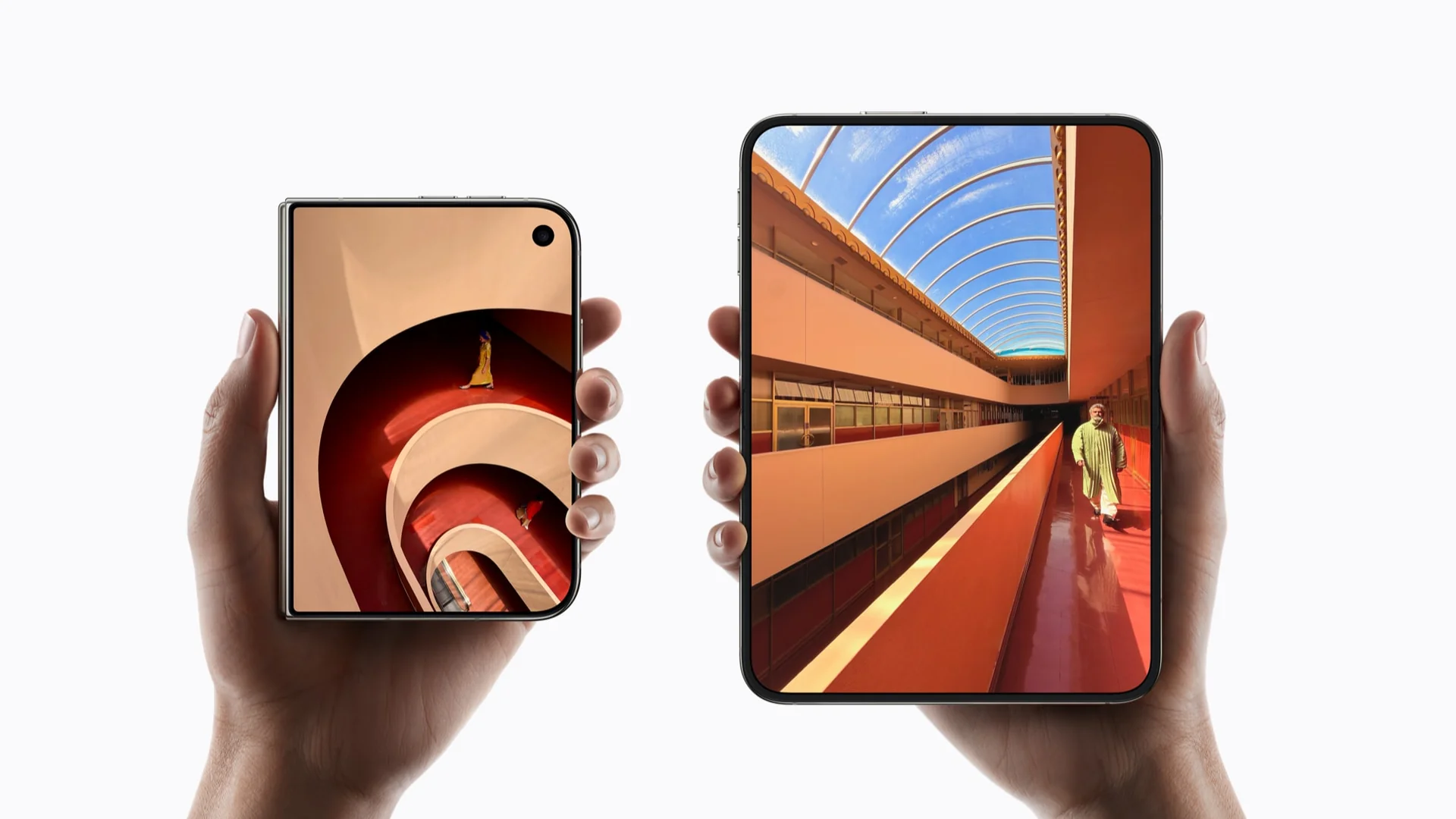
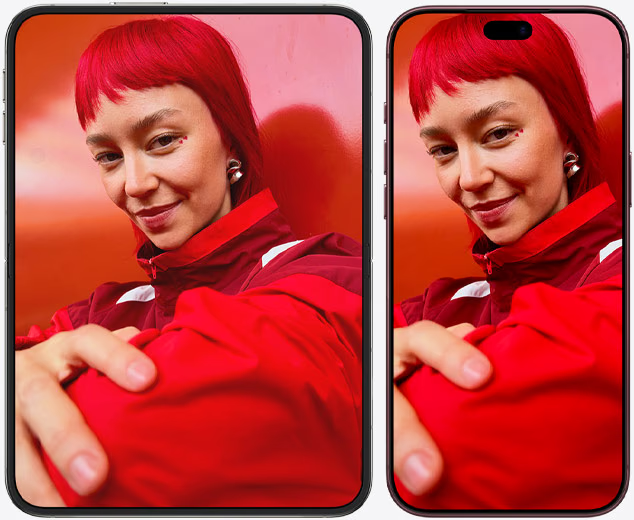
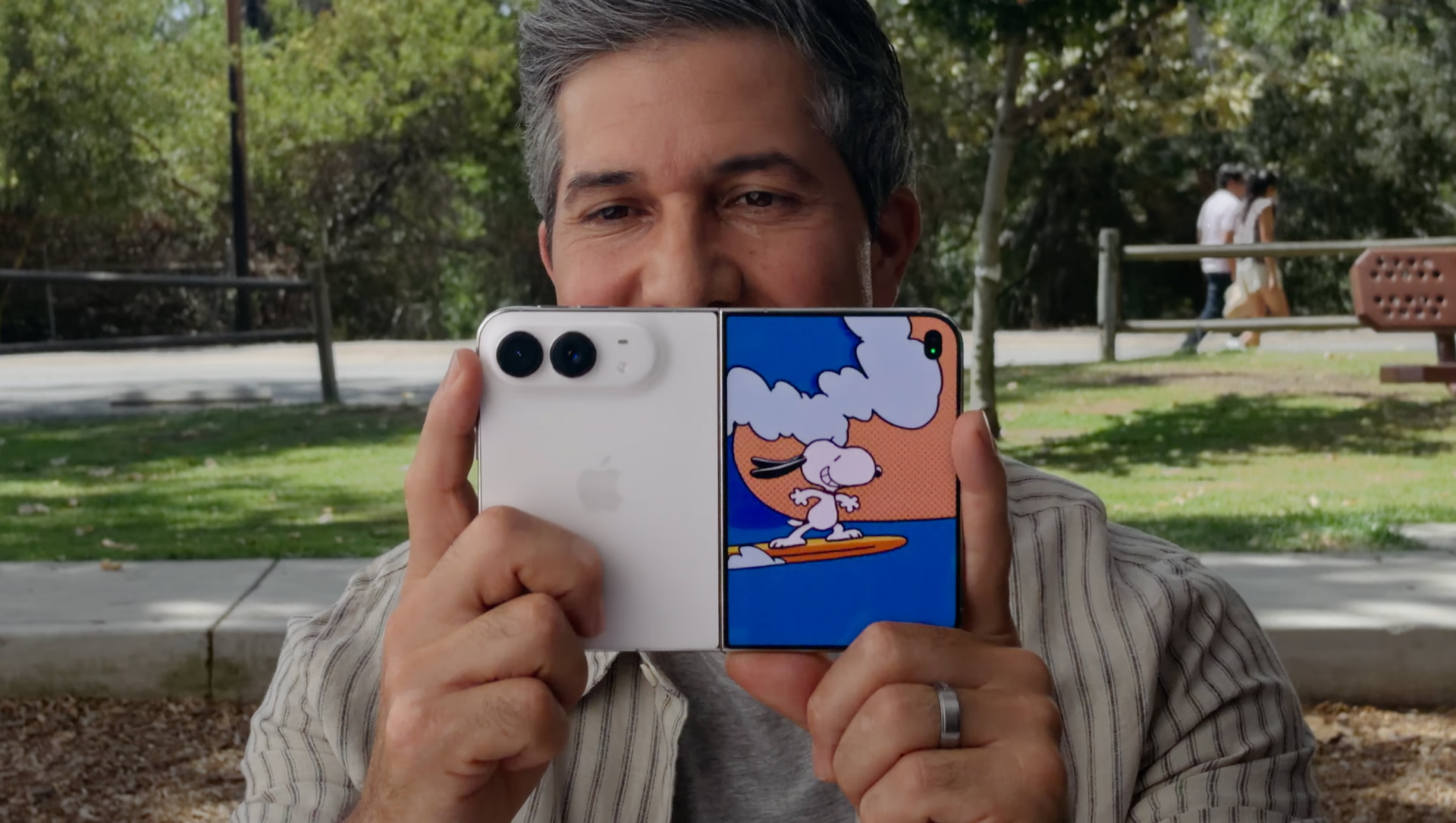
An iPhone that opens like a book and goes from a 5.4-inch outer display to a 7.6-inch inner one. The inner display is 50% larger than the iPhone 18 Pro Max’s and 80% larger than the 18 Pro’s; the outer display covers 90% of the area of an 18 Pro, so when closed it works like a normal phone.
The decision that sets it apart from other foldables is the aspect ratio: Apple kept it the same on both screens. That avoids the nearly square display that forces movies into black bars and makes vertical content feel cropped. The shape is asymmetrical, with two rounded corners, and the size is similar to a passport.
Design: grade 5 titanium and 254 grams
The frame is aerospace-grade titanium, machined and polished to a mirror finish. Apple needed that strength because the device is 5.2 mm thick when open; folded, it reaches 11.3 mm. According to the technical specifications, it measures 164.6 × 117.8 mm open and 84.1 × 117.8 mm closed, with a weight of 254 grams.
The rigidity comes from three details you can’t see: the central structural plane has reinforcing ribs, the antenna gaps were filled with ceramic fiber inserts three times stronger than grade 5 titanium itself, and key components were packaged inside the camera plateau to free up space. The two colors are Star White and Night Sky.
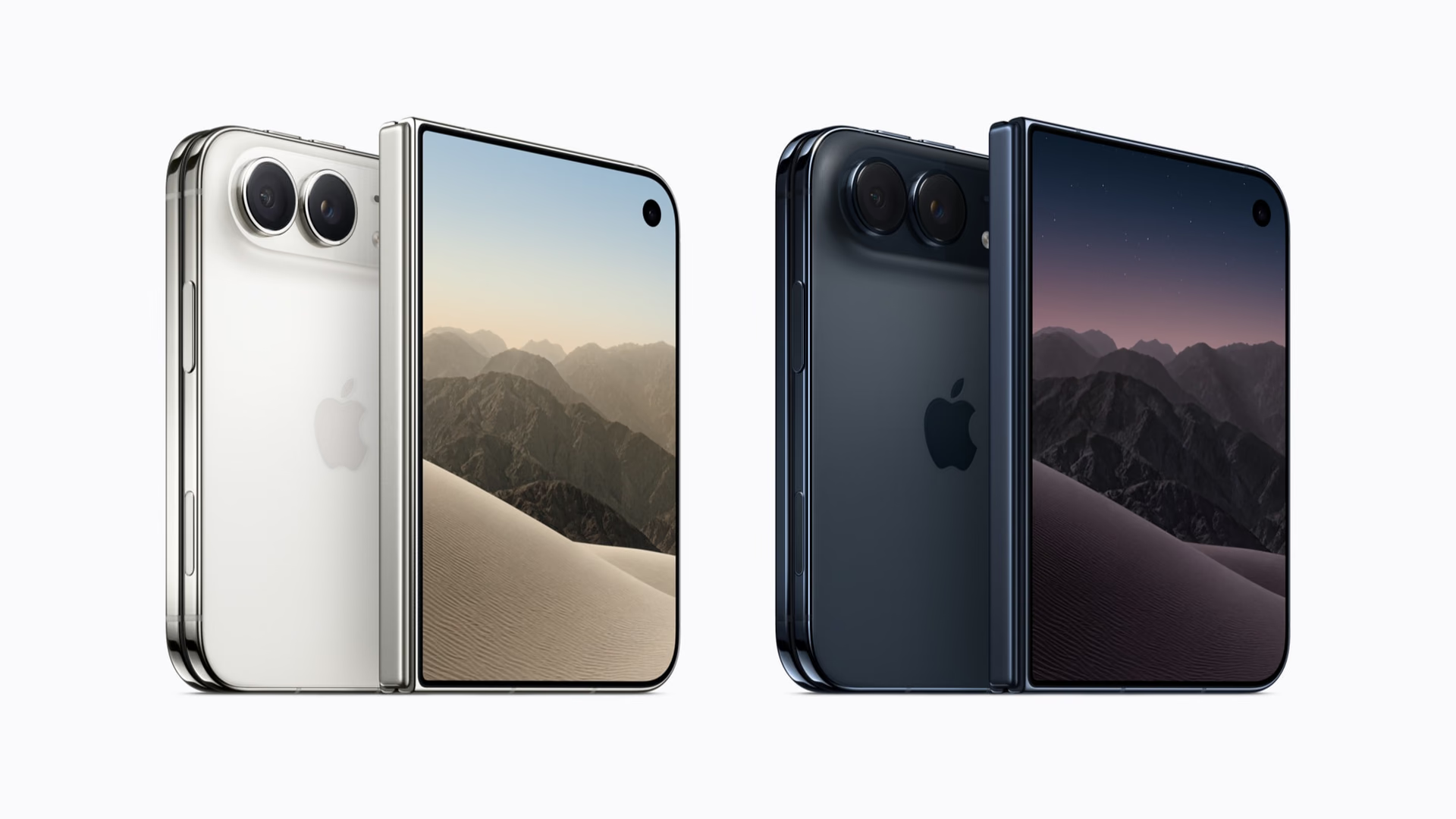
The closing action feels firm thanks to an integrated magnet array, and opening has a variable torque profile that controls how much resistance it offers at each stage of the movement.
The hinge: more than one hundred precision parts
The hinge supports the center of the display as it articulates and keeps it flat when the device is open. Inside are more than one hundred precision components and carbon fiber plates that form a rigid, lightweight base for the panel to rest on.
What says the most about the difficulty of the problem is how it is manufactured: Apple uses AI algorithms to pair each individual hinge with the enclosure that fits it best, and a confocal laser scans the topology of each unit and prints up to 25 custom photopolymer microlayers to eliminate residual waviness. It is unit-by-unit correction, not a standard assembly-line process.
The inner display is a multilayer lamination where each layer serves a different purpose, and all of them have to slide against one another when folded.
The inner display and the material breakdown
This is the detail worth understanding before buying it, because it changes how much an accident costs.
Apple protects the iPhone Duo with two materials, and neither goes over the display that bends. Ceramic Shield 2 covers the front of the closed device, meaning the outer display; Ceramic Shield covers the back. The inner display uses a custom polymer layer with up to 40% more rigidity than what the rest of the industry uses, Apple’s own scratch-resistant coating, high-strength glass above and below the OLED, viscoelastic adhesives that let the layers slide like the pages of a book, and a titanium plate as the base.
On top of that polymer is a nanotextured finish made with maskless laser lithography, where each microlens is written pixel by pixel. It reduces reflections, creates a perceptually flat matte surface, and minimizes the visibility of the crease. It shares something with nanotextured monitors that matters much more on a phone: the anti-reflective treatment is the surface itself, not a layer on top. On regular glass, the oleophobic layer wears down and can be restored; here there is nothing to replenish, and a deep scratch cannot be polished out. That is why Apple insists on its cleaning cloth for these surfaces.
On the outside, the device is IP68 certified up to 6 meters for 30 minutes, the same resistance as the iPhone 18 Pro. Authentication is handled by Touch ID in the side button, under your thumb, with multiple fingers registerable. It also unlocks with an Apple Watch.
iOS 27 redesigned for two screens
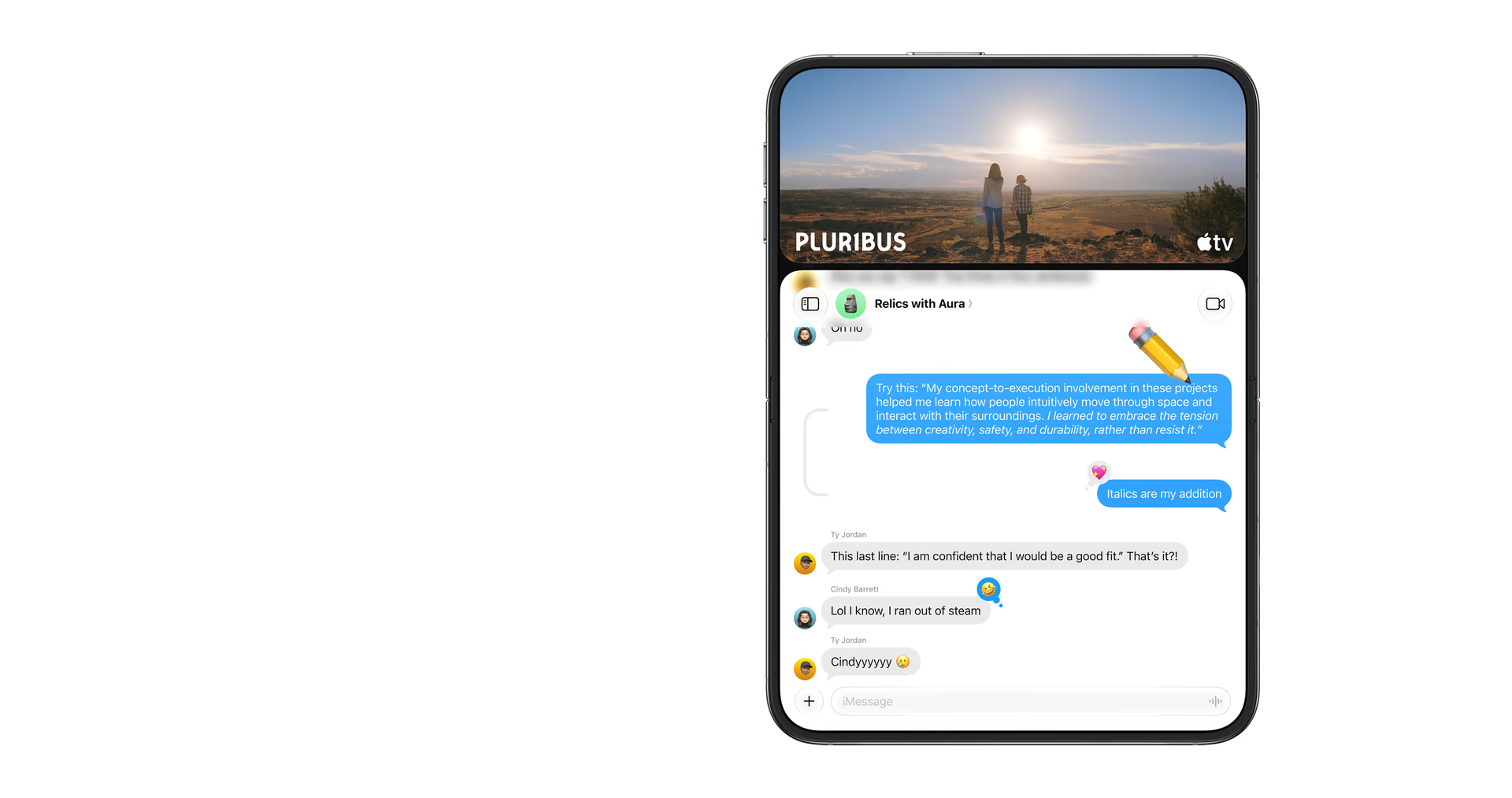
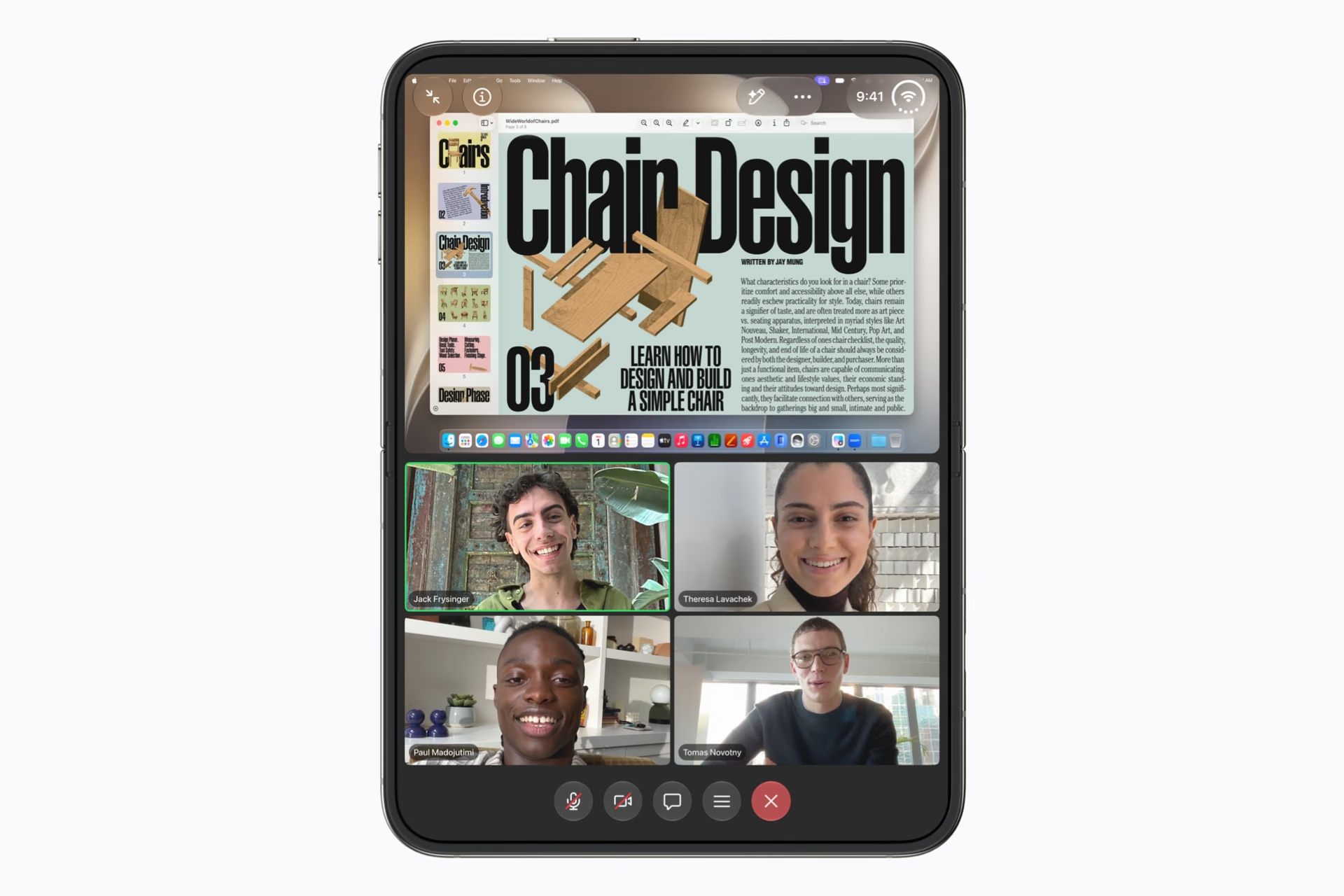
Apple moved the essential system controls to the side. It sounds minor, but it is not: it frees up vertical space for content and keeps them within thumb reach on a screen too wide to cross comfortably. The Dock is now vertical, and the status bar has been reorganized into a compact system that fits into the corner. That change forced Apple to rebuild the layout of every app and revisit design principles that had gone untouched for years.
When you open the device, the software expands from the outer display to the inner one while keeping the controls in the same position, so the content scales but the interface does not move. If you flip it over, the view moves to the screen you are looking at.
Real multitasking
With the inner display, you can move one app to one side and open another alongside it in Split View, or open a second window of the same app, such as two Safari tabs for comparison. The gesture for swapping them is the one you already know, and with a tap on the divider they are paired so you can return to them later.
In portrait orientation, the split changes: you can pin a video at the top, much larger than what would fit on a regular phone, and leave the bottom half for another app.
The apps that have already adapted
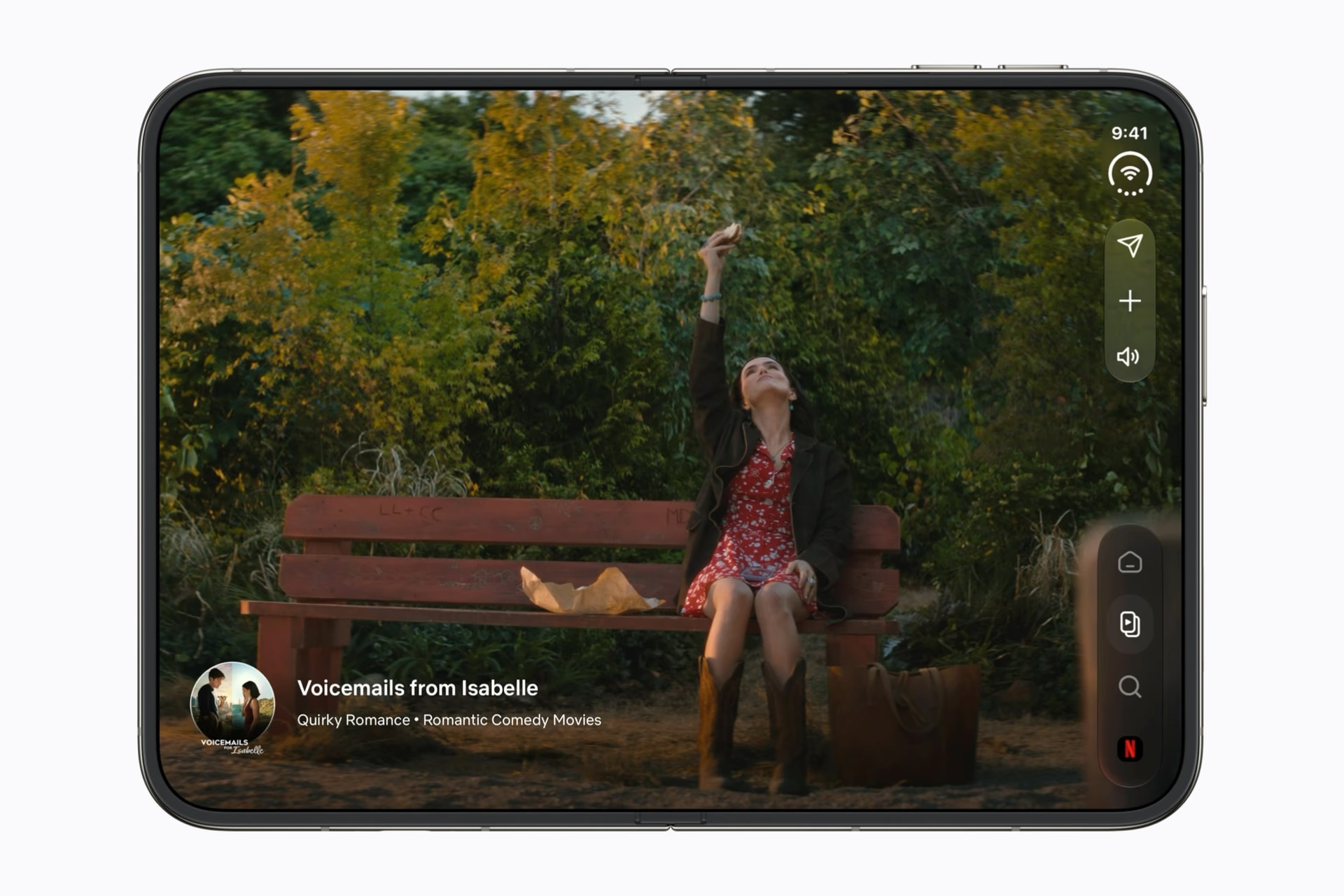
Apple published new APIs so developers can adapt their apps. Zoom turns the display into a video conference room with shared content and participants visible at the same time. Slack shows the full workspace. Detail uses the Core AI environment and runs its models on the device. Netflix splits the experience: Clips on the outer display, catalog and playback on the large one.
It stands on its own, at any angle
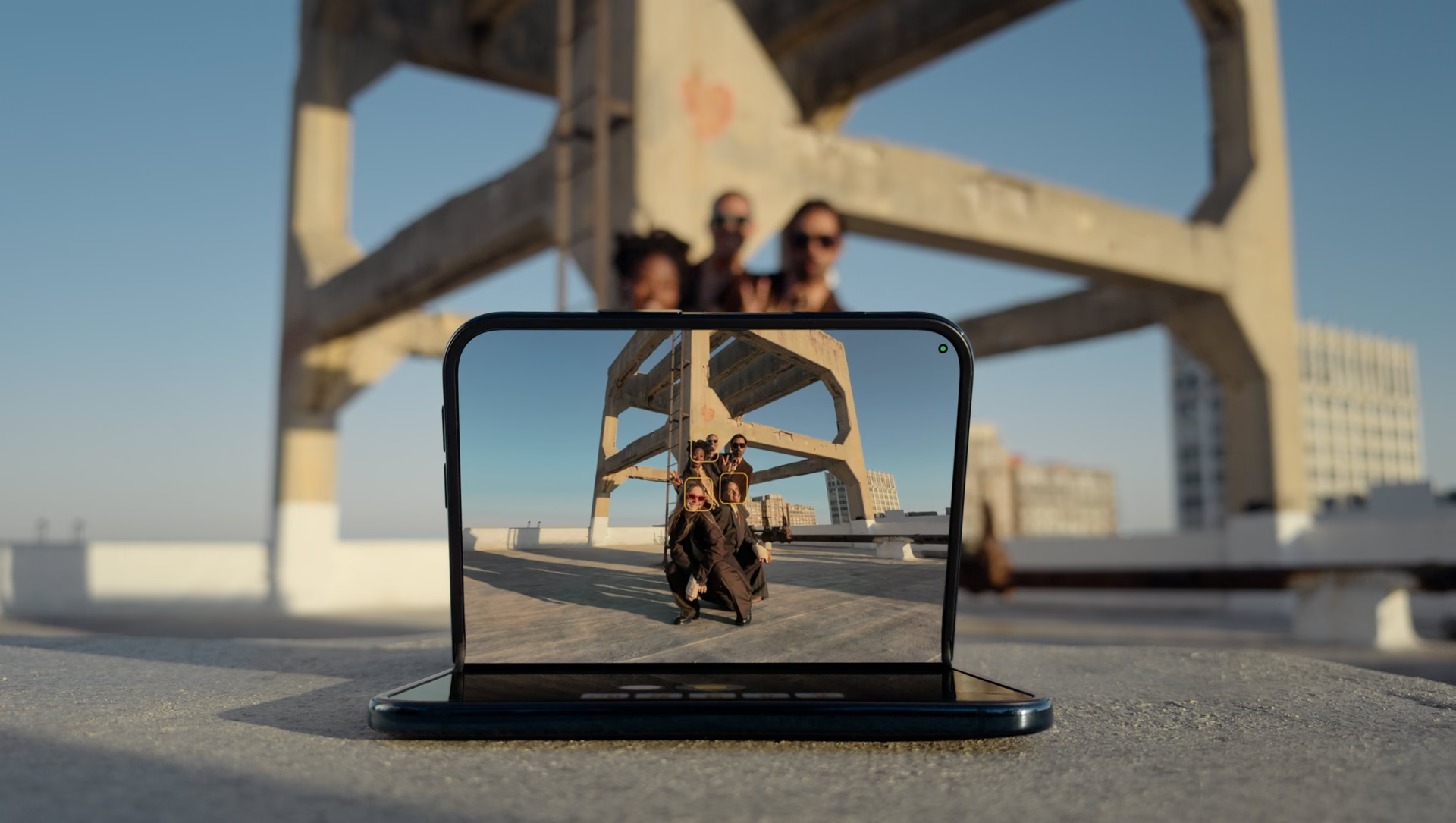
The system reacts to the angle by reading the sensors in each half. You can set it on a table and watch something on the outer display without a stand, or leave it partially folded with the content shifted away from the crease area, where tapping is uncomfortable. Audio algorithms compensate for the changing distance between the speakers depending on the posture.
StandBy mode was rebuilt for this format: it now activates when you set it down even if it is not charging, with new Weather and Calendar faces, widgets like Music, and a bedside clock that wakes with a soft brightness synchronized with the alarm.
Cameras
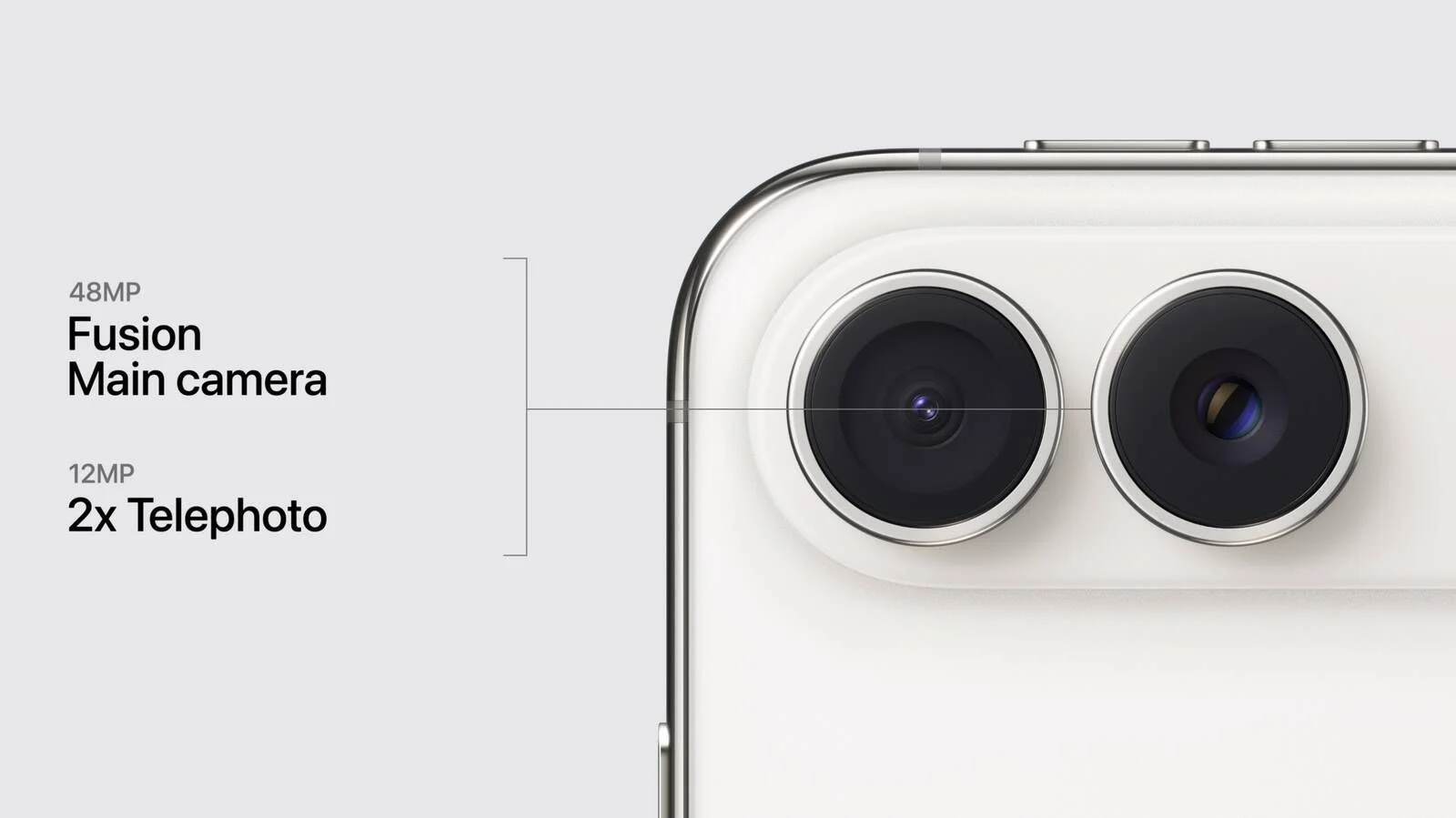
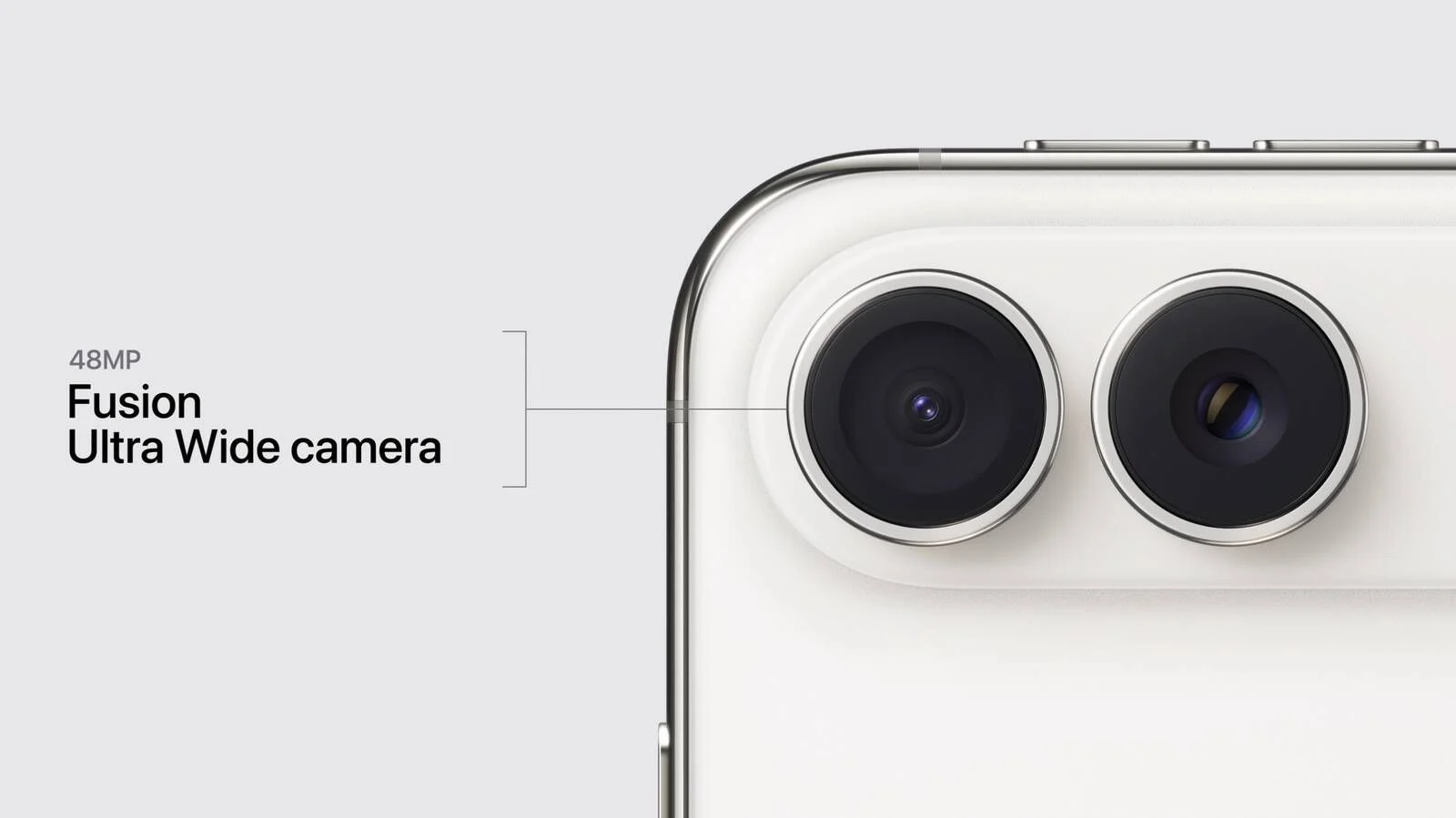
The rear system has two lenses: a 48 MP main Fusion camera with 26 mm and ƒ/1.6, and a 48 MP Fusion ultra wide with 13 mm and ƒ/2.2, the same as on the iPhone 18 Pro. The 2x is handled by a 12 MP telephoto. The main camera has sensor-shift optical stabilization, zero-lag shooting, and records 4K at 120 frames per second.
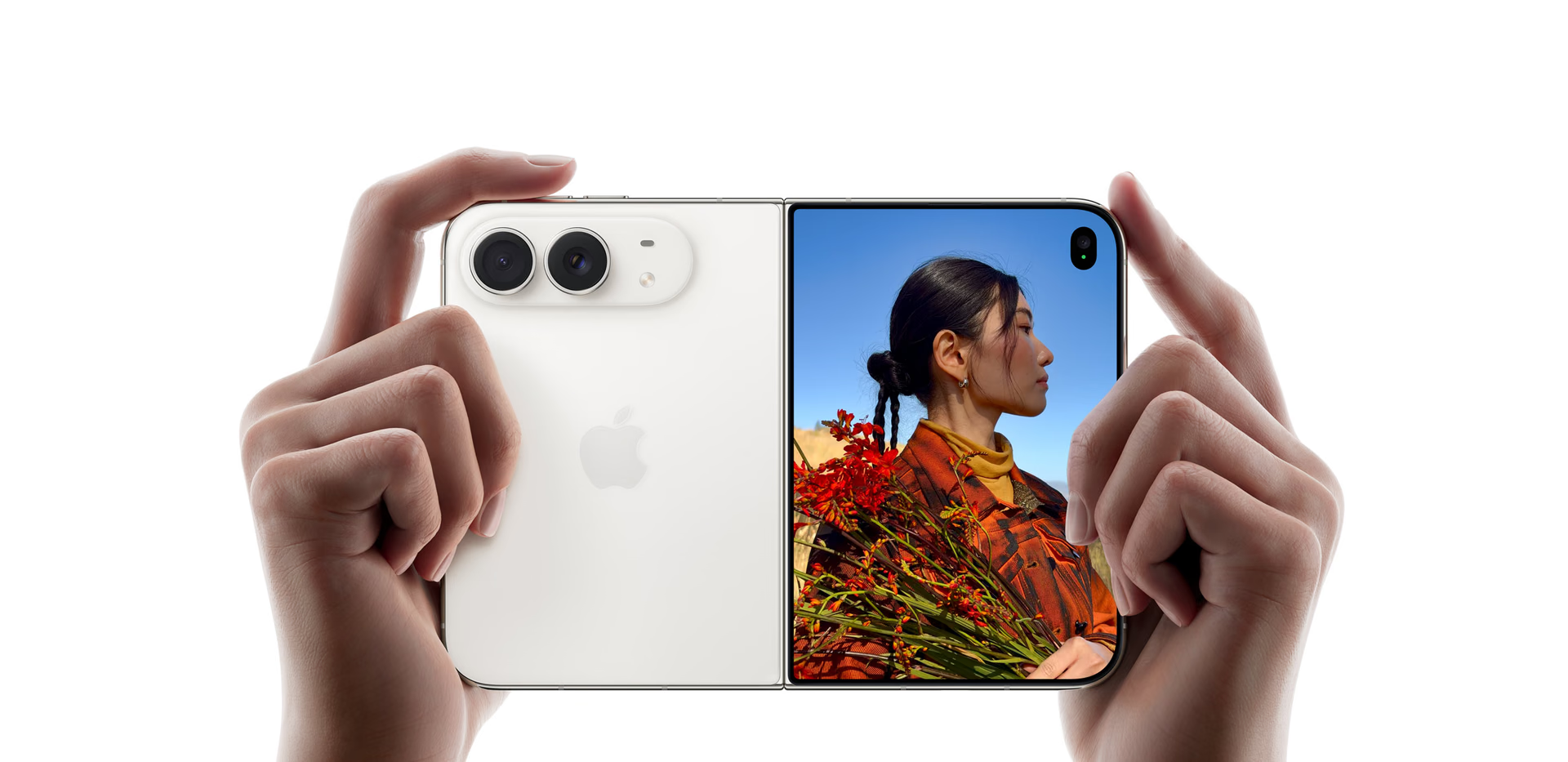
That setup is the trade-off of the form factor: to fit two batteries, the hinge, and the lamination into 5.2 mm, Apple had to give up the dedicated 4x telephoto that the 18 Pro does have.
What you can only do with two screens
This is where the form factor stops being a curiosity. With Duo Preview, the person you are photographing can see themselves on the outer display and frame themselves. Signal for Kids plays animations on that same screen so the child looks at the camera. Dual Capture shares the front and rear cameras at the same time, and Duo FaceTime lets someone who is with you join the call from the outer display.

Smart Capture uses the A20 Pro and on-device models to track the scene and shoot when everyone is in position. Combined with the fact that the phone stands on its own, it solves the group photo without racing against the timer.
Camera and editing in the system
The Camera app controls are within reach over the preview, and Photographic Styles add texture and grain control, with a Film texture for a classic finish. In the Photos app, there is Eraser with improved fill, Extend to enlarge the image around the subject, and Spatial Reframe to move the point of view after the shot.


A20 Pro, C2 modem, and two batteries
The chip is the same A20 Pro as in the iPhone 18 Pro, with a new display engine that drives both panels at once, synchronizes transitions, and blends the pixel pattern in the under-display camera area so it does not look like a patch. The die connected directly to the thermal dissipation lets it hit peak performance immediately, and the vapor chamber sustains it: up to 35% more sustained performance than the iPhone 17 Pro.
The C2 modem integrates baseband, transceivers, power management, firmware, and software as a single platform. It uses AI to reconnect faster in low coverage, uploads files up to 50% faster than the C1X, adds mmWave in the United States, and consumes 15% less energy.
The Duo is eSIM-only worldwide, and that freed up the SIM tray space for battery. There is a high-energy battery in each half, with Apple’s own silicon and algorithms managing charge, discharge, and rebalancing so they work as one: up to 31 hours of video on the inner display, 44 on the outer display, and 24 hours of use per charge split between the two. It charges to 50% in about 20 minutes.
Apple Pencil, accessories, and price
The iPhone Duo is the first iPhone compatible with Apple Pencil. It works with the USB-C model on either screen and arrives before the end of the year. Apple’s own accessories are a Folio with an integrated stand that folds away when you are not using it, and a two-part case that wraps each half.
Pricing starts at US$1,999 with capacities from 256 GB to 2 TB. Preorders open October 16, and sales begin October 23.
Conclusion
For anyone who has been following the leaks about Apple’s foldable, the surprise is not that it exists: it is the aspect ratio. Apple solved the problem that makes most foldables feel like two phones stuck together, and it did so at the cost of one fewer camera and US$800 over the Pro Max price.
If you do work where a larger screen changes the job—reading documents, editing in two apps at once, taking notes with Pencil—the Duo is the first iPhone that gives you that without carrying an iPad. If your use is photography, the 18 Pro is still the right device: it has the telephoto the Duo gave up and the variable aperture it does not include.
The real unknown cannot be resolved with specs. Foldables are judged after two years, when the crease starts to show and the hinge starts to loosen. Apple added unit-by-unit laser correction and a lamination designed so the layers slide without deforming, but no manufacturer has won that argument yet. It is the first generation of a new form factor with iOS 27 rebuilt on top, and that comes at a price.
Frequently asked questions
Can you see the crease on the iPhone Duo display?
Apple does not say it does not exist: it says it minimized it. The hinge supports the center of the panel and keeps it flat when open, and the nanotextured finish creates a matte surface that reduces its visibility by scattering reflections. A crease is most noticeable when light bounces off it.
Why does it use Touch ID and not Face ID?
Because it has to work the same way open and closed. Facial recognition needs the module pointing at your face, and on a foldable that means duplicating it or having it work in only one position. Touch ID in the side button sits under your thumb in both configurations and supports multiple registered fingers.
What happens if the inner display gets scratched?
It is the most expensive part of the device. It does not use Ceramic Shield or Ceramic Shield 2, but a polymer layer with a nanotextured finish, and there the anti-reflective treatment is the surface itself, not a replaceable coating. A deep scratch cannot be polished out. Because the panel is laminated onto titanium with viscoelastic adhesives, repair means replacing the module.
iPhone Duo
Apple’s first foldable iPhone, with a 7.6-inch inner display and a 5.4-inch outer display. It measures 164.6 x 117.8 x 5.2 mm open and weighs 254 grams.
Author
Alexis PaezReport based on official announcements and verified public sources at the time of publishing.
Comments
Share article
You might also like
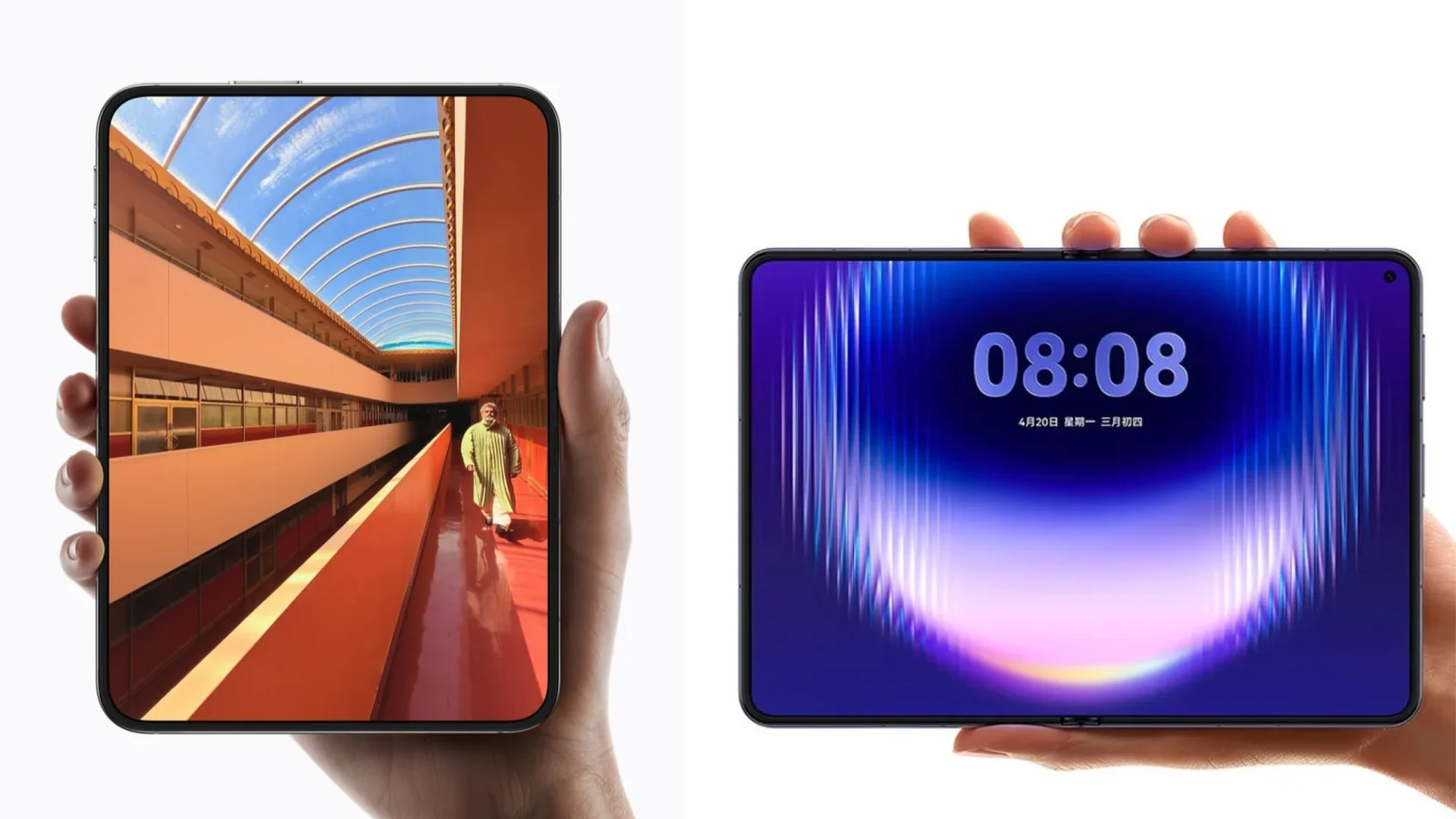
Huawei Pura X Max vs iPhone Duo: what changes beyond the foldable screen
Huawei Pura X Max vs iPhone Duo: size, multitasking, cameras, styluses, and charging. What changes in use and which one better fits your priorities.
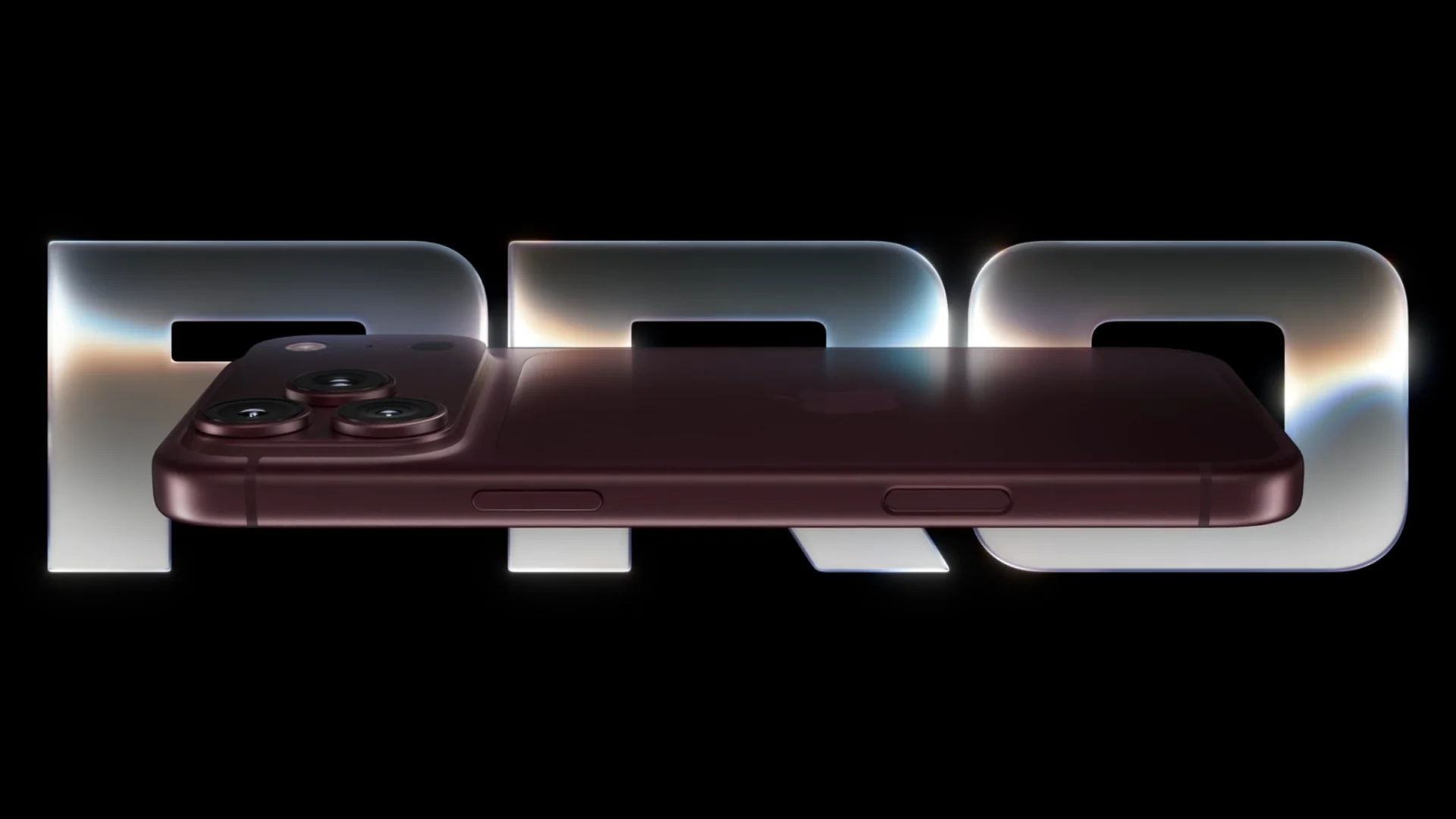
iPhone 18 Pro and Pro Max: variable aperture, A20 Pro, and the longest battery life in an iPhone
The iPhone 18 Pro debuts a four-step variable aperture, the A20 Pro chip, and the longest battery life in the lineup. Price, specs, and why Apple lists two different battery figures.

Leaked foldable iPhone Ultra price: start saving, because it’s set to break records
Apple is delaying the iPhone 18 to go all in on the foldable iPhone Ultra. Self-healing display, 2TB of storage, and a price that tops $2,000.

Recent articles
DJI Osmo Pocket 4P: 17 stops on the wide-angle and a telephoto that doesn't measure up
Review of the DJI Osmo Pocket 4P: 1-inch LOFIC sensor with up to 17 stops, 60 mm telephoto, what changed with the August firmware, and how it compares with the Pocket 4.